
Are you or someone you know suffering from Benign Prostatic Hyperplasia (BPH)? If so, there is good news on the horizon. Promising advances in BPH treatment have recently emerged, offering hope for those seeking relief from this common condition. BPH, a non-cancerous enlargement of the prostate gland, affects many men as they age, causing urinary symptoms that can significantly impact quality of life. However, with the ongoing research and development in this field, there is a growing optimism that innovative treatments will soon be available, providing a brighter future for those dealing with BPH.
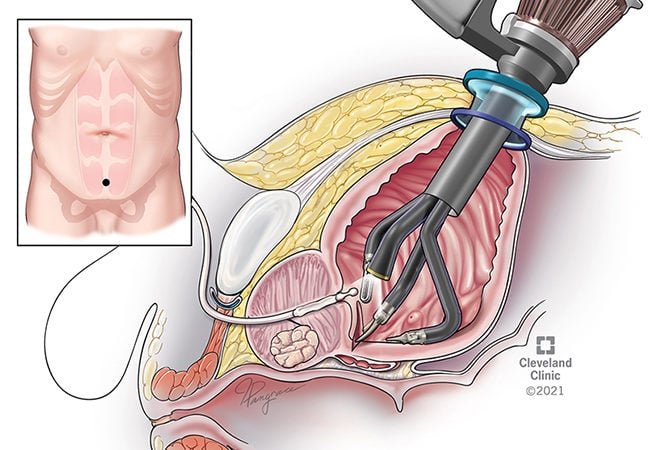
Overview of Benign Prostatic Hyperplasia (BPH)
Benign Prostatic Hyperplasia (BPH) refers to the enlargement of the prostate gland, which can cause urinary symptoms in men as they age. It is a common condition that affects a large number of men worldwide. BPH is characterized by the growth of noncancerous cells within the prostate gland, leading to a progressive increase in its size. This enlargement can exert pressure on the urethra, resulting in various urinary problems. While BPH is not a life-threatening condition, it can significantly impact a man’s quality of life if left untreated.
Definition of BPH
BPH, also known as prostate gland enlargement, is a noncancerous condition where the prostate gland grows in size. The prostate gland, a small walnut-shaped organ, is located beneath the bladder and surrounds the urethra, the tube through which urine flows from the bladder. As the prostate gland enlarges, it can squeeze the urethra, leading to symptoms such as difficulty in urination, weak urine flow, frequent urination, and the need to urinate at night. These symptoms can vary in severity, and it is important for individuals experiencing them to seek medical attention for proper diagnosis and treatment.

Prevalence and Symptoms of BPH
BPH is a prevalent condition, with the incidence increasing with age. It is estimated that more than 50% of men in their 60s and up to 90% of men in their 80s and 90s will experience symptoms of BPH. The symptoms of BPH can significantly impact a man’s life, affecting their daily activities and overall well-being. Common symptoms of BPH include frequent urination, difficulty starting and stopping urination, weak urine flow, the feeling of incomplete bladder emptying, and the need to urinate urgently. These symptoms can have a significant negative impact on an individual’s quality of life, leading to frustration, stress, and even social withdrawal.
Current Treatment Approaches for BPH
Fortunately, there are several treatment approaches available for BPH that can help alleviate the symptoms and improve the quality of life for affected individuals. The choice of treatment depends on various factors such as the severity of symptoms, the size of the prostate gland, the individual’s overall health, and personal preferences.
Watchful Waiting
In cases where the symptoms of BPH are mild or not bothersome, a watchful waiting approach may be recommended. This approach involves regular monitoring of symptoms and periodic check-ups to assess any changes in the condition. Watchful waiting may be suitable for individuals with mild symptoms who do not wish to undergo immediate treatment or those who have other medical conditions that make them unfit for certain procedures.
Medications for BPH
Several medications are available to manage the symptoms of BPH. Alpha-adrenergic antagonists, such as tamsulosin and terazosin, work by relaxing the muscles in the prostate and bladder neck, thereby improving urine flow. 5-alpha reductase inhibitors, such as finasteride and dutasteride, reduce the size of the prostate gland by inhibiting the production of hormones that contribute to its growth. Combination therapy, which involves the use of both alpha-adrenergic antagonists and 5-alpha reductase inhibitors, may be more effective in certain cases. Anticholinergic medications, such as oxybutynin and tolterodine, can also be prescribed to relieve symptoms related to bladder irritability.
Minimally Invasive Procedures
Minimally invasive procedures offer an intermediate treatment option between medications and surgery. These procedures aim to alleviate the symptoms of BPH by reducing the size of the prostate gland or improving the flow of urine. Some commonly used minimally invasive techniques include transurethral microwave thermotherapy, transurethral needle ablation, and prostatic stents. These procedures are usually performed on an outpatient basis and have a lower risk of complications compared to surgery.
Surgery
Surgery may be recommended for individuals with severe symptoms or those who do not respond well to medication or minimally invasive procedures. The most common surgical procedure for BPH is transurethral resection of the prostate (TURP), where the excess prostate tissue is removed using a thin instrument inserted through the urethra. Other surgical options include laser ablation techniques, such as holmium laser enucleation of the prostate (HoLEP) and photoselective vaporization of the prostate (PVP). In more complex cases, open prostatectomy or robotic-assisted surgery may be performed.
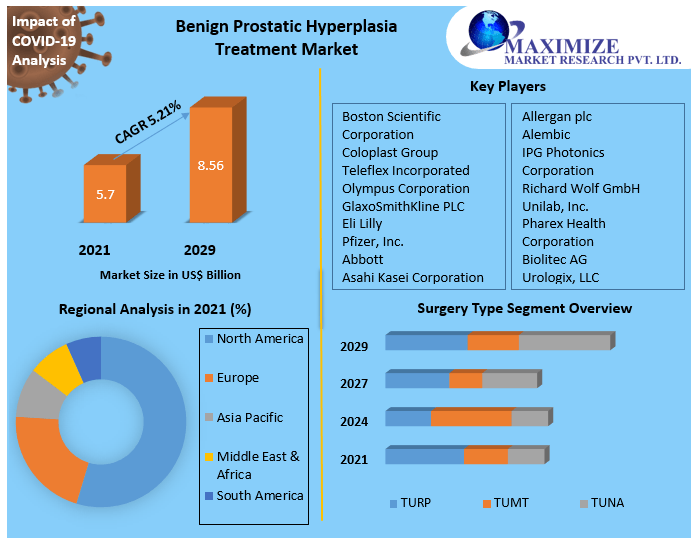
Promising Research Advances in BPH Treatment
The field of BPH treatment has seen promising advancements in recent years, offering new hope for individuals suffering from the symptoms of this condition. Ongoing research and development efforts are focused on improving drug therapies, exploring emerging minimally invasive techniques, discovering new surgical approaches, and investigating alternative therapies.
Advancement in Drug Therapies
Researchers are actively exploring new drugs and treatment combinations to provide more effective and targeted relief for BPH symptoms. Alpha-adrenergic antagonists continue to be a key component of drug therapy, offering rapid symptom relief. 5-alpha reductase inhibitors have also shown efficacy in reducing the size of the prostate gland over time. Combination therapy, using both alpha-adrenergic antagonists and 5-alpha reductase inhibitors, has been found to provide enhanced symptom relief and potentially prevent disease progression. Additionally, anticholinergic medications are being studied to alleviate bothersome symptoms related to bladder irritability.
Emerging Minimally Invasive Techniques
Advances in technology have led to the development of new minimally invasive techniques for BPH treatment. Prostatic artery embolization (PAE) is a promising non-surgical procedure that involves blocking the blood supply to the prostate, leading to its shrinkage. Water vapor thermal therapy, also known as Rezum, utilizes steam to ablate excess prostate tissue, thereby improving urine flow. Convective water vapor energy, or Aquablation, combines water and heat to precisely remove prostate tissue. Transurethral needle ablation (TUNA) delivers controlled radiofrequency energy through needles to target and destroy excess prostate tissue.
New Surgical Techniques
Surgical techniques for BPH treatment have also evolved to become more precise and efficient. Holmium laser enucleation of the prostate (HoLEP) offers a minimally invasive alternative to traditional surgery, where laser energy is used to remove prostate tissue while preserving the integrity of surrounding structures. Photoselective vaporization of the prostate (PVP) utilizes laser energy to ablate excess prostate tissue, resulting in improved urinary symptoms. Robotic-assisted surgery, such as the da Vinci system, allows for enhanced precision and visualization, facilitating more precise removal of prostate tissue. Aquablation therapy is an innovative surgical technique that combines real-time imaging and robotic control to precisely remove excess prostate tissue with water.
Alternative Therapies
In addition to traditional approaches, alternative therapies are being explored as potential treatment options for BPH. Botulinum toxin injections into the prostate gland have shown promise in reducing symptoms and improving urine flow. Stem cell therapy, although still in its early stages, holds the potential for regenerating damaged prostate tissue and restoring normal function. Acupuncture, an ancient medical practice, has been studied for its potential to alleviate BPH symptoms by improving blood flow and reducing inflammation. Herbal supplements, such as saw palmetto and beta-sitosterol, are also being researched for their potential therapeutic effects.
Challenges and Future Directions
While advancements in BPH treatment are promising, several challenges and future directions need to be addressed to optimize outcomes for affected individuals.
Long-Term Efficacy
It is crucial to evaluate the long-term efficacy of new treatment approaches to ensure that symptom relief is sustained over an extended period. Further research and clinical trials are needed to assess the durability and potential side effects of emerging therapies.
Cost-Effectiveness
As new treatment options become available, the cost-effectiveness of these interventions needs to be evaluated. Considering the long-term management of BPH, it is essential to strike a balance between providing effective treatment while minimizing healthcare costs.
Adoption and Availability
Ensuring that new treatment approaches are widely adopted and accessible to those who need them is another important consideration. Healthcare professionals need to be trained in these novel techniques, and healthcare systems should strive to make these treatment options accessible to a larger population.
Personalized Medicine
Advancements in genetics and molecular biology offer the potential for personalized medicine in BPH treatment. Understanding an individual’s genetic makeup and disease progression can help tailor treatment approaches to maximize effectiveness and minimize adverse effects.

Conclusion
Benign Prostatic Hyperplasia (BPH) is a common condition that affects a significant number of men worldwide. While current treatment approaches such as watchful waiting, medications, minimally invasive procedures, and surgery have been effective in managing BPH symptoms, promising research advances offer new hope for improved treatment outcomes. Advancements in drug therapies, emerging minimally invasive techniques, new surgical approaches, and alternative therapies show great potential in providing targeted and personalized relief for individuals with BPH. However, challenges related to long-term efficacy, cost-effectiveness, adoption, and availability need to be addressed to fully realize the benefits of these advancements. With ongoing research and development efforts, the future of BPH treatment looks promising, offering a brighter future for those impacted by this condition.