Are blisters causing discomfort during your exercise routine? Look no further! In this article, you will find valuable tips on how to prevent blisters from hindering your active lifestyle. From choosing the right footwear to ensuring proper hydration, we’ve got you covered. Say goodbye to painful blisters and hello to pain-free workouts! Blisters. They can be a real pain, especially when you’re trying to stay active and exercise. But fear not, because I’ve got some helpful tips for you on how to prevent blisters during exercise. With the right shoes, socks, and a few tricks up your sleeve, you can keep those blisters at bay and focus on achieving your fitness goals. So let’s dive right in!
Choose the Right Shoes
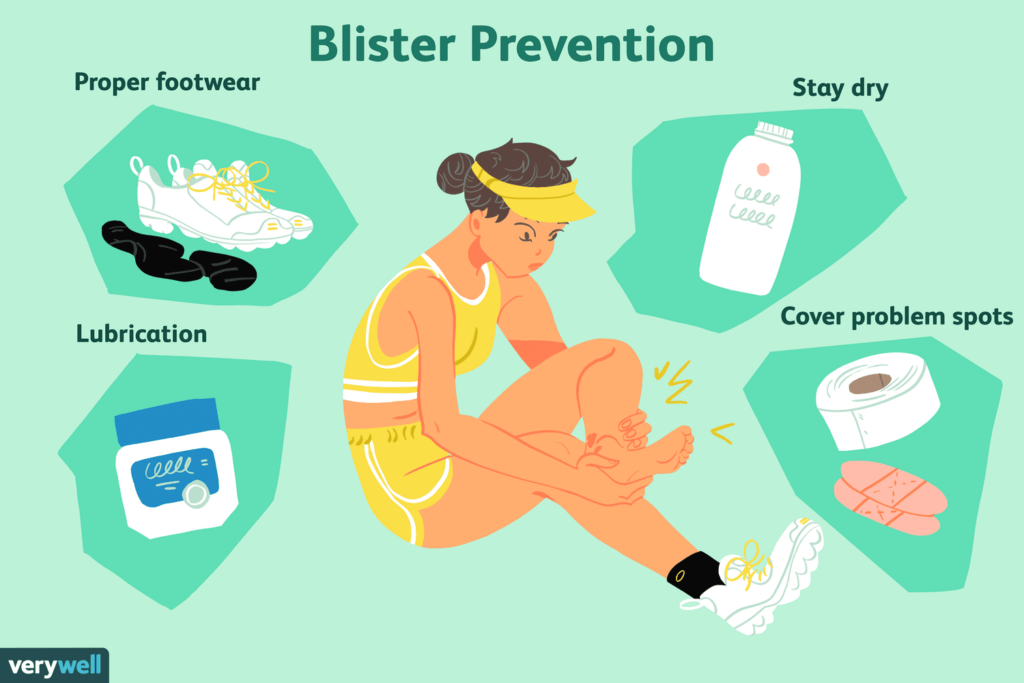
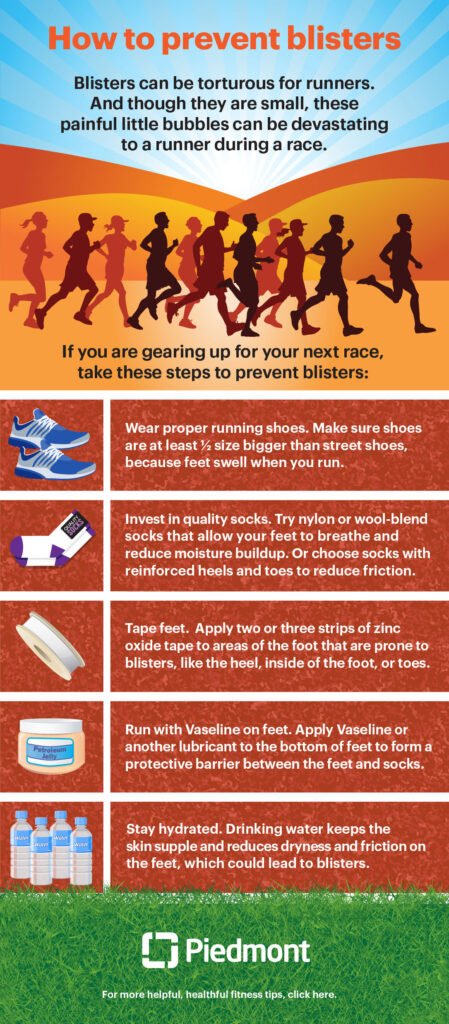
One of the most important factors in preventing blisters during exercise is choosing the right shoes. Make sure your shoes fit properly and provide enough support for your feet. Look for shoes with a wide toe box, as this will give your toes room to move and reduce the chances of friction that can lead to blisters. Additionally, opt for shoes that have cushioning and shock absorption to help prevent pressure points and minimize the impact on your feet.
Ensure Proper Shoe Fit
When it comes to preventing blisters, the fit of your shoes is crucial. Ill-fitting shoes can rub against your skin, causing friction and ultimately leading to blisters. To ensure a proper fit, measure your feet regularly to account for any changes in size or shape. Try on shoes in the afternoon or evening when your feet tend to be slightly swollen, as this will give you a more accurate feel for how the shoes will fit during exercise. And don’t be afraid to try different brands or styles to find the perfect fit for your feet.
Break-in New Shoes
If you’ve just purchased a new pair of exercise shoes, it’s essential to break them in properly before hitting the pavement or gym. Wearing new shoes for extended periods of time or during shorter, less intense workouts will help your feet adjust to the shoes and allow any potential friction points to be identified and addressed before they turn into blisters. Gradually increase the duration and intensity of your workouts with the new shoes until you feel comfortable wearing them for your full exercise routine.
Consider Toe Caps
For those who are particularly prone to blisters on the toes, toe caps can be a game-changer. These small, silicone or gel caps fit over the toes and act as a protective barrier, reducing the friction that can lead to blisters. Toe caps are especially beneficial for activities that involve a lot of forward motion, such as running or hiking. Simply slide them over your toes before putting on your socks and shoes, and you’re good to go!
Wear Moisture-Wicking Socks
Another key element in preventing blisters during exercise is wearing moisture-wicking socks. Moisture-wicking socks are designed to pull sweat away from your skin and disperse it throughout the fabric, keeping your feet dry and reducing the chances of friction. Look for socks made from synthetic materials like polyester or nylon, as these tend to be more effective at wicking away moisture. Avoid cotton socks, as they tend to retain moisture and can actually promote blister formation.
Wear Two Pairs of Socks
If you find that moisture-wicking socks alone aren’t enough to keep your feet dry and blister-free, consider wearing two pairs of socks. Layering socks can provide an additional barrier between your skin and the shoes, reducing friction and preventing blisters. Opt for a thin, moisture-wicking sock as your base layer, followed by a slightly thicker sock for added cushioning and protection. This combination will help to further absorb moisture and minimize friction, ensuring a more comfortable workout experience.
Use Foot Powder
Foot powder is another tool in your arsenal for preventing blisters. Applying foot powder to your feet before slipping on your socks and shoes can help absorb moisture and reduce friction. Look for foot powders that contain ingredients like talc or cornstarch, as these can help keep your feet dry and free from excess moisture. Additionally, some foot powders contain anti-fungal or anti-bacterial properties, which can be beneficial for overall foot health.

Apply Moleskin
Moleskin is a handy product that can be used to protect hot spots and prevent blisters. Moleskin is a soft, adhesive material that can be easily cut to size and applied to areas of your feet that are prone to friction. By creating a barrier between your skin and your shoes, moleskin reduces the chances of blisters forming. Before your workouts, check your feet for any areas that feel irritated or sensitive, then apply moleskin to those spots as a preemptive measure. This will help alleviate any discomfort and prevent blisters from developing.
Protect Hot Spots
In addition to moleskin, there are other methods you can use to protect hot spots on your feet. One popular option is using blister cushions or gel pads. These cushions provide cushioning and reduce friction in areas where blisters tend to form. They are adhesive and can easily be applied to the affected areas before putting on your socks and shoes. You can also use athletic tape to cover hot spots or areas that are prone to blisters. Wrap the tape securely but not too tightly around your feet to provide an extra layer of protection.
Keep Feet Dry
Moisture is the enemy when it comes to preventing blisters, so it’s essential to keep your feet as dry as possible during exercise. If you have particularly sweaty feet, try using antiperspirant spray or wipes specifically designed for feet. These products can help reduce sweating and keep your feet drier for longer periods of time. Additionally, taking regular breaks during your workouts to remove your shoes and socks and let your feet air out can also help minimize moisture buildup.
Conclusion
Nobody wants their exercise routine to be derailed by painful blisters. By following these tips, you can significantly reduce the chances of getting blisters and keep your feet happy and healthy. Remember to choose the right shoes, wear moisture-wicking socks, use foot powder, and apply moleskin or other protective measures when needed. Don’t forget to ensure proper shoe fit and break in new shoes before going for the full workout. Keeping your feet dry and considering toe caps are additional strategies that can make a big difference. With these preventative measures in place, you can hit the ground running (or walking, or cycling) without a worry in the world about pesky blisters. Happy exercising!