
You’ve probably experienced the discomfort of blisters at least once in your life. Whether due to new shoes, intense physical activity, or even a kitchen mishap, blisters can be a real pain. However, fret not, as there are effective ways to heal them quickly. In this article, we will explore some simple yet miraculous remedies that will have you saying goodbye to those pesky blisters in no time. So sit back, relax, and get ready to discover the best ways to heal blisters quickly. We’ve all experienced the discomfort of blisters at some point in our lives. Whether it’s from a new pair of shoes, intense physical activity, or simply being on our feet for too long, blisters can be a real pain. However, the good news is that there are several measures you can take to both prevent and heal blisters quickly. In this comprehensive article, we’ll explore a variety of methods and remedies to help you deal with blisters effectively.

Prevention is Key
Choosing the right shoes
One of the most effective ways to prevent blisters is by choosing the right shoes. Opt for shoes that fit properly and provide ample cushioning and support. When buying new shoes, make sure to break them in gradually to avoid friction and irritation that can lead to blisters. It’s also important to consider the type of shoe for the activity at hand. Different shoes are designed for different purposes, and selecting the appropriate footwear can significantly reduce the risk of blisters.
Wearing moisture-wicking socks
Moisture is one of the main culprits behind blisters. When your feet sweat and moisture accumulates, it increases the likelihood of friction and blisters forming. To combat this, opt for moisture-wicking socks made from synthetic or natural fibers that help to keep your feet dry. Avoid cotton socks, as they tend to retain moisture. By wearing the right socks, you can minimize the risk of blisters and keep your feet comfortable even during strenuous activities.
Applying lubricant or tape to problem areas
Another great way to prevent blisters is by applying lubricant or tape to problem areas. Certain areas of our feet are more prone to friction and blister formation, such as the heels, toes, and sides of the foot. By applying a lubricant, such as petroleum jelly or anti-blister balm, you can reduce friction and protect these vulnerable areas. Another option is using specialized blister tape, which provides an extra layer of protection and reduces the risk of blisters forming.
Proper Blister Care
Leave the blister intact
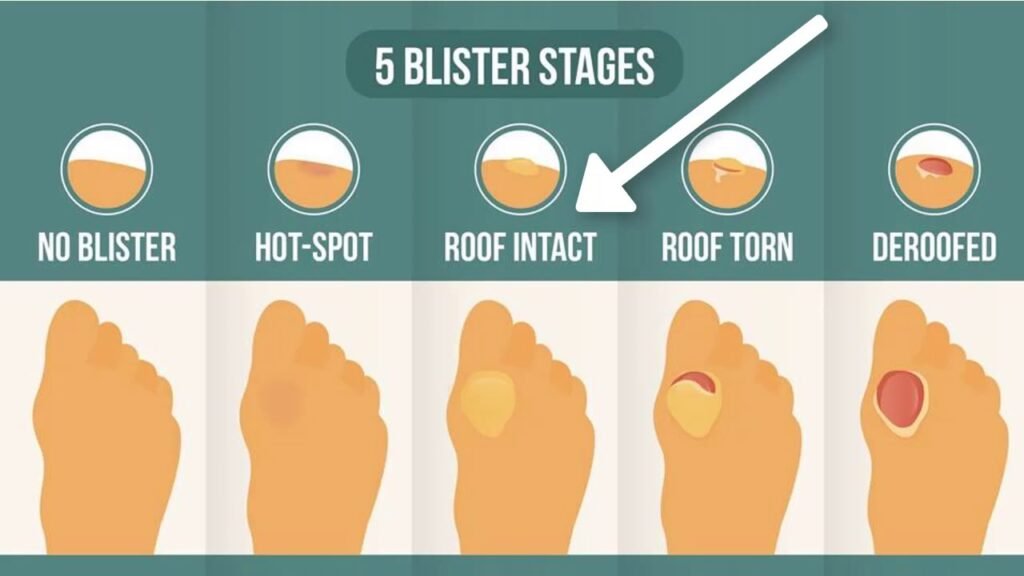
If you happen to develop a blister, it’s important to resist the urge to pop it right away. As tempting as it may be to relieve the pressure, popping a blister prematurely can increase the risk of infection and slow down the healing process. Instead, leave the blister intact and allow it to heal naturally. The blister acts as a protective barrier for the underlying skin, and by leaving it alone, you give your body the best chance to heal and repair the damaged area.
Clean the blister gently
When it comes to caring for a blister, gentle cleaning is key. Use a mild soap and lukewarm water to clean the area surrounding the blister. Gently pat the area dry with a clean towel, making sure not to rub or irritate the blister itself. It’s important to keep the area clean to prevent any bacteria or dirt from entering the blister and causing an infection. By practicing proper hygiene, you can promote healing and reduce the risk of complications.
Apply an antibiotic ointment
Once you’ve cleaned the blister, it’s a good idea to apply an antibiotic ointment or cream. This helps to prevent infection and aids in the healing process. Antibiotic ointments create a protective barrier over the blister, keeping bacteria at bay and allowing the body’s natural healing mechanisms to work effectively. Apply a thin layer of the ointment and cover the blister with a sterile bandage to ensure optimum protection.
Using Protective Bandages
Choose the right type of bandage
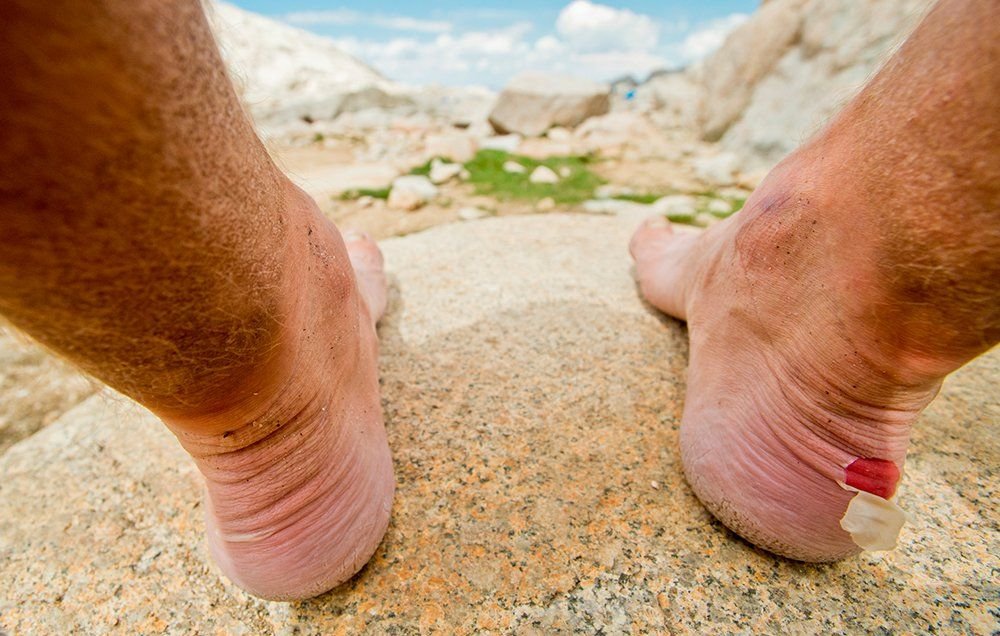
Choosing the right type of bandage is essential for effectively protecting and healing a blister. Look for adhesive bandages specifically designed for blisters, which provide a cushioning effect and help relieve pressure. Some bandages even contain gel pads that provide additional comfort and promote healing. Make sure the bandage is large enough to cover the entire blister without causing any unnecessary pressure or tightness.
Apply the bandage correctly
Proper application of the bandage is crucial to ensure maximum protection and healing. Start by cleaning the blister and the surrounding skin as mentioned earlier. Once the area is dry, carefully place the bandage over the blister, ensuring that it covers the entire affected area. Smooth out any air bubbles or wrinkles to ensure a secure and snug fit. Remember, the bandage should be comfortable and supportive without causing any discomfort or restricting movement.
Change the bandage regularly
Regularly changing the bandage is essential to maintain hygiene and promote healing. As the blister continues to heal, the bandage may become saturated with fluid or debris, increasing the risk of infection. Aim to change the bandage at least once a day or whenever it becomes dirty or wet. Before applying a new bandage, make sure to clean and dry the area properly to avoid introducing any contaminants.
Utilizing Compresses and Soaks
Apply a cool compress
Applying a cool compress can provide immediate relief and promote healing for painful blisters. Simply soak a clean cloth in cold water or wrap some ice cubes in a cloth and gently apply it to the blistered area. The cool temperature helps soothe the skin, reduce inflammation, and alleviate pain. Be sure not to apply ice directly to the skin to avoid frostbite. Leave the compress on for about 15 minutes at a time and repeat as needed throughout the day.
Try an Epsom salt soak
Epsom salt, named after the bitter saline spring in Epsom, England, has long been used for its soothing and healing properties. To utilize this remedy, fill a basin or tub with warm water and add a cup or two of Epsom salt. Stir the water to dissolve the salt and then soak your blistered foot in the mixture for about 15 minutes. The Epsom salt helps reduce inflammation, relieve pain, and promote healing. After the soak, gently pat the foot dry and apply a bandage if necessary.
Use an apple cider vinegar soak
Apple cider vinegar offers numerous health benefits, and it can also be used to treat blisters. Mix equal parts of apple cider vinegar and warm water in a basin or tub. Soak the affected foot in the solution for about 15 minutes. The acidic nature of the vinegar helps dry out the blister and prevent infection. After the soak, rinse the foot with plain water and pat dry. Remember to moisturize the area to prevent excessive drying of the skin.
Applying Topical Treatments
Use aloe vera gel
Aloe vera is well-known for its soothing and healing properties, making it an excellent choice for blister treatment. Extract the gel from a fresh aloe vera leaf or use a store-bought gel. Apply a generous amount of the gel directly to the blister and the surrounding area. Aloe vera promotes healing, reduces inflammation, and provides a protective barrier over the blister. Leave the gel to dry naturally and repeat the application several times a day for optimal results.
Apply tea tree oil
Tea tree oil is renowned for its anti-inflammatory and antiseptic properties, and it can be a valuable addition in the treatment of blisters. Dilute a few drops of tea tree oil with a carrier oil, such as coconut oil or almond oil, and apply it to the blister using a cotton swab or clean cloth. The tea tree oil helps to reduce inflammation, fight infection, and promote healing. Repeat the process a few times daily until the blister has healed completely.
Try a hydrocolloid blister plaster
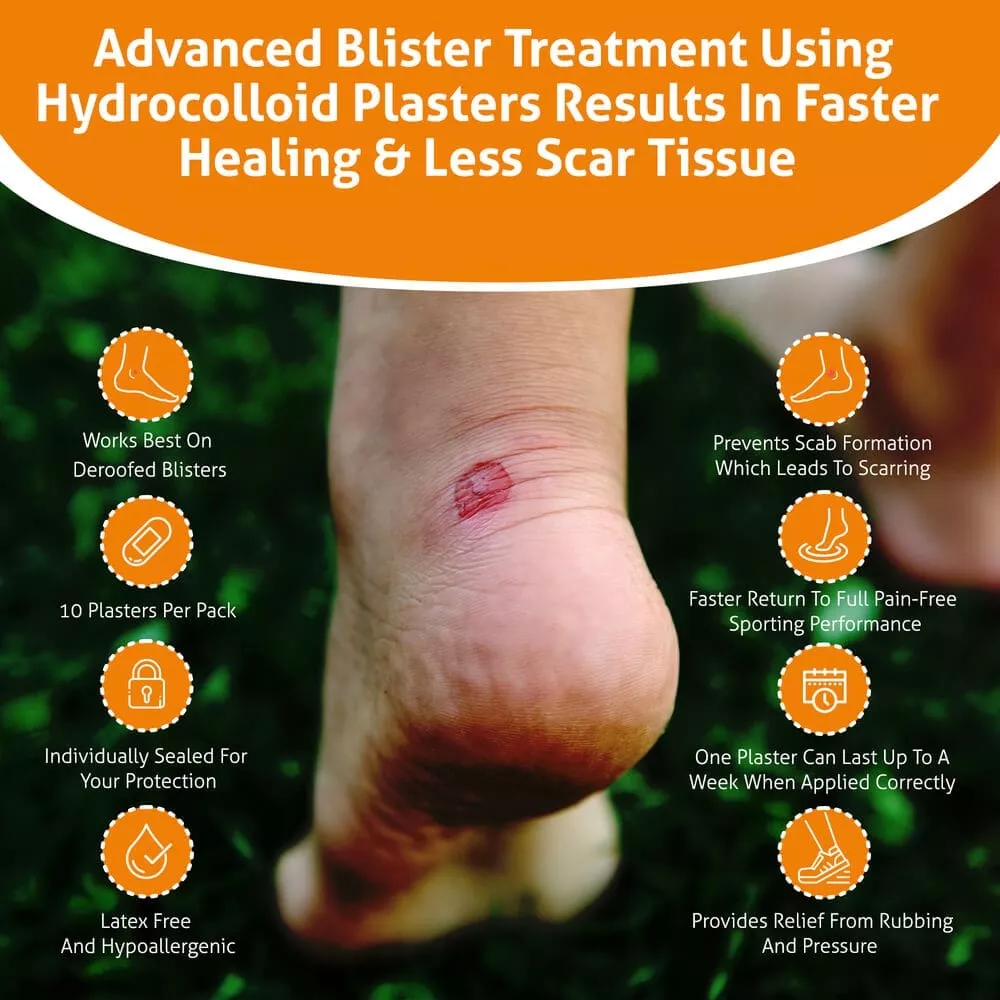
Hydrocolloid blister plasters are a highly effective option for promoting fast healing and relief from blisters. These specialized plasters contain a gel-like substance that creates a moist healing environment, which accelerates the skin’s natural healing process. Simply clean the blistered area, apply the hydrocolloid plaster over the blister, and leave it on until it naturally falls off. These plasters provide cushioning, absorb excess fluid, and protect the blister from further damage.
Using Over-the-Counter Remedies
Apply an antibiotic ointment
Over-the-counter antibiotic ointments, such as Neosporin or Bacitracin, can be used as a topical treatment for blister healing. Clean the blister and surrounding area, then apply a thin layer of the ointment. Cover the blister with a sterile bandage to protect it further. These ointments help prevent infection and hasten the healing process. Make sure to follow the instructions and take any precautions listed on the packaging to avoid any adverse reactions.
Use a blister-specific gel or spray
Specialized blister treatments in the form of gels or sprays are readily available at most pharmacies and sporting goods stores. These products are designed specifically for blisters and typically contain ingredients, such as lidocaine for pain relief and polymers for protective cushioning. Follow the instructions provided with the product, apply it to the blistered area, and cover with a bandage if necessary. These treatments offer targeted relief and protection, allowing you to continue with your activities comfortably.
Try a pain-relieving spray
Pain-relieving sprays can provide immediate relief from blister discomfort. Look for sprays that contain ingredients like benzocaine or lidocaine, which help numb the affected area. Simply spray the product onto the blister as directed and allow it to dry. Pain-relieving sprays are particularly useful for blisters that make walking or daily activities challenging. Remember to read and follow the instructions carefully, and discontinue use if any adverse reactions occur.
Natural Remedies for Blisters
Sometimes nature provides us with remedies that can be just as effective as over-the-counter treatments. Consider trying the following natural remedies to heal your blisters:
Apply honey or turmeric paste
Honey and turmeric both have antimicrobial and anti-inflammatory properties, making them excellent natural remedies for blisters. Mix a small amount of honey or turmeric powder with clean water to create a paste. Apply the paste to the blister and cover it with a bandage. Honey and turmeric promote healing, reduce inflammation, and help prevent infection. Leave the paste on for a few hours or overnight before gently cleaning and reapplying fresh paste.
Use aloe vera or coconut oil
In addition to the topical treatment mentioned earlier, aloe vera and coconut oil can also be used individually for blister healing. Apply either aloe vera gel or coconut oil directly to the blister, ensuring it covers the entire affected area. Aloe vera soothes and cools the blister, while coconut oil offers antibacterial properties and helps maintain skin health. Both natural remedies are safe, gentle, and can be applied multiple times a day until the blister has healed.
Try green tea bags
Green tea contains antioxidants and anti-inflammatory compounds that can aid in blister healing. Brew a cup of green tea and allow it to steep until it cools. Remove the tea bags and place them in the refrigerator for about 30 minutes. Once chilled, gently press the cold tea bags against the blistered area for several minutes. The cool temperature and compounds in the tea can provide relief from pain and inflammation. Repeat the process a few times daily until the blister has healed.
Popping and Draining Blisters
Consider popping a large or painful blister
While it’s generally recommended to leave blisters intact, there are instances where it may be necessary to carefully pop a large or painful blister. If the blister is causing significant discomfort or hindering daily activities, draining it may provide immediate relief. Before attempting this, it’s crucial to ensure proper sterilization of both the blister and the equipment used.
Sterilize a needle or pin
To safely pop a blister, start by sterilizing a needle or pin using rubbing alcohol or by heating it over a flame until red hot. Allow the needle or pin to cool before proceeding. Clean the blister and the surrounding area with mild soap and water, then swab the blister and the needle with rubbing alcohol. Gently puncture the side of the blister with the sterilized needle, creating a small hole for the fluid to drain. Be careful not to remove the entire blister, as the skin underneath is still delicate and needs protection.
Drain the blister carefully
After creating a small hole, apply gentle pressure to the blister to release the fluid. Use a clean cloth or sterile gauze to absorb the drainage. Avoid applying excessive pressure or forcefully squeezing the blister, as this can cause further damage. Once the fluid has drained, gently cleanse the area again with mild soap and water, and apply an antibiotic ointment. Protect the area with a sterile bandage to prevent infection and promote healing.
Seeking Medical Treatment
Consult a healthcare professional for severe blisters
In certain cases, such as if you have a large or unusually painful blister, it may be prudent to seek medical advice. A healthcare professional can assess the severity of the blister and provide appropriate treatment recommendations. They may choose to drain the blister in a controlled and sterile environment or prescribe medications to alleviate pain and promote healing. If you’re unsure about the best course of action or if the blister is causing significant discomfort and affecting your daily life, reaching out to a healthcare professional is a smart decision.
Get medical help for infected blisters
If a blister becomes infected, it’s crucial to seek medical help promptly. Signs of infection include increased redness, swelling, pus, warmth, or worsening pain. An infected blister requires medical attention as it may require oral antibiotics or other interventions to prevent further complications. Never attempt to drain an infected blister yourself, as it can lead to further infection and potential harm.
Consider medical intervention for chronic blisters
If you frequently experience chronic blisters or have a medical condition that makes blister formation common, it may be beneficial to consult with a healthcare professional for ongoing management. They can help identify potential underlying causes and provide tailored solutions, such as orthotic shoe inserts or specialized footwear, to prevent recurring blisters. Medical intervention can effectively address chronic blister issues and improve your overall comfort and quality of life.
Preventing Infection and Promoting Healing
Keep the blister clean and dry
To prevent infection and promote healing, it’s crucial to keep the blister clean and dry. Follow the proper blister care techniques mentioned earlier, including gentle cleaning and application of an antibiotic ointment. After any wet treatments, ensure the area is thoroughly dried before reapplying a bandage or allowing air exposure. By maintaining a clean and dry environment, you can minimize the risk of infection and allow the blister to heal naturally.
Avoid picking or peeling the blister
It’s important to resist the urge to pick or peel the blister, as this can lead to infection and delay the healing process. Picking at the skin can also cause further damage and increase the risk of scarring. Allow the blister to heal naturally and do not intentionally remove any skin or fluid. The body has remarkable healing abilities, and by practicing patience and restraint, you can aid the healing process and ensure the best possible outcome.
Monitor for signs of infection
While it’s crucial to take the necessary steps to prevent infection, it’s equally important to monitor the blister for any signs of infection or complications. Watch for increased redness, swelling, warmth, drainage or pus, and worsening pain. If you notice any of these symptoms, seek medical attention promptly. Early detection and proper treatment of a potential infection are vital for a quick and complete recovery.
In conclusion, blisters can be incredibly uncomfortable, but with the right prevention and care techniques, you can minimize their impact and promote quick healing. Remember to choose the right shoes, wear moisture-wicking socks, and use lubricant or tape in problem areas to prevent blisters from forming in the first place. If a blister does occur, proper care, such as leaving it intact, cleaning it gently, and applying an antibiotic ointment, is essential. Additionally, utilizing protective bandages, compresses and soaks, topical treatments, over-the-counter remedies, natural remedies, or seeking medical treatment when necessary can all aid in the healing process. By following these tips and taking steps to prevent infection, you’ll be well on your way to healing your blisters quickly and getting back to enjoying your everyday activities.