
Feeling bloated can be uncomfortable and inconvenient, but luckily, there are effective home remedies that can help alleviate this unpleasant sensation. In this article, you will discover some simple and natural ways to combat bloating and achieve relief. From herbal teas to gentle exercises, these remedies are easily accessible and can provide quick and lasting results. Say goodbye to that uncomfortable feeling and hello to a happier, more comfortable you with these effective home remedies for bloating. Bloating can be an uncomfortable and frustrating condition to deal with. Whether it’s caused by overeating, digestive issues, or certain food intolerances, finding relief from bloating is essential to feeling your best. Fortunately, there are many simple and natural remedies that can help alleviate bloating and promote better digestive health. In this article, we will explore various food remedies, drink remedies, herbal remedies, spices and herbs, yogurt and probiotics, fiber-rich foods, exercises, digestive enzymes, and proper eating habits that can all contribute to reducing bloating and improving your overall well-being.

Food Remedies
Ginger, peppermint, and fennel seeds are all excellent food remedies for bloating.
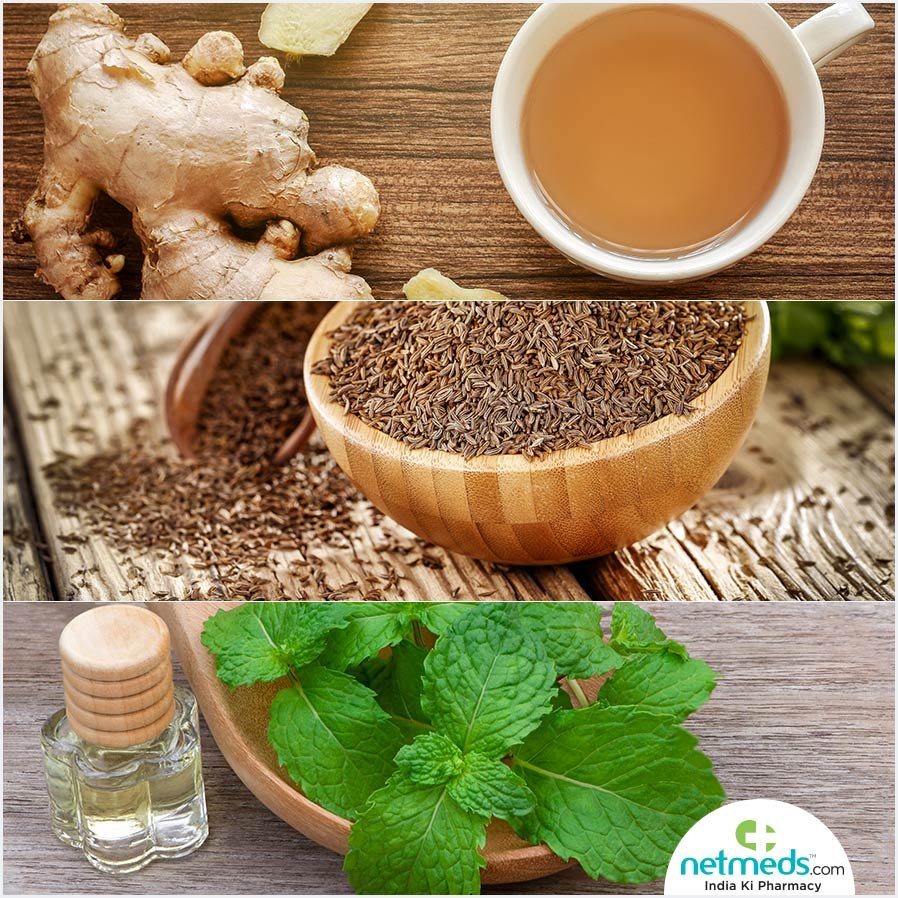
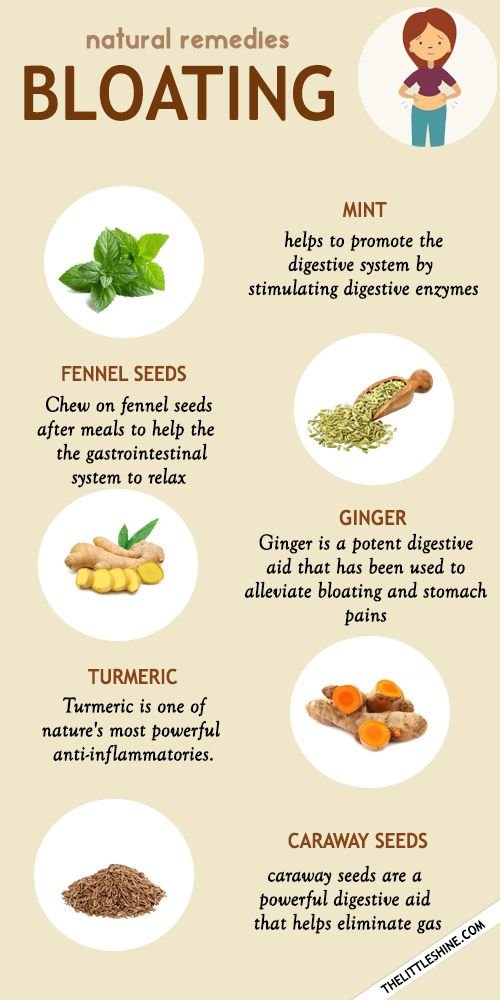
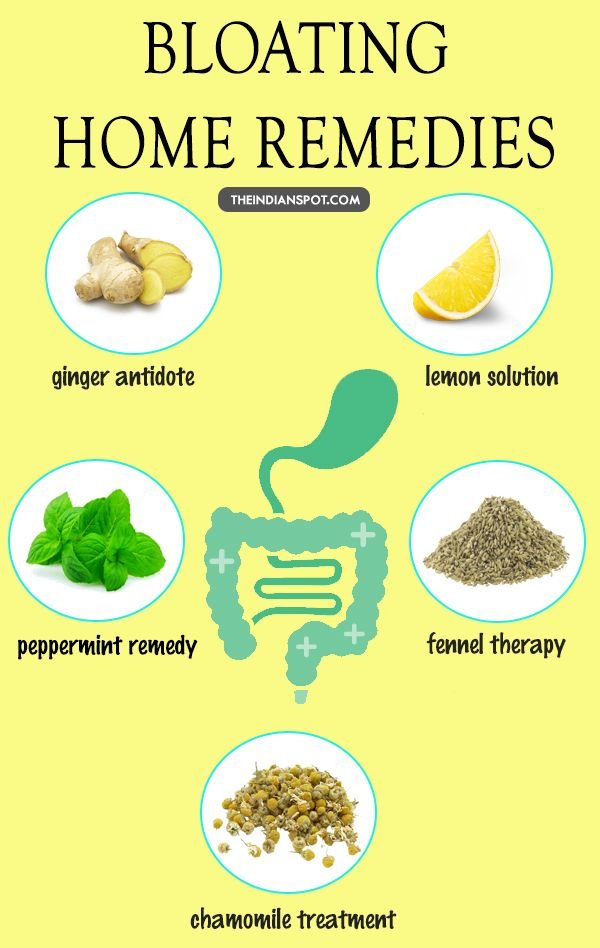
Ginger, known for its anti-inflammatory properties, is a popular natural remedy for digestive issues. It helps relax the muscles in your gastrointestinal tract, which can reduce symptoms of bloating. You can consume ginger by adding it to your meals, drinking ginger tea, or taking ginger supplements.
Peppermint is another effective remedy for bloating. Its natural antispasmodic properties can help relax the muscles of the digestive system and relieve symptoms of bloating. You can enjoy peppermint by sipping on peppermint tea, adding fresh mint leaves to your water or meals, or using peppermint essential oil in a diffuser.
Fennel seeds have been used for centuries as a remedy for various digestive disorders, including bloating. Chewing on a teaspoon of fennel seeds after meals can help stimulate digestion, reduce bloating, and relieve gas. You can also brew fennel seed tea by adding a teaspoon of crushed fennel seeds to a cup of boiling water and steeping for 10 minutes.
Drink Remedies
Warm water with lemon, chamomile tea, and peppermint tea are all soothing drink remedies that can aid in relieving bloating.
Starting your day with a cup of warm water with lemon can help stimulate digestion and flush out toxins from your system. The acidity of lemon activates the production of digestive enzymes, which can promote better digestion and reduce bloating. Squeeze half a lemon into a cup of warm water and drink it first thing in the morning on an empty stomach.
Chamomile tea is a popular herbal tea that has been used for centuries to treat digestive issues. It has anti-inflammatory properties that can help soothe the digestive system and ease bloating. Brew a cup of chamomile tea by steeping a chamomile tea bag in hot water for 5-10 minutes and enjoy it after a meal or before bedtime.
Similar to peppermint as a food remedy, peppermint tea can also be consumed as a drink remedy for bloating. The menthol in peppermint tea has a relaxing effect on the muscles of the gastrointestinal tract, which can relieve bloating and improve digestion. Steep a peppermint tea bag in hot water for 5-10 minutes and enjoy it after a meal or anytime you experience bloating.

Herbal Remedies
Chamomile, ginger, and peppermint are three herbal remedies that can effectively reduce bloating and promote better digestive health.
Chamomile, as mentioned earlier, has anti-inflammatory properties that make it an excellent remedy for bloating. It can relax the muscles of the gastrointestinal tract and reduce inflammation and irritation in the digestive system. You can enjoy chamomile as a tea or take it in the form of chamomile supplements.
Ginger, with its digestive benefits, is also a powerful herbal remedy for bloating. Its anti-inflammatory properties can help reduce inflammation in the digestive system and relieve bloating. As mentioned previously, ginger can be consumed in various forms such as tea, supplements, or added to meals and recipes.
Peppermint, whether as a food remedy or drink remedy, is a versatile herbal remedy for bloating. Its antispasmodic properties can help relax the muscles in the gastrointestinal tract and relieve symptoms of bloating. You can enjoy peppermint in the form of tea, supplements, or essential oil.
Spices and Herbs
Turmeric, cumin, and coriander are three spices and herbs that can aid in reducing bloating and improving digestion.
Turmeric, known for its vibrant yellow color and numerous health benefits, contains curcumin, a compound with potent anti-inflammatory properties. Inflammation in the digestive system can contribute to bloating, and turmeric can help reduce inflammation and relieve bloating. You can add turmeric powder to your meals, smoothies, or take it in the form of supplements.
Cumin, a commonly used spice in many cuisines, has been traditionally used as a digestive aid. It can help stimulate the production of digestive enzymes, reduce gas production, and alleviate bloating. Adding cumin powder or seeds to your cooking can enhance the flavor of your meals while also benefiting your digestive health.
Coriander, also known as cilantro, is an herb that has been used in traditional medicine for its digestive properties. It contains essential oils that can help relax the muscles of the digestive system, reduce bloating, and relieve gas. You can include fresh coriander leaves in your salads, soups, or smoothies, or sprinkle ground coriander seeds into your cooking.
Yogurt and Probiotics
Plain yogurt, kefir, and sauerkraut are all rich sources of probiotics that can assist in reducing bloating and promoting a healthy gut.
Plain yogurt is an excellent source of beneficial bacteria known as probiotics. These bacteria help restore the natural balance of your gut flora, which can improve digestion, reduce bloating, and alleviate other digestive issues. Opt for plain, unsweetened yogurt and enjoy it as a snack or incorporate it into your meals and recipes.
Kefir, a fermented milk drink, is packed with a variety of probiotic strains that can promote a healthy gut and reduce bloating. It contains higher levels of probiotics compared to yogurt, making it an even more potent remedy for digestive issues. You can drink kefir on its own or blend it into smoothies for a refreshing and gut-friendly treat.
Sauerkraut, a type of fermented cabbage, is also rich in probiotics that can support a healthy gut and alleviate bloating. The fermentation process enhances the probiotic content of sauerkraut, making it a natural remedy for digestive issues. Include sauerkraut as a side dish or topping in your meals to reap its digestive benefits.
Fiber-rich Foods
Whole grains, beans and legumes, and vegetables and fruits are all fiber-rich foods that can aid in reducing bloating and improving digestion.
Whole grains, such as oats, brown rice, and quinoa, are packed with dietary fiber that can promote regular bowel movements and prevent constipation, which can lead to bloating. Incorporate whole grains into your meals as a source of carbohydrates and fiber to support a healthy digestive system.
Beans and legumes, including lentils, chickpeas, and black beans, are excellent sources of both soluble and insoluble fiber. Soluble fiber helps regulate bowel movements, while insoluble fiber adds bulk to the stool and promotes regularity. Enjoy beans and legumes in soups, salads, or as a main dish for a fiber-rich and satisfying meal.
Vegetables and fruits are naturally rich in fiber and can contribute to better digestion and reduced bloating. Leafy greens, broccoli, berries, and apples are particularly high in fiber and can aid in maintaining a healthy gut. Incorporate a variety of vegetables and fruits into your daily meals and snacks for a well-rounded and fiber-packed diet.
Avoid Problematic Foods
Dairy, processed foods, and carbonated drinks are common culprits of bloating and should be avoided or consumed in moderation.
Dairy products, especially those containing lactose, can be difficult for some people to digest, leading to bloating and gas. If you experience bloating after consuming dairy, consider reducing or eliminating dairy from your diet. Alternatively, you can opt for lactose-free dairy products or dairy alternatives like almond milk or coconut milk.
Processed foods, high in unhealthy fats, sugar, and artificial additives, can disrupt the natural balance of your gut flora and contribute to bloating. These foods are often low in fiber and nutrients, making them harder to digest. Limit your intake of processed foods and focus on whole, unprocessed foods for a healthier digestive system.
Carbonated drinks like soda and fizzy beverages can introduce air into your digestive system, leading to bloating and discomfort. Additionally, many carbonated drinks contain artificial sweeteners, which can disrupt the balance of gut bacteria and contribute to digestive issues. Opt for still or infused water, herbal tea, or natural fruit juices as healthier alternatives to carbonated drinks.
Gas-reducing Exercises
Engaging in physical exercises that target the abdominal area and improve digestion can help reduce bloating and gas.
Walking is a low-impact exercise that can stimulate digestion and relieve bloating. Take a brisk walk after a meal to help your body digest food more efficiently and prevent bloating. Walking also helps relieve stress, which can have a positive impact on your digestive system.
Bicycling, whether outdoors or on a stationary bike, can help relieve bloating by stimulating the muscles of your gastrointestinal tract. This form of exercise can aid in moving gas through your digestive system and alleviate symptoms of bloating. Consider incorporating cycling into your exercise routine for improved digestion.
Certain yoga poses, such as Child’s Pose, Wind-Relieving Pose, and Seated Forward Bend, can specifically target the abdominal muscles and stimulate digestion. These poses can help release trapped gas, reduce bloating, and relieve digestive discomfort. Practice these poses regularly for optimal digestive health.
Digestive Enzymes
Papain, bromelain, and amylase are three digestive enzymes that can assist in breaking down food and reducing bloating.
Papain, derived from the papaya fruit, is a powerful digestive enzyme that can help break down proteins and improve digestion. It can be taken in the form of papaya enzyme supplements, which are available in health stores or online. Taking papain supplements before meals can support proper digestion and reduce bloating.
Bromelain, found in pineapple, is another digestive enzyme that aids in the breakdown of proteins. Like papain, bromelain supplements can be taken before meals to enhance digestion and minimize bloating. Consult with a healthcare professional before incorporating bromelain supplements into your routine, especially if you have any existing digestive conditions.
Amylase is an enzyme that helps break down carbohydrates into simpler sugars for better absorption and digestion. It is naturally produced by the body and can also be found in certain foods, such as bananas and sprouted grains. Consuming foods rich in amylase or considering amylase supplements can assist in reducing bloating and promoting better carbohydrate digestion.
Proper Eating Habits
In addition to the various remedies mentioned above, adopting proper eating habits can greatly contribute to reducing bloating and improving your digestive health.
Chewing food thoroughly is an essential habit that allows for better digestion. Properly breaking down your food by chewing it well can aid in the initial stages of digestion, making it easier for your stomach and intestines to process. Take your time while eating and make a conscious effort to thoroughly chew each bite of food.
Slowing down while eating can also promote better digestion and prevent bloating. Eating too quickly can lead to swallowing excess air, which can contribute to bloating and gas. Take your time with each meal, savoring the flavors and textures of your food, and allowing your body to properly digest.
Overeating can overwhelm your digestive system and lead to bloating and discomfort. Practice portion control and listen to your body’s cues of hunger and fullness. Be mindful of the amount of food you consume and stop eating when you feel satisfied, rather than overly full.
In conclusion, bloating can be effectively managed and reduced through various natural remedies and lifestyle practices. Incorporate food remedies like ginger, peppermint, and fennel seeds into your diet, and try drink remedies such as warm water with lemon, chamomile tea, and peppermint tea to alleviate bloating. Herbal remedies like chamomile, ginger, and peppermint can also provide relief. Spices and herbs like turmeric, cumin, and coriander can aid digestion. Including yogurt, kefir, and sauerkraut in your diet provides beneficial probiotics. Fiber-rich foods like whole grains, beans and legumes, and vegetables and fruits support healthy digestion. Avoiding problematic foods such as dairy, processed foods, and carbonated drinks can also reduce bloating. Engaging in gas-reducing exercises like walking, bicycling, and practicing yoga poses can stimulate digestion. Digestive enzymes like papain, bromelain, and amylase can assist in breaking down food. Finally, adopting proper eating habits like chewing food thoroughly, slowing down while eating, and avoiding overeating can further support better digestion and reduce bloating. By incorporating these remedies and practices into your daily routine, you can find relief from bloating and enhance your overall digestive health.