
When it comes to traveling, there’s nothing quite like embarking on an exciting adventure and exploring new places. But amidst all the thrill and anticipation, it’s important to prioritize your health, especially when it comes to preventing blood clots. These seemingly innocent yet potentially dangerous formations can occur during long journeys, such as prolonged flights or road trips. In this article, we’ll explore some practical tips and precautions you can take to keep yourself safe and comfortable while traveling.

Preventing Blood Clots during Travel
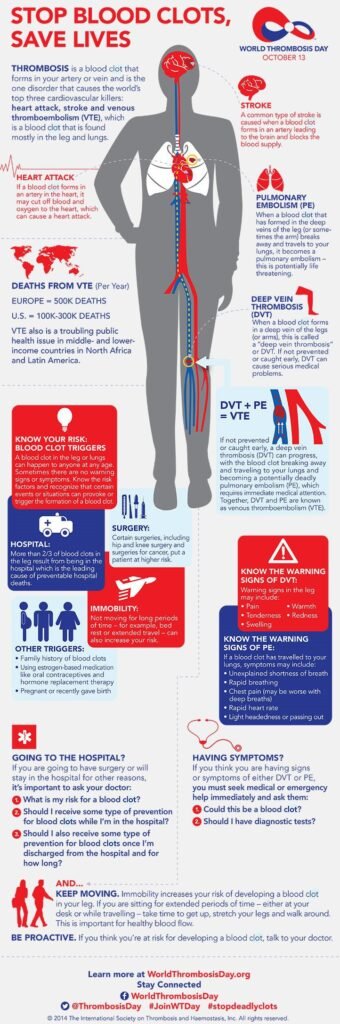
As you embark on your travel adventures, it is important to be aware of the potential risk of blood clots. Blood clots, also known as deep vein thrombosis (DVT), can occur when the blood flow in your veins becomes sluggish, leading to the formation of a clot. These clots can be dangerous as they can travel to other parts of the body, such as the lungs, and result in life-threatening complications. However, with some simple prevention measures, you can significantly reduce the risk of blood clots during your travels.
Understanding Blood Clots
To effectively prevent blood clots, it is essential to understand what they are and how they can affect your health. Blood clots are semi-solid masses that can develop in the veins, obstructing the normal blood flow. There are two main types of blood clots: deep vein thrombosis (DVT) and superficial vein thrombosis (SVT).
DVT occurs in the deep veins, usually in the legs, and can be a serious concern if left untreated. SVT, on the other hand, affects the veins close to the skin’s surface and is less likely to lead to severe complications. Nonetheless, both types of blood clots should be taken seriously and prevented whenever possible.
Blood clots can lead to various dangers and complications, such as pulmonary embolism, which occurs when a blood clot travels to the lungs and blocks the blood vessels. This condition can cause difficulty breathing, chest pain, and can even be fatal. It is crucial to recognize the risk factors for blood clots during travel and take appropriate measures to prevent them.

Risk Factors for Blood Clots during Travel
Several factors can increase your risk of developing blood clots during travel. Understanding these risk factors can help you take necessary precautions and make informed decisions to protect your health.
Prolonged immobility is one of the primary risk factors for blood clots. When you sit or remain in a confined space for an extended period, such as during long flights or road trips, the blood flow in your legs can become sluggish, increasing the likelihood of clot formation. Dehydration also contributes to blood clot risk, as it thickens the blood and makes it more prone to clotting.
Age and gender can also play a role in blood clot development. People over the age of 40 and women who are pregnant or taking hormonal contraceptives are more susceptible to blood clots. Additionally, obesity, smoking, and certain medical conditions, such as cancer, heart disease, and clotting disorders, can increase your risk.
Recognizing the Symptoms
It is important to be able to recognize the symptoms of blood clots so that you can seek medical attention promptly if needed. Some common symptoms include swelling and tenderness in the affected leg, pain and warmth in the area, and redness or discoloration of the skin. Superficial vein thrombosis may also cause a visible red, tender, and hard vein just below the skin’s surface.
If you experience any of these symptoms, especially during or after travel, it is crucial to consult a healthcare professional for an accurate diagnosis and appropriate treatment.

General Prevention Measures
To minimize the risk of blood clots during travel, there are several general prevention measures you can adopt. First and foremost, it is advisable to consult with a healthcare provider before your trip. They can evaluate your specific risk factors and provide tailored advice to ensure your safety.
Maintaining a healthy lifestyle is also essential in preventing blood clots. This includes regular exercise, a balanced diet, and managing any underlying medical conditions. Before your trip, avoid heavy meals that can make you feel sluggish and increase the chances of blood pooling in your legs.
Choosing the right clothing can make a difference as well. Opt for loose-fitting clothing that allows for proper circulation and avoids tight clothes that can restrict blood flow. It is also important to avoid alcohol and caffeine, as they can contribute to dehydration and increase the risk of blood clots.
If you are a smoker, consider quitting before your travels. Smoking not only increases your risk of blood clots but also poses numerous other health risks. Lastly, practicing leg exercises regularly can promote healthy blood flow. Simple exercises like ankle rotations, calf raises, and knee lifts can be done while seated and can help prevent blood clots.
Choosing the Right Travel Gear
Investing in the right travel gear can significantly reduce your risk of blood clots. Compression stockings are highly recommended, especially for long flights or road trips. These stockings help improve circulation by applying pressure to your legs, reducing the chances of clot formation. Make sure to consult a healthcare professional to find the right fit and compression level for your needs.
In addition to compression stockings, there are various leg exercise aids available that can help stimulate blood flow during travel. These devices, such as mini pedal exercisers, can be used while seated and provide a convenient way to keep your legs active.
Consider using footrests or leg rests to elevate your legs while sitting, as this can help reduce swelling and promote better circulation. Additionally, a travel pillow can provide support for your neck and promote better posture, preventing discomfort and minimizing the risk of blood clots.
Maintaining Good Hydration
Staying properly hydrated is crucial for preventing blood clots during travel. Hydration helps keep your blood flow optimal and prevents it from thickening, reducing the chances of clot formation. It is important to avoid alcohol and caffeine, as they can contribute to dehydration.
Ensure you drink sufficient amounts of water throughout your journey. The exact amount needed varies depending on individual factors and the duration of your travel, but aim to drink at least eight ounces of water every hour. Consider carrying a refillable water bottle and take regular sips to stay hydrated.
Using moisturizers can also help maintain good hydration, especially for your skin. Dry skin can become more prone to irritation and can potentially lead to blood clots. Applying lotion or moisturizer to your legs and other body parts can help keep your skin hydrated and healthy.
Exercising and Stretching
Regular exercise is not only beneficial for your overall health but also plays a crucial role in preventing blood clots during travel. Exercise helps promote healthy blood flow and prevents blood from pooling in your legs.
While on a flight or road trip, in-seat exercises can be done to keep your muscles engaged and your blood flowing. Simple movements like circling your ankles, flexing and extending your toes, and contracting and releasing your calf muscles can be done discreetly and help prevent blood clots.
Whenever possible, take breaks to stand up, walk around, and stretch your legs. This can be especially important during long flights or road trips. Walking for a few minutes every hour or so can significantly reduce the risk of blood clots.

Avoiding Extended Periods of Sitting
Extended periods of sitting can increase your risk of blood clots, which is why it is important to take certain precautions during your travels. When booking your seat on a flight, choose an aisle seat if possible. This allows for easier movement and gives you the freedom to walk around or stretch whenever necessary.
If traveling by car, plan frequent stops along your route. This provides an opportunity to get out of the vehicle, stretch your legs, and allow for better blood circulation. Even a short walk or stretch at rest stops can significantly reduce the risk of blood clots.
While seated, make an effort to change your sitting position frequently. Sitting with your legs crossed for extended periods can impede blood flow and increase the chances of blood clot formation. Using lumbar support can also help maintain proper posture and minimize the risk of blood clots.
In-Flight Prevention Tips
When traveling by air, there are additional prevention tips you can follow to reduce the risk of blood clots during your flight. In addition to the general prevention measures mentioned earlier, consider the following:
- Avoid tight clothing, as it can restrict blood flow.
- When seated, elevate your legs by using a footrest or placing your carry-on bag under the seat in front of you.
- Use the available space to stand up, walk around, and stretch whenever possible. Take advantage of bathroom breaks as an opportunity to move.
- Avoid crossing your legs for prolonged periods. Instead, keep your feet flat on the floor or rest them on a footrest.
- Consider wearing compression stockings to help improve circulation.
- If you have a long flight, try to get an aisle seat for easy access and more frequent movement opportunities.
Prevention Tips for Long Road Trips
If you are embarking on a long road trip, it is important to take specific prevention measures to reduce the risk of blood clots. In addition to the general prevention measures mentioned earlier, consider the following tips:
- Plan frequent stops along your route and take breaks to get out of the car, stretch, and walk around.
- Perform in-car exercises, such as ankle rotations, knee raises, and seated leg extensions.
- Adjust your seat position periodically to promote better blood circulation.
- Avoid excessive heat in the car by using air conditioning or opening windows to maintain a comfortable temperature.
- If your vehicle has cruise control, utilize it whenever possible to give your legs a break and reduce the chances of blood clot formation.
By following these comprehensive prevention measures and taking appropriate precautions, you can greatly reduce the risk of blood clots during your travels. Remember to consult with a healthcare provider before your trip and to seek medical attention promptly if you experience any symptoms or concerns. Safe travels!