
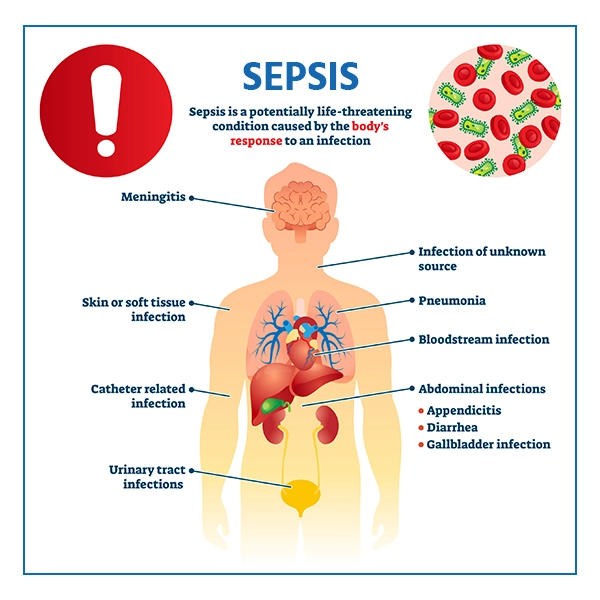
You never thought it could happen to you, but here you are, grappling with the terrifying reality of blood poisoning, also known as sepsis. You can feel the urgency in your racing heartbeat as you frantically search for answers on how to seek immediate treatment. In this article, we will shed light on the warning signs of blood poisoning, the importance of seeking urgent medical attention, and the steps you can take to ensure your safety and well-being. So, take a deep breath, because help is on the way.

Recognizing the Symptoms
Fever
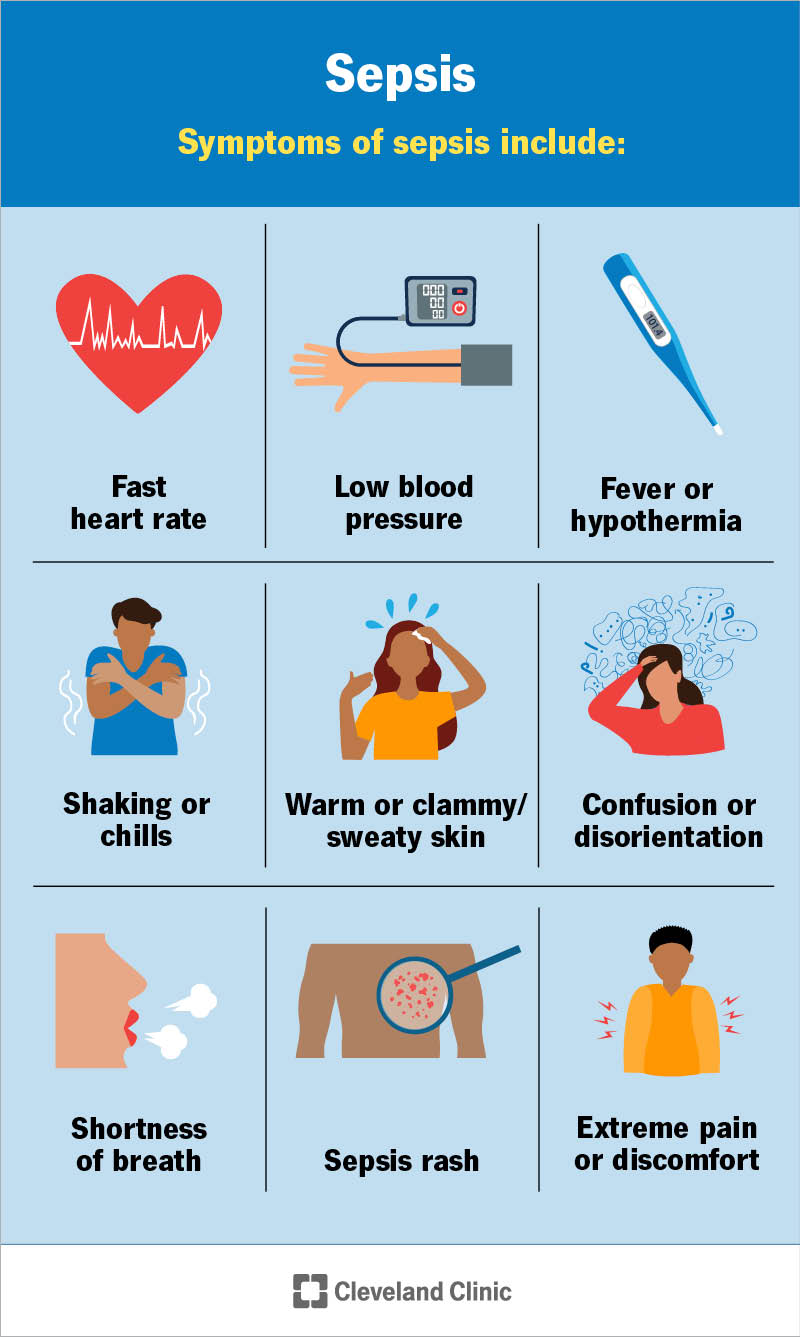
Fever is one of the key symptoms of blood poisoning, also known as sepsis. It is characterized by an elevated body temperature above the normal range. When you have a fever, your body is fighting an infection, and it may be an indication of blood poisoning. So, if you notice a sudden increase in body temperature, it’s important to pay attention and consider seeking medical help.
Rapid heartbeat
Another symptom of blood poisoning is a rapid heartbeat, also known as tachycardia. When your body is under an infection, your heart works harder to pump more blood to different parts of your body. This increased workload can lead to a rapid heartbeat. If you feel like your heart is racing, it’s crucial to take it seriously as it could be a sign of a severe infection like blood poisoning.
Rapid breathing
Blood poisoning can also cause rapid breathing, medically known as tachypnea. When your body is fighting an infection, it increases the rate at which you breathe in order to provide more oxygen to your tissues. If you find yourself breathing faster than usual without any apparent physical activity, it’s essential to recognize it as a potential symptom of blood poisoning.
Confusion
One of the more alarming symptoms of blood poisoning is confusion. It can manifest as difficulty focusing, trouble finding words, or a general disorientation. When your body is overwhelmed by an infection, it can affect the normal functioning of your brain, leading to confusion. If you or someone you know experiences sudden confusion, it’s crucial to seek immediate medical attention.
Chills and shivering
Chills and shivering are common symptoms of blood poisoning as the body tries to raise its temperature to fight off the infection. The sudden sensation of feeling extremely cold and uncontrollable shivering should not be ignored. If you experience chills and shivering along with other symptoms, it’s important to consider the possibility of blood poisoning and seek medical help promptly.
Seeking Medical Help
Emergency room
If you suspect you have blood poisoning, seeking immediate medical help is crucial. The first place to consider is the emergency room of your local hospital. Emergency rooms are equipped to handle serious and potentially life-threatening conditions like blood poisoning. They have the necessary resources and medical professionals who can quickly assess your condition and provide appropriate treatment.
Primary care physician
If the symptoms of blood poisoning are not severe or life-threatening, you may choose to see your primary care physician. Primary care physicians are trained to diagnose and treat various illnesses, including infections. They can provide initial evaluation and determine the best course of action. If your primary care physician is unavailable, their office can usually direct you to another healthcare provider who can accommodate you promptly.
Urgent care clinic
Urgent care clinics are a convenient option for seeking medical help for blood poisoning. They offer walk-in availability without the need for prior appointments. Urgent care clinics are equipped to handle a wide range of illnesses and injuries, including infections like blood poisoning. Healthcare professionals at urgent care clinics can assess your symptoms and provide timely treatment to prevent complications.

Emergency Room Treatment
Immediate assessment
Upon arriving at the emergency room, the medical staff will perform an immediate assessment of your condition. They will ask about your symptoms, medical history, and any recent infections or illnesses. This assessment helps them gather important information to determine the severity of the blood poisoning and develop an appropriate treatment plan.
Blood tests
To confirm the diagnosis of blood poisoning, blood tests are necessary. These tests can detect elevated levels of white blood cells, which indicate an infection. Additionally, blood cultures may be taken to identify the specific bacteria causing the infection. These tests provide valuable information for the healthcare team to guide treatment decisions.
Intravenous fluids
Intravenous (IV) fluids play a crucial role in the treatment of blood poisoning. Since the body loses fluids during an infection, IV fluids help maintain hydration and provide essential nutrients. The fluids also help flush out toxins and support organ function. In severe cases, IV fluids may be administered rapidly to stabilize the patient’s condition.
Antibiotics
Antibiotics are an essential component of the treatment for blood poisoning. They help fight the infection and prevent it from spreading further. In the emergency room, antibiotics are often administered intravenously to rapidly deliver them into the bloodstream. The specific antibiotic prescribed will depend on the type of infection and the bacteria causing it.
Primary Care Physician Evaluation
Appointment scheduling
When seeking evaluation from a primary care physician for blood poisoning, it’s important to schedule an appointment promptly. Many primary care physicians have same-day or next-day availability for urgent cases. Inform the receptionist about your symptoms and the urgency of your condition to ensure you are seen as soon as possible.
Physical examination
During the evaluation, your primary care physician will conduct a physical examination to assess your overall health and any signs of infection. They will examine vital signs, such as body temperature, heart rate, and respiratory rate, to monitor your condition. They may also examine specific areas that may be affected by the infection, such as skin wounds or sites of infection.
Diagnostic tests
To further evaluate blood poisoning, your primary care physician may order diagnostic tests. These may include blood tests to check for elevated white blood cell count and markers of infection. Depending on the severity and possible source of infection, additional tests such as imaging studies or cultures may be ordered. The results will help guide the treatment plan.
Urgent Care Clinic Services
Walk-in availability
One of the convenient aspects of urgent care clinics is their walk-in availability. You can seek medical attention for blood poisoning without having to schedule an appointment in advance. This can be particularly beneficial when you need immediate evaluation but do not require emergency room services.
Basic evaluation
At an urgent care clinic, the healthcare professionals will conduct a basic evaluation of your symptoms and condition. They will inquire about your medical history, current symptoms, and any recent infections. The evaluation may include vital sign measurements, physical examination, and review of test results, if available. Based on this evaluation, they can formulate a treatment plan tailored to your specific needs.
Prescription medications
Urgent care clinics have the ability to prescribe medications for various conditions, including blood poisoning. If antibiotics are deemed necessary, the healthcare providers at the clinic can prescribe the appropriate medication to combat the infection. They will consider factors such as the type of infection, the bacteria involved, and any allergies you may have to ensure safe and effective treatment.
Hospitalization and Intensive Care
Admission to hospital
In severe cases of blood poisoning, hospitalization may be required. Admission to the hospital allows for close monitoring and specialized care. The decision to admit a patient depends on the severity of the infection, the presence of organ dysfunction, and other risk factors. Hospitalization ensures access to intensive medical interventions and a multidisciplinary approach to treatment.
Intensive care unit (ICU)
For critically ill patients with blood poisoning, or septic shock, admission to the intensive care unit (ICU) may be necessary. ICU provides advanced monitoring and specialized care for patients requiring life-support systems. The highly trained medical team in the ICU closely monitors vital signs, administers medications, and intervenes rapidly in case of complications.
Advanced life support
In situations where blood poisoning leads to multiple organ failure or a life-threatening condition, advanced life support measures may be required. These measures can include mechanical ventilation to assist with breathing, continuous dialysis for kidney support, or medication to stabilize blood pressure. Advanced life support is critical in managing severe cases of blood poisoning and improving the chances of survival.
Surgical procedures
In some cases, surgical intervention may be necessary to control the source of infection in blood poisoning. Surgical procedures may involve draining abscesses or removing infected tissues. Timely surgical intervention can help eliminate the source of infection and prevent it from spreading further. The decision for surgery is made based on the specific situation and the expertise of the surgical team.

Administering Antibiotics
Choosing the appropriate antibiotic
Administering antibiotics is a crucial step in the treatment of blood poisoning. However, it’s important to choose the appropriate antibiotic based on the type of infection and the bacteria causing it. The healthcare professionals involved, such as infectious disease specialists or microbiologists, carefully consider the available information and test results to select the most effective antibiotic for your specific condition.
IV administration
In severe cases of blood poisoning, antibiotics are often administered intravenously to ensure rapid delivery to the bloodstream. Intravenous administration allows for a more immediate and effective response to the infection. Healthcare professionals closely monitor the administration process to ensure the correct dosage and to minimize any potential side effects.
Duration of treatment
The duration of antibiotic treatment for blood poisoning varies depending on the severity of the infection, the patient’s response to treatment, and the specific bacteria involved. In uncomplicated cases, antibiotics are typically administered for a period of 10 to 14 days. However, if the infection is more severe or if complications arise, the treatment duration may be longer. It’s important to complete the full course of antibiotics as prescribed to ensure proper eradication of the infection.
Surgery for Infection Control
When surgery is necessary
In certain situations, surgery becomes necessary for infection control in blood poisoning. Surgery may be required to remove infected or necrotic tissue, drain abscesses, or repair damaged organs. The decision for surgery is made based on the specific circumstances, such as the location and extent of the infection, as well as the overall condition of the patient. Surgical intervention aims to eliminate the source of infection and prevent its spread.
Types of surgical procedures
The types of surgical procedures used in the treatment of blood poisoning vary depending on the location and nature of the infection. Common procedures include surgical drainage of abscesses, debridement of infected tissue, and resection of damaged organs. Surgeons with expertise in infectious diseases collaborate with the medical team to determine the most appropriate surgical approach for each individual case.
Recovery and Follow-up Care
Monitoring vital signs
During the recovery phase, it’s crucial to monitor vital signs to ensure continued improvement. Regular monitoring of body temperature, heart rate, blood pressure, and respiratory rate allows healthcare professionals to track progress and identify any potential complications. Monitoring may be done in hospitals, outpatient clinics, or through home health services, depending on the patient’s condition.
Continued antibiotic therapy
Even after the acute phase of blood poisoning has been successfully managed, it may be necessary to continue antibiotic therapy. Ongoing treatment helps ensure complete eradication of the infection and reduces the risk of relapse. The duration and specific antibiotics used during the follow-up period are determined by the healthcare professionals based on the patient’s response to treatment, additional test results, and risk factors for recurrent infection.
Physical and mental rehabilitation
Recovering from blood poisoning can be physically and mentally challenging. Depending on the severity and duration of the infection, rehabilitation may be necessary to regain strength, mobility, and overall wellness. Physical therapy, exercises, and activities tailored to the individual’s needs can help restore physical function. Additionally, counseling or support groups may be beneficial for addressing any emotional or psychological effects of the illness.
Preventing Blood Poisoning
Maintaining good hygiene
Practicing good hygiene is crucial in preventing blood poisoning. Regular handwashing with soap and water for at least 20 seconds can significantly reduce the risk of infections. Proper wound care, using clean bandages, and avoiding sharing personal items, such as razors or towels, are also important. Additionally, following proper food safety measures and maintaining cleanliness in healthcare settings further help in reducing the risk of blood poisoning.
Promptly treat infections
Prompt treatment of infections is vital to prevent the development of blood poisoning. Even seemingly minor infections, such as a skin infection or a urinary tract infection, should not be taken lightly. Seeking timely medical attention, following prescribed treatment plans, and completing the full course of antibiotics are essential steps in preventing the spread of infections and potential complications.
Immunizations
Immunizations play a crucial role in preventing various infections that can lead to blood poisoning. Stay up to date with recommended vaccinations, including annual influenza vaccines and vaccinations for pneumococcal disease. Vaccinations help your body develop immunity against specific infections and reduce the chances of developing severe infections that can lead to blood poisoning.
By recognizing the symptoms, seeking immediate medical help, and receiving appropriate treatment, the chances of successfully managing and recovering from blood poisoning, or sepsis, are greatly increased. Prompt action is essential in preventing complications and improving outcomes. Remember, your health and well-being are of utmost importance, so don’t hesitate to seek medical attention if you suspect blood poisoning.