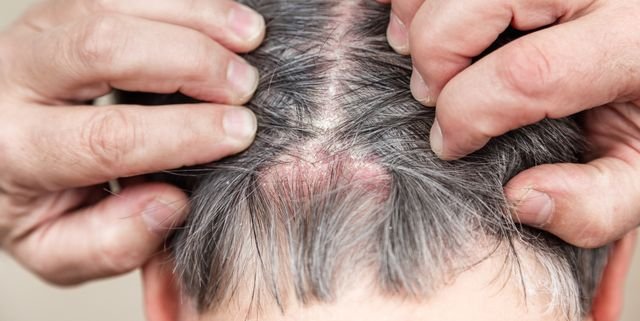
Psoriasis, particularly on the scalp, can be a bothersome and uncomfortable condition to deal with. The constant itching and flaking can leave you feeling self-conscious and frustrated. However, there are certain steps you can take to prevent scalp psoriasis from flaring up and to keep your scalp healthy and free from irritation. By implementing a few simple strategies, such as nourishing your scalp, managing stress levels, and avoiding triggers, you can minimize the chances of experiencing the unpleasant symptoms of scalp psoriasis. So, read on to discover effective ways to protect your scalp and maintain a confident, itch-free existence.
Maintain a Healthy Diet
Consume Antioxidant-rich Foods
Maintaining a healthy diet is essential when it comes to preventing scalp psoriasis. By incorporating antioxidant-rich foods into your daily meals, you can boost your overall health and potentially reduce the risk of developing scalp psoriasis. Antioxidants help protect your body against oxidative stress, which is known to play a role in the development of psoriasis.
Make sure to include a variety of colorful fruits and vegetables in your diet, such as berries, oranges, spinach, and kale. These foods are packed with antioxidants like vitamins A, C, and E, as well as beta-carotene, which can support a healthy immune system and reduce inflammation.
Limit Processed Foods
When it comes to maintaining a healthy diet and preventing scalp psoriasis, it’s important to limit your intake of processed foods. These foods are often high in salt, sugar, and unhealthy fats, which can contribute to inflammation in the body. Inflammation is a common trigger for psoriasis flare-ups, including those on the scalp.
Instead, opt for whole, unprocessed foods. Choose lean proteins like chicken, fish, and legumes, whole grains like brown rice and quinoa, and healthy fats like avocados and nuts. These nutrient-dense foods can help support your overall health and reduce the risk of scalp psoriasis.
Avoid Trigger Foods
While trigger foods can vary from person to person, there are some common culprits that may worsen scalp psoriasis symptoms. These can include gluten, dairy, and nightshade vegetables like tomatoes, potatoes, and eggplants. It’s important to pay attention to your body and identify any foods that seem to trigger or worsen your scalp psoriasis symptoms.
Consider keeping a food diary to track your diet and any flare-ups or changes in symptoms. If you notice a pattern between certain foods and your scalp psoriasis, try eliminating them from your diet to see if it makes a difference. Consulting with a healthcare professional or dermatologist can also provide guidance in identifying trigger foods and developing a personalized diet plan.
Stay Hydrated
Drinking enough water is crucial for maintaining overall health and ensuring optimal functioning of your body, including your skin and scalp. Dehydration can lead to dryness, which can exacerbate scalp psoriasis symptoms and flare-ups. Aim to drink at least 8 cups (64 ounces) of water per day, and more if you engage in physical activity or live in a hot climate.
In addition to drinking enough water, you can also boost scalp hydration by incorporating hydrating foods into your diet. Foods like cucumbers, watermelon, and celery have high water content and can help keep your scalp moisturized from within. Remember to also limit your intake of dehydrating beverages, such as sugary drinks and alcohol.
Manage Stress Levels
Practice Stress-reducing Techniques
Stress is known to be a significant trigger for psoriasis flare-ups, including those on the scalp. Managing stress levels is an important aspect of preventing scalp psoriasis and maintaining overall well-being. There are various stress-reducing techniques that you can incorporate into your daily routine to help keep stress at bay.
One effective technique is deep breathing exercises. Taking slow, deep breaths can help activate your body’s relaxation response and promote a sense of calmness. Find a quiet and comfortable place, inhale deeply through your nose, hold for a few seconds, and exhale slowly through your mouth. Repeat this pattern several times, focusing on your breath and letting go of any tension.
Another stress-reducing technique is mindfulness meditation. This practice involves focusing your attention on the present moment and accepting it without judgment. Set aside a few minutes each day to sit in a quiet space, close your eyes, and bring your attention to your breath or a specific object. Allow your thoughts to come and go without attaching to them, cultivating a sense of inner calmness.
Engage in Relaxation Activities
Engaging in relaxation activities can also help reduce stress levels and promote overall well-being. Find activities that you enjoy and that help you relax, such as yoga, tai chi, or hobbies like painting or gardening. These activities can serve as a form of self-care, allowing you to unwind and recharge.
Yoga, in particular, has been shown to have numerous benefits for both physical and mental health. Certain yoga poses and sequences can help relieve stress and tension, promoting relaxation and better management of scalp psoriasis symptoms. Consider joining a local yoga studio or following online tutorials to incorporate yoga into your routine.
Seek Emotional Support
Managing stress and preventing scalp psoriasis can be challenging on your own. Seeking emotional support from friends, family, or support groups can be immensely helpful in coping with the emotional and psychological aspects of living with scalp psoriasis.
Talking to someone you trust about your concerns, fears, and frustrations can provide a sense of relief and understanding. They can offer a listening ear, offer advice or encouragement, or simply validate your feelings. Additionally, joining support groups or online communities for individuals living with psoriasis can connect you with others who can relate to your experiences and provide valuable insights and support.
Prioritize Self-Care
In the midst of managing stress and preventing scalp psoriasis, it’s crucial to prioritize self-care. Self-care involves taking intentional actions to nurture your physical, mental, and emotional well-being. It can include activities like taking a warm bath, practicing mindfulness, reading a book, or spending quality time with loved ones.
Engaging in self-care regularly can help reduce stress levels and promote a sense of balance and resilience. Make time for activities that bring you joy and relaxation, and don’t forget to listen to your body’s needs. Remember, taking care of yourself is not selfish but rather essential for your overall health and well-being.
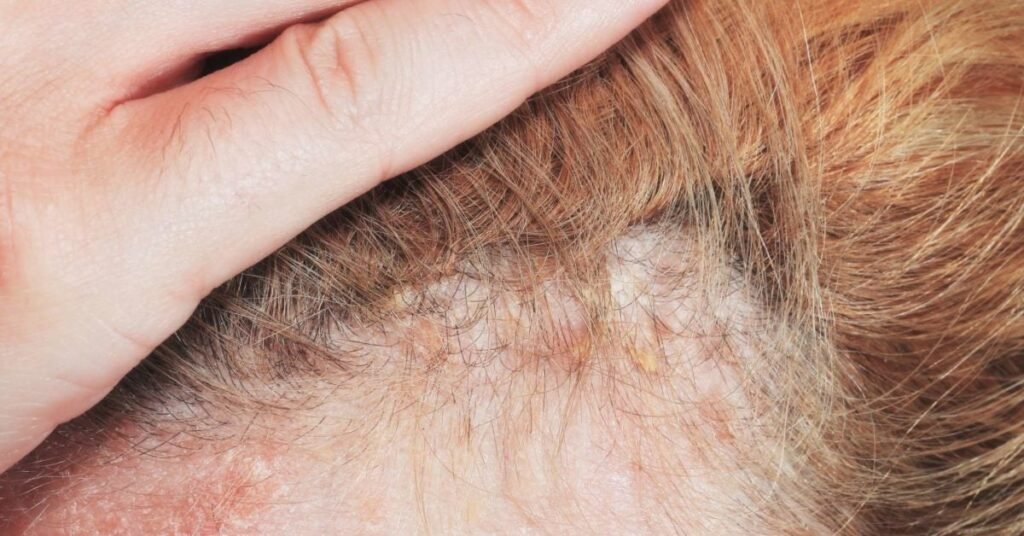
Keep Your Scalp Clean
Use a Mild Shampoo
Keeping your scalp clean is an essential part of scalp psoriasis prevention. However, it’s important to choose a mild shampoo that doesn’t contain harsh ingredients that can further irritate or dry out your scalp. Look for shampoos specifically formulated for sensitive or irritated scalps, preferably ones that are fragrance-free and hypoallergenic.
When washing your hair, lather the shampoo in your hands before gently massaging it into your scalp. Avoid using excessive force or scratching your scalp with your nails, as this can lead to irritation and worsen symptoms. Rinse thoroughly to ensure all traces of the shampoo are removed, and pat your scalp dry with a soft towel.
Avoid Harsh Hair Products
In addition to using a mild shampoo, it’s important to avoid harsh hair products that can potentially irritate your scalp and trigger flare-ups. These products typically contain chemicals like sulfates, parabens, and fragrances, which can be harsh on sensitive skin.
Instead, opt for hair products that are specifically formulated for sensitive scalps or are free from irritating ingredients. Look for terms like “gentle,” “fragrance-free,” or “hypoallergenic” on product labels. Natural or organic hair care products can also be a good option, as they tend to have fewer harsh chemicals.
Gently Cleanse Your Scalp
When cleansing your scalp, it’s important to be gentle to avoid further irritation or damage. Use your fingertips to massage your scalp in a circular motion, applying light pressure. This helps loosen and remove any debris or excess oil that may have accumulated on your scalp.
Avoid scratching or scrubbing your scalp vigorously, as this can cause further irritation and potentially worsen scalp psoriasis symptoms. Be patient and gentle in your cleansing routine, allowing the shampoo or cleanser to do its job without causing any unnecessary harm.
Keep Hair and Scalp Moisturized
Scalp psoriasis is often associated with dryness and flakiness, so keeping your hair and scalp moisturized is crucial in preventing discomfort and reducing symptoms. Apply a gentle, fragrance-free moisturizer or scalp oil to your hair and scalp after washing, focusing on the areas most affected by scalp psoriasis.
Choose products that are specifically formulated for scalp psoriasis or have moisturizing properties. Look for ingredients like aloe vera, jojoba oil, or coconut oil, which can help soothe and hydrate your scalp. Remember to apply the moisturizer or oil gently, massaging it into your scalp without causing friction or excessive pressure.
Avoid Scratching
Keep Nails Short
One of the key aspects of preventing scalp psoriasis flare-ups is to resist the urge to scratch your scalp, especially when itchy. Scratching can lead to further irritation and potentially break the skin, increasing the risk of infection. To minimize the damage, keep your nails short and smooth.
Short nails are less likely to cause scratches or skin trauma when touching your scalp. Regularly trim your nails and file them to prevent any sharp edges. If you find it difficult to break the habit of scratching, consider applying a bitter-tasting nail polish to deter you from scratching your scalp.
Use Soothing Topical Treatments
If you’re experiencing intense itching or discomfort on your scalp, consider using soothing topical treatments to relieve symptoms. These treatments often contain ingredients like menthol or hydrocortisone, which can help calm itching and reduce inflammation.
Before applying any topical treatments, make sure to read the instructions carefully and follow them accordingly. Some treatments may need to be applied directly to the affected areas, while others can be gently massaged into the entire scalp. If you have any concerns or questions, consult with a dermatologist or healthcare professional.
Wear Loose-fitting Clothing
The clothes you wear can also play a role in preventing scalp psoriasis flare-ups. Tight-fitting hats, scarves, or headbands can create friction and heat on the scalp, potentially exacerbating symptoms. Opt for loose-fitting hats or head coverings made from breathable fabrics to prevent excessive sweating and irritation.
Similarly, avoid wearing tight collars or clothing that may rub against your scalp and cause irritation. Choose soft, natural fabrics like cotton that allow your skin to breathe and minimize the risk of further discomfort. Prioritize comfort when selecting your clothing to keep your scalp as irritation-free as possible.
Avoid Scratching Even When Itchy
Last but not least, it’s crucial to resist the temptation to scratch your scalp, even when it feels itchy. Scratching can break the skin and create open wounds, which can lead to infection and further aggravate scalp psoriasis symptoms. Instead, find alternative ways to relieve the itchiness.
Consider using cold compresses or ice packs to numb the area and temporarily alleviate the itch. Applying a gentle moisturizer or using over-the-counter anti-itch creams can also provide some relief. If the itchiness persists or becomes unbearable, consult with a dermatologist for further evaluation and guidance.

Protect Your Scalp from Extreme Weather
Wear a Hat or Head Covering
Extreme weather conditions can have a significant impact on your scalp, potentially triggering or worsening scalp psoriasis symptoms. Protecting your scalp from excessive sun exposure or harsh cold weather is essential in preventing flare-ups. One of the simplest ways to shield your scalp is by wearing a hat or head covering.
Opt for wide-brimmed hats or caps with a flap at the back to provide maximum coverage and protection against the sun. Look for hats made from breathable materials like straw or cotton to prevent excessive sweating and discomfort. Similarly, choose hats or head coverings that can keep your scalp warm during cold weather without causing irritation.
Use Sunscreen on Scalp
Just like the rest of your skin, your scalp needs protection from the sun’s harmful UV rays. When spending extended periods outdoors, apply a sunscreen specifically formulated for the scalp to prevent sunburn and potential worsening of scalp psoriasis symptoms.
Look for sunscreens with a broad-spectrum SPF of 30 or higher and ones that are water-resistant. Apply a generous amount to your scalp, paying close attention to the areas most exposed to the sun, such as your hairline and part line. Remember to reapply sunscreen every two hours or after swimming or sweating profusely.
Cover Hair during Cold Weather
Cold weather can be harsh on your scalp, leading to dryness and potential flare-ups of scalp psoriasis. To protect your scalp from the cold, consider covering your hair and scalp with a warm hat or headscarf. This can help trap heat and prevent excessive exposure to the cold air.
Choose hats or head coverings made from insulating materials like wool or fleece to provide effective warmth. Avoid using hats or scarves that are too tight, as they can restrict blood flow and potentially exacerbate symptoms. Find comfortable options that cover your scalp and ears fully without causing any discomfort.
Avoid Excessive Exposure to Sun or Cold
To prevent scalp psoriasis flare-ups, it’s important to limit your exposure to extreme weather conditions whenever possible. While it may not always be avoidable, taking precautions and reducing your time spent in extreme temperatures can be beneficial.
During the summer months, try to stay in shaded areas whenever possible and avoid spending extended periods under direct sunlight. Seek shelter indoors during the hottest hours of the day to minimize sun exposure. In cold weather, limit your time spent outdoors, especially during windy or harsh conditions. Listen to your body and make the necessary adjustments to protect your scalp and overall well-being.
Avoid Excessive Heat
Limit the Use of Heat-styling Tools
Excessive heat from styling tools like hairdryers, straighteners, or curling irons can strip the scalp of its natural oils and contribute to dryness and scalp psoriasis flare-ups. To prevent this, it’s important to limit the use of heat-styling tools and opt for alternative styling methods whenever possible.
Consider embracing your hair’s natural texture and avoiding heat-styling altogether. Alternatively, if you prefer to use heat-styling tools, use them on the lowest heat setting possible and minimize direct contact with your scalp. Focus on the ends of your hair instead of the roots to reduce the risk of irritation.
Use Heat Protection Products
When using heat-styling tools, it’s crucial to protect your hair and scalp from excessive heat damage. Invest in heat protection products like sprays, serums, or creams specifically designed to shield your hair and scalp from the damaging effects of heat.
Apply the heat protection product evenly throughout your hair, focusing on the ends and avoiding direct contact with your scalp. These products create a barrier between your hair and the heat, reducing the risk of dryness, brittleness, and potential scalp irritation. Make sure to follow the product instructions and use the recommended amount for optimal protection.
Allow Hair to Air Dry
Air drying your hair is one of the best ways to avoid excessive heat exposure and potential scalp irritation. Whenever possible, allow your hair to dry naturally instead of relying on heat-styling tools like hairdryers. This helps preserve your scalp’s natural moisture and reduces the risk of scalp psoriasis flare-ups.
After washing your hair, gently squeeze out the excess water and wrap your hair in a soft, absorbent towel. Pat your hair dry instead of vigorously rubbing it, as this can lead to breakage and frizz. Finally, allow your hair to air dry fully before styling or going to bed to minimize any potential discomfort or irritation.
Avoid Hot Water while Showering
While relaxing under hot water may be tempting, it’s important to avoid excessive heat exposure when showering, especially if you have scalp psoriasis. Hot water can strip away the natural oils on your scalp, leading to dryness and potential flare-ups.
Instead, opt for lukewarm or cool water when showering. This helps maintain your scalp’s natural moisture balance and prevents excessive drying. If hot showers are part of your routine, try gradually reducing the water temperature over time to allow your scalp to adjust. Be mindful of the length of your showers as well, as spending too much time under running water can further dehydrate your scalp.
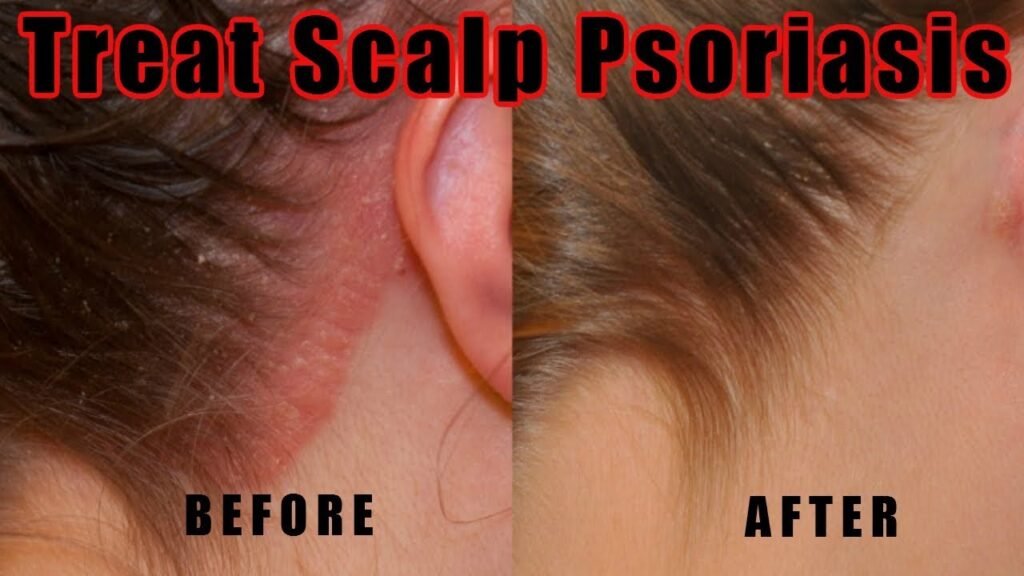
Reduce Alcohol Consumption
Moderate Alcohol Intake
Alcohol consumption can negatively impact your overall health and potentially exacerbate scalp psoriasis symptoms. However, moderate alcohol intake may not have as significant an effect on psoriasis as excessive or heavy drinking. Moderation is key when it comes to alcohol consumption and scalp psoriasis prevention.
Moderate alcohol intake is generally defined as up to one drink per day for women and up to two drinks per day for men. It’s crucial to be aware of what constitutes a standard drink, as alcohol content can vary depending on the type of beverage. For example, a standard drink typically contains 14 grams (0.6 ounces) of pure alcohol.
Avoid Excessive Drinking
Excessive drinking can significantly increase the risk of scalp psoriasis flare-ups and worsen existing symptoms. It’s important to limit or avoid excessive alcohol consumption to maintain optimal scalp health and overall well-being.
Excessive drinking refers to consuming large amounts of alcohol regularly or engaging in binge drinking episodes. Binge drinking is defined as consuming four or more drinks within two hours for women and five or more drinks for men. Long-term excessive drinking can lead to chronic inflammation in the body, which can potentially trigger or worsen scalp psoriasis.
Choose Alternatives to Alcoholic Beverages
If you’re looking to reduce alcohol consumption and prevent scalp psoriasis flare-ups, consider choosing alternatives to alcoholic beverages. There are numerous non-alcoholic options available that can provide a refreshing and enjoyable experience without the negative impacts of alcohol.
Hydrating beverages like flavored water, herbal tea, or infused water can be delicious alternatives to alcoholic beverages. Mocktails or alcohol-free cocktails made with fresh juices, soda water, and garnishes can also provide a festive feel without the negative effects of alcohol. Experiment with different flavors and combinations to find alternatives that satisfy your taste buds.
Seek Professional Support if Needed
If you find it challenging to reduce alcohol consumption on your own or suspect that you may have a drinking problem, seeking professional support is crucial. Alcohol misuse or dependence can have severe effects on your health and well-being, including potential worsening of scalp psoriasis symptoms.
Start by discussing your concerns with a healthcare professional who can provide guidance and connect you with appropriate resources. They can help assess your drinking habits, provide support, and offer referrals to specialized programs or therapists who can assist you in managing alcohol consumption effectively. Remember, reaching out for help is a brave and important step towards improving your overall health.
Quit Smoking
Develop a Quitting Plan
Smoking is not only detrimental to your respiratory health but can also greatly impact the severity and progression of scalp psoriasis. Quitting smoking is a vital step in preventing scalp psoriasis flare-ups and supporting overall well-being. Developing a quitting plan can significantly increase your chances of successfully quitting.
Start by setting a quit date and marking it on your calendar to hold yourself accountable. Make a list of reasons why you want to quit smoking and the benefits it will bring to your scalp and general health. Consider seeking support from friends, family, or healthcare professionals who can provide encouragement and assistance throughout the process.
Seek Smoking Cessation Programs
Quitting smoking can be challenging, but there are various smoking cessation programs and resources available to help you succeed. These programs can provide valuable tools, support, and counseling to assist you in overcoming nicotine addiction and preventing scalp psoriasis flare-ups.
Consider joining a smoking cessation program in your community or online. These programs often include counseling sessions, group support, and access to medications that can aid in quitting smoking. Speak to a healthcare professional or reach out to organizations dedicated to smoking cessation for recommendations and information on available resources.
Avoid Smoke-filled Environments
To prevent scalp psoriasis flare-ups and support your efforts to quit smoking, it’s important to avoid smoke-filled environments as much as possible. Secondhand smoke can be just as harmful as smoking itself and can potentially trigger or worsen scalp psoriasis symptoms.
Avoid spending time in places where smoking is permitted, such as bars, designated smoking areas, or the homes of smokers. If you find yourself in a smoke-filled environment, try to stay in well-ventilated areas or step outside to get fresh air. Communicate your concerns to those around you and ask for their support in maintaining smoke-free environments.
Ask for Support from Friends and Family
Quitting smoking is a challenging journey that often requires a strong support system. Reach out to your friends and family members and let them know about your decision to quit smoking. Ask for their support, understanding, and encouragement as you navigate the process.
Having a support system can make a significant difference in your ability to quit smoking successfully. Your loved ones can provide a listening ear, distract you from cravings, and celebrate your milestones along the way. Consider recruiting someone who has successfully quit smoking themselves as a mentor or accountability partner to provide additional guidance and motivation.
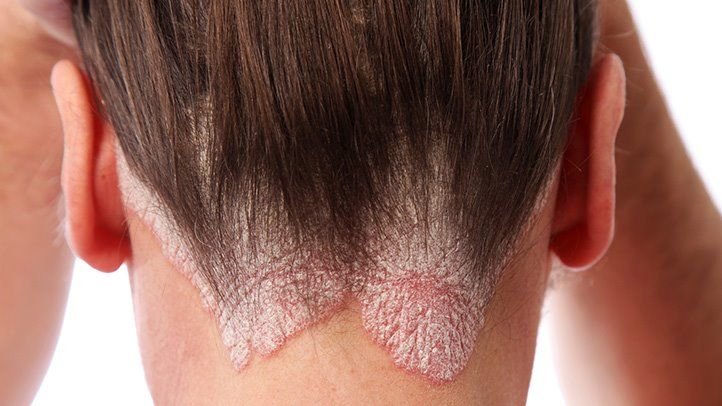
Maintain a Healthy Lifestyle
Exercise Regularly
Regular exercise is not only beneficial for your overall health but can also help prevent scalp psoriasis flare-ups. Engaging in physical activity boosts your immune system, improves circulation, and reduces stress, all of which can contribute to better scalp health.
Choose activities that you enjoy and that can be easily incorporated into your routine. This can include brisk walking, jogging, cycling, swimming, or participating in exercise classes. Aim for at least 150 minutes of moderate-intensity aerobic exercise or 75 minutes of vigorous-intensity exercise per week, in addition to strength training exercises for all major muscle groups.
Get Sufficient Sleep
Adequate sleep is crucial for maintaining optimal health, including the health of your scalp. Lack of sleep can weaken your immune system and increase the risk of inflammation, potentially triggering or worsening scalp psoriasis symptoms.
Ensure you prioritize getting enough sleep each night. Aim for 7-9 hours of quality sleep, and establish a regular sleep schedule by going to bed and waking up at consistent times. Create a relaxing pre-bedtime routine that promotes sleep, such as avoiding electronic devices, practicing relaxation techniques, or reading a book.
Manage Body Weight
Maintaining a healthy body weight is important when it comes to preventing scalp psoriasis flare-ups. Excess weight can increase inflammation in the body and put additional strain on your immune system, potentially triggering or exacerbating scalp psoriasis symptoms.
Focus on adopting a balanced diet that consists of nutrient-dense foods and practicing portion control. Incorporate regular exercise into your routine to help maintain a healthy weight and promote overall well-being. If you need guidance in managing your weight or developing a personalized diet and exercise plan, consider consulting with a registered dietitian or healthcare professional.
Avoid Recreational Drug Use
Recreational drug use, including illicit substances, can have severe effects on your overall health and increase the risk of inflammation and immune system dysfunction. To prevent scalp psoriasis flare-ups, it’s important to avoid recreational drug use and prioritize a healthy and drug-free lifestyle.
If you are struggling with drug use or addiction, seeking professional help is crucial. Reach out to healthcare professionals, addiction counselors, or support groups that specialize in substance abuse for guidance, support, and resources to overcome these challenges. Remember, there is no shame in seeking help, and recovery is possible.
Follow Medical Advice
Consult a Dermatologist
When it comes to preventing and managing scalp psoriasis, it’s important to consult a dermatologist. A dermatologist can provide a comprehensive evaluation of your scalp and develop a personalized treatment and prevention plan tailored to your needs.
Schedule regular appointments with your dermatologist to monitor your scalp’s health and discuss any concerns or changes in symptoms. They can recommend specific medications, topical treatments, or lifestyle modifications to prevent flare-ups and effectively manage scalp psoriasis.
Take Prescribed Medications
If your dermatologist prescribes medications for scalp psoriasis prevention, it’s essential to follow their instructions and take the medications as prescribed. Medications can help control inflammation, reduce itching, and prevent scalp psoriasis flare-ups when used consistently and as directed.
Make sure you understand the proper usage, dosage, and any potential side effects of the prescribed medications. If you have any questions or concerns, don’t hesitate to reach out to your dermatologist for clarification or additional support.
Use Recommended Ointments
Topical ointments can be beneficial in preventing scalp psoriasis flare-ups and maintaining scalp health. Follow your dermatologist’s recommendations and use the recommended ointments as part of your daily scalp care routine.
Apply the ointments directly to the affected areas of your scalp according to the instructions provided. Gently massage the ointment into your scalp, taking care not to scratch or irritate the skin. Using the recommended ointments consistently can help soothe inflammation, reduce itching, and moisturize your scalp.
Attend Regular Check-ups
Regular check-ups with your dermatologist are essential for monitoring your scalp’s health and managing scalp psoriasis effectively. Follow the recommended frequency for check-ups and ensure you attend all scheduled appointments.
During these check-ups, your dermatologist can assess the current state of your scalp, evaluate the effectiveness of your current prevention strategies, and make any necessary adjustments to your treatment plan. They can also provide guidance and support for any concerns or questions you may have.
In conclusion, preventing scalp psoriasis requires a comprehensive approach that encompasses various aspects of your lifestyle. By maintaining a healthy diet, managing stress levels, keeping your scalp clean, avoiding scratching, protecting your scalp from extreme weather, avoiding excessive heat, reducing alcohol consumption, quitting smoking, maintaining a healthy lifestyle, and following medical advice, you can significantly reduce the risk of scalp psoriasis flare-ups and promote scalp health. Remember to consult with a healthcare professional or dermatologist for personalized guidance and support tailored to your specific needs.