
Are you looking for effective tips and strategies to manage bowel incontinence? Look no further! In this article, we will provide you with valuable insights on how to deal with this health condition. Bowel incontinence can be a challenging and embarrassing issue, but with the right approach and information, you can regain control and improve your quality of life. From lifestyle changes to medical interventions, we’ve got you covered. So, let’s explore the various ways to effectively manage bowel incontinence and restore confidence and comfort in your daily life.
Understanding Bowel Incontinence
Bowel incontinence, also known as fecal incontinence, is a condition that affects the control over bowel movements. It is the involuntary loss of stool, or the inability to control bowel movements, leading to accidental leakage. This can range from mild episodes of flatulence or leakage of small amounts of stool, to complete loss of bowel control. Bowel incontinence can be a distressing and embarrassing condition, but it is important to understand that you are not alone, and there are effective management and treatment options available.
Definition of Bowel Incontinence
Bowel incontinence is defined as the inability to control bowel movements, resulting in the involuntary leakage of stool. This can occur due to various factors, such as damage to the muscles and nerves responsible for bowel control, weakened pelvic floor muscles, or conditions that affect the rectum or anus. It is important to note that bowel incontinence is not a disease in itself, but rather a symptom of an underlying condition.
Causes of Bowel Incontinence
Bowel incontinence can have several causes, including:
-
Muscle and Nerve Damage: Damage to the muscles and nerves that control bowel movements can result from childbirth, anal surgery, or medical conditions such as stroke, multiple sclerosis, or diabetes.
-
Weakened Pelvic Floor Muscles: The pelvic floor muscles play a crucial role in controlling bowel movements. Weakness in these muscles can occur due to childbirth, aging, or surgery.
-
Rectal or Anal Conditions: Conditions such as hemorrhoids, rectal prolapse, anal fissures, or inflammatory bowel disease can contribute to bowel incontinence.
-
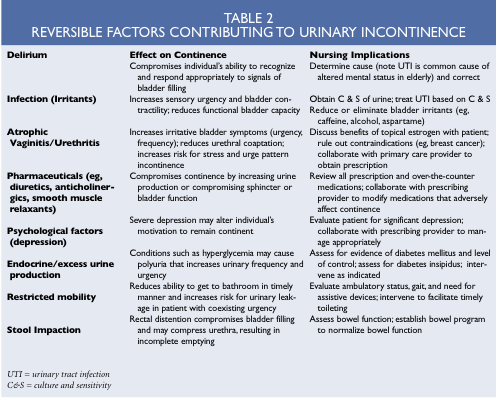
Diarrhea and Constipation: Frequent episodes of diarrhea or chronic constipation can weaken the rectal muscles, making it difficult to control bowel movements.
-
Other Factors: Certain medications, such as laxatives or chemotherapy drugs, can cause temporary bowel incontinence. Additionally, cognitive or physical impairments, such as dementia or mobility limitations, can also contribute to bowel incontinence.
Types of Bowel Incontinence
Bowel incontinence can be classified into different types based on the nature of the leakage:
-
Passive Incontinence: This type of incontinence involves the involuntary leakage of stool without any sensation or awareness.
-
Urge Incontinence: Urge incontinence refers to the sudden and intense urge to have a bowel movement, followed by immediate leakage.
-
Overflow Incontinence: This occurs when the rectum becomes so full that stool leaks out, often resulting in small amounts of stool leakage or staining of undergarments.
-
Functional Incontinence: Functional incontinence is characterized by the inability to reach the toilet in time due to physical or cognitive impairments.

Symptoms of Bowel Incontinence
The symptoms of bowel incontinence can vary depending on the underlying cause and severity of the condition. Common symptoms include:
-
Accidental Leakage: This is the primary symptom of bowel incontinence, with varying degrees of stool leakage, ranging from small amounts to complete loss of bowel control.
-
Urgency: A sudden and intense need to have a bowel movement, accompanied by an inability to delay it, leading to leakage.
-
Incomplete Evacuation: A sensation that the bowel has not been completely emptied after a bowel movement.
-
Changes in Bowel Habits: Bowel incontinence can also be associated with changes in bowel movements, such as increased frequency, diarrhea, or constipation.
-
Altered Quality of Life: Bowel incontinence can significantly impact daily activities, social interactions, and emotional well-being.
Medical Evaluation and Diagnosis
If you are experiencing symptoms of bowel incontinence, it is important to seek medical help for a proper evaluation and diagnosis. Your healthcare provider will conduct a thorough assessment to determine the underlying cause of your bowel incontinence.
When to Seek Medical Help
It is advisable to seek medical help for bowel incontinence if:
- You have had persistent or worsening symptoms of bowel incontinence.
- You have developed new symptoms of bowel incontinence.
- You are experiencing significant distress or disruption in your daily life due to bowel incontinence.
Medical Evaluation for Bowel Incontinence
During the medical evaluation, your healthcare provider will:
- Take a detailed medical history, including any previous surgeries, medications, or medical conditions.
- Perform a physical examination, focusing on the rectal and pelvic areas.
- Assess the strength and function of the anal sphincter muscles.
- Identify any underlying medical conditions or factors contributing to bowel incontinence.
Diagnostic Tests for Bowel Incontinence
Your healthcare provider may recommend certain diagnostic tests to further evaluate the cause and severity of your bowel incontinence. These tests may include:
-
Anorectal Manometry: This test measures the strength and coordination of the anal sphincter muscles and rectum.
-
Endoanal Ultrasound: This imaging technique uses sound waves to create detailed images of the rectum, allowing for the assessment of sphincter muscle damage or other structural abnormalities.
-
Colonoscopy: A colonoscopy may be performed to examine the colon and rectum for any signs of inflammation, tumors, or other abnormalities.
-
Anal Electromyography: This test measures the electrical activity of the anal sphincter muscles, helping to determine nerve damage or muscle dysfunction.
-
Stool Studies: Stool sample analysis may be recommended to rule out any infection or other gastrointestinal disorders.
-
Defecography: This test involves X-ray imaging of the rectum during a bowel movement, allowing for the evaluation of rectal muscle function and coordination.

Management and Treatment Options
The management and treatment of bowel incontinence will depend on the underlying cause, severity of symptoms, and individual preferences. A comprehensive approach combining lifestyle modifications, dietary changes, bladder and bowel training, medications, and surgical interventions can be employed.
Lifestyle Modifications
Certain lifestyle changes can help manage bowel incontinence and improve bowel control:
-
Maintain a Healthy Weight: Excess weight can contribute to weakened pelvic floor muscles, so maintaining a healthy weight can help improve muscle strength and control.
-
Quit Smoking: Smoking can impair blood flow to the muscles and nerves involved in bowel control, so quitting smoking can positively impact bowel function.
-
Manage Stress: Stress can worsen bowel symptoms, so practicing stress-reduction techniques, such as meditation and deep breathing exercises, can be beneficial.
-
Stay Physically Active: Regular physical activity helps maintain overall muscle strength and can also improve bowel function.
Dietary Changes
Making certain dietary modifications can play a significant role in managing bowel incontinence:
-
Increase Fiber Intake: Consuming adequate fiber can help regulate bowel movements and prevent constipation. Good sources of fiber include fruits, vegetables, whole grains, and legumes.
-
Avoid Trigger Foods: Certain foods can worsen bowel symptoms, such as spicy foods, caffeine, alcohol, and high-fat foods. Identifying and avoiding these trigger foods can help manage bowel incontinence.
-
Hydration: Staying hydrated is important for maintaining regular bowel movements. Drinking plenty of water and avoiding excessive caffeine or alcohol intake can help prevent dehydration.
Bladder and Bowel Training
Bladder and bowel training techniques can help improve bowel control and establish a regular routine:
-
Scheduled Toilet Visits: Establishing a regular toileting schedule can help train your body to have bowel movements at specific times, reducing the risk of accidents.
-
Prompted Voiding: This technique involves setting alarms or reminders to prompt you to use the toilet at regular intervals, even if you do not feel the urge to have a bowel movement.
-
Pelvic Floor Muscle Exercises: Strengthening the pelvic floor muscles through exercises, such as Kegels, can help improve muscle control and prevent leakage.
Medications for Bowel Incontinence
In some cases, medications may be prescribed to manage symptoms of bowel incontinence:
-
Anti-Diarrheal Medications: Medications, such as loperamide, can help reduce diarrhea and improve control over bowel movements.
-
Bowel Regulators: Certain medications, such as linaclotide or lubiprostone, can help regulate bowel movements and improve stool consistency.
-
Medications to Enhance Muscle Control: Medications, such as dicyclomine or glycopyrrolate, may be prescribed to improve muscle control and reduce bowel spasms.
Surgical Interventions
If conservative management approaches do not provide adequate relief, surgical interventions may be considered. Surgical options for bowel incontinence aim to repair or improve the function of the rectal muscles or sphincter, and may include:
-
Sphincteroplasty: This procedure involves repairing a damaged or weakened anal sphincter muscle to improve bowel control.
-
Sacral Nerve Stimulation: This surgical technique involves implanting a device that stimulates the sacral nerves, which control the bowels, to improve muscle function and control.
-
Artificial Bowel Sphincter: In some cases, an artificial bowel sphincter may be implanted to provide better control over bowel movements.
Managing Bowel Incontinence at Home
In addition to medical interventions, there are several strategies you can implement at home to help manage bowel incontinence and improve your quality of life.
Creating a Routine
Establishing a regular routine for bowel movements can help manage bowel incontinence. This involves setting aside specific times for toileting and gradually training your body to have bowel movements at those times.
Maintaining Regular Bowel Habits
Maintaining regular bowel habits is crucial in managing bowel incontinence. Eating a balanced diet with adequate fiber, staying hydrated, and avoiding constipation or diarrhea can help regulate bowel movements and reduce the risk of unexpected leakage.
Self-Care Strategies
Implementing self-care strategies can help minimize the impact of bowel incontinence on your daily life:
-
Keep a Bowel Diary: Keeping a record of your bowel movements, including the timing, frequency, and any associated foods or activities, can help identify patterns and triggers.
-
Practice Good Hygiene: Maintaining good hygiene practices, such as thorough cleansing after bowel movements and using unscented, gentle hygiene products, can help prevent skin irritation or infections.
-
Carry a Change of Clothes: Carrying a spare set of clothes, including underwear and pants, can help you feel more prepared in case of an accidental leakage.
Using Protective Products
Protective products, such as absorbent pads or adult diapers, can provide added confidence and security for managing bowel incontinence. These products are designed to absorb and contain any accidental leakage, preventing embarrassment and discomfort.

Emotional and Psychological Support
Bowel incontinence can have a significant emotional and psychological impact. It is important to address these aspects and seek support when needed.
Dealing with the Impact of Bowel Incontinence
Managing the emotional impact of bowel incontinence is crucial for overall well-being. Acceptance of the condition, maintaining a positive attitude, and focusing on things you can control can help reduce anxiety and stress related to bowel incontinence.
Support Groups and Counseling
Joining support groups or seeking counseling can provide a safe space to share experiences, gain valuable insights, and receive emotional support from others facing similar challenges. Mental health professionals can also provide guidance and coping strategies to manage the emotional and psychological aspects of bowel incontinence.
Exercises and Physical Therapy
Exercises and physical therapy techniques can be beneficial in improving bowel control and strengthening the pelvic floor muscles.
Exercises to Strengthen Pelvic Muscles
Performing pelvic floor muscle exercises, also known as Kegel exercises, can help strengthen the muscles responsible for bowel control. These exercises involve contracting and relaxing the pelvic floor muscles in a controlled manner. Regular practice can improve muscle tone and enhance bowel control.
Biofeedback Therapy
Biofeedback therapy utilizes special sensors to provide visual or auditory feedback about muscle activity. This helps you to learn how to control and strengthen your pelvic floor muscles. Biofeedback therapy can be done with the guidance of a physical therapist who specializes in pelvic floor rehabilitation.
Physical Therapy Techniques
Physical therapists may employ additional techniques to address pelvic floor muscle dysfunction and improve bowel control. These techniques may include manual therapy, stretching exercises, pelvic floor relaxation techniques, and postural adjustments.
Preventing Bowel Incontinence Complications
Preventive measures can help minimize complications associated with bowel incontinence, such as skin irritation and urinary incontinence.
Skin Care and Hygiene
Proper skin care is essential in preventing skin irritation and discomfort. Regular cleansing with mild, unscented soaps, followed by gentle drying and the application of a moisture barrier cream or ointment, can help protect the skin and maintain its integrity.
Avoiding Constipation and Diarrhea
Constipation and diarrhea can aggravate bowel incontinence symptoms. Ensure a healthy diet with adequate fiber, manage stress levels, stay hydrated, and avoid trigger foods to maintain consistent bowel movements and avoid these complications.
Preventing Urinary Incontinence
Bowel incontinence can sometimes be associated with urinary incontinence. Maintaining good bladder habits, such as regular voiding, practicing pelvic floor exercises, and avoiding excessive fluid intake, can help prevent urinary incontinence or exacerbation of symptoms.
Implementation of Assistive Devices
Assistive devices can provide additional support and enhance independence in managing bowel incontinence.
Using Absorbent Pads and Liners
Absorbent pads and liners, specifically designed for bowel incontinence, can provide an extra layer of protection against leakage and absorb any accidental stool loss. These products come in various shapes and sizes to suit individual needs.
Incontinence Products for Bedridden Patients
Bedridden patients require specialized incontinence products, such as disposable bed pads or adult briefs, to manage bowel incontinence while staying comfortable and maintaining skin integrity.
Toileting Aids and Bathroom Safety
Using toileting aids, such as raised toilet seats, grab bars, or commode chairs, can help facilitate toileting and maintain safety and independence in the bathroom. It is important to ensure that the bathroom environment is free from hazards or obstacles that could increase the risk of accidents.
Caring for Individuals with Bowel Incontinence
If you are caring for someone with bowel incontinence, it is important to provide compassionate care and support. Here are some essential aspects to consider:
Proper Communication and Support
Open and honest communication is key in providing care for someone with bowel incontinence. It is essential to listen to their concerns, offer reassurance, and involve them in decision-making regarding their care.
Maintaining Dignity and Privacy
Respecting the individual’s privacy and dignity is paramount. Ensure that proper arrangements are made for maintaining privacy during toileting and change of clothes. Provide assistance discreetly and consider using curtains or screens, if needed, to create a private space.
Providing Comfort and Assistance
Helping individuals with bowel incontinence feel comfortable and secure is crucial. Encourage open dialogue about their needs and preferences, and provide assistance with hygiene practices, clothing changes, and use of protective products, as required.
When to Consult a Healthcare Professional
While many cases of bowel incontinence can be managed with lifestyle modifications and conservative treatments, it is important to consult a healthcare professional if you experience persistent or worsening symptoms or develop new symptoms.
Persistent or Worsening Symptoms
If your bowel incontinence symptoms persist or worsen despite lifestyle modifications and self-management strategies, it is important to seek medical evaluation. This may indicate an underlying condition that requires further investigation or alternative treatment options.
Development of New Symptoms
If you develop new symptoms, such as rectal bleeding, severe pain, unintended weight loss, or changes in bowel habits, it is important to consult a healthcare professional promptly. These symptoms may indicate a more serious underlying condition that requires medical attention.
In conclusion, bowel incontinence can significantly impact your quality of life, but there are many strategies and treatment options available to manage and improve the symptoms. Seeking medical evaluation, implementing lifestyle modifications, and using assistive devices as needed can help you regain control and live a more fulfilling and comfortable life. Remember, you are not alone, and with proper support and care, bowel incontinence can be effectively managed.