
Are you concerned about your health and want to know more about the symptoms of bowel cancer? This article will provide you with a comprehensive understanding of the signs to look out for. Bowel cancer is a serious condition that affects thousands of people every year, but early detection can greatly improve the chances of successful treatment. By familiarizing yourself with the symptoms, you can take proactive steps towards protecting your health and seeking timely medical attention if needed. So, let’s delve into the key indicators of bowel cancer and equip ourselves with the knowledge to stay healthy.
Understanding the Symptoms of Bowel Cancer
Overview of Bowel Cancer
Bowel cancer, also known as colorectal cancer, is a type of cancer that affects the colon or rectum. It usually begins as a growth called a polyp, which can eventually turn into cancer if not detected and treated early. Bowel cancer is a serious condition that can be life-threatening if left untreated, but with early detection and appropriate treatment, the prognosis can be much more positive.
Prevalence of Bowel Cancer
Bowel cancer is one of the most commonly diagnosed cancers in both men and women. According to the World Cancer Research Fund, it is estimated that there were over 1.8 million new cases of bowel cancer worldwide in 2018. The incidence of bowel cancer varies worldwide, with higher rates in more developed countries. It is important to note that the risk of developing bowel cancer increases with age, with the majority of cases occurring in people over the age of 50.

Importance of Early Detection
Early detection of bowel cancer is crucial for successful treatment and improved outcomes. When bowel cancer is diagnosed at an early stage, the chances of successful treatment and long-term survival are much higher. Regular screening and knowledge of the common symptoms of bowel cancer play a vital role in early detection and prevention.
Common Symptoms of Bowel Cancer
Although symptoms may vary from person to person, there are several common symptoms of bowel cancer that you should be aware of. It is important to note that experiencing these symptoms does not necessarily mean you have bowel cancer, but they should not be ignored and should prompt you to seek medical attention for further evaluation.

Physical Symptoms
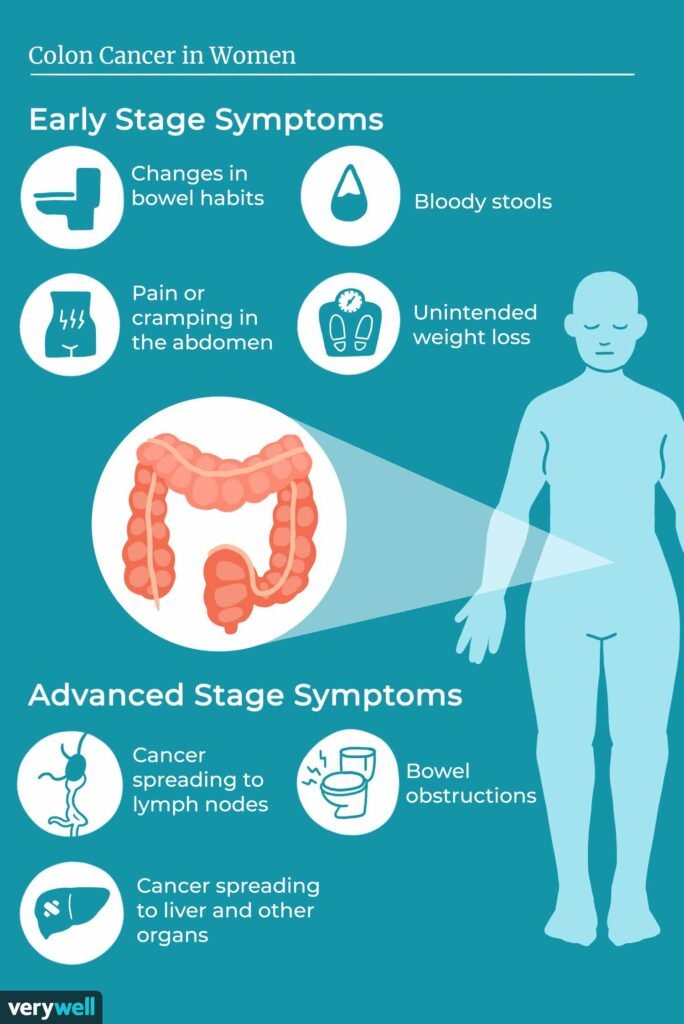
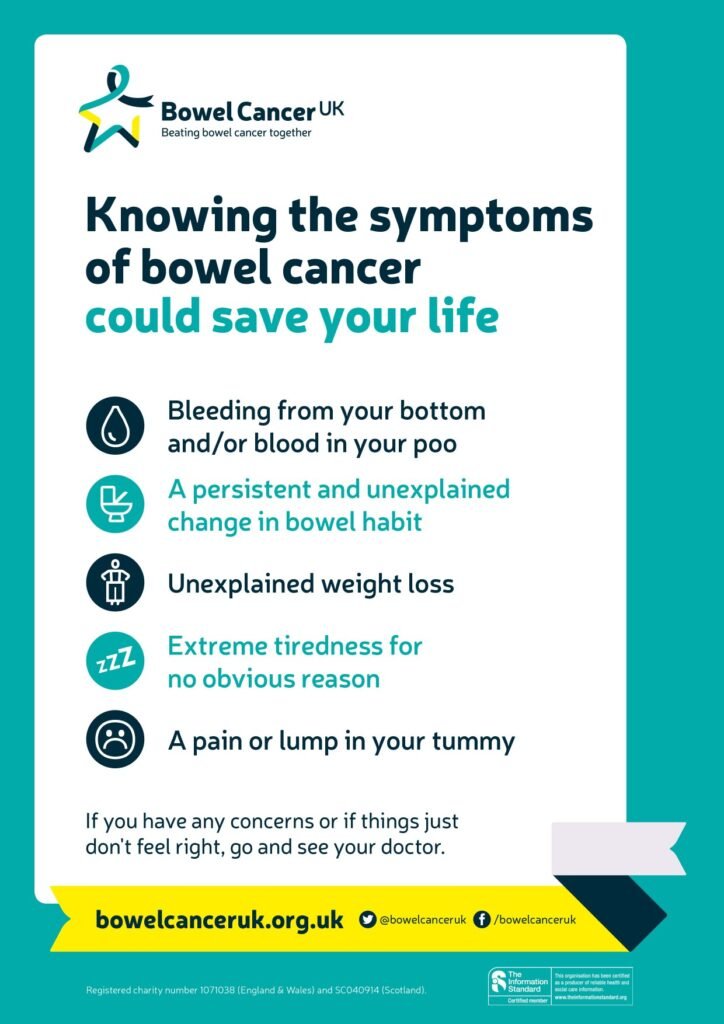
Bowel cancer can cause physical symptoms that may manifest as changes in bowel habits, rectal bleeding, abdominal pain or discomfort, unexplained weight loss, fatigue, or weakness. These symptoms may not always be indicative of bowel cancer, but they should be taken seriously and discussed with a healthcare professional.
Changes in Bowel Habits
One of the key symptoms of bowel cancer is a change in bowel habits. You may notice a sudden change in the frequency, consistency, or appearance of your bowel movements. These changes can include persistent diarrhea or constipation, or a feeling that your bowel is not emptying completely after a bowel movement. Any significant and unexplained change in your usual bowel habits should not be ignored and should be evaluated by a healthcare professional.
Rectal Bleeding and Blood in Stools
Rectal bleeding and blood in stools are common signs of bowel cancer. You may notice bright red blood in your stools or on toilet paper after wiping. This bleeding may be painless and intermittent, but it should never be ignored. Rectal bleeding can also be caused by other conditions such as hemorrhoids or anal fissures, but it is important to have it evaluated to rule out any serious underlying causes, including bowel cancer.
Abdominal Pain or Discomfort
Abdominal pain or discomfort is another symptom that can be associated with bowel cancer. You may experience cramping, bloating, or a persistent feeling of discomfort in your abdomen. While abdominal pain can have various causes, if it is persistent or severe, it is essential to consult a healthcare professional for further evaluation.
Unexplained Weight Loss
Unexplained weight loss can be an alarming symptom of various health conditions, including bowel cancer. If you have been unintentionally losing weight without changes in your diet or physical activity, it is important to discuss this symptom with a healthcare professional. While weight loss can be caused by other factors, it should never be ignored, as it can be a sign of an underlying health issue that needs to be addressed.
Fatigue or Weakness
Bowel cancer can cause fatigue and weakness, which may be attributed to anemia resulting from chronic bleeding. Anemia is a condition characterized by a decrease in red blood cells or hemoglobin levels, leading to a lack of oxygen supply to the body’s tissues and organs. If you experience persistent fatigue or weakness without any apparent cause, it is crucial to consult a healthcare professional for a thorough evaluation.

Symptoms in Advanced Stages
In advanced stages of bowel cancer, additional symptoms may appear. These can include a palpable mass or lump in the abdomen, nausea or vomiting, changes in appetite, jaundice (yellowing of the skin and eyes), and difficulty breathing. These symptoms indicate that the cancer has progressed and may have spread to other parts of the body. If you experience any of these symptoms, it is vital to seek immediate medical attention.
Cancer in the Colon vs Rectum
It is important to differentiate between cancer in the colon and cancer in the rectum, as the symptoms and treatment options may vary. Cancer in the colon may cause changes in bowel habits, such as diarrhea or constipation, abdominal pain, and unexplained weight loss. On the other hand, cancer in the rectum can cause rectal bleeding, blood in stools, and a feeling of incomplete bowel emptying. Both types of cancer require medical evaluation and treatment.
Variances in Symptoms
It is essential to note that the symptoms of bowel cancer can vary from person to person. Some individuals may experience only a few symptoms, while others may experience a combination of different symptoms. Additionally, the severity and duration of symptoms can vary. It is crucial to pay attention to any persistent or unexplained changes in your body and seek medical advice if you have concerns.
Other Possible Causes of Symptoms
It is important to acknowledge that the symptoms associated with bowel cancer can also be caused by other conditions. For example, changes in bowel habits can be caused by dietary changes, irritable bowel syndrome (IBS), or other gastrointestinal disorders. Rectal bleeding can be a result of hemorrhoids or anal fissures. Abdominal pain can have numerous causes, such as indigestion or gas. Unexplained weight loss and fatigue can be associated with various medical conditions or lifestyle factors. However, it is always better to be safe than sorry and consult a healthcare professional for proper evaluation.
When to Seek Medical Attention
If you are experiencing any of the mentioned symptoms, it is important to seek medical attention promptly. Although these symptoms may not always indicate bowel cancer, early detection can be crucial in catching the disease in its early stages when treatment options are most effective. A healthcare professional can evaluate your symptoms, conduct appropriate tests, and provide the necessary guidance and treatment tailored to your specific condition.
Remember, your health is important, so listen to your body and take action if you notice any significant and unexplained changes. Regular screening, healthy lifestyle choices, and awareness of the symptoms of bowel cancer can play a significant role in early detection and ultimately save lives.