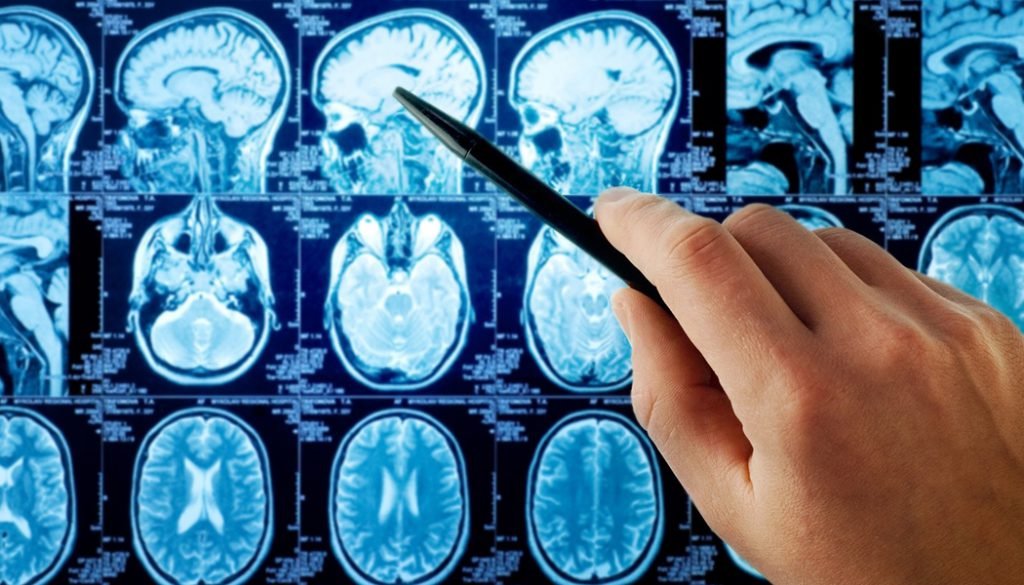
Imagine a world where brain cancer is no longer a devastating diagnosis. A world where researchers are making groundbreaking advancements in the treatment of this aggressive disease. This article highlights the latest promising research that shines a ray of hope on the horizon of brain cancer patients. Explore the innovative approaches being taken to combat this formidable opponent and the potential for life-changing breakthroughs. Step into a realm of possibilities and discover the latest progress in the fight against brain cancer.
Promising Research on Brain Cancer
Hey there! Today, we’re going to dive into some of the most exciting advancements in brain cancer research. Scientists and medical professionals all around the world are working tirelessly to find new and improved ways to diagnose and treat this devastating disease. Let’s explore some of the most promising areas of research together!
1. Targeted Therapy
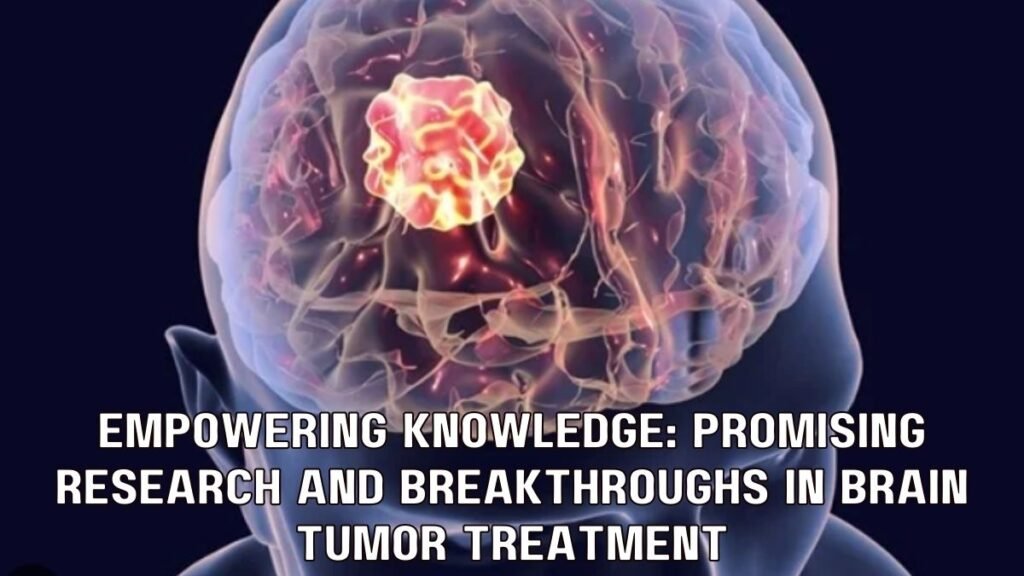
One of the most groundbreaking developments in cancer treatment is targeted therapy. This approach aims to attack cancer cells specifically, without harming healthy cells. In the case of brain cancer, targeted therapies can be designed to target the specific proteins or genetic mutations that are driving the growth of the tumor. By pinpointing and inhibiting these specific molecules, targeted therapy offers the potential for more effective and less toxic treatment options for brain cancer patients.
2. Immunotherapy
The immune system is a powerful tool in the fight against cancer, and scientists have been exploring ways to harness its potential. Immunotherapy stimulates the body’s immune system to recognize and attack cancer cells. This approach has shown promising results in various types of cancer, including brain cancer. By boosting the body’s natural defenses, immunotherapy can help to slow down or even eradicate tumors, offering new hope for patients.
3. Gene Therapy
Gene therapy is an innovative approach that involves altering the genetic material of cells to treat or prevent diseases. In the case of brain cancer, gene therapy holds the potential to introduce modified genes into cancer cells, causing them to self-destruct. Researchers are also exploring ways to modify the patient’s own immune cells to enhance their ability to target and destroy cancer cells. While still in its early stages, gene therapy shows great promise as a potential treatment option for brain cancer.
4. Nanotechnology
Advancements in nanotechnology have opened up new possibilities for the diagnosis and treatment of brain cancer. Nanoparticles, which are incredibly tiny particles, can be designed to deliver targeted therapies directly to the tumor site. These nanoparticles can carry drugs, genes, or imaging agents, allowing for precise and effective treatment. Additionally, nanotechnology has enabled the development of highly sensitive imaging techniques that can detect brain tumors at their earliest stages. This early detection can significantly improve patient outcomes.

5. Stem Cell Therapy
Stem cells have the incredible ability to differentiate into various cell types, making them a promising tool in the field of regenerative medicine. In brain cancer research, stem cell therapy involves using these cells to replace damaged or cancerous brain tissue. Scientists are exploring ways to encourage stem cells to differentiate into healthy brain cells and eradicate cancer cells. While still in experimental stages, stem cell therapy offers the potential for restoring brain function and improving the quality of life for brain cancer patients.
6. Precision Medicine
Every individual is unique, and so are their tumors. Precision medicine takes into account each patient’s specific genetic makeup, lifestyle, and environment to tailor a personalized treatment plan. Through advanced genomic analysis, researchers can identify specific genetic alterations in an individual’s tumor and match them with targeted therapies. This individualized approach has the potential to improve treatment outcomes and minimize the side effects associated with traditional cancer treatments.
7. Photodynamic Therapy
Photodynamic therapy involves the use of light-sensitive drugs and laser light to destroy cancer cells. This technique has shown promise in treating various types of cancer, including brain tumors. The light-sensitive drugs, known as photosensitizers, are administered to the patient and accumulate in cancer cells. When these cells are exposed to laser light of a specific wavelength, the photosensitizers generate highly reactive molecules that destroy the cancer cells. Photodynamic therapy offers a minimally invasive treatment option with the potential for targeted and effective cancer cell destruction.
8. Combination Therapies
Combination therapies involve using multiple treatment approaches simultaneously to increase effectiveness and reduce the chance of resistance. In brain cancer research, combining different treatment modalities such as targeted therapies, immunotherapy, and chemotherapy has shown promise in overcoming the complex nature of brain tumors. By targeting cancer cells from multiple angles, combination therapies offer the potential for improved patient outcomes and prolonged survival rates.
9. Novel Drug Discoveries
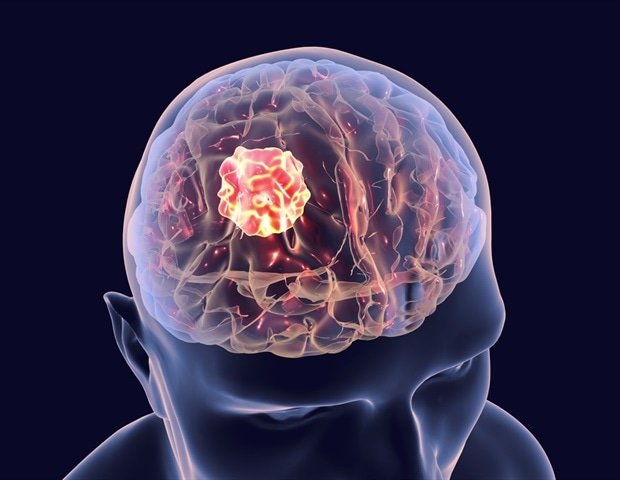
Scientists are tirelessly working to discover new and innovative drugs to combat brain cancer. Through advanced screening techniques and better understanding of the biology of tumors, researchers are identifying novel drug targets that can be exploited for treatment. These discoveries hold the potential to revolutionize brain cancer treatment by providing more effective and less toxic drugs that specifically target the underlying mechanisms of tumor growth.
10. Advances in Diagnostic Techniques
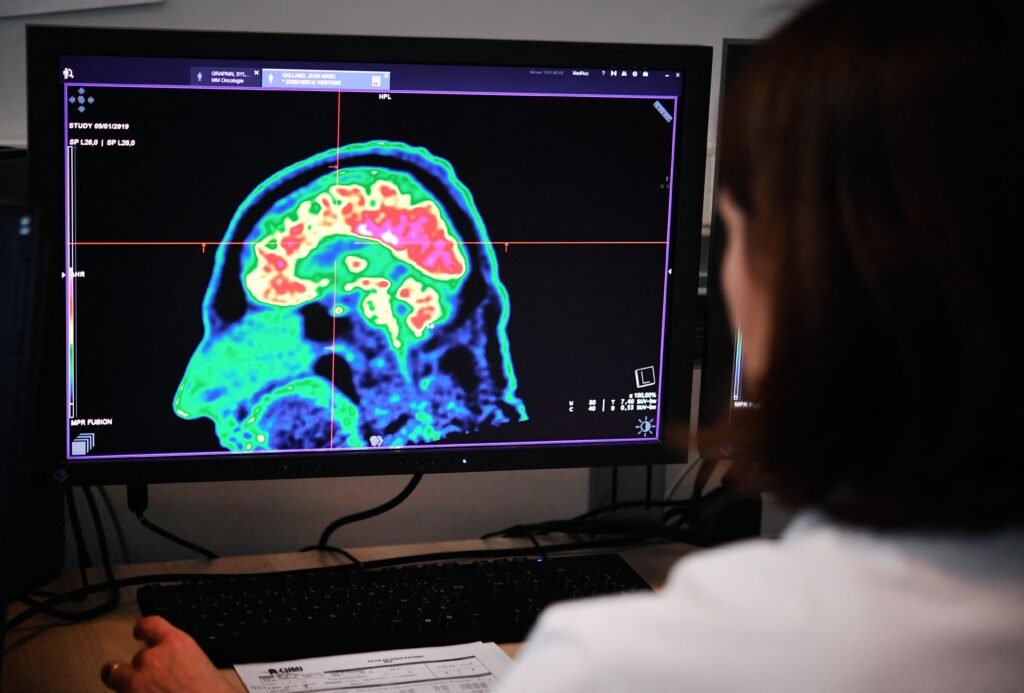
Early and accurate diagnosis is crucial in effectively treating brain cancer. Advances in diagnostic techniques have significantly improved the detection and characterization of brain tumors. High-resolution imaging techniques, such as magnetic resonance imaging (MRI) and positron emission tomography (PET), allow for early detection and precise mapping of tumors. Additionally, liquid biopsies, which involve analyzing tumor-specific DNA in blood samples, offer a non-invasive method for detecting and monitoring brain cancer.
Exciting times are ahead in the field of brain cancer research. From targeted therapies to novel drug discoveries, scientists and medical professionals are making incredible strides in understanding and treating this devastating disease. So, keep your head up and stay hopeful – brighter days are on the horizon for brain cancer patients!