Hey there! Ever wondered about what exactly brain tumors are and how they affect teenagers and young adults? Well, fret no more! In this article, we’ll dive deep into the world of brain tumors, shedding light on their causes, symptoms, and treatment options specifically tailored for this age group. So, whether you’re a teenager yourself, a young adult, or simply curious about the subject, join us as we unravel the mysteries of these formidable foes and gain a better understanding of brain tumors in teenagers and young adults.
Understanding Brain Tumors in Teenagers and Young Adults
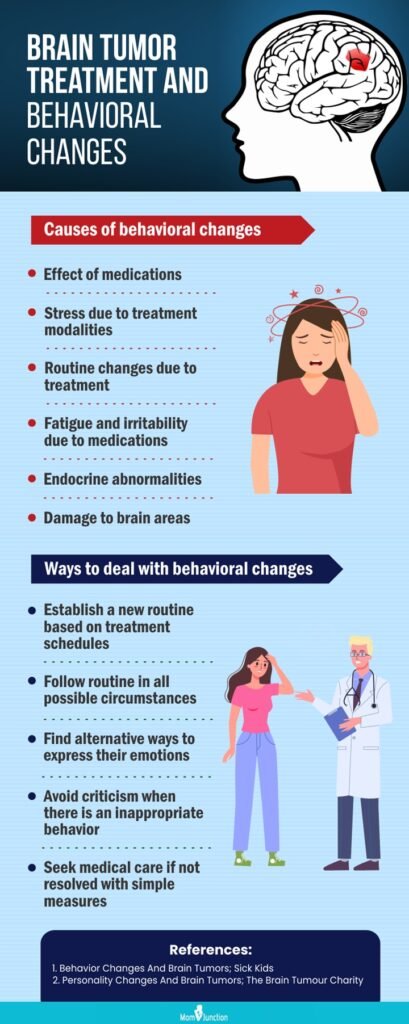
Brain tumors are abnormal growths of cells in the brain or spinal cord. They can develop in teenagers and young adults, although they are relatively rare in this age group. Understanding brain tumors, their types, causes, symptoms, diagnostic procedures, treatment options, and prognosis is crucial for effectively managing these tumors in teenagers and young adults.
What are Brain Tumors?
Brain tumors are abnormal growths that can occur in the brain or spinal cord. They can be benign (non-cancerous) or malignant (cancerous), and they can originate in the brain itself (primary tumors) or spread to the brain from other parts of the body (secondary tumors).
Types of Brain Tumors
Primary Brain Tumors
Primary brain tumors start in the brain and can develop from different types of brain cells. Some common types of primary brain tumors include:
-
Astrocytomas: These tumors develop from astrocytes, which are star-shaped cells that support the nerve cells in the brain.
-
Glioblastomas: Glioblastomas are aggressive tumors that develop from astrocytes and often spread quickly within the brain.
-
Medulloblastomas: These tumors mainly affect children and usually form in the lower back part of the brain.
-
Ependymomas: Ependymomas form in the lining of the ventricles or other parts of the brain where cerebrospinal fluid is produced.
Secondary Brain Tumors
Secondary brain tumors, also known as metastatic brain tumors, occur when cancer from another part of the body spreads to the brain. Common types of cancer that can metastasize to the brain include lung, breast, and melanoma.
Causes and Risk Factors
The exact causes of brain tumors in teenagers and young adults are often unknown. However, certain factors can increase the risk of developing them:
Genetic Predisposition
Some inherited genetic conditions, such as neurofibromatosis, Li-Fraumeni syndrome, and tuberous sclerosis, can increase the risk of developing brain tumors.
Radiation Exposure
Exposure to high levels of radiation, particularly during childhood, may increase the risk of developing brain tumors later in life. This can include radiation therapy for previous cancers or exposure to radiation from nuclear accidents.

Common Symptoms and Signs
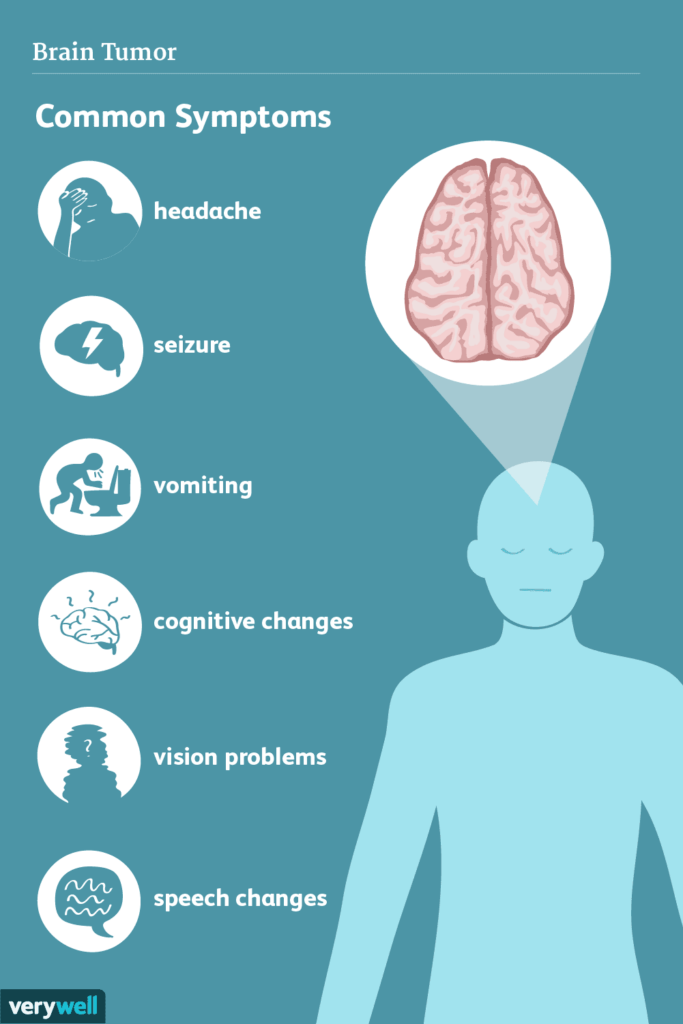
Brain tumors can cause various symptoms, and these can vary depending on the location and size of the tumor. Some common symptoms and signs of brain tumors in teenagers and young adults include:
Headaches
Frequent and severe headaches that are often worse in the morning can be a possible sign of a brain tumor. These headaches may be accompanied by vomiting and worsen with physical activity.
Seizures
Seizures, which can manifest as convulsions or involuntary movements, are often a symptom of brain tumors. They may occur suddenly or have a gradual onset.
Vision problems
Brain tumors can affect vision, causing blurred or double vision, loss of peripheral vision, or changes in the field of vision. This can manifest as difficulty reading or driving.
Mood and personality changes
Tumors in certain areas of the brain can lead to mood and personality changes. Irritability, depression, and sudden behavioral changes can be signs of a brain tumor.
Memory loss
A brain tumor can affect memory and cognitive function, leading to forgetfulness, difficulty concentrating, and confusion.
Diagnostic Procedures
To diagnose a brain tumor, healthcare professionals may perform various diagnostic procedures. These can include:
Physical and Neurological Examination
A physical examination, including a thorough assessment of neurological function, can help identify any signs or symptoms that may indicate a brain tumor.
Imaging Tests
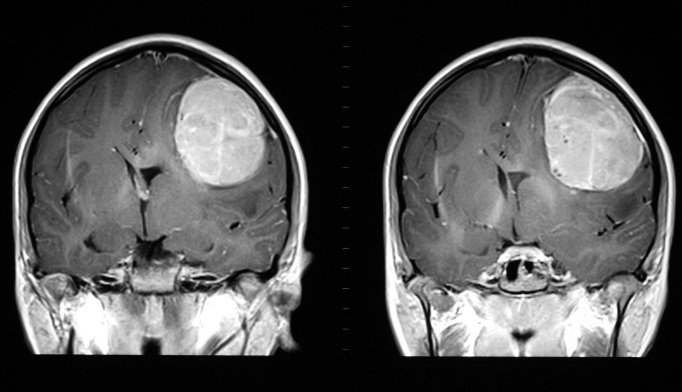
Imaging tests such as magnetic resonance imaging (MRI) and computed tomography (CT) scans can provide detailed images of the brain and help identify the presence, location, and size of a tumor.
Biopsy
A biopsy involves removing a small sample of the tumor tissue to determine its characteristics and confirm the diagnosis of a brain tumor. This can be done through a surgical procedure or using a needle guided by imaging techniques.
Treatment Options
The treatment of brain tumors in teenagers and young adults typically involves a multidisciplinary approach. Treatment options may include:
Surgery
Surgery aims to remove as much of the tumor as possible while preserving brain function. In some cases, complete removal may not be feasible, and the surgeon may perform a biopsy to obtain tissue for further testing.
Radiation Therapy
Radiation therapy uses high-energy beams to kill or shrink cancer cells. It can be delivered externally or through implants placed in the brain. Radiation therapy is often used after surgery or as the primary treatment for tumors that cannot be surgically removed.
Chemotherapy
Chemotherapy uses drugs to kill cancer cells and prevent them from multiplying. It can be administered orally or intravenously and is often used in combination with other treatments.
Targeted Therapy
Targeted therapy uses drugs that specifically target certain genetic or molecular changes in tumor cells. This treatment option is primarily beneficial in cases where specific genetic mutations are identified.
Immunotherapy
Immunotherapy stimulates the body’s immune system to recognize and attack cancer cells. It can help enhance the body’s natural defenses against brain tumors.
Managing Side Effects and Complications
Treatment for brain tumors can cause various side effects, and healthcare professionals aim to manage these effectively. Some common side effects and complications include:
Fatigue
Fatigue is a common side effect of brain tumor treatment. Adequate rest, proper nutrition, and gentle exercise can help manage fatigue.
Nausea and vomiting
Certain treatments, such as chemotherapy, can cause nausea and vomiting. Medications and dietary adjustments can help alleviate these symptoms.
Hair loss
Some treatments, such as radiation therapy, may result in hair loss. This can be managed by using head coverings or wigs.
Cognitive problems
Brain tumors and their treatments can sometimes lead to cognitive problems, such as difficulties with memory, attention, and problem-solving. Cognitive therapy and rehabilitation can help address these issues.
Prognosis and Survival Rates
The prognosis for brain tumors in teenagers and young adults varies depending on multiple factors, including the type and grade of the tumor, its location, the extent of surgical removal, and the response to treatment. It is essential for healthcare providers to discuss the prognosis with patients and their families, providing support and information throughout the treatment journey.
Overall Prognosis
The overall prognosis for brain tumors in teenagers and young adults has improved over the years due to advances in treatment options and supportive care. However, certain factors, such as tumor grade, extent of spread, and overall health, can influence the prognosis.
Factors Influencing Prognosis
Factors influencing the prognosis include the tumor’s size, location, type, and grade, as well as the age and overall health of the patient. Additionally, the response to treatment and the presence of any genetic abnormalities can also impact the prognosis.
Survival Rates
Survival rates for brain tumors in teenagers and young adults vary depending on several factors. It is important to note that survival rates are estimates based on previous cases and can vary widely among individuals. Healthcare professionals can provide more accurate information based on specific circumstances.
Support and Resources for Teenagers and Young Adults
Dealing with a brain tumor diagnosis can be challenging for teenagers and young adults. Various support services and resources are available to help them and their families cope with the physical, emotional, and financial aspects of their journey.
Support Groups
Joining support groups allows teenagers and young adults to connect with others who are going through similar experiences. These groups provide emotional support, a sense of community, and opportunities to share experiences and advice.
Counseling Services
Counseling services, such as individual therapy or family counseling, can provide a safe space to discuss emotions, concerns, and coping strategies. Mental health professionals can offer guidance and support throughout the treatment process.
Financial Assistance
Brain tumor treatment can be costly, and financial assistance programs and resources can help ease the financial burden. Organizations and foundations may provide financial aid or offer guidance on accessing healthcare coverage and support services.
In conclusion, understanding brain tumors in teenagers and young adults is essential for effectively managing these conditions. From types and causes to diagnosis, treatment options, and prognosis, healthcare professionals, patients, and their families can work together to navigate the challenges and provide the best possible care and support for teenagers and young adults facing brain tumors.