
Are you looking for guidance on navigating the challenges of supporting teenagers and young adults with brain tumors? Look no further! In “Supporting Teenagers and Young Adults with Brain Tumors: A Comprehensive Guide,” you’ll find a wealth of information to help you better understand and address the unique needs of this population. From exploring treatment options to providing emotional support, this guide is your go-to resource for assisting those affected by brain tumors and empowering them to live their lives to the fullest.
Understanding Brain Tumors
Brain tumors can be a life-altering diagnosis, and understanding the different types of brain tumors is an important first step in managing the journey ahead. There are various types of brain tumors, each with its own unique characteristics and treatment options. Some common types include gliomas, meningiomas, and pituitary tumors. Gliomas are the most common type of brain tumor and can occur in both children and adults. Meningiomas are typically non-cancerous tumors that develop in the membranes surrounding the brain. Pituitary tumors often occur in the pituitary gland at the base of the brain.
Common Symptoms
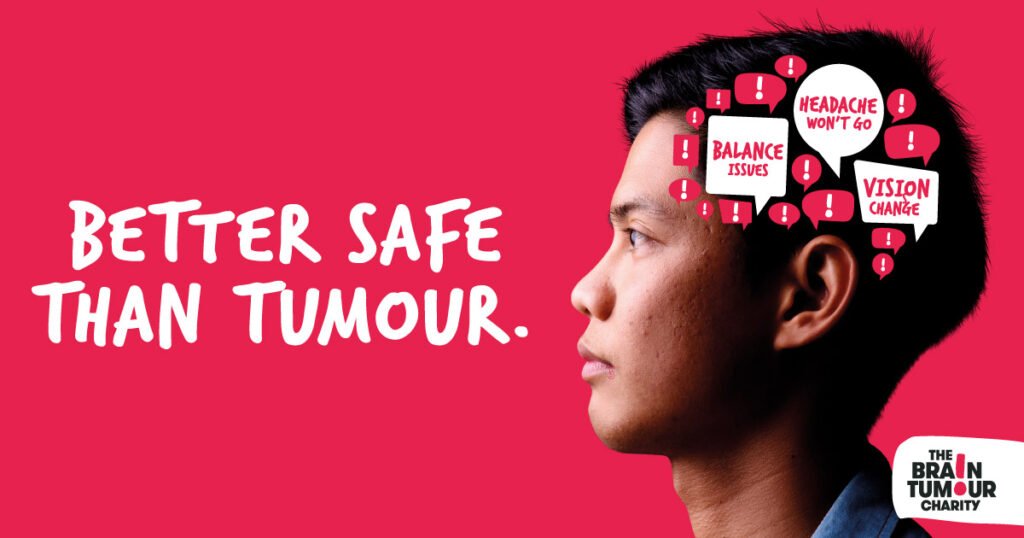
Recognizing the common symptoms of a brain tumor is crucial for early detection and intervention. Some of the symptoms to be aware of include frequent headaches, seizures, changes in vision or hearing, difficulty with balance or coordination, cognitive changes, personality changes, and nausea. While these symptoms can also be caused by other conditions, it’s important to consult a healthcare professional if you or a loved one are experiencing any of these symptoms.
Diagnosis and Treatment
Diagnosing a brain tumor typically involves a series of tests and scans, such as MRI or CT scans, to visualize the tumor’s location and size. Once the diagnosis is confirmed, the healthcare team will work with you to develop an appropriate treatment plan. Treatment options may include surgery, radiation therapy, chemotherapy, targeted drug therapy, or a combination of these approaches. The specific treatment plan will depend on factors like the type of tumor, its size and location, and the patient’s overall health.
Emotional Support
A brain tumor diagnosis can have a significant emotional impact on both the person diagnosed and their loved ones. It is important to address and manage these emotions in order to maintain overall well-being.
The Impact of a Brain Tumor Diagnosis
Receiving a brain tumor diagnosis can be overwhelming and emotionally challenging. It is completely normal to experience a range of emotions, including shock, fear, sadness, anger, and uncertainty. It’s important to give yourself time to process these emotions and seek support from trusted individuals, such as friends, family, or mental health professionals.
Coping Strategies
Building coping strategies is essential in navigating the emotional challenges that come with a brain tumor diagnosis. Engaging in activities that bring joy and relaxation, such as hobbies, exercise, meditation, or spending time in nature, can be helpful in managing stress and promoting emotional well-being. Additionally, seeking the support of a therapist or joining a support group can provide a safe space to share experiences and learn coping techniques from others facing similar challenges.
Supporting Mental Health
Taking care of your mental health is crucial during the brain tumor journey. It’s important to prioritize self-care, which may include regular exercise, getting enough sleep, eating a balanced diet, and engaging in activities that bring you joy. It can also be helpful to develop a support system of friends, family, and healthcare professionals who can provide emotional support and resources. Remember, seeking professional help from therapists or counselors can provide additional guidance and support when needed.
Navigating Medical Care
When dealing with a brain tumor diagnosis, finding the right healthcare team is essential to ensure quality care and support throughout the treatment journey.
Finding the Right Healthcare Team
Finding the right healthcare team involves selecting medical professionals who specialize in brain tumor treatment and have experience in providing care to teenagers and young adults. It is important to ask questions and seek second opinions to ensure you are comfortable with your healthcare team and treatment plan. Support from patient navigators or advocacy organizations can be valuable in connecting you with experts and resources.
Treatment Options
Brain tumor treatment options vary depending on the type, size, and location of the tumor. Surgery is often the initial step to remove as much of the tumor as possible. Radiation therapy may be used to target any remaining tumor cells, while chemotherapy or targeted drug therapies can be utilized to kill tumor cells or inhibit their growth. Your healthcare team will guide you through the available treatment options and help determine the most appropriate choices for your specific situation.
Managing Side Effects
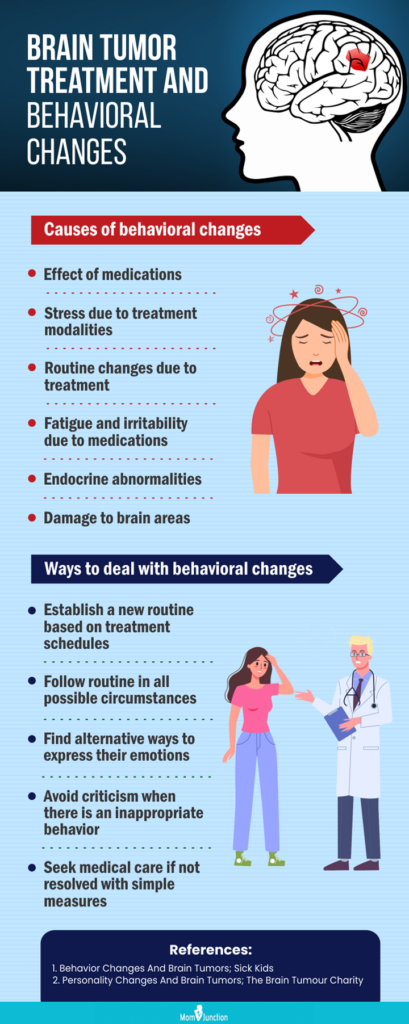
Brain tumor treatments may come with side effects that can impact daily life. It is important to discuss potential side effects with your healthcare team and develop a plan to manage them. Side effects may include fatigue, hair loss, memory or cognitive changes, mood swings, and physical limitations. Supportive care, such as physical therapy, occupational therapy, or counseling, can help manage these side effects and improve overall well-being.
Education and School Support
A brain tumor diagnosis can significantly impact a teenager or young adult’s education and schooling experience. Proper communication with school staff and appropriate accommodations can help ensure a smooth transition and continued academic success.
Communicating with School Staff
Open and clear communication with school staff is key to ensuring your educational needs are met. Informing teachers, counselors, and administrators about the brain tumor diagnosis and any specific challenges or accommodations required can assist in creating a supportive learning environment. Regular meetings and updates will help keep everyone involved and informed.
Accommodations and Individualized Education Plans
Individualized Education Plans (IEPs) or 504 plans can be implemented to provide appropriate accommodations and support in the school setting. These plans outline specific modifications, such as extra time for assignments or exams, preferential seating, or access to specialized services. Working closely with the school’s special education department or guidance counselor can help determine the necessary accommodations and advocate for the student’s needs.
Transitioning Back to School
Returning to school after a brain tumor diagnosis and treatment may require a gradual transition to ensure a successful reintegration. Collaborating with the healthcare team, school staff, and guidance counselors can help develop a personalized plan that takes into account any physical or cognitive changes. Gradual integration, modified schedules, and counseling support can aid in the student’s adjustment back into the academic routine.

Social and Peer Relationships
Maintaining social connections and navigating peer relationships can be challenging for teenagers and young adults with brain tumors. Support and understanding from friends, as well as strategies for dealing with social challenges, can greatly impact overall well-being.
Maintaining Friendships and Relationships
Brain tumor diagnosis and treatment can sometimes lead friends and peers to feel unsure about how to interact with someone going through this experience. Open communication and educating friends about the condition can help maintain and strengthen these relationships. Encouraging friends to ask questions and offering guidance on how to be supportive can foster a sense of understanding and connection.
Dealing with Social Challenges
Teenagers and young adults with brain tumors may face social challenges such as feeling left out, isolated, or misunderstood. It is important to seek support from friends, family, or support groups to process these emotions. Engaging in activities or hobbies that promote social interaction and participation can also help to mitigate social challenges and promote a sense of belonging.
Supportive Peer Networks
Engaging with supportive peer networks, such as brain tumor support groups or online communities, can provide a safe space to connect with others who are going through similar experiences. These networks can offer understanding, emotional support, and practical advice from individuals who have firsthand knowledge of the challenges faced by teenagers and young adults with brain tumors.
Family Support
A brain tumor diagnosis affects not only the individual diagnosed but also their entire family. Understanding the impact on family dynamics and implementing strategies for open communication and support is essential.

Understanding the Impact on Family
A brain tumor diagnosis can bring about significant changes in family dynamics, routines, and priorities. It is normal for family members to experience a range of emotions, including fear, sadness, and stress. Recognizing and understanding the impact on family members can foster empathy and encourage open communication and support within the family unit.
Open and Honest Communication
Open and honest communication within the family is vital during the brain tumor journey. Providing a safe space for everyone to share their thoughts, concerns, and emotions can strengthen family bonds and help in collectively addressing challenges. Regular family meetings or discussions can ensure that everyone feels included and valued in the decision-making process.
Parental Strategies for Support
Parents play a crucial role in supporting their teenager or young adult with a brain tumor diagnosis. It is important for parents to practice self-care, seek their own support, and access resources or counseling services that cater to the unique challenges faced by families affected by brain tumors. Being an advocate for their child’s needs within the healthcare system and school setting can also make a significant difference in their overall well-being.
Financial and Insurance Assistance
Managing the financial aspects of a brain tumor diagnosis can be overwhelming. Understanding medical expenses, seeking financial aid, and navigating insurance coverage are crucial steps in reducing the financial burden.
Navigating Medical Expenses
Medical expenses associated with brain tumor diagnosis and treatment can quickly add up. Understanding the costs involved, such as consultations, scans, surgeries, medications, and follow-up care, is important in planning and budgeting accordingly. Consulting with your healthcare team, insurance provider, or financial advisors can help navigate these expenses and identify potential financial assistance programs.

Seeking Financial Aid
There are various financial aid resources available to assist with medical expenses for individuals and families affected by brain tumors. Researching and applying for grants, scholarships, or charitable organizations can provide much-needed financial support. Organizations specializing in brain tumor assistance may offer financial grants or assistance programs specifically tailored to the needs of teenagers and young adults.
Understanding Insurance Coverage
Understanding the complexities of insurance coverage is key in managing the financial aspects of a brain tumor diagnosis. Reviewing your insurance policy, consulting with insurance representatives, or seeking the assistance of a patient advocate can help navigate the insurance process and ensure maximum coverage for necessary treatments and services. It is important to stay organized and keep records of medical expenses and correspondence with insurance providers.
Nutrition and Physical Well-being
Maintaining a healthy diet and engaging in physical activity are important components of overall well-being for teenagers and young adults with brain tumors.
Supporting a Healthy Diet
Proper nutrition plays a critical role in supporting the body’s ability to heal and recover from a brain tumor diagnosis. Including a variety of fruits, vegetables, whole grains, lean proteins, and healthy fats in your diet can help provide the necessary nutrients for optimal health. Consulting with a registered dietitian or nutritionist can provide personalized guidance on maintaining a well-balanced diet that meets your specific needs.
Exercise and Physical Activity
Engaging in regular exercise and physical activity can have numerous benefits for teenagers and young adults with brain tumors. Exercise can help improve energy levels, reduce fatigue, boost mood, enhance cognitive function, and increase overall physical well-being. It is important to consult with your healthcare team before starting any exercise program to ensure it is safe and appropriate for your specific condition.
Managing Fatigue and Neurological Symptoms
Fatigue and neurological symptoms can be common side effects of brain tumor treatment. It is important to listen to your body and prioritize rest and self-care when needed. Incorporating relaxation techniques, such as deep breathing exercises, meditation, or mindfulness, can help manage fatigue and reduce stress. If symptoms persist or worsen, it’s important to consult with your healthcare team for further evaluation and management options.
Transitioning to Adulthood
For teenagers and young adults with brain tumors, transitioning to adulthood presents unique challenges. Future planning, developing independent living skills, and exploring education and employment options are important considerations during this phase.
Future Planning and Goal Setting
Transitioning to adulthood involves thinking about future plans and setting goals. It can be helpful to work with a guidance counselor, career coach, or mentor to identify interests, strengths, and potential career paths. Goal setting can provide direction and motivation as you navigate the transition from education to employment or further education.
Independent Living Skills
Developing independent living skills is an important aspect of transitioning to adulthood. Skills such as managing personal finances, cooking, transportation, time management, and self-advocacy can contribute to increased confidence, self-reliance, and overall independence. Parents, educational institutions, and vocational programs can offer guidance and support in developing these skills.
Education and Employment Options
Exploring education and employment options is an important step in preparing for adulthood. Colleges, universities, and vocational training programs can provide opportunities for further education and skill development. Considering the physical and cognitive impacts of the brain tumor when selecting educational or employment paths will help ensure a positive and successful transition.
Support Groups and Resources
Accessing support groups and utilizing available resources can provide valuable emotional support, information, and guidance throughout the brain tumor journey.
Local and Online Support Groups
Local and online support groups can connect you with individuals who are experiencing or have experienced similar challenges. These groups offer a safe space to share experiences, ask questions, and receive emotional support. Participating in support groups allows you to connect with others who understand the unique aspects of a brain tumor diagnosis.
Counseling Services
Counseling services, whether individual or family-focused, can be beneficial in processing emotions, addressing concerns, and developing coping strategies. Trained therapists or counselors can provide a supportive and non-judgmental environment to explore your feelings and develop strategies for managing the challenges that come with a brain tumor diagnosis.
Educational Materials and Websites
There are numerous educational materials and websites available that provide valuable information, resources, and support for teenagers, young adults, and their families affected by brain tumors. These resources can offer insights into treatment options, coping strategies, financial aid, and emotional support. Seeking reliable and trusted sources can help in navigating the vast amount of information available online.
In conclusion, navigating the journey of a brain tumor diagnosis as a teenager or young adult can be challenging. Understanding the different types of brain tumors, recognizing common symptoms, and obtaining a proper diagnosis are essential steps in managing this condition. Emotional support, navigating medical care, education and school support, social and peer relationships, family support, financial and insurance assistance, nutrition and physical well-being, transitioning to adulthood, and accessing support groups and resources are all important aspects to consider. With the right support, resources, and a positive mindset, individuals affected by brain tumors can lead fulfilling lives while managing their health and well-being.