
Are you tired of waking up with a sore jaw and a headache? Look no further, because this article has all the tips you need to prevent bruxism and ensure a restful night’s sleep. Bruxism, the grinding or clenching of teeth during sleep, can not only ruin your dental health but also disrupt your sleep patterns. But don’t worry, with some simple techniques and lifestyle changes, you can say goodbye to the discomfort and enjoy a peaceful night’s rest.
Understanding Bruxism
What is Bruxism?
Bruxism is a common condition characterized by the grinding or clenching of teeth. It often occurs involuntarily during sleep, but in some cases, it can also occur while awake. This habitual grinding can cause significant damage to the teeth, jaw, and facial muscles. Bruxism affects both adults and children, and if left untreated, it can lead to various oral health problems and affect overall well-being.
Causes of Bruxism
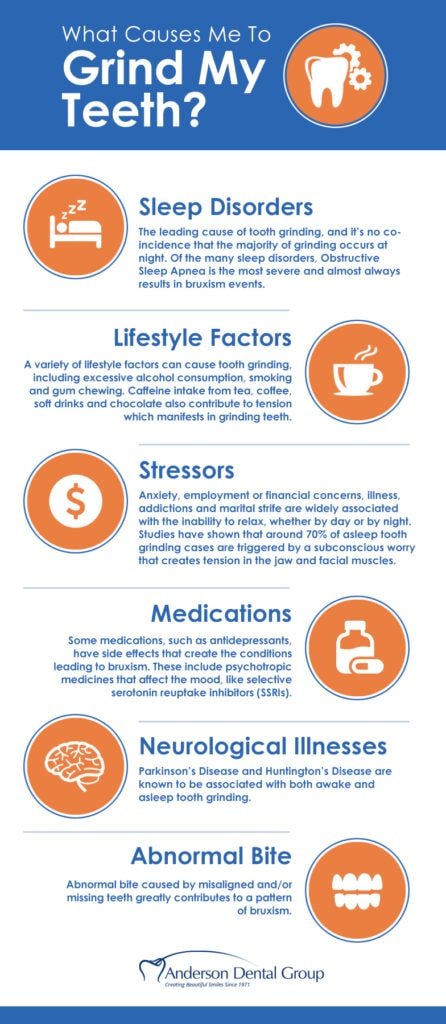
The exact cause of bruxism is still unknown, but several factors have been found to contribute to its development. One of the primary causes is stress and anxiety. When you are under stress, your body releases adrenaline, which can lead to teeth grinding or clenching. Other factors that may contribute to bruxism include an abnormal bite, misaligned teeth, sleep disorders such as sleep apnea, alcohol and drug use, and certain medical conditions like Parkinson’s disease.
Signs and Symptoms of Bruxism
Recognizing the signs and symptoms of bruxism is crucial for early detection and intervention. Some common signs of bruxism include worn-down teeth, flattened tooth surfaces, sensitivity to hot and cold, jaw pain or soreness, headaches, earaches, and facial muscle pain. In severe cases, bruxism can lead to chipped or cracked teeth, receding gums, and temporomandibular joint (TMJ) disorders. If you experience any of these symptoms, it is important to consult with a dentist for proper evaluation and treatment.
Effects of Bruxism
Effect on Teeth
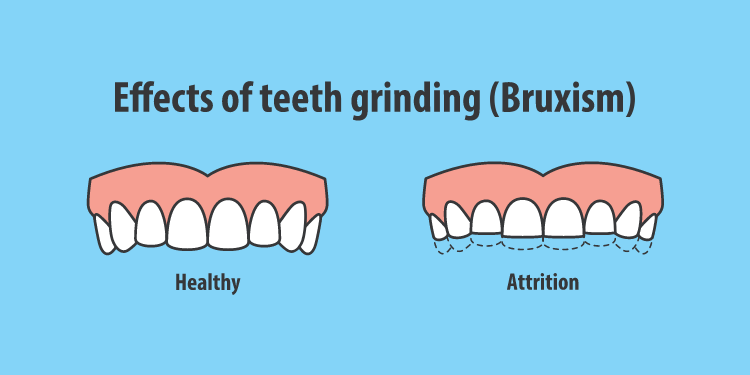
Bruxism exerts excessive force on the teeth, leading to various negative effects on their structure and integrity. The repetitive grinding and clenching can wear down the enamel, the protective outer layer of the teeth, making them more prone to decay, tooth sensitivity, and gum recession. Over time, bruxism may result in the fracturing, chipping, or loosening of teeth, which often requires dental intervention such as fillings, crowns, or even tooth extraction.
Effect on Jaw and Facial Muscles
The constant grinding and clenching of teeth during bruxism put a significant strain on the jaw muscles. This can lead to jaw pain, facial muscle soreness, and even the development of TMJ disorders. TMJ disorders can cause limitations in jaw movement, clicking or grinding sounds in the jaw joint, and chronic pain in the jaw, face, neck, and shoulders. Bruxism-related muscle tension can also contribute to tension headaches and migraines.
Effect on Sleep Quality
Bruxism can have a detrimental impact on sleep quality, both for the individual experiencing it and their sleep partners. The grinding and clenching noises can be disruptive, leading to fragmented sleep and fatigue upon waking. Additionally, the physical tension and discomfort associated with bruxism can make it challenging to fall asleep or to stay asleep throughout the night. Consequently, untreated bruxism can contribute to daytime sleepiness and decreased overall well-being.
Identifying Bruxism
Self-Examination
Self-examination can be a helpful initial step in identifying bruxism. Start by observing any signs like tooth wear and sensitivity, jaw pain, or headaches, and consider if you are often stressed or anxious. Pay attention to any grinding or clenching sensations you may have experienced during the day. If you suspect bruxism, it is essential to seek a professional evaluation from a dentist and potentially other healthcare providers specializing in sleep disorders.
Diagnosis by Dentist
A dentist can diagnose bruxism through a comprehensive examination of your teeth and oral structures. They will assess the condition of your teeth, looking for signs of wear, fractures, or other indications of grinding. The dentist may also ask about your symptoms, medical history, and sleep patterns. In some cases, a dentist may recommend a sleep study to evaluate bruxism episodes during sleep and rule out other sleep-related disorders that may contribute to your symptoms.
Lifestyle Changes for Bruxism Prevention
Stress Reduction Techniques
Since stress is a significant factor in bruxism, managing stress levels can help prevent or reduce grinding and clenching. Engaging in stress reduction techniques such as exercise, deep breathing exercises, mindfulness meditation, and yoga can help relax both the mind and body. Additionally, finding healthy outlets for stress, such as engaging in hobbies or seeking support from loved ones, can contribute to overall stress reduction.
Good Sleep Hygiene
Maintaining good sleep hygiene plays a vital role in managing bruxism. Establishing a consistent sleep schedule, ensuring a comfortable sleep environment, and practicing relaxation techniques before bedtime can promote restful sleep and minimize bruxism episodes. Limiting caffeine and electronic device use close to bedtime can also improve sleep quality. It is also beneficial to avoid stimulating activities or stressful situations near bedtime.
Dietary Adjustments
Certain dietary adjustments may help reduce the likelihood of bruxism. Avoiding stimulating substances such as caffeine, nicotine, and alcohol, especially in the evening, can decrease the chances of teeth grinding during sleep. Additionally, incorporating a balanced diet rich in essential nutrients, including magnesium and calcium, can promote optimal muscle function and potentially alleviate bruxism symptoms.
Oral Appliances
Nightguards
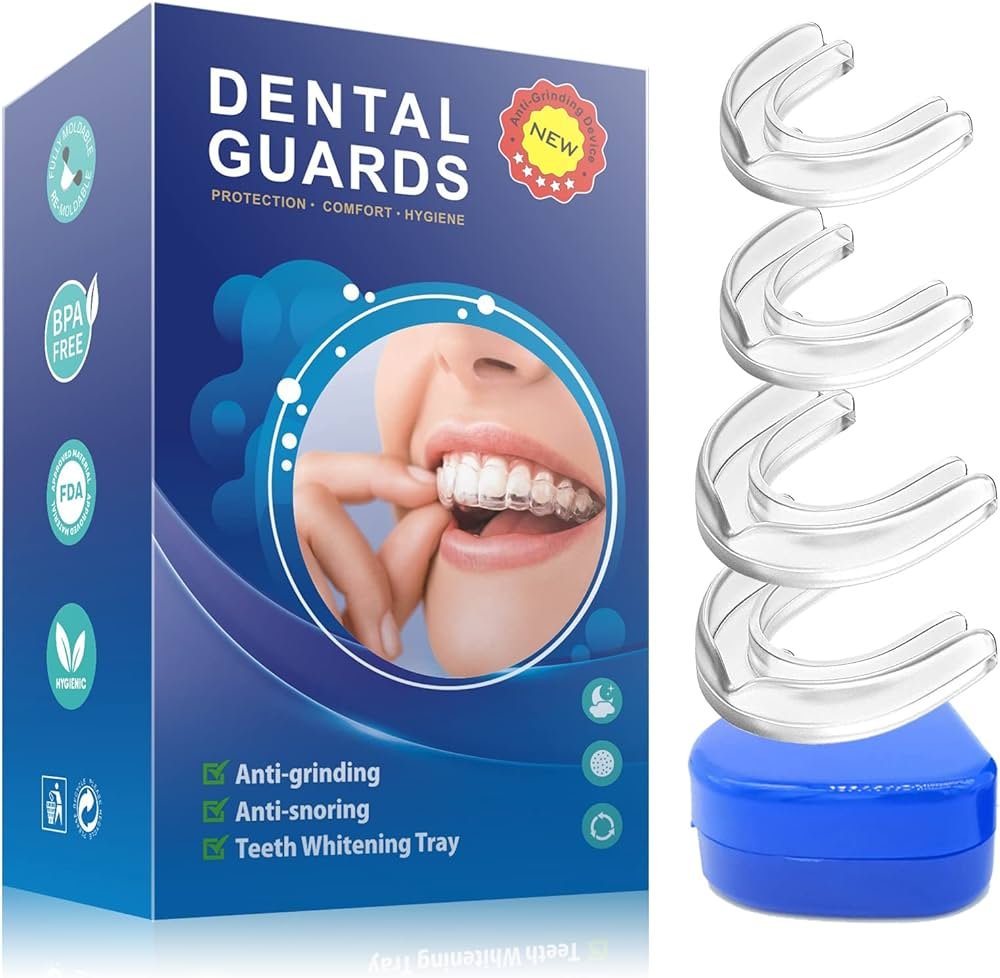
Nightguards, also known as dental splints, are custom-made oral appliances that fit over your teeth to prevent grinding and clenching during sleep. They provide a protective barrier between the upper and lower teeth, reducing the force exerted on the teeth and jaw muscles. Nightguards are usually made from durable and resilient materials that can withstand the pressure of grinding. Your dentist can create a personalized nightguard that fits comfortably and securely in your mouth.
Mouthguards
Mouthguards, commonly worn during sports activities, can also be an effective solution for bruxism. While they primarily protect against oral injuries, they can also act as a cushion, preventing the grinding and clenching of teeth during sleep. Over-the-counter mouthguards are available, but a custom-fitted mouthguard from a dentist offers a better fit and greater efficacy in managing bruxism symptoms.
Splints
Splints are dental appliances specifically designed to address the underlying causes of bruxism, such as malocclusion or jaw misalignment. These appliances help correct the positioning of the jaw, reducing the strain on the temporomandibular joint and muscles. Splints are typically recommended for severe cases of bruxism and are custom-made by a dentist to ensure a proper fit and alignment.
Behavioral Therapy
Cognitive Behavioral Therapy
Cognitive Behavioral Therapy (CBT) is a psychological intervention that can be effective in managing bruxism. CBT aims to identify and modify the negative thoughts and behaviors associated with bruxism. A therapist can help you recognize triggers, develop coping strategies, and implement relaxation techniques to reduce the frequency and intensity of bruxism episodes.
Biofeedback
Biofeedback is a technique that helps individuals become more aware of their body’s physiological responses and learn to control them. In the context of bruxism, biofeedback therapy can involve using devices that measure muscle tension or jaw movements. By monitoring these measurements, individuals can learn to recognize the early signs of bruxism and employ relaxation techniques to prevent or reduce grinding and clenching.
Habit Reversal Training
Habit Reversal Training (HRT) is a behavioral therapy technique frequently used for managing repetitive behaviors, including bruxism. It involves identifying the triggers for bruxism and substituting them with a competing response that is incompatible with grinding or clenching. Through HRT, individuals can learn techniques such as placing the tongue between the teeth or gently biting down on the tongue to prevent grinding.
Muscle Relaxation Techniques
Progressive Muscle Relaxation
Progressive Muscle Relaxation (PMR) is a relaxation technique that involves systematically tensing and relaxing different muscle groups. By repeatedly tensing and releasing muscles, individuals can learn to recognize and reduce muscle tension, including the tension associated with bruxism. Regular practice of PMR before bedtime or during moments of stress can help relax the jaw and facial muscles, potentially reducing the occurrence of bruxism episodes.
Yoga and Meditation
Yoga and meditation are holistic practices that have been recognized for their stress-reducing and relaxation benefits. Engaging in yoga poses that target jaw and facial muscles, as well as incorporating meditation techniques, can promote overall relaxation and decrease the likelihood of grinding or clenching. Participating in regular yoga classes or following online yoga tutorials can provide guidance on specific exercises beneficial for managing bruxism.
Heat and Cold Therapy
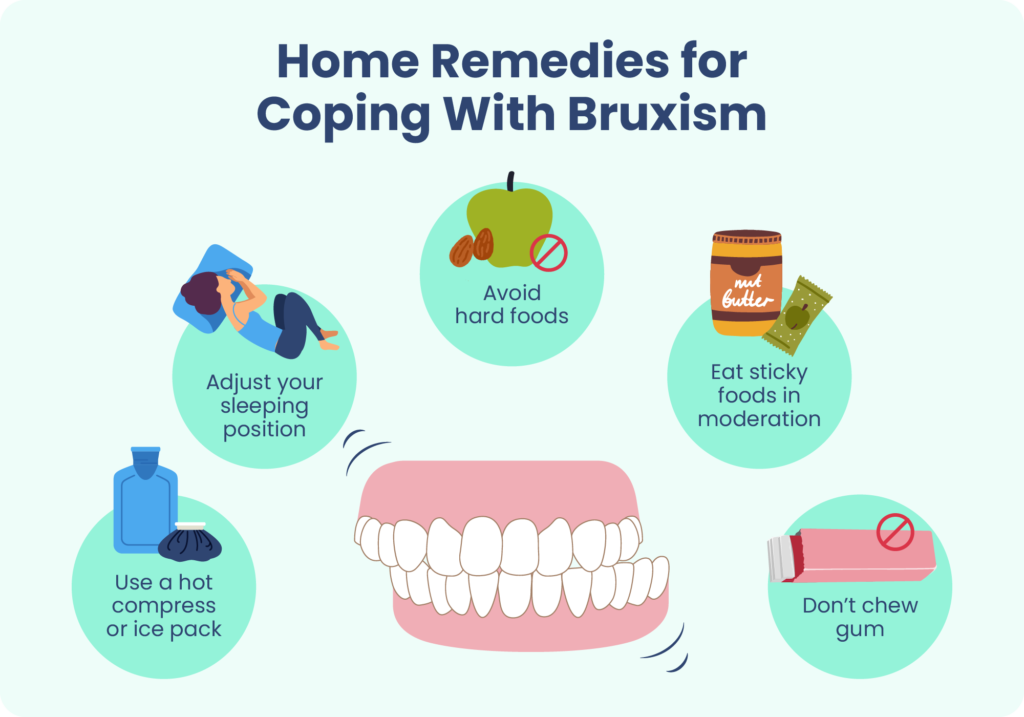
Applying heat or cold therapy to the jaw and facial muscles can help alleviate discomfort and relax tense muscles associated with bruxism. Warm compresses or heating pads can be applied to the jaw area to ease muscle tension, while cold packs or ice wrapped in a cloth can help reduce inflammation. Alternating between heat and cold therapy can further enhance muscle relaxation and provide relief from bruxism symptoms.
Dental Treatments
Dental Correction
Dental correction treatments aim to address any structural issues in the mouth that may contribute to bruxism. This may involve orthodontic treatment to correct bite misalignments or the use of dental restorations such as crowns or veneers to improve the alignment and stability of the teeth. By improving the overall dental alignment, excessive tooth wear and grinding can be reduced, minimizing the impact of bruxism on oral health.
Tooth Resurfacing
Tooth resurfacing, also known as dental reshaping, involves adjusting the shape and surface of the teeth to create a more balanced bite and reduce the effects of bruxism. The dentist carefully removes small amounts of tooth enamel to reshape the teeth, improving their alignment and reducing the forces placed on them during grinding. This procedure can help alleviate tooth sensitivity and prevent further damage caused by bruxism.
Bite Adjustment
In some cases, a misaligned bite may contribute to bruxism episodes. By adjusting the bite through orthodontic treatment or dental restorations, the forces exerted on the teeth and jaw can be more evenly distributed, reducing the likelihood of grinding and clenching. Bite adjustment not only promotes oral health but can also improve overall facial symmetry and alleviate associated discomfort.
Medication Options
Muscle Relaxants
Muscle relaxants may be prescribed to reduce muscle tension related to bruxism. These medications help relax the jaw and facial muscles, reducing the frequency and intensity of grinding and clenching. However, they are typically prescribed for short-term use due to the potential for side effects and dependency. It is important to consult with a healthcare professional to determine the appropriateness of muscle relaxants for bruxism management.
Botox Injections
Botox injections have shown potential in managing bruxism by paralyzing the muscles responsible for grinding and clenching. By injecting small amounts of botulinum toxin into the specific muscle groups, the intensity of muscle contractions can be reduced, minimizing the impact of bruxism. Botox injections for bruxism require evaluation by a healthcare professional experienced in administering the treatment.
Antidepressants
In certain cases, antidepressant medications may be prescribed to manage bruxism. Tricyclic antidepressants and selective serotonin reuptake inhibitors (SSRIs) have been found to help reduce grinding and clenching episodes. It is important to note that these medications may have other side effects and should be prescribed and monitored by a qualified healthcare professional.
Alternative Remedies
Acupuncture
Acupuncture is an ancient Chinese practice that involves inserting thin needles into specific points of the body to promote healing and restore balance. It has been suggested as a potential alternative remedy for managing bruxism. Acupuncture may help reduce stress, promote relaxation, and rebalance the body’s energy, which can potentially alleviate bruxism symptoms. Consulting with a licensed acupuncturist can provide more information on the suitability and effectiveness of acupuncture for bruxism.
Herbal Supplements
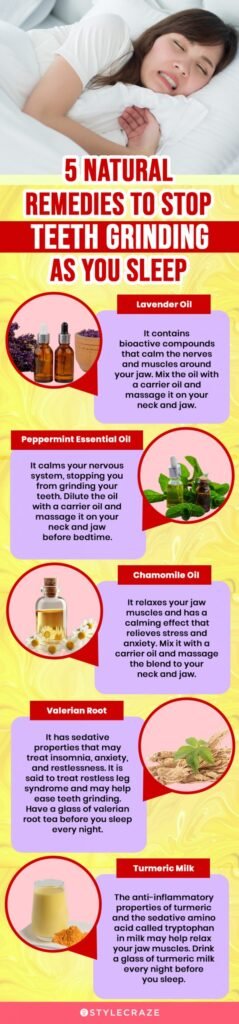
Some herbal supplements have been explored for their potential to manage bruxism symptoms. Valerian root, chamomile, and passionflower are among the herbs that are believed to have calming and relaxing properties, promoting a sense of tranquility and potentially reducing grinding and clenching. However, it is important to consult with a healthcare professional before taking any herbal supplements, as they may interact with other medications or have adverse effects.
Aromatherapy
Aromatherapy involves the use of essential oils to promote relaxation and alleviate stress. Certain essential oils, such as lavender, chamomile, and bergamot, are known for their calming properties and may help reduce bruxism episodes. They can be diffused, added to a warm bath, or applied topically with a carrier oil. It is essential to use high-quality essential oils and follow proper dilution guidelines to ensure safety and effectiveness.
In conclusion, bruxism is a common condition that can have significant negative effects on teeth, jaw and facial muscles, and sleep quality. It is crucial to understand the causes, signs, and symptoms of bruxism to seek appropriate diagnosis and treatment. Lifestyle changes, oral appliances, behavior therapy, muscle relaxation techniques, dental treatments, medication options, and alternative remedies are all potential avenues for managing bruxism. Consulting with healthcare professionals and dentists experienced in sleep disorders and bruxism can guide individuals towards effective solutions and a more restful night’s sleep.