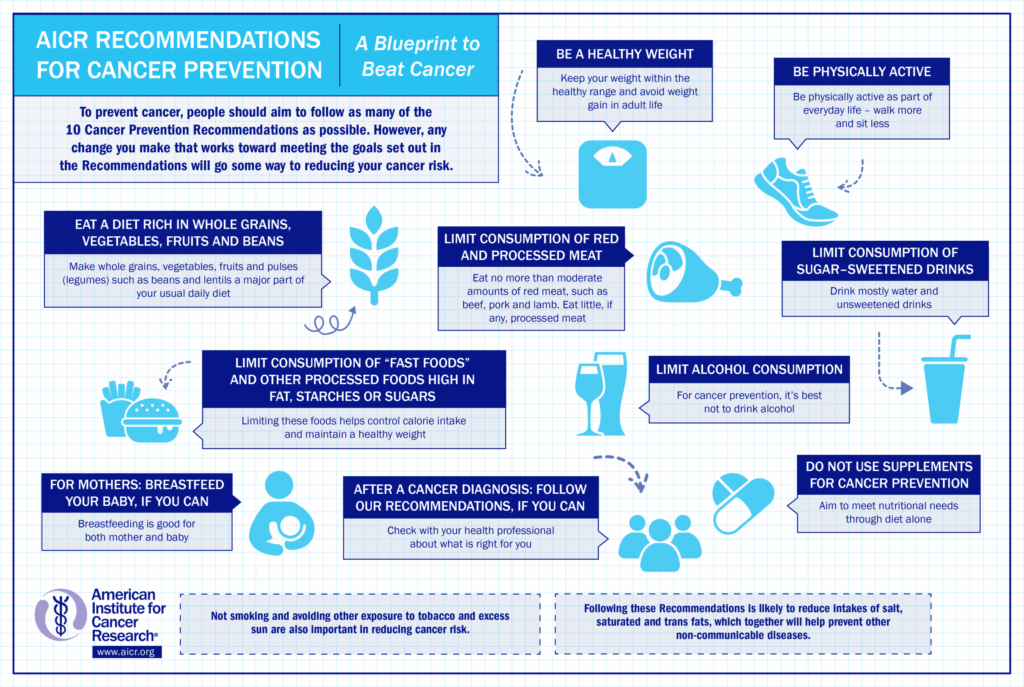
Imagine a world where cancer is no longer a menacing threat, where the debilitating effects of this disease no longer haunt our loved ones. In the quest for a cancer-free future, lifestyle changes and regular cancer screenings play a crucial role. By adopting healthier habits and staying vigilant through screenings, you hold the power to protect yourself and those around you from the grips of cancer. In this article, we will explore the significance of lifestyle modifications and screening protocols in preventing the onset or early detection of this devastating illness.
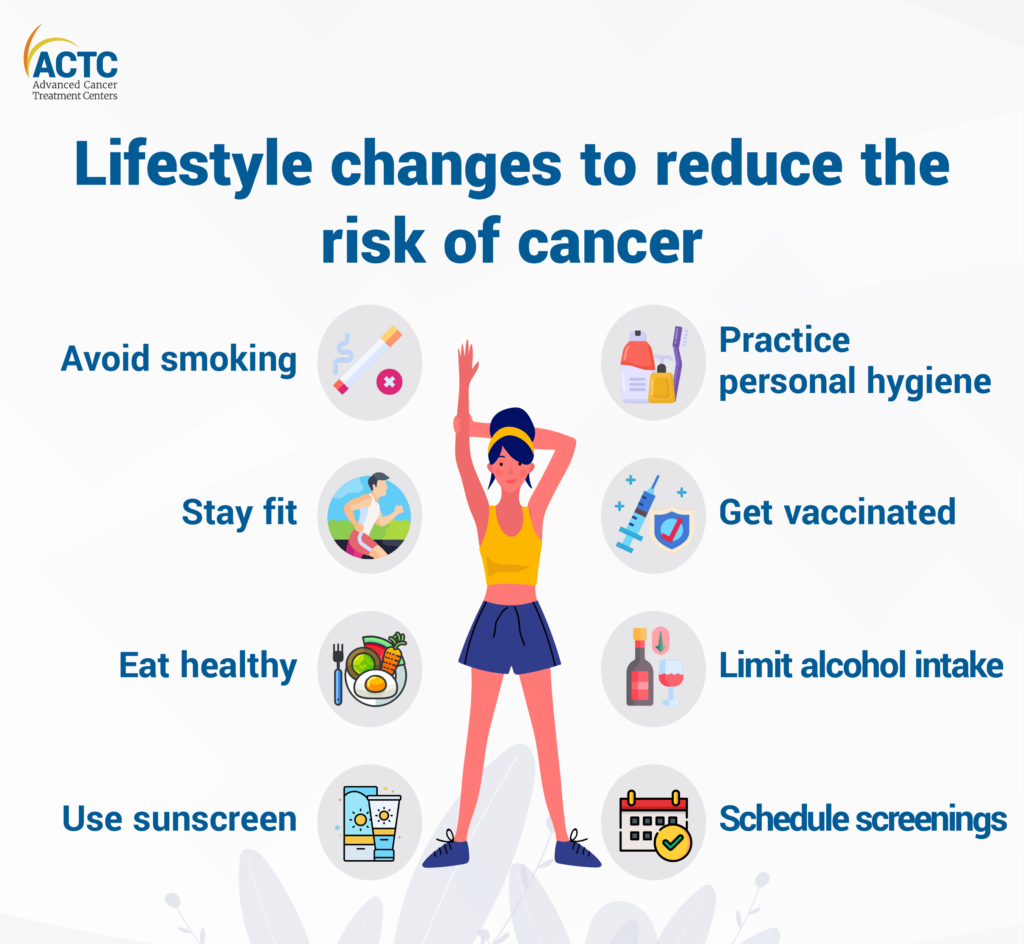
Lifestyle Changes
Maintaining a Healthy Weight
Maintaining a healthy weight is crucial for overall well-being and helps reduce the risk of various types of cancer. Obesity is a major risk factor for several cancers, including breast, colorectal, and prostate cancer. To maintain a healthy weight, it’s important to strike a balance between the calories you consume and the calories you burn through physical activity. Adopting healthy eating habits and staying physically active can greatly contribute to achieving and maintaining a healthy weight.
Eating a Balanced Diet
A balanced diet plays a pivotal role in preventing cancer and promoting overall health. Include a variety of fruits, vegetables, whole grains, and lean proteins in your diet. These foods are rich in essential nutrients, antioxidants, and other bioactive compounds that help protect your cells from damage and reduce the risk of cancer. It’s also important to limit the intake of processed and red meats, as they have been linked to an increased risk of several cancers.
Increasing Physical Activity
Regular physical activity not only helps maintain a healthy weight but also reduces the risk of cancer. Aim for at least 150 minutes of moderate-intensity aerobic activity or 75 minutes of vigorous-intensity aerobic activity every week. Engage in activities you enjoy, such as walking, swimming, or dancing, to make exercise a fun part of your routine. Additionally, incorporating strength training exercises twice a week can further enhance your overall health and reduce the risk of cancer.
Limiting Alcohol Consumption
Excessive alcohol consumption can significantly increase the risk of developing certain types of cancer, including breast, liver, and colorectal cancer. It’s recommended to limit alcohol intake to moderate levels. For women, this means no more than one standard drink per day, and for men, no more than two standard drinks per day. Excessive drinking should be avoided altogether to lower the risk of cancer and other health complications.
Avoiding Tobacco Products
Tobacco use is a leading cause of preventable cancer deaths worldwide. It’s crucial to adopt a smoke-free lifestyle to reduce the risk of several types of cancer, including lung, mouth, throat, and bladder cancer. If you smoke, seek support to quit smoking. Avoiding secondhand smoke is also essential, as it can have detrimental effects on your health. Embracing a tobacco-free lifestyle not only reduces the risk of cancer but also improves overall health and well-being.
Protecting Yourself from the Sun
Excessive exposure to ultraviolet (UV) radiation from the sun or artificial sources, such as tanning beds, increases the risk of skin cancer. Protecting yourself from the sun’s harmful rays is essential for preventing skin cancer. Whenever possible, seek shade during peak sun hours, usually between 10 a.m. and 4 p.m. Wear protective clothing, including wide-brimmed hats and sunglasses, and regularly apply a broad-spectrum sunscreen with a minimum sun protection factor (SPF) of 30.
Limiting Exposure to Harmful Substances
Limiting exposure to harmful substances in your environment can greatly reduce the risk of cancer. Minimize your exposure to toxic chemicals at home or in the workplace. Follow safety guidelines and use protective gear, such as gloves or masks, when handling potentially harmful substances. Be cautious of environmental pollutants and make efforts to reduce your exposure. By being mindful of potential carcinogens and taking necessary precautions, you can significantly lower your risk of cancer.
Promoting Good Sleep Habits
Getting enough quality sleep is crucial for maintaining optimal health and reducing the risk of cancer. Aim for seven to nine hours of sleep per night. Establish a consistent sleep schedule, creating a relaxing bedtime routine, and creating a sleep-friendly environment can greatly improve your sleep quality. Adequate and restful sleep allows your body to repair and regenerate cells, boosting your immune system and reducing the risk of developing cancer and other chronic diseases.
Managing Stress
Chronic stress can have detrimental effects on your physical and mental health, including an increased risk of cancer. Finding healthy ways to manage stress is crucial for maintaining overall well-being. Engage in activities that help you relax and unwind, such as meditation, yoga, or spending time in nature. Consider seeking support from friends, family, or professionals if you’re experiencing excessive stress. By effectively managing stress, you can improve your immune function and reduce the risk of cancer.
Staying Updated with Vaccinations
Vaccinations play a vital role in preventing certain types of cancer. Stay updated with recommended vaccinations, such as the human papillomavirus (HPV) vaccine, which helps protect against cervical, anal, and other HPV-related cancers. Additionally, the hepatitis B vaccine can lower the risk of liver cancer, and the pneumococcal vaccine can help prevent certain types of lung cancer. Consult with your healthcare provider to ensure you are up to date with the necessary vaccinations to protect yourself against potential cancer risks.
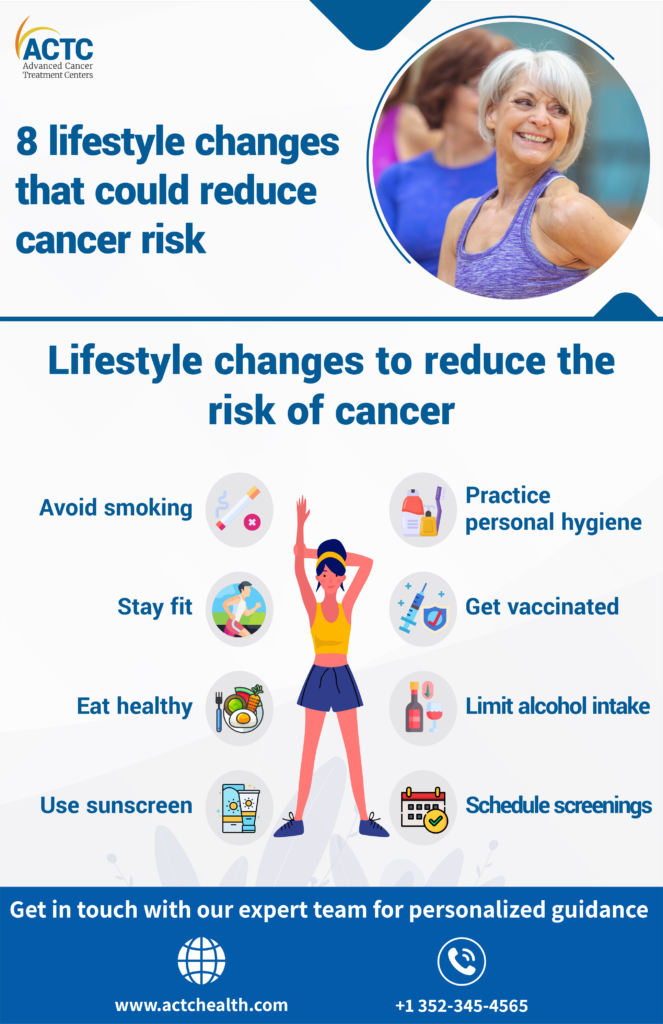
Screening Methods
Breast Cancer Screening
Breast cancer screening involves regular examinations and tests to detect breast cancer at its early stages, when treatment options are more effective. Women are advised to perform regular self-breast exams and seek clinical breast examinations as recommended by their healthcare provider. Mammograms, a type of X-ray examination, are used for breast cancer screening in women aged 40 and older. It is crucial to adhere to the recommended screening guidelines and consult with a healthcare professional for personalized advice.
Cervical Cancer Screening
Cervical cancer screening aims to detect abnormal changes in the cervix that could potentially develop into cancer. The Pap test, also known as Pap smear, is a common screening method for cervical cancer. It involves collecting cells from the cervix and examining them for any abnormalities. Additionally, testing for human papillomavirus (HPV) is often recommended, as HPV infection is a major risk factor for cervical cancer. Regular cervical cancer screening, as advised by healthcare professionals, is essential for early detection and better treatment outcomes.
Colorectal Cancer Screening
Colorectal cancer screening helps detect precancerous polyps or early-stage cancer in the colon or rectum. Several screening methods are available, including fecal occult blood testing, flexible sigmoidoscopy, colonoscopy, and virtual colonoscopy. The specific screening method and frequency depend on individual risk factors and guidelines recommended by healthcare professionals. Early detection through regular screening can significantly increase the chances of successful treatment and improve outcomes for colorectal cancer.
Lung Cancer Screening
Lung cancer screening is recommended for individuals at high risk, usually aged 55 to 80 years, who have a significant smoking history. Low-dose computed tomography (LDCT) scans are used for lung cancer screening, as they can detect lung abnormalities at an early stage. It is important to consult with a healthcare professional to determine if you meet the criteria for lung cancer screening and to discuss the potential benefits and risks associated with the screening.
Prostate Cancer Screening
Prostate cancer screening involves a range of tests that aim to detect prostate cancer in its early stages. Common screening methods include blood tests to measure prostate-specific antigen (PSA) levels and digital rectal exams (DRE) to check for any abnormalities in the prostate. The decision to undergo prostate cancer screening should be based on an individual’s risk factors, personal preferences, and discussions with healthcare professionals. Screening may not be suitable for everyone, and the potential benefits and risks should be carefully considered.
Skin Cancer Screening
Skin cancer, including melanoma, can often be detected early through regular skin examinations. Skin self-exams are important to identify any changes in moles, freckles, or other skin lesions. A professional skin examination by a dermatologist is recommended for individuals with a high risk of skin cancer, such as those with a family history or extensive sun exposure. Early detection through regular skin cancer screenings can lead to timely intervention and improved outcomes.
Oral Cancer Screening
Oral cancer screening involves a thorough examination of the mouth, gums, tongue, and throat to detect any signs of oral cancer or precancerous conditions. Dentists and healthcare professionals can conduct oral cancer screenings during routine dental check-ups. Regular dental visits are crucial for early detection and prompt treatment of oral cancer, especially for individuals with high-risk factors such as tobacco or alcohol use, HPV infection, or a family history of oral cancer.
Ovarian Cancer Screening
Ovarian cancer screening is a complex and evolving area, as there is currently no widely accepted screening test for ovarian cancer. Transvaginal ultrasound and blood tests like CA-125 levels have been used as screening tools, but their effectiveness in reducing mortality is still under investigation. Women with a family history of ovarian or breast cancer may be candidates for genetic testing and counseling to assess their risk. It’s important to consult with healthcare professionals to discuss individual risk factors and recommended strategies for ovarian cancer detection.
Testicular Cancer Screening
Testicular cancer is relatively rare, and routine screening is not typically recommended for the general population. However, testicular self-examination can help detect any unusual changes in the testicles, such as lumps or swelling. Regular self-exams, especially for individuals with a family history or other risk factors, can promote early detection and timely medical intervention. If you notice any abnormalities or concerns, consult with a healthcare professional immediately.
Genetic Testing and Counseling
Genetic testing and counseling can play a significant role in cancer prevention and early detection for individuals with a family history of certain types of cancer. These tests can help identify specific genetic mutations that increase the risk of developing certain cancers. With the guidance of genetics professionals, individuals can make informed decisions about preventive measures, screening protocols, and potential treatment options. Genetic testing and counseling provide valuable information to individuals and their families, empowering them to take proactive steps towards cancer prevention and personalized healthcare.
Preventing and detecting cancer through lifestyle changes and screening methods are essential for maintaining optimal health and reducing the burden of this disease. By adopting healthy habits, staying proactive about your health, and prioritizing regular screenings, you can significantly lower your risk of cancer and increase the chances of early detection, leading to better treatment outcomes. Remember, your choices and actions matter when it comes to preventing and managing cancer, so take control of your health and make positive changes today.