
Living with Carpal Tunnel Syndrome can be a frustrating and painful experience, but there are natural remedies out there that can help alleviate the symptoms. From simple exercises and stretches to herbal remedies and ergonomic adjustments, there are a variety of options available to help reduce inflammation, ease pain, and improve overall hand and wrist function. In this article, we will explore some effective natural remedies that can provide relief for those suffering from Carpal Tunnel Syndrome. So, if you’re looking for alternative ways to manage your symptoms and enhance your quality of life, keep reading for some valuable tips and tricks.
Understanding Carpal Tunnel Syndrome
Carpal Tunnel Syndrome (CTS) is a condition that affects the wrist and hand, causing pain, numbness, and tingling sensations. It occurs when the median nerve, which runs from the forearm to the hand, becomes compressed or squeezed as it passes through the carpal tunnel in the wrist. This tunnel is made up of bones and a strong band of tissue called the transverse carpal ligament.
What is Carpal Tunnel Syndrome?
Carpal Tunnel Syndrome is a common condition that affects millions of people worldwide. It is often associated with repetitive hand or wrist movements, such as typing on a keyboard or using a mouse for extended periods of time. However, it can also be caused by conditions such as diabetes, arthritis, or wrist fractures that narrow the carpal tunnel and put pressure on the median nerve.

Causes of Carpal Tunnel Syndrome
The exact cause of Carpal Tunnel Syndrome is not always clear, but several factors can contribute to its development. Repetitive hand and wrist movements, especially those involving strong gripping or forceful exertion, can put strain on the median nerve and contribute to its compression. Other factors that may increase the risk of developing CTS include obesity, pregnancy, hormonal changes, certain medical conditions, and genetic factors.
Symptoms of Carpal Tunnel Syndrome
The symptoms of Carpal Tunnel Syndrome can vary from person to person, but often include pain, numbness, tingling, and weakness in the hand and fingers. These symptoms typically start gradually and are more common at night. Some individuals may also experience a sensation of swelling in the fingers, even though no actual swelling is present. Over time, if left untreated, Carpal Tunnel Syndrome can lead to muscle weakness and permanent nerve damage.

Diagnosing Carpal Tunnel Syndrome
If you are experiencing symptoms consistent with Carpal Tunnel Syndrome, it is important to seek medical attention for an accurate diagnosis. A healthcare professional will typically begin by taking a thorough medical history and conducting a physical examination of the affected hand and wrist. They may also order additional tests, such as electromyography (EMG) or nerve conduction studies, to assess the nerve function and confirm the diagnosis.
Conventional Treatment Options
Conventional treatment options for Carpal Tunnel Syndrome often focus on relieving symptoms and reducing inflammation and pressure on the median nerve. Non-steroidal anti-inflammatory drugs (NSAIDs) may be prescribed to reduce pain and swelling. In some cases, a wrist splint or brace may be recommended to stabilize the wrist and maintain a neutral position. If conservative measures do not provide relief, corticosteroid injections or surgery to release the pressure on the median nerve may be considered.

Benefits of Natural Remedies
While conventional treatment options can be effective, some individuals prefer to explore natural remedies for relieving the symptoms of Carpal Tunnel Syndrome. Natural remedies are often safe, affordable, and can be used in conjunction with conventional treatments. They may help reduce pain, inflammation, and promote healing by addressing the underlying causes of CTS. Incorporating natural remedies into your treatment plan can also empower you to take control of your health and well-being.
Natural Remedies for Relieving Carpal Tunnel Syndrome
-
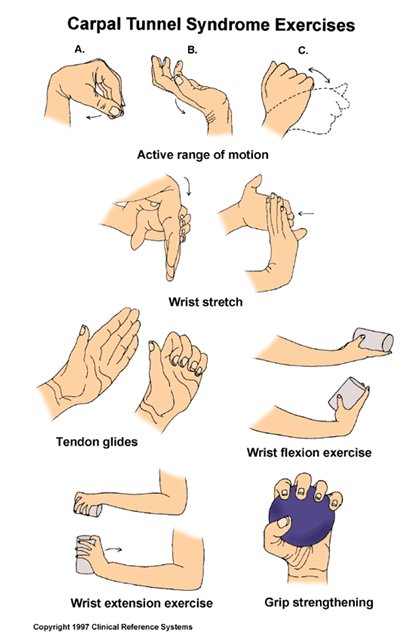
Stretching exercises: Gentle stretching exercises for the fingers, wrist, and forearm can help improve flexibility, reduce muscle tension, and alleviate CTS symptoms. These exercises can be performed several times a day and are especially beneficial before and after engaging in activities that may exacerbate symptoms.
-
Wrist splints and braces: Wearing a wrist splint or brace can help stabilize the wrist, maintain proper alignment, and relieve pressure on the median nerve. These devices are often worn at night during sleep or during activities that may aggravate symptoms, such as typing or using a computer mouse.
-
Hot and cold therapy: Applying heat or cold to the affected area can provide temporary relief from pain and inflammation. Heat therapy, such as warm compresses or a heating pad, can promote blood circulation and relax muscles. Cold therapy, such as ice packs or cold compresses, can help reduce swelling and numb the area.
-
Ergonomic modifications in the workplace: Making ergonomic adjustments to your workspace can help reduce strain on the wrists and hands. This may include using an ergonomic keyboard and mouse, adjusting the height of your chair and desk, and maintaining proper posture while working.
-
Massage therapy: Regular massage therapy can help relax muscles, improve blood flow, and alleviate pain and tension associated with Carpal Tunnel Syndrome. A trained massage therapist can target specific areas of the hand, wrist, and forearm to provide relief and promote healing.
-
Yoga and meditation techniques: Practicing yoga and meditation can help reduce stress and tension in the body, including the hands and wrists. Certain yoga poses and stretching exercises can improve flexibility and promote relaxation, while meditation techniques can calm the mind and reduce pain perception.
-
Acupuncture: Acupuncture involves the insertion of thin needles into specific points on the body to promote balance and healing. It is believed to help stimulate the release of endorphins, which are natural pain-relieving chemicals. Acupuncture may be an effective complementary therapy for alleviating the symptoms of Carpal Tunnel Syndrome.
-
Herbal remedies: Certain herbal remedies, such as turmeric, ginger, and devil’s claw, have anti-inflammatory properties that may help reduce pain and inflammation associated with Carpal Tunnel Syndrome. These herbs can be taken orally as supplements or used topically in the form of creams or ointments.
-
Nutritional supplements: Some individuals have found relief from Carpal Tunnel Syndrome symptoms by supplementing their diet with certain vitamins and minerals. Vitamin B6, vitamin B12, magnesium, and omega-3 fatty acids are commonly recommended for their potential anti-inflammatory and nerve-protective properties.
-
Essential oils for pain relief: Essential oils, such as lavender, peppermint, and eucalyptus, can provide natural pain relief and relaxation when applied topically or used in aromatherapy. These oils can be diluted with a carrier oil and gently massaged into the affected areas for soothing relief.

Lifestyle Changes to Manage Carpal Tunnel Syndrome
In addition to incorporating natural remedies into your treatment plan, certain lifestyle changes can help manage Carpal Tunnel Syndrome and reduce the frequency and severity of symptoms.
-
Take regular breaks: If you engage in activities that require repetitive hand or wrist movements, such as typing or using a computer mouse, take regular breaks to give your muscles and nerves time to rest and recover.
-
Maintain good posture: Practice good posture while sitting and standing to reduce strain on the wrists and promote proper alignment of the spine. Sit up straight, keep your shoulders relaxed, and avoid slouching or hunching over.
-
Use proper ergonomics: Ensure that your workstation is set up ergonomically by adjusting the height of your chair and desk, positioning the keyboard and mouse at a comfortable distance, and using wrist rests for support.
-
Manage stress levels: Stress can exacerbate symptoms of Carpal Tunnel Syndrome. Find healthy ways to manage stress, such as practicing relaxation techniques, engaging in physical activity, or seeking support from friends, family, or a healthcare professional.
-
Exercise regularly: Regular exercise, particularly exercises that strengthen the muscles of the hands, wrists, and forearms, can help improve flexibility, reduce tension, and promote overall hand and wrist health.
-
Maintain a healthy weight: Excess body weight can put additional strain on the wrists and increase the risk of developing Carpal Tunnel Syndrome. Maintaining a healthy weight through a balanced diet and regular exercise can help reduce the pressure on the median nerve.
Preventing Carpal Tunnel Syndrome
While it may not always be possible to prevent Carpal Tunnel Syndrome, certain measures can help reduce the risk of developing the condition or alleviate symptoms.
-
Practice proper keyboard and mouse techniques: Use a light touch when typing or using a computer mouse, and avoid excessive force or gripping. Rest your hands and wrists on a soft support, such as a wrist rest, while typing to minimize strain.
-
Use supportive devices: Consider using supportive devices, such as an ergonomic keyboard or mouse, to reduce strain on the wrists and hands during computer-related activities.
-
Strengthening exercises for hand and wrist muscles: Regularly engage in exercises that strengthen the muscles of the hands and wrists to improve flexibility and reduce the risk of developing Carpal Tunnel Syndrome.
-
Avoid repetitive wrist movements: If possible, avoid or minimize activities that involve repetitive wrist movements, such as prolonged typing or excessive use of hand tools.
-
Maintain a neutral wrist position: Keep your wrists in a neutral position, neither too flexed nor too extended, to reduce strain on the median nerve. Use wrist supports or splints if necessary to maintain proper alignment.
By understanding Carpal Tunnel Syndrome and exploring natural remedies and lifestyle changes, you can take a proactive approach to managing and alleviating the symptoms of this condition. Remember to consult with a healthcare professional before beginning any new treatment or making significant changes to your lifestyle to ensure the best possible outcome for your individual situation.