
Are you tired of dealing with cellulite and longing for smooth, flawless skin? If so, then this article is for you. In this comprehensive guide, we will unravel the mystery behind cellulite, exploring its causes and shedding light on the most effective treatments available. Get ready to say goodbye to dimpled skin as we arm you with the knowledge and solutions necessary to conquer cellulite once and for all.
Causes of Cellulite
Genetics
Genetics play a significant role in determining whether or not you will develop cellulite. If your mother or grandmother had cellulite, there’s a good chance that you may also be prone to it. This is because certain genetic factors can influence the structure and function of your connective tissues, which can affect the appearance of cellulite.
Hormonal Factors
Hormonal fluctuations can also contribute to the development of cellulite. Estrogen, in particular, plays a key role in the formation of cellulite. This hormone can affect the balance of fat storage and circulation in the body, resulting in the accumulation of fat cells and the weakening of connective tissues. Hormonal changes during puberty, pregnancy, and menopause can increase the likelihood of cellulite formation.
Lifestyle Factors
Your lifestyle choices can have a significant impact on the presence of cellulite. Factors such as smoking, excessive alcohol consumption, and a sedentary lifestyle can all contribute to the development of cellulite. Smoking damages the blood vessels and impairs circulation, which can hinder the body’s ability to eliminate toxins and excess fat. Similarly, alcohol can negatively affect circulation and contribute to the breakdown of collagen, leading to the appearance of cellulite. Lack of exercise, especially involving strength training, can result in weakened muscles and increased fat accumulation, exacerbating the appearance of cellulite.
Dietary Factors
Your diet plays a crucial role in the development of cellulite. Consuming a diet high in processed foods, saturated fats, and sugars can increase inflammation in the body and promote the storage of excess fat. These dietary choices can also impact collagen production and compromise the elasticity of your skin, making the appearance of cellulite more pronounced. On the other hand, a nutrient-rich diet that includes fruits, vegetables, whole grains, and lean proteins can help support healthy skin and reduce the visibility of cellulite.
Lack of Physical Activity
A sedentary lifestyle devoid of regular physical activity can contribute to the formation of cellulite. Engaging in regular exercise helps improve circulation, boost metabolism, and tone the muscles. By neglecting physical activity, you miss out on the opportunity to strengthen and tone the connective tissues that support your skin, leading to an increased likelihood of cellulite development.
Understanding Cellulite
What is Cellulite
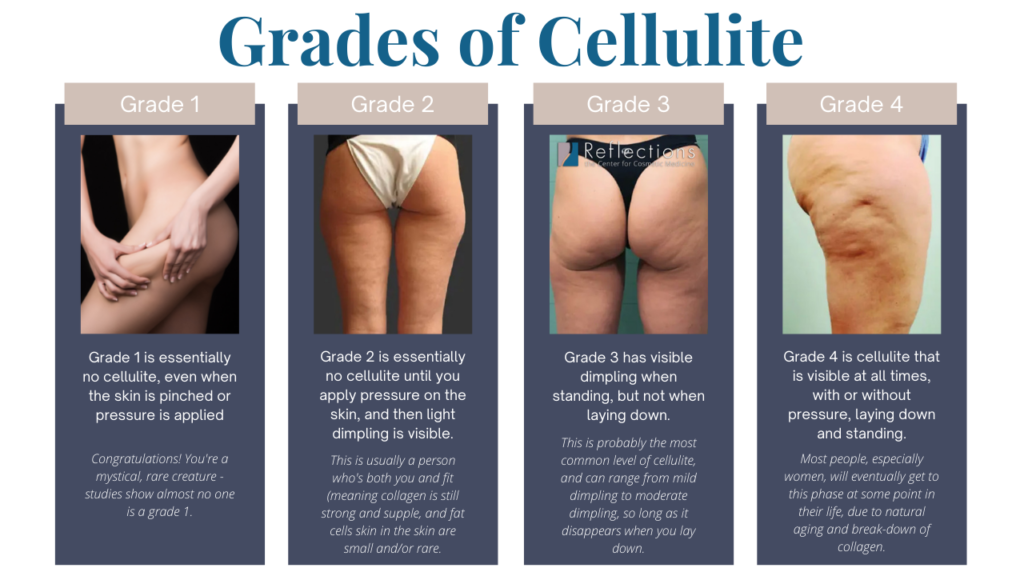
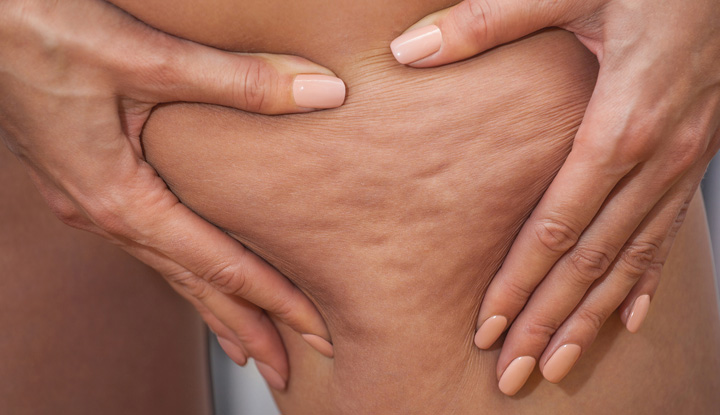
Cellulite refers to the dimpled or lumpy appearance of the skin, commonly found on the thighs, buttocks, hips, and abdomen. It is characterized by the herniation of subcutaneous fat beneath the skin, pushing against the connective tissues and resulting in the uneven texture. Cellulite can affect individuals of any body weight or shape, and contrary to popular belief, it is not solely related to obesity. It is estimated that around 80-90% of women will experience cellulite at some point in their lives.
How Cellulite Develops
Cellulite is a complex condition that develops due to a combination of factors. It occurs when the fat cells beneath the skin enlarge and push against the connective tissues, causing the skin to appear dimpled. The connective tissues, made up of collagen and elastin fibers, can become weakened or stretched, allowing the fat cells to protrude and creating the characteristic appearance of cellulite. Hormonal changes, genetic predisposition, poor circulation, and lifestyle factors all contribute to the development and visibility of cellulite.
Effects on the Body
Cellulite is primarily a cosmetic concern rather than a medical condition, but its appearance can have a significant impact on an individual’s self-esteem and body image. Many individuals feel self-conscious and may avoid wearing certain clothing or participating in activities that expose the affected areas. The appearance of cellulite can also lead to feelings of frustration, stress, and dissatisfaction with one’s own body, potentially affecting mental well-being.
Risk Factors
Several risk factors increase an individual’s susceptibility to cellulite. Women are more prone to developing cellulite than men, primarily due to differences in fat distribution, connective tissue structure, and hormonal variations. Hormonal factors, such as puberty, pregnancy, and menopause, can cause fluctuations in estrogen levels, which contribute to cellulite formation. Age is another significant risk factor, as the skin naturally loses elasticity and collagen production decreases over time. Other factors, such as a sedentary lifestyle, poor diet, and smoking, can also increase the likelihood of cellulite development.
Treatment Options
Topical Creams and Lotions
Topical creams and lotions are commonly marketed as cellulite treatment options. These products often contain ingredients like caffeine, retinol, and herbal extracts, which claim to reduce the visibility of cellulite by improving circulation, promoting collagen production, and breaking down fat cells. While these creams may help temporarily improve the appearance of cellulite by tightening and smoothing the skin, their effects are typically short-lived and do not address the underlying causes of cellulite.
Massage and Cupping Therapy
Massage and cupping therapy are alternative approaches often used to reduce the appearance of cellulite. These techniques aim to increase blood flow, stimulate lymphatic drainage, and break up the fibrous bands underlying cellulite. Massage may include techniques such as deep tissue massage, lymphatic drainage massage, or mechanical massage using devices like rollers or suction cups. While these therapies can provide temporary relief and improve circulation, repeated sessions are typically necessary to maintain the results.
Medical Procedures
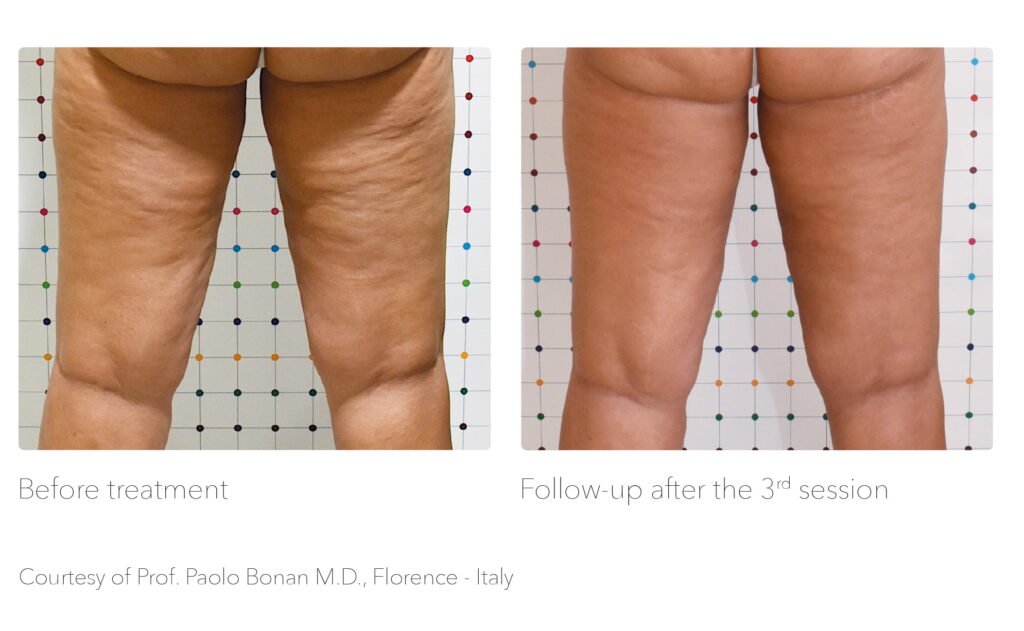
Various medical procedures are available for the treatment of cellulite, including laser therapy, radiofrequency treatments, and ultrasound. These procedures work by targeting the underlying structures of cellulite, such as fat cells and connective tissues, to improve the appearance of the skin. Laser therapy and radiofrequency treatments stimulate collagen production, tighten the skin, and break down fat cells, while ultrasound treatments use high-frequency waves to disrupt the fat cells and promote collagen synthesis. Medical procedures typically provide more noticeable and longer-lasting results than topical creams or alternative therapies.
Diet and Exercise
Adopting a healthy diet and engaging in regular exercise is an essential part of cellulite management. A nutrient-rich diet that includes plenty of fruits, vegetables, whole grains, and lean proteins can help support healthy skin and reduce inflammation. Staying hydrated and avoiding excessive consumption of processed foods and sugary beverages is also beneficial. Incorporating exercise into your routine can help strengthen and tone the muscles, improve circulation, and reduce overall body fat, which can minimize the appearance of cellulite. Exercise that targets the specific areas of cellulite, such as squats, lunges, and strength training, can be particularly effective.
Natural Remedies
Various natural remedies are often suggested for reducing the appearance of cellulite, although scientific evidence supporting their effectiveness is limited. These remedies may include dry brushing, applying coffee grounds or essential oils to the skin, or using seaweed wraps and clay masks. While some individuals may find these remedies temporarily tighten and smooth the skin, their long-term impact on cellulite reduction is uncertain. Nonetheless, incorporating practices such as dry brushing into your skincare routine can have overall benefits for skin health and may contribute to the management of cellulite.
In conclusion, cellulite is a common cosmetic concern that can affect individuals regardless of their body weight or shape. While there is no definitive cure for cellulite, understanding its causes and adopting a multi-faceted approach to treatment can help manage its visibility. By addressing genetic, hormonal, lifestyle, dietary, and activity-related factors, individuals can take proactive steps to minimize the appearance of cellulite and promote overall skin health.
