
Get ready to banish those pesky dimples! In this comprehensive guide, we’ll cover everything you need to know about cellulite. From what it is to why it happens, we’ve got you covered. Don’t worry – you’re not alone in this battle. With our friendly tips and tricks, you’ll be armed with the knowledge and strategies to tackle cellulite like a pro. So, let’s dive right in and get to the bottom of cellulite!
What is Cellulite?
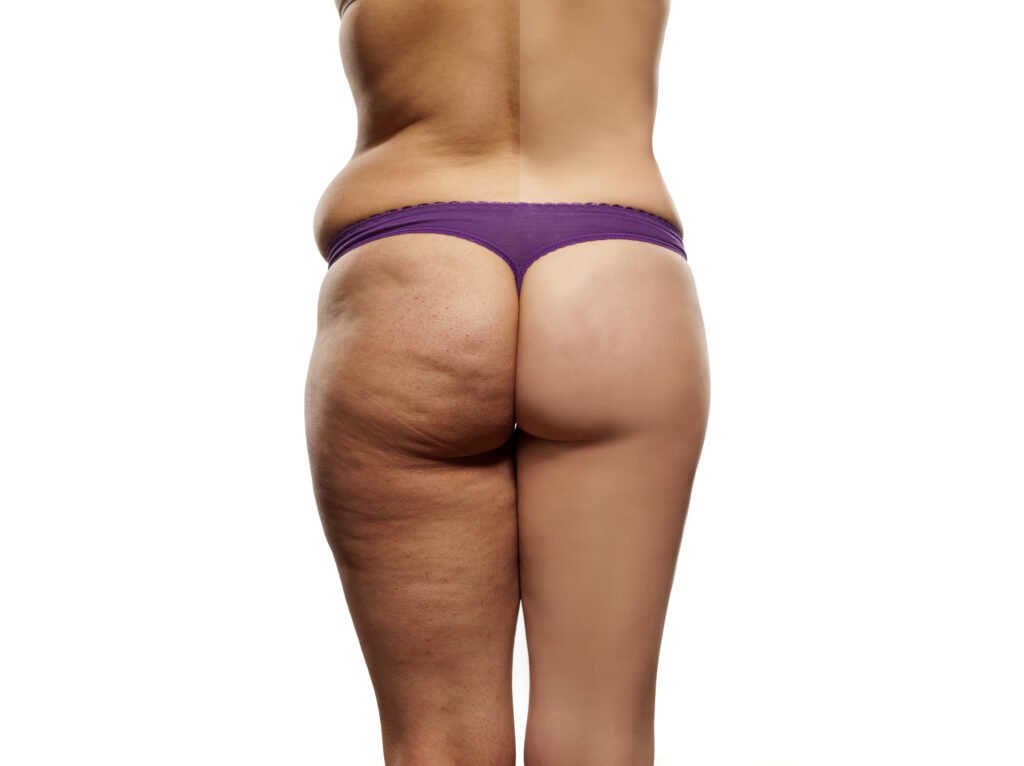
Cellulite is a common cosmetic concern that affects both men and women of all shapes and sizes. It refers to the dimpled appearance of the skin, which is caused by underlying fat deposits pushing through connective tissue fibers. While cellulite is not harmful or medically concerning, it can lead to self-consciousness and affect body image. Understanding the causes, symptoms, treatment options, and prevention techniques can help you effectively manage cellulite and feel more confident in your own skin.
Definition of cellulite
Cellulite is a condition characterized by the dimpled and lumpy appearance of the skin, usually in the thigh, buttock, or abdomen area. It occurs when fat cells push through the connective tissue beneath the skin, resulting in a texture that resembles an orange peel or cottage cheese. Cellulite is most commonly seen in women, but it can affect men as well.
Causes of cellulite
The exact cause of cellulite is not known, but several factors contribute to its development. These include genetics, hormonal changes, poor circulation, inflammation, and lifestyle choices. While cellulite can occur in individuals of all body types and weights, it is more prevalent in those with a higher percentage of body fat.
Prevalence of cellulite
Cellulite affects a large number of individuals, with estimates suggesting that nearly 80-90% of women will experience it at some point in their lives. Although less common, men can also experience cellulite, especially in the abdominal region. The prevalence of cellulite increases with age, as the skin loses its elasticity and underlying fat becomes more visible.
Factors that contribute to cellulite
Several factors can contribute to the development and appearance of cellulite. These include hormonal fluctuations, genetic predisposition, poor diet, sedentary lifestyle, smoking, and certain medical conditions. Understanding these factors can help individuals make informed choices to manage and prevent cellulite effectively.
Symptoms of Cellulite
Appearance of cellulite
The primary symptom of cellulite is the distinctive dimpled or lumpy appearance of the skin. This texture, resembling the surface of an orange peel or cottage cheese, can vary in severity depending on the individual. Cellulite is often described as having a bumpy or uneven texture, which can be especially noticeable when the skin is pressed or squeezed.
Common areas affected by cellulite
Cellulite tends to occur in areas where there is a higher concentration of fat cells, such as the thighs, buttocks, hips, and abdomen. These areas are more prone to experiencing cellulite due to the presence of connective tissue fibers that allow fat cells to protrude through the skin. It is important to note that cellulite can also appear in other areas of the body, such as the arms or calves.
Impact on body image
While cellulite is not a medical condition, it can significantly impact an individual’s body image and self-esteem. Many people feel self-conscious about their cellulite, leading to feelings of insecurity and decreased confidence. It is essential to remember that cellulite is a natural occurrence and does not define one’s worth or beauty. However, if cellulite causes distress, there are various treatments and strategies available to help manage its appearance.
Treatment Options for Cellulite
Topical treatments
Topical treatments, such as creams, gels, and lotions, are widely available for managing cellulite. These products typically contain ingredients like caffeine, retinol, or antioxidants that claim to improve blood flow, tighten the skin, or reduce the appearance of cellulite. While these treatments can provide temporary improvements, they are unlikely to completely eliminate cellulite.
Massage techniques
Massage techniques, including manual massage, mechanical massage devices, and dry brushing, are often recommended to reduce the appearance of cellulite. These techniques aim to improve circulation, stimulate lymphatic drainage, and break up fat deposits. Regular and consistent use of massage techniques may lead to a temporary reduction in the visibility of cellulite.
Laser and radiofrequency therapy
Laser and radiofrequency therapy are non-invasive treatments that target the underlying causes of cellulite. These treatments work by heating the skin and underlying tissues to stimulate collagen production, improve blood flow, and break down fat deposits. Laser and radiofrequency therapy can result in significant improvements in the appearance of cellulite, but multiple sessions may be required for optimal results.
Oral medications and supplements
Certain oral medications and supplements claim to reduce cellulite by improving connective tissue health, promoting fat metabolism, or reducing inflammation. However, the effectiveness of these treatments is not well-established, and it is important to consult with a healthcare professional before starting any new medication or supplement regimen.
Dietary and lifestyle changes
Maintaining a healthy diet and lifestyle can also play a crucial role in managing cellulite. Eating a balanced diet that is rich in fruits, vegetables, lean proteins, and whole grains can help maintain a healthy weight and reduce the appearance of cellulite. Drinking plenty of water and avoiding excessive consumption of alcohol and processed foods can also promote overall skin health.
Medical procedures
For more severe cases of cellulite, medical procedures such as liposuction, subcision, or laser-assisted cellulite reduction may be recommended. These procedures aim to remove excess fat, break down connective tissue fibers, or stimulate collagen production. It is important to consult with a qualified healthcare professional to determine the most appropriate treatment option based on individual needs and goals.
Prevention of Cellulite
Maintaining a healthy weight
Maintaining a healthy weight through balanced nutrition and regular exercise can help reduce the risk and severity of cellulite. Excess weight can contribute to the appearance of cellulite by increasing the amount of fat stored in the body and placing additional pressure on connective tissues. Therefore, focusing on weight management and achieving a healthy body mass index (BMI) can be an effective preventive measure.
Regular exercise
Regular exercise is not only beneficial for overall health but can also help reduce the appearance of cellulite. Engaging in physical activity, such as cardio exercises, strength training, and targeted exercises that focus on the affected areas, can help improve blood circulation, tone muscles, and promote fat metabolism.
Eating a balanced diet
A balanced diet that is rich in nutrients, low in processed foods, and high in fiber can support skin health and reduce the risk of cellulite. Consuming a variety of fruits, vegetables, lean proteins, whole grains, and healthy fats can provide the essential vitamins and minerals needed for optimal skin function.
Avoiding excessive alcohol consumption
Excessive alcohol consumption can contribute to the development of cellulite by increasing inflammation, dehydrating the body, and negatively affecting circulation. Limiting alcohol intake and staying hydrated can help promote healthy skin and reduce the likelihood of cellulite formation.
Quitting smoking
Smoking has been linked to various skin issues, including cellulite. The toxins and chemicals present in cigarettes can damage collagen and elastin fibers, leading to a loss of skin elasticity and the formation of cellulite. Quitting smoking can not only improve overall health but also contribute to healthier-looking skin.
Myths and Misconceptions about Cellulite
Cellulite only affects overweight or obese individuals
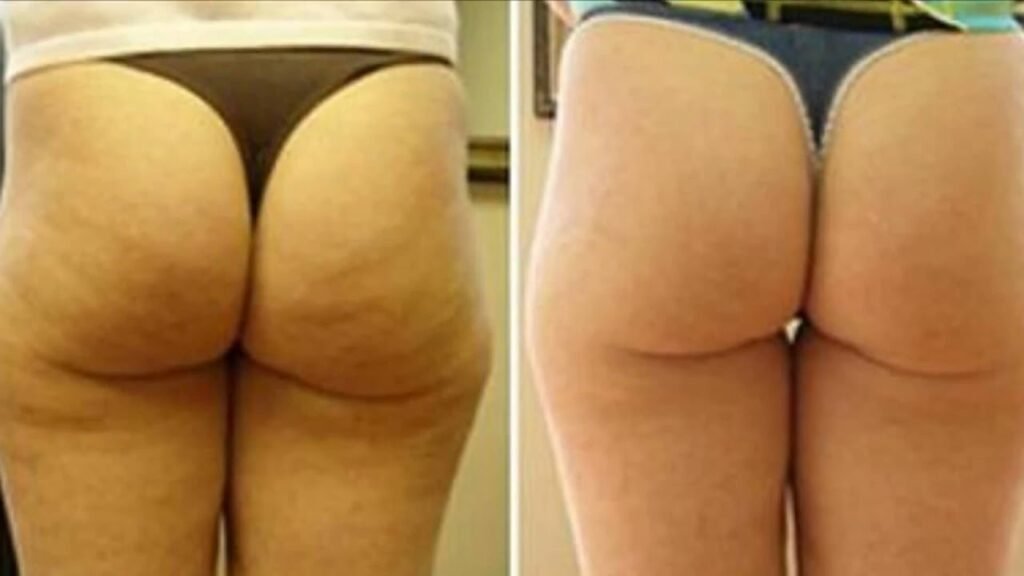
Contrary to popular belief, cellulite can affect individuals of all body types and weights. While excess weight may contribute to the appearance of cellulite, it is not the sole determining factor. Even individuals with a healthy BMI can develop cellulite.
Only women can develop cellulite
Although cellulite is more prevalent in women, it can also affect men. However, due to differences in fat distribution and connective tissue structure, cellulite in men tends to be less noticeable than in women. Men are more likely to develop cellulite in the abdominal region.
Creams and lotions can completely eliminate cellulite
While creams and lotions can temporarily improve the appearance of cellulite by hydrating the skin and smoothing its texture, they cannot completely eliminate cellulite. These products work on a superficial level and do not address the underlying causes of cellulite.
Cellulite is purely a cosmetic concern
While cellulite is primarily a cosmetic concern, its appearance can have a significant impact on an individual’s body image, self-esteem, and overall well-being. It is important to acknowledge and address these psychological aspects when discussing cellulite management.
Cellulite and Genetics
The role of genetics in cellulite development
Genetics plays a role in determining an individual’s susceptibility to developing cellulite. Certain genetic factors can influence the structure and integrity of connective tissues, fat distribution, and metabolism. While genetics may predispose some individuals to cellulite, lifestyle factors still play a significant role.
Genetic factors that may contribute to cellulite
Several genetic factors can contribute to the development and severity of cellulite. These include differences in hormone levels, collagen structure, fat distribution, and blood circulation. Research suggests that if both parents have cellulite, their children are more likely to develop it as well.
Understanding familial patterns of cellulite
Observing familial patterns of cellulite can provide insight into the genetic factors at play. If multiple family members, such as siblings or parents, have cellulite, it may indicate a genetic component. However, it is important to remember that genetics alone do not determine the presence of cellulite, and lifestyle choices also play a crucial role.
Can Exercise Get Rid of Cellulite?
The effects of exercise on cellulite
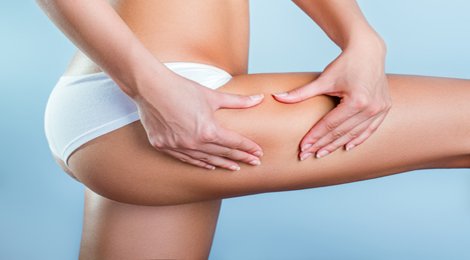
Exercise can play a significant role in reducing the appearance of cellulite by improving blood flow, boosting metabolism, and toning muscles. Regular physical activity can help reduce body fat percentage, strengthen connective tissues, and promote overall skin health.
Recommended exercises for reducing cellulite
Incorporating both cardio exercises and strength training into your exercise routine can be effective in reducing cellulite. Cardio exercises, such as brisk walking, running, cycling, or swimming, help burn calories and promote fat metabolism. Strength training exercises, such as squats, lunges, and leg lifts, can target specific areas affected by cellulite and tone the underlying muscles.
Combining cardio and strength training for optimal results
Combining cardio and strength training exercises can maximize the benefits of your workout routine when it comes to reducing cellulite. Alternate between cardiovascular activities and targeted strength training exercises to achieve a well-rounded approach. Consistency and regularity are key, so aim for at least 150 minutes of moderate-intensity aerobic activity per week, along with two or more days of strength training.
Cellulite during Pregnancy
Why cellulite commonly occurs during pregnancy
Cellulite is a common occurrence during pregnancy due to hormonal changes, weight gain, and increased fluid retention. Fluctuating hormone levels, such as increased estrogen and progesterone, can affect collagen production and the structure of connective tissues. The stretching of the skin and increased fat storage also contribute to the appearance of cellulite.
Tips for managing cellulite during pregnancy
While it may be challenging to prevent or eliminate cellulite completely during pregnancy, there are some tips that can help manage its appearance. Staying hydrated, eating a balanced diet, maintaining a healthy weight, exercising regularly with prenatal-safe exercises, and wearing supportive clothing can help minimize the visibility of cellulite.
Safety of cellulite treatments during pregnancy
It is important to prioritize the safety of both the mother and the developing baby during pregnancy. Many cellulite treatments, such as laser therapy or certain oral medications, may not be recommended during pregnancy due to lack of research on their safety. It is crucial to consult with a healthcare professional before considering any cellulite treatment during pregnancy.

Cellulite and Hormonal Changes
The relationship between hormones and cellulite
Hormonal changes can have a significant impact on the development and progression of cellulite. Fluctuations in estrogen, progesterone, and thyroid hormones can affect collagen production, circulation, fat metabolism, and overall connective tissue health. These hormonal changes can make individuals more susceptible to the formation and visibility of cellulite.
Puberty, menopause, and cellulite
The hormonal shifts that occur during puberty and menopause can contribute to the development or worsening of cellulite. During puberty, the increase in estrogen levels and changes in fat distribution can lead to the onset of cellulite. Similarly, the decrease in estrogen levels during menopause can result in a loss of skin elasticity and increased visibility of cellulite.
Hormonal therapies for cellulite reduction
Hormonal therapies, such as hormone replacement therapy (HRT), have been suggested as potential treatments for cellulite. HRT aims to rebalance hormonal levels in the body, which may help improve collagen production, increase fat metabolism, and reduce the appearance of cellulite. However, the use of hormonal therapies for cellulite reduction is a topic of ongoing research and should be approached with caution.
Psychological Impact of Cellulite
Body image issues associated with cellulite
Cellulite can significantly impact an individual’s body image, leading to feelings of self-consciousness, embarrassment, or dissatisfaction with their appearance. The visibility of cellulite can make individuals avoid wearing certain clothing or participating in activities that expose their affected areas. It is important to address these body image issues and cultivate a positive relationship with one’s body.
Effect on self-esteem and confidence
The presence of cellulite can negatively impact self-esteem and confidence levels. Society’s standards of beauty and the unrealistic portrayal of flawless skin in the media can exacerbate these feelings. It is crucial to recognize that cellulite is a common occurrence and does not diminish one’s worth or beauty.
Addressing psychological concerns
Managing the psychological impact of cellulite is just as important as addressing its physical appearance. Seeking support from loved ones, practicing self-acceptance and self-love, engaging in positive affirmations, and focusing on overall well-being can help individuals cope with the emotional effects of cellulite. Additionally, speaking to a mental health professional or participating in support groups can provide further guidance and assistance in navigating body image concerns.
In conclusion, cellulite is a common cosmetic concern that can affect individuals of all body types and sizes. Understanding the causes, symptoms, treatment options, and prevention techniques can provide a comprehensive approach to managing cellulite. While cellulite may not be entirely preventable or curable, adopting a healthy lifestyle, incorporating regular exercise, and addressing psychological concerns can help individuals feel more comfortable and confident in their bodies. Remember, cellulite is a natural occurrence that does not define your worth or beauty.