
You know that cellulitis is a common skin infection, but did you know that it can sometimes lead to complications? In this article, we will explore the potential complications of cellulitis and help you understand when it is important to seek medical attention. From severe infections to the spread of bacteria throughout the body, we will discuss the signs and symptoms that indicate a need for immediate medical care. So, if you or someone you know is dealing with cellulitis, keep reading to stay informed and make sure you get the help you need. Cellulitis is a common skin infection that can lead to various complications if not properly treated. In this article, we will discuss the signs and symptoms of cellulitis, the factors that increase the risk of complications, when to seek medical attention, the diagnosis process, different treatment options for cellulitis complications, prevention methods, and the overall prognosis of this condition.

Signs and Symptoms
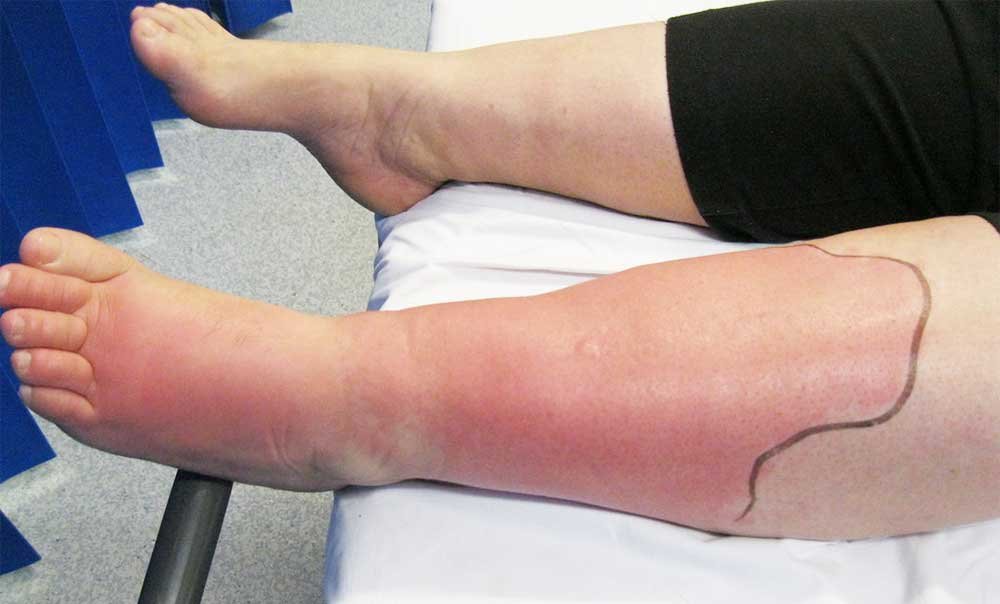
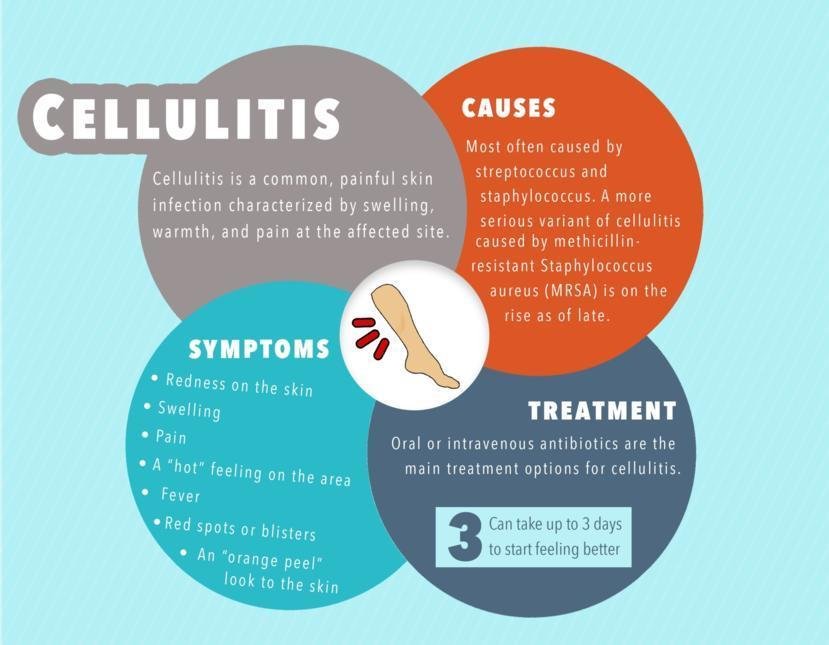
The first step in identifying cellulitis is recognizing the signs and symptoms associated with this skin infection. One of the primary indications of cellulitis is erythema, which refers to redness and inflammation of the affected area. Additionally, swelling and pain are common symptoms that accompany cellulitis. The skin may also feel tender to the touch and warmer than the surrounding areas. In some cases, individuals may experience fever and chills as well.
Complications
If left untreated or not addressed promptly, cellulitis can lead to several complications. One of the complications that may arise is abscess formation. An abscess is a localized collection of pus within the skin or deeper tissues, and it requires drainage to promote healing. Another potential complication of cellulitis is the spread of infection to other areas of the body. When the infection enters the bloodstream, it can lead to a more serious condition known as bloodstream infection. Gangrene, a condition where tissue dies due to a lack of blood supply, and necrotizing fasciitis, a severe infection that affects the deeper layers of the skin, are also potential complications of cellulitis.

Factors that Increase the Risk of Complications
Several factors can increase an individual’s risk of developing complications from cellulitis. Diabetes is one such risk factor. People with diabetes often have impaired circulation and a weakened immune system, making them more susceptible to infection and slower wound healing. Having a weakened immune system, either due to certain medications or underlying health conditions, can also increase the risk of complications. Individuals with a history of cellulitis may be more prone to recurrent episodes and severe complications. Open wounds or cuts provide entry points for bacteria, increasing the likelihood of infection. Lastly, obesity can lead to compromised blood flow and reduced immune function, increasing the risk of cellulitis complications.
When to Seek Medical Attention
Knowing when to seek medical attention is crucial in managing cellulitis complications effectively. If you experience severe symptoms such as rapidly spreading redness, intense pain, or a high fever, it is important to seek immediate medical care. Even if milder symptoms persist and show no signs of improvement after a few days of treatment, it is advisable to consult with a healthcare professional. If the infection is spreading rapidly, with redness and swelling extending beyond the initial site of infection, medical attention should be sought promptly. Any development of new symptoms should also be a cause for concern, as this could indicate a worsening infection. Individuals with underlying conditions or risk factors such as diabetes, a weakened immune system, or obesity should be vigilant and promptly seek medical attention if they suspect cellulitis.

Diagnosis
Diagnosing cellulitis usually involves a combination of physical examination, laboratory tests, and occasionally imaging tests. During a physical examination, the doctor will carefully examine the affected area, looking for signs of erythema, swelling, pain, and warmth. They may also check for any other associated symptoms. Laboratory tests, including blood cultures and wound cultures, may be performed to identify the specific bacteria causing the infection and determine the most appropriate antibiotic treatment. Imaging tests, such as ultrasound or a computed tomography (CT) scan, may be ordered if there is a concern about abscess formation, deep tissue involvement, or the spread of infection.
Treatment for Cellulitis Complications
The treatment for cellulitis complications may vary depending on the severity of the infection and the specific complications present. Antibiotics are typically the first line of treatment for cellulitis. They help combat the bacterial infection and prevent its spread. If an abscess has formed, drainage may be necessary to promote healing. In some cases, surgical intervention may be required to remove necrotic tissue or address extensive infection. Hospitalization may be necessary for severe cases, especially if the infection has spread to other areas of the body or if the individual has underlying health conditions. Wound care, including cleaning and dressing the affected area, is crucial for optimal healing and prevention of further complications.
Prevention of Complications
While cellulitis cannot always be completely prevented, there are measures individuals can take to reduce the risk of complications. Proper wound care is essential, particularly for open wounds or cuts. Clean the affected area with mild soap and water, apply a suitable antibiotic ointment, and cover it with a sterile dressing. It is also crucial to maintain good hygiene overall, including regular handwashing and keeping the skin clean and moisturized. Managing underlying conditions such as diabetes or immune system disorders is vital in reducing the risk of cellulitis and its complications. Prompt and appropriate treatment of cellulitis at its earliest signs can help prevent the infection from progressing to a more severe stage. Finally, it is important to avoid self-medication and always consult with a healthcare professional for proper diagnosis and treatment.
Prognosis
With appropriate treatment, most cases of cellulitis resolve without any long-term complications. With timely and effective antibiotic therapy, the infection should improve within a few days. However, in some cases, chronic cellulitis may develop, leading to recurrent episodes of skin infection. Recurrence can be more common among individuals with underlying risk factors or compromised immune systems. In rare instances, cellulitis complications can result in long-term complications such as scarring or changes in skin color and texture. Severe cases of cellulitis, particularly those that progress to necrotizing fasciitis or bloodstream infection, can be life-threatening and may lead to death.
Conclusion
Cellulitis is a potentially serious skin infection that requires prompt medical attention to prevent complications. Recognizing the signs and symptoms of cellulitis, understanding the factors that increase the risk of complications, and knowing when to seek medical help are crucial for managing this condition effectively. Through proper diagnosis, timely treatment, and adherence to preventive measures, the prognosis for most individuals with cellulitis complications is positive. However, close monitoring, especially for those with underlying health conditions or a history of cellulitis, is essential in reducing the risk of recurrence and long-term complications.