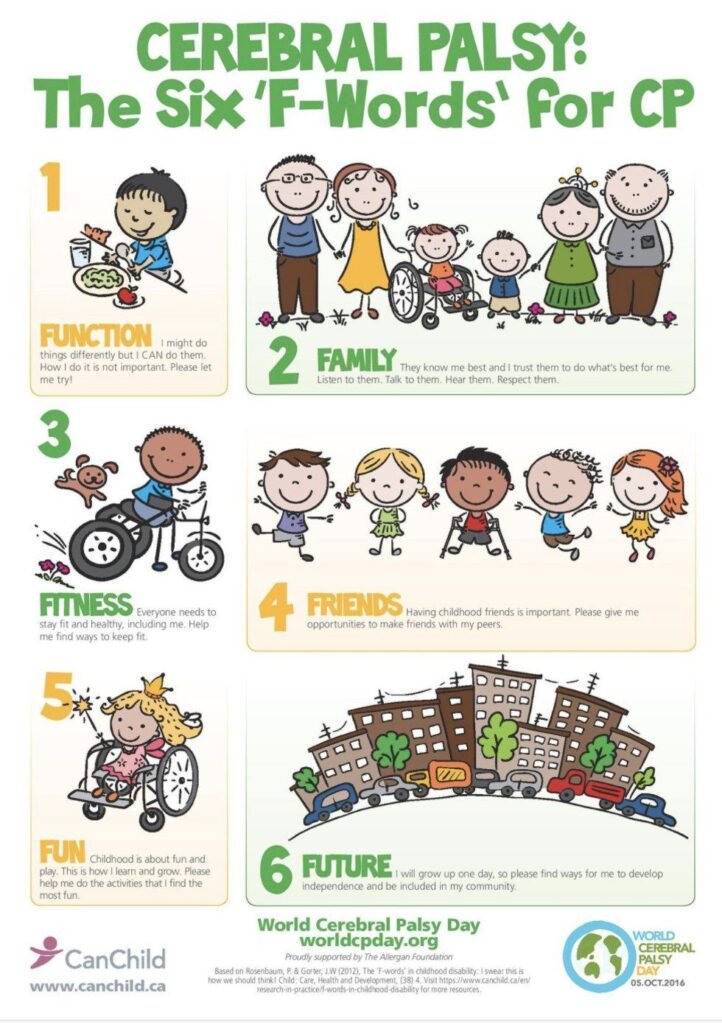
Living with cerebral palsy can present unique challenges, but with the right strategies and support, you can navigate daily life with confidence. In this article, we’ll explore a range of practical tips and techniques that can help you manage the physical, emotional, and social aspects of living with cerebral palsy. Whether you’re looking for advice on mobility aids, communication tools, or ways to boost your self-esteem, we have you covered. So, let’s get started and discover how you can thrive in your daily life with cerebral palsy.
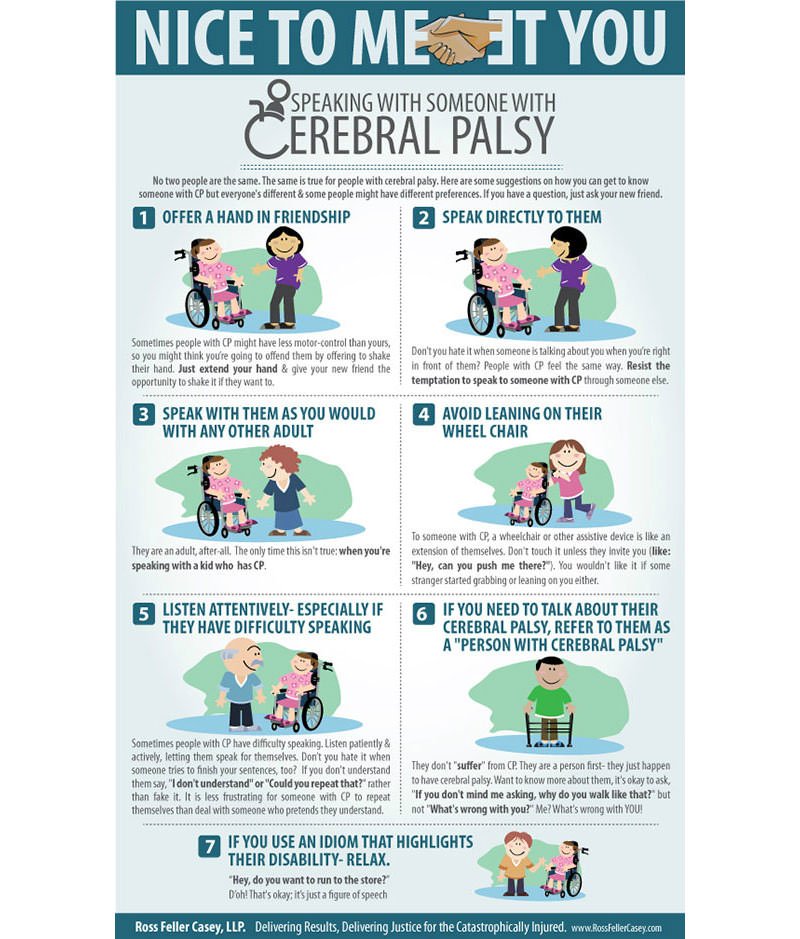
Physical Therapy and Rehabilitation
Getting started with physical therapy
When it comes to managing cerebral palsy, physical therapy plays a crucial role in enhancing overall mobility and functionality. Getting started with physical therapy is an important step towards promoting independence and improving quality of life. Your physical therapist will work closely with you to assess your specific needs and develop an individualized treatment plan. They will guide you through various exercises and techniques designed to improve muscle strength, flexibility, and coordination. Remember to communicate openly with your therapist about any concerns or questions you may have to ensure a successful and effective therapy experience.
Choosing the right physical therapist
Choosing the right physical therapist is essential for a positive rehabilitation journey. Look for a licensed physical therapist who specializes in treating individuals with cerebral palsy or other similar conditions. It is important to find someone who understands your specific needs and goals, and who can provide a supportive and encouraging environment. Consider asking for recommendations from your healthcare provider or other individuals who have dealt with similar situations. Don’t hesitate to schedule a consultation with potential physical therapists to assess their expertise and compatibility with your needs.
Types of exercises and therapies
Physical therapy encompasses a wide range of exercises and therapies that can be tailored to meet your unique needs. These may include stretching exercises to improve flexibility, strength training to build muscle tone, and balance exercises to enhance stability. Additionally, therapists may utilize techniques such as aquatic therapy, massage therapy, or electrical stimulation to complement your treatment plan. It is crucial to maintain consistency and dedication to your therapy regimen in order to achieve optimal results. Your physical therapist will guide you through each exercise and therapy session, ensuring their correct execution and monitoring your progress along the way.
Assistive devices for daily living
Assistive devices can greatly enhance your daily living activities and promote independence. Depending on your specific needs, there are various assistive devices available to aid mobility, communication, and overall functionality. Mobility devices such as wheelchairs, walkers, or canes can help improve your ability to move around with ease. Communication devices, such as speech generating devices or software, can assist individuals with speech or communication difficulties. Other assistive devices may include specialized eating utensils, dressing aids, or modified keyboards to accommodate motor challenges. Working closely with healthcare professionals, such as occupational therapists or rehabilitation engineers, can help identify and acquire the most suitable assistive devices for your specific needs.

Managing Daily Activities
Adapting the home environment
Adapting your home environment is crucial in promoting safety and accessibility for individuals with cerebral palsy. Simple modifications can make a significant difference in facilitating daily activities. Consider installing handrails or grab bars in bathrooms and hallways to provide stability and support. Removing tripping hazards and ensuring clear pathways throughout the house can prevent accidents. Adjusting the height of countertops or using adaptive equipment such as reachers or long-handled tools can make tasks like cooking and cleaning easier. It may also be helpful to rearrange furniture to create open spaces for easy maneuverability. When making home modifications, it is important to consult with professionals such as occupational therapists or home accessibility experts to ensure optimal functionality.
Assistance with personal care
Personal care routines can be made easier with the help of various assistive techniques and devices. Adaptive equipment, such as bath benches or shower chairs, can provide stability and ensure safety while bathing. Using long-handled sponges or brushes can aid in reaching and cleaning difficult-to-reach areas. Dressing aids such as buttonhooks, elastic shoelaces, or Velcro fasteners can simplify the process of getting dressed. For individuals with limited hand function, assistive technologies such as automatic toothbrushes or devices for applying makeup can be beneficial. Don’t hesitate to seek guidance from healthcare professionals or occupational therapists who can suggest personalized solutions to make personal care tasks more manageable.
Adaptive equipment for mobility
Adaptive equipment plays a vital role in promoting mobility and independence for individuals with cerebral palsy. Depending on your specific needs, there are a variety of mobility aids available that can greatly enhance your ability to move around safely and comfortably. Wheelchairs, both manual and powered, provide individuals with the ability to navigate their surroundings without relying on excessive physical effort. Walkers or canes can provide additional support and stability for those who have difficulty walking independently. Braces and orthotics can help improve stability and correct gait abnormalities. It is crucial to work closely with healthcare professionals, such as physical therapists or rehabilitation engineers, to determine the most suitable adaptive equipment for your needs and to ensure proper fit and functionality.
Strategies for improving fine motor skills
Fine motor skills, which involve precise movements of small muscles in the hands and fingers, can be challenging for individuals with cerebral palsy. Fortunately, there are strategies and exercises that can help improve these abilities. Occupational therapists specialize in developing and implementing individualized plans to address fine motor skill challenges. They may recommend activities such as finger exercises, handwriting practice, or using therapeutic putty to strengthen hand muscles and improve dexterity. Utilizing adaptive tools like modified pencil grips or weighted utensils can help improve grasp and control. It is important to remain patient and persistent in practicing these exercises and strategies, as progress may take time but can ultimately lead to significant improvement in daily activities requiring fine motor skills.
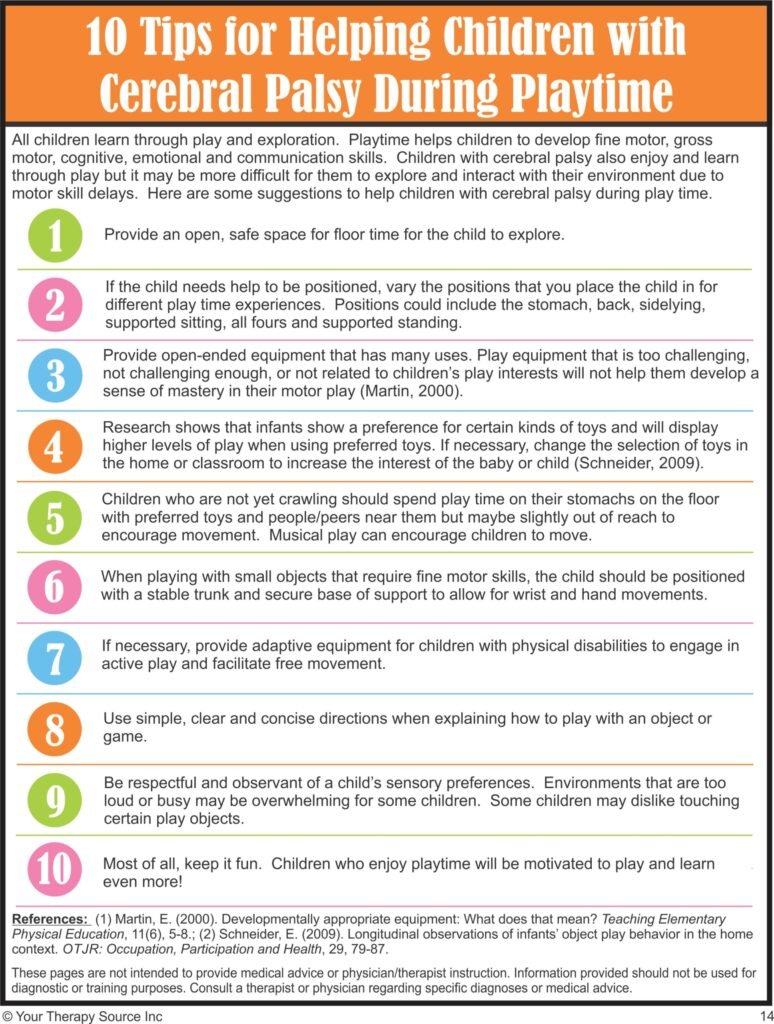
Nutrition and Hydration
Importance of a balanced diet
Maintaining a balanced diet is crucial for individuals with cerebral palsy as it supports overall health and wellbeing. A balanced diet should include a variety of nutrient-rich foods from all food groups. Incorporate fruits, vegetables, whole grains, lean proteins, and healthy fats into your meals to ensure you are getting essential vitamins, minerals, and nutrients. It is important to consult with a registered dietitian who specializes in nutritional needs for individuals with cerebral palsy, as dietary recommendations may vary depending on individual factors such as age, weight, and any existing medical conditions. They can provide you with personalized guidance and dietary plans to meet your specific needs and optimize your overall health.
Special considerations for feeding difficulties
Feeding difficulties are common among individuals with cerebral palsy and can pose challenges when it comes to meeting nutritional needs. It is important to work closely with healthcare professionals, such as speech therapists or feeding specialists, who can assess your specific swallowing or chewing difficulties and provide appropriate strategies. They may recommend modifications to food texture, such as pureeing or softening foods, to make swallowing easier and safer. Additionally, using specialized feeding equipment, such as adapted spoons or cups with built-in straws, can facilitate independent eating and drinking. In some cases, tube feeding or other forms of nutritional supplementation may be necessary to ensure adequate nutrition. Always consult with your healthcare team to develop a comprehensive feeding plan tailored to your individual needs.
Hydration needs and strategies
Proper hydration is essential for maintaining overall health and preventing complications. Individuals with cerebral palsy may have specific challenges when it comes to staying hydrated. Difficulties with swallowing or limited mobility may make it harder to drink adequate amounts of fluid. It is important to establish a hydration routine and find strategies that work for you. Keeping a water bottle within reach or using a straw cup can make drinking easier and more accessible. Utilizing reminders, such as alarms or smartphone apps, can help prompt you to drink regularly throughout the day. If swallowing difficulties are present, working with a healthcare professional to determine the best method for ensuring hydration, such as modifying fluid texture or considering alternative hydration methods, is crucial.