
Cervical cancer is a life-threatening disease that affects thousands of women every year. Early detection through regular screening plays a crucial role in preventing the spread of this disease and increasing chances of successful treatment. In this article, we will explore the importance of cervical cancer screening and how it can potentially save lives. So, grab a cup of tea, sit back, and let’s dive into this essential topic together.
Understanding Cervical Cancer
Definition and incidence
Cervical cancer is a type of cancer that develops in the cervix, the lower part of the uterus that connects to the vagina. It occurs when abnormal cells in the cervix grow uncontrollably and form a tumor. Cervical cancer is one of the most common cancers affecting women worldwide. According to the World Health Organization (WHO), there are approximately 500,000 new cases of cervical cancer and 270,000 deaths each year.
Causes and risk factors
The main cause of cervical cancer is infection with the human papillomavirus (HPV). HPV is a common sexually transmitted infection, and certain types of it can lead to the development of cervical cancer. Other risk factors include smoking, a weakened immune system, multiple sexual partners, and early sexual activity. It is important to note that not all women who have HPV will develop cervical cancer, as the immune system can often clear the infection without any harm.
Progression and stages
Cervical cancer typically develops slowly over many years. It begins with the presence of abnormal cells in the cervix, a condition called cervical dysplasia or precancerous changes. If left untreated, these abnormal cells may progress to cancer. The stages of cervical cancer range from stage 0 (carcinoma in situ) to stage IV (advanced and metastatic cancer). Early detection is crucial to prevent the cancer from spreading and to ensure the best possible treatment outcomes.
What is Cervical Cancer Screening?
Definition and purpose
Cervical cancer screening is a preventive healthcare measure that aims to detect early signs of cervical cancer or precancerous changes in the cervix. The goal of screening is to identify abnormalities before they develop into cancer, allowing for timely intervention and treatment. By detecting cervical cancer at an early stage, the chances of successful treatment and improved patient outcomes significantly increase.
Types of screening tests
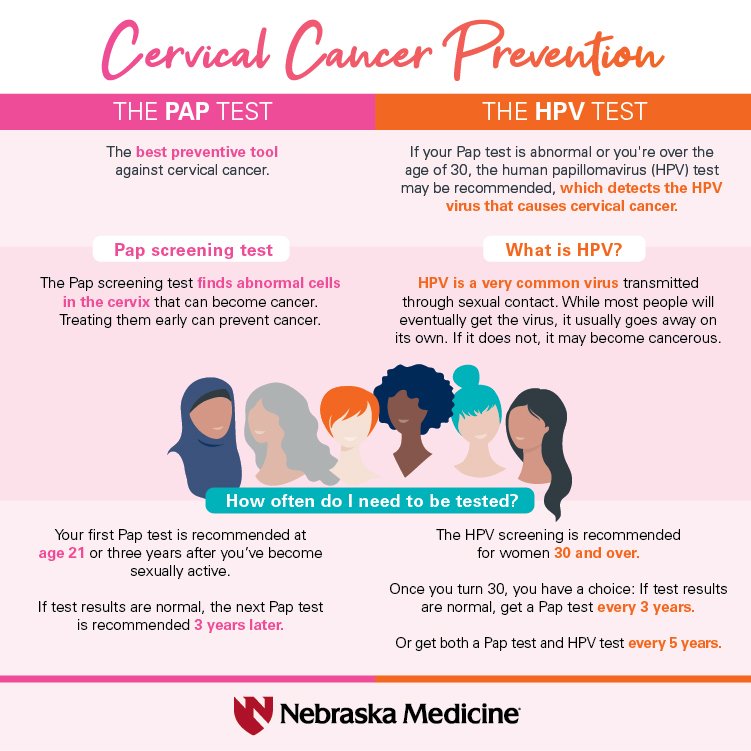
There are three main types of screening tests for cervical cancer: Pap smear, HPV testing, and combination testing.
– Pap smear
The Pap smear, also known as a Pap test, is a procedure in which a healthcare provider collects cells from the cervix and sends them to a laboratory for analysis. The cells are examined under a microscope to identify any abnormal changes. The Pap smear has been widely used for many years and has been instrumental in reducing the incidence and mortality rates of cervical cancer.
– HPV testing
HPV testing involves the detection of high-risk types of HPV in cells collected from the cervix. This test can be used as a primary screening method or in combination with a Pap smear. HPV testing helps identify women who are at a higher risk of developing cervical cancer and can guide further diagnostic and treatment interventions.
– Combination testing
Combination testing refers to the simultaneous use of both Pap smear and HPV testing. This approach combines the benefits of both tests, maximizing the chances of detecting abnormalities in the cervix. Combination testing has been found to be more sensitive in identifying precancerous changes and early-stage cervical cancer compared to either test alone.

Guidelines for Cervical Cancer Screening
Age and frequency recommendations
The age at which screening begins and the frequency of screening depend on the guidelines set by different healthcare organizations and countries. In general, most guidelines recommend starting cervical cancer screening at the age of 21, regardless of sexual activity. For women between the ages of 21 and 29, a Pap smear every three years is typically recommended. From the age of 30 onwards, a combination of Pap smear and HPV testing every five years is often advised.
Screening for high-risk populations
Certain populations may have a higher risk of developing cervical cancer and may require additional or more frequent screening.
– Immunocompromised individuals
Women who are immunocompromised, such as those living with HIV or undergoing organ transplantation, are at a higher risk of developing cervical cancer. These individuals may benefit from more frequent screenings, potentially including annual Pap smears.
– Women with a history of cervical cancer
Women who have previously been diagnosed with cervical cancer should continue to receive regular screenings even after successful treatment. Follow-up screenings are essential to detect any potential recurrence or new abnormalities.
Benefits of Early Detection
Increased treatment success rates
Early detection of cervical cancer significantly improves treatment success rates. When the cancer is detected at an early stage, it is more likely to be localized and confined to the cervix. This allows for more effective treatment options, including surgical removal or less invasive procedures such as cryotherapy or laser therapy. The earlier the cancer is treated, the better the chances of a complete cure and long-term survival.
Reduced mortality rates
Cervical cancer is highly preventable and treatable if detected early. Regular screening has been proven to reduce mortality rates associated with cervical cancer by allowing for early intervention and timely treatment. Screening can identify precancerous changes or early-stage cancer before it has the opportunity to spread to other parts of the body, improving patient outcomes and reducing the risk of death from the disease.
Preservation of fertility and quality of life
Early detection and treatment of cervical cancer can help preserve fertility for women who wish to have children in the future. Depending on the stage and extent of the cancer, various treatment options are available that aim to remove or preserve the uterus while still effectively treating the disease. Additionally, by detecting cervical cancer early, women have a higher chance of preserving their overall quality of life, as treatment options may be less aggressive and associated side effects may be minimized.
Common Myths and Misconceptions
False positives and unnecessary treatments
One common misconception is the fear of false positive results from screening tests, leading to unnecessary treatments. While false positives can occur, follow-up procedures such as colposcopy or biopsy help confirm any abnormalities detected during screening. It is important to trust the expertise of healthcare professionals and understand that further diagnostic tests are performed before any treatment decisions are made. False positives should not discourage women from adhering to regular screening guidelines.
Fear and discomfort associated with screening
Some women may feel fear or discomfort when it comes to cervical cancer screening. It is essential to recognize that healthcare providers are experienced in performing these tests and taking steps to ensure patient comfort and dignity during the process. Open communication with healthcare professionals regarding any concerns or anxieties can help ease fears and promote a positive screening experience.
Lack of awareness and education
Lack of awareness and education about cervical cancer and the importance of screening can be a barrier to early detection. Many women may be unaware of the risks, symptoms, and available screening options. Education campaigns focusing on raising awareness about cervical cancer, its prevention, and the benefits of regular screening can play a significant role in overcoming this barrier. Empowering women with knowledge can increase screening rates and save lives.
Overcoming Barriers to Screening
Access to healthcare services
In many parts of the world, limited access to healthcare services remains a significant barrier to cervical cancer screening. This includes both physical access, such as the availability of screening facilities and trained healthcare providers, and financial access, as the cost of screening tests may be prohibitive for some individuals. Addressing these barriers requires efforts to improve healthcare infrastructure, increase the number of trained professionals, and develop strategies to make screening more affordable and accessible to all women.
Cultural and societal factors
Cultural beliefs, social norms, and stigma surrounding reproductive health and sexuality can influence a woman’s decision to undergo cervical cancer screening. Modesty, fear of judgment, or lack of support from family or community members may prevent women from seeking screening. It is crucial to engage with communities, religious leaders, and influencers to challenge misconceptions, promote open dialogue, and create a supportive environment that encourages women to prioritize their health.
Education and awareness campaigns
Education and awareness campaigns play a vital role in overcoming barriers to cervical cancer screening. These campaigns should focus on addressing misconceptions, promoting the importance of early detection, and emphasizing the potential benefits of regular screening. Public health initiatives, community outreach programs, and collaborations with healthcare providers can help disseminate accurate information, dispel myths, and empower women to take control of their health through regular screenings.
Advances in Cervical Cancer Screening
Development of HPV vaccines
The development and widespread use of HPV vaccines have revolutionized cervical cancer prevention. HPV vaccines can protect against the most common high-risk types of HPV, reducing the chances of developing cervical cancer. By vaccinating young girls and boys before they become sexually active, the transmission of HPV can be significantly reduced, ultimately leading to a decrease in cervical cancer cases.
Implementation of point-of-care testing
Point-of-care testing refers to screening methods that can be performed outside of traditional healthcare settings, allowing for more convenient and timely screenings. For example, some countries have introduced self-sampling options, where women can collect their own cervical cell samples at home and send them to a laboratory for testing. Point-of-care testing can improve access to screening, particularly in remote or underserved areas, and increase screening rates among hard-to-reach populations.
Potential for self-sampling kits
Self-sampling kits have the potential to further enhance accessibility and convenience in cervical cancer screening. These kits allow women to collect their own samples in the privacy of their homes and mail them to a laboratory for analysis. Research has shown that self-sampling is as effective as healthcare provider-led sampling and can help reach women who may be hesitant or unable to undergo traditional in-person screenings. However, it is important to note that self-sampling kits should still be followed up with appropriate clinical management for any abnormal results.
Integrating Screening into Healthcare Systems
Importance of regular screenings
Integrating cervical cancer screening into healthcare systems requires a comprehensive approach that stresses the importance of regular screenings. Healthcare providers play a pivotal role in educating patients, promoting the value of screening, and ensuring that appropriate follow-up and treatment are provided. By normalizing and integrating screening as a routine part of women’s healthcare, the likelihood of early detection and improved outcomes can be significantly increased.
Collaboration between healthcare providers
Collaboration between various healthcare providers, including gynecologists, primary care physicians, oncologists, and laboratory technicians, is crucial for a successful cervical cancer screening program. By working together, these professionals can ensure that screening services are consistently available, accurate, and seamlessly coordinated. Effective communication and a shared commitment to patient care are essential for achieving high screening rates and optimal outcomes.
Continued monitoring and follow-up
Integrating screening into healthcare systems requires a strong emphasis on continued monitoring and follow-up. Regular auditing of screening programs, quality assurance measures, and comprehensive data collection enable healthcare providers to assess the effectiveness of the screening program and make necessary improvements. Ensuring appropriate follow-up for abnormal results and establishing systems for tracking and managing patients’ long-term care are essential components of a successful screening program.
Case Studies and Success Stories
Countries with successful screening programs
Several countries have implemented successful cervical cancer screening programs that have significantly reduced the burden of the disease. For example, Australia implemented a national HPV vaccination program in 2007, resulting in a substantial decline in cervical abnormalities and precancerous lesions. Additionally, countries such as Sweden, Finland, and the Netherlands have achieved high screening rates and have seen a remarkable decrease in cervical cancer incidence and mortality through organized screening initiatives.
Impact of early detection on patient outcomes
Numerous studies have highlighted the positive impact of early detection on patient outcomes in cervical cancer. Women diagnosed at an early stage of the disease have a much higher chance of survival compared to those diagnosed at later stages. Early detection allows for less invasive treatment options, better preservation of fertility, and improved quality of life. By detecting cervical abnormalities before they progress into cancer or by detecting cancer at an early stage, patients have a better prognosis and greater treatment success.
Lessons learned and best practices
Successful cervical cancer screening programs have identified several lessons and best practices that can guide future initiatives. These include the importance of sustained political commitment, adequate financial resources, comprehensive public health strategies, and collaboration between stakeholders. Emphasizing community engagement, addressing cultural and societal barriers, and utilizing multidisciplinary approaches have also proven to be advantageous in increasing screening rates and achieving positive patient outcomes.
Conclusion
Cervical cancer screening plays a crucial role in detecting abnormalities in the cervix at an early stage, allowing for timely intervention and treatment. Through regular screenings, women can significantly reduce their risk of developing cervical cancer, increase their chances of successful treatment, and preserve their fertility and quality of life. It is essential to overcome barriers to screening, increase awareness and education, and integrate screening into healthcare systems to ensure that all women have access to this life-saving preventive measure. With continued efforts and a commitment to early detection, we can strive for a future free of cervical cancer and better health outcomes for women worldwide.