
So you’re thinking about undergoing cosmetic surgery? Before you go ahead and make any decisions, there are a few important things you need to know. In this article, we will reveal the top 10 key aspects of cosmetic surgery that you should be aware of. From understanding the limitations and risks, to knowing what to expect during recovery, we’ve got you covered. Whether you’re considering a facelift, breast augmentation, or any other procedure, these insights will help you make an informed choice and embark on your cosmetic journey with confidence. Get ready to discover the essential knowledge you need to navigate the world of cosmetic surgery.
Benefits of Cosmetic Surgery
Cosmetic surgery can offer numerous benefits that go beyond just improving physical appearance. Here are some key benefits you can expect:
Improvement in physical appearance
One of the main reasons people consider cosmetic surgery is to enhance their physical appearance. Whether it’s getting rid of unwanted fat, sculpting the body, or reshaping the nose, cosmetic procedures can help you achieve the look you desire. By addressing areas of dissatisfaction, you can feel more comfortable and confident in your own skin.
Boost in self-confidence
Cosmetic surgery can have a profound impact on your self-confidence. When you feel good about how you look, it naturally boosts your self-esteem. With enhanced physical features, you’ll be more inclined to socialize, engage in activities, and showcase your true self without any self-consciousness. The positive changes can extend beyond your physical appearance and have a transformative effect on your overall quality of life.
Correction of physical deformities
For individuals born with physical deformities or those who have endured accidents or injuries, cosmetic surgery can provide corrective solutions. Whether it’s cleft lip repair, scar revision, or reconstruction after trauma, cosmetic procedures can greatly improve the appearance and functionality of affected body parts. These corrective surgeries can significantly enhance the quality of life for individuals dealing with physical deformities or disfigurements.
Psychological benefits
Cosmetic surgery is not just about the physical changes; it can also have a profound impact on your mental well-being. Many individuals experience a boost in self-esteem, improved body image, and overall satisfaction with their appearance after undergoing cosmetic procedures. This increase in self-confidence can have a positive ripple effect in other areas of their lives, such as personal relationships, career opportunities, and overall mental health.
Types of Cosmetic Surgeries
Cosmetic surgery encompasses a wide range of procedures that can address various areas of the body. Here are some common types of cosmetic surgeries you may consider:
Facial procedures
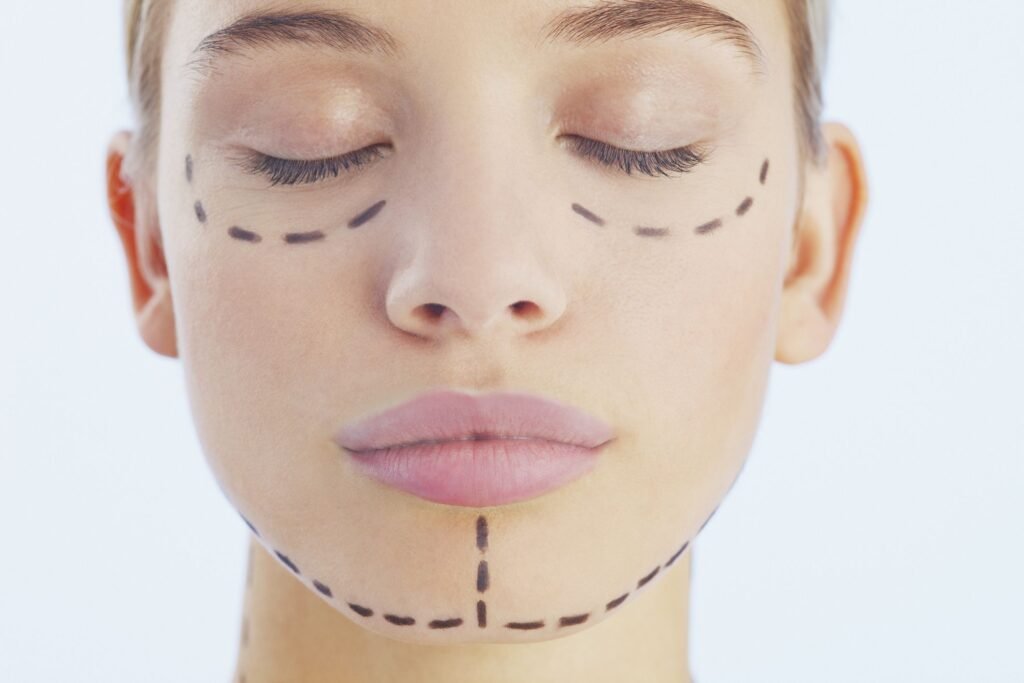
Facial procedures are designed to address cosmetic concerns related to the face and neck area. Some examples include rhinoplasty (nose reshaping), facelifts, brow lifts, eyelid surgery (blepharoplasty), and chin augmentation. These procedures can help enhance facial features, reduce signs of aging, and achieve a more harmonious balance in facial proportions.
Breast procedures
Breast procedures aim to enhance the size, shape, and symmetry of the breasts. Common breast surgeries include breast augmentation, breast lift, breast reduction, and breast reconstruction. Whether you desire more volume, want to restore a youthful appearance, or need reconstruction after mastectomy, breast procedures can help you achieve your desired outcome.
Body contouring procedures
Body contouring procedures are designed to sculpt and reshape the body by removing excess fat and skin. Liposuction, tummy tucks (abdominoplasty), thigh lifts, and arm lifts are some examples of body contouring surgeries. These procedures can help you achieve a more toned and proportionate body contour, giving you the confidence to flaunt your figure.
Hair transplant
Hair transplant is a specialized cosmetic procedure that aims to restore hair growth in areas experiencing baldness or thinning. Through advanced techniques like follicular unit extraction (FUE) or follicular unit transplantation (FUT), hair follicles are carefully transplanted from donor areas to the recipient site. This procedure can help you regain a fuller head of hair and boost your self-confidence.
Dermal fillers and Botox
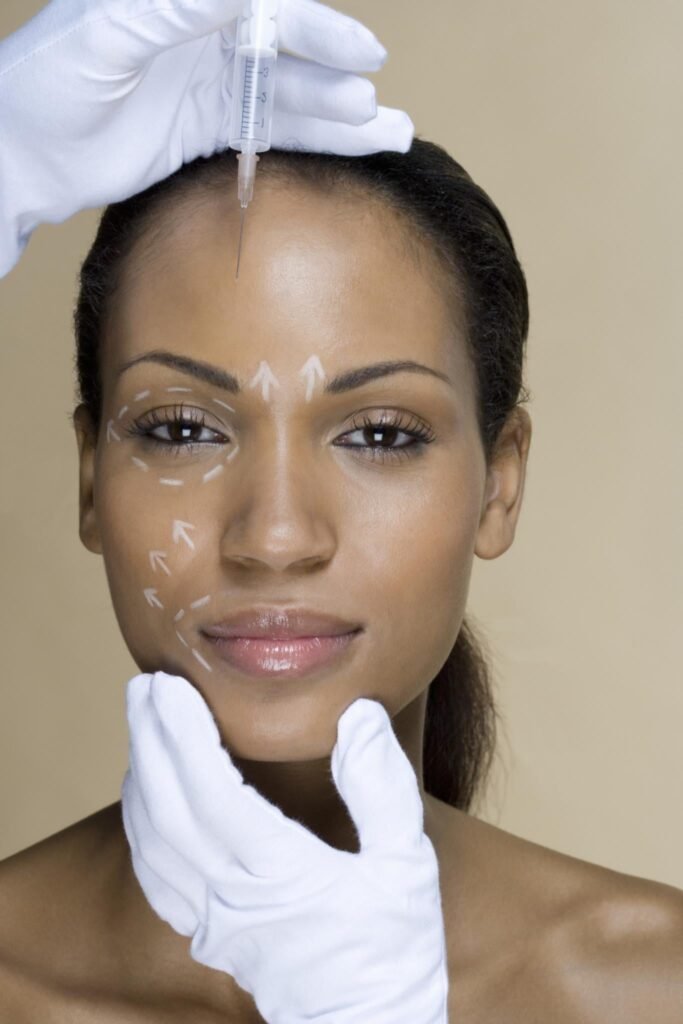
Dermal fillers and Botox injections are non-surgical cosmetic procedures that can address signs of aging and enhance facial features. Dermal fillers, such as hyaluronic acid-based fillers, can restore volume and smooth out wrinkles, while Botox injections can relax muscles and reduce the appearance of fine lines and wrinkles. These minimally invasive procedures offer quick results with minimal downtime.

Choosing the Right Surgeon
Selecting the right surgeon is crucial for successful and safe cosmetic surgery outcomes. Follow these guidelines to ensure you make an informed decision:
Check the surgeon’s credentials and expertise
Begin by researching the surgeon’s qualifications and training. Look for board-certified plastic surgeons who have undergone extensive education and specialized training in cosmetic surgery. Pay attention to their experience in performing the specific procedure you are interested in. A surgeon’s expertise and track record greatly influence the outcome of your surgery.
Look for board certification
Board certification is an important indicator of a surgeon’s credentials and competence. This certification is obtained through rigorous examinations and adherence to strict ethical and professional standards. Board-certified plastic surgeons have demonstrated a high level of expertise and commitment to patient safety. Therefore, choosing a board-certified surgeon enhances the likelihood of a successful procedure.
Review before and after photos
Before making a decision, review the surgeon’s portfolio of before and after photos. This will give you a realistic idea of the surgeon’s skills and the results you can expect. Take note of patients with similar characteristics or concerns to your own. This visual representation can help you determine if the surgeon’s aesthetic approach aligns with your desired outcome.
Read patient reviews and testimonials
Hearing from past patients can provide valuable insights into a surgeon’s professionalism, patient care, and satisfaction rates. Read reviews and testimonials on reputable websites or forums to get a sense of other patients’ experiences. Consider both positive and negative feedback to gain an overall understanding of the surgeon’s reputation.
By taking these steps, you can feel confident in your choice of surgeon and increase the likelihood of a successful outcome.
Risks and Complications
While cosmetic surgery can provide significant benefits, it’s important to be aware of the potential risks and complications involved. Here are some common risks to consider:
Infection
Infection is a potential risk with any surgical procedure. However, with proper sterile techniques and post-operative care, the risk can be minimized. It is crucial to follow your surgeon’s instructions regarding wound care and take any prescribed antibiotics to reduce the likelihood of infection.
Bleeding
Bleeding is a normal part of the surgical process, but excessive bleeding can lead to complications. Your surgeon will take steps to minimize bleeding during the procedure and closely monitor your condition afterward. Be sure to inform your surgeon if you are taking any blood-thinning medications or have a bleeding disorder to ensure proper precautions are taken.
Scarring
While every effort is made to minimize scarring, it is an inherent part of any surgical procedure. The degree of scarring can vary depending on factors such as genetics, the location of the incision, and how well you heal. Your surgeon may recommend scar management techniques, such as silicone sheets or creams, to help minimize the appearance of scars.
Nerve damage
Nerve damage is a potential risk, particularly in procedures involving the face or body. Temporary or permanent loss of sensation or movement can occur due to nerve injury. The risk can be minimized by choosing an experienced surgeon who takes great care to protect and preserve nerves during the procedure.
Anesthesia risks
Anesthesia is an integral part of most cosmetic surgeries. While advances in anesthesia techniques have greatly reduced the risks, there is still a small possibility of complications. Your surgeon will carefully evaluate your medical history and overall health to determine the appropriate anesthesia method and ensure your safety during the procedure.
It’s important to have open and honest discussions with your surgeon about the potential risks and complications associated with your specific procedure. Understanding these risks empowers you to make an informed decision and take appropriate precautions for a safe and successful surgery.
Recovery Process
The recovery process plays a vital role in the effectiveness and overall outcome of your cosmetic surgery. Here are some key aspects to keep in mind during your recovery:
Follow post-surgery instructions
Following your surgeon’s post-surgery instructions is crucial for optimal healing. These instructions may include guidelines for wound care, medications, physical activity restrictions, and dietary recommendations. Adhering to these instructions will help minimize complications and promote a smooth recovery.
Take prescribed medications
Your surgeon may prescribe medications to manage pain, prevent infection, and facilitate healing. It’s important to take these medications as directed and report any adverse effects to your surgeon. Pain management is an essential aspect of recovery, and your surgeon will work with you to ensure your comfort during the healing process.
Schedule follow-up appointments
Regular follow-up appointments allow your surgeon to monitor your progress, address any concerns, and determine if any adjustments are necessary. These appointments are an opportunity to ask questions and receive guidance on activities to avoid or embrace during your recovery. Consistent communication with your surgeon is key to a successful recovery.
Be patient with the healing process
Patience is crucial during the healing process. It’s important to understand that complete recovery takes time and varies depending on the procedure you undergo. Swelling, bruising, and discomfort are common in the initial stages of healing. However, as the weeks and months pass, you will begin to see the full benefits of your cosmetic surgery. It is essential to follow your surgeon’s guidelines and be patient to achieve the best possible results.
By prioritizing your recovery and following your surgeon’s instructions, you can optimize the healing process and enjoy the benefits of your cosmetic surgery for years to come.
Costs and Insurance
Understanding the costs associated with cosmetic surgery and the potential for insurance coverage is essential when considering these procedures. Here are some key aspects to consider:
Insurance coverage for cosmetic surgery
In most cases, cosmetic surgery is not covered by health insurance as it is considered an elective procedure. Insurance typically covers procedures that are medically necessary or address functional issues. However, there may be exceptions in cases where a functional issue is associated with a cosmetic concern. It’s important to consult with your insurance provider to understand your coverage and potential reimbursement options.
Factors influencing the cost
The cost of cosmetic surgery can vary depending on numerous factors, including the specific procedure, the surgeon’s experience and expertise, the location of the practice, and any additional services or facilities used. It’s important to obtain a comprehensive quote that includes all aspects of the surgery, such as surgeon fees, anesthesia fees, facility fees, and post-operative care costs. This will help you plan your finances and avoid any unexpected expenses.
Financing options
Many cosmetic surgery practices offer financing options to make procedures more affordable and accessible. These options may include payment plans, credit card financing, or loans specifically designed for aesthetic treatments. It’s important to explore these options and determine a payment plan that suits your budget and financial goals. Carefully review any terms and conditions to ensure you can comfortably manage the financial commitment associated with your cosmetic surgery.
By understanding the costs and exploring financing options, you can make an informed decision about your cosmetic surgery investment and ensure you have a clear financial plan in place.
Realistic Expectations
Having realistic expectations is vital when considering cosmetic surgery. Here are some key aspects to keep in mind:
Understanding limitations of cosmetic surgery
While cosmetic surgery can make significant improvements to your physical appearance, it’s important to have realistic expectations. Cosmetic procedures can enhance your features and address specific concerns, but they cannot completely alter your appearance or change fundamental aspects of your body. It’s important to discuss your goals and expectations with your surgeon and understand what can and cannot be achieved through surgery.
Realizing that surgery won’t solve all problems
It’s important to recognize that cosmetic surgery cannot solve all of life’s challenges or personal insecurities. While it can enhance your physical appearance and boost your self-confidence, it’s essential to address any underlying psychological issues or concerns through appropriate channels. Cosmetic surgery should be viewed as a tool to enhance your overall well-being rather than a solution to all of life’s problems.
By setting realistic expectations, you can approach cosmetic surgery with a positive mindset and appreciate the positive changes it can bring to your life.
Non-Surgical Alternatives
Not all cosmetic enhancements require surgical intervention. Non-surgical alternatives can offer effective solutions with minimal downtime. Here are some options to consider:
Non-invasive procedures
Non-invasive procedures include treatments like laser resurfacing, chemical peels, and microdermabrasion. These procedures can improve skin texture, reduce fine lines and wrinkles, and address specific skincare concerns without the need for surgery. Non-invasive treatments are often quick, relatively painless, and require minimal downtime.
Skin care routines
A consistent skincare routine tailored to your specific needs can have a significant impact on your skin’s appearance and overall health. Good skincare practices include regular cleansing, exfoliating, moisturizing, and protecting the skin from the sun’s harmful UV rays. Consult with a dermatologist or skincare specialist to create a customized routine that meets your individual needs.
Diet and exercise
Maintaining a healthy lifestyle through a balanced diet and regular exercise can do wonders for your appearance. A nutritious diet rich in vitamins, minerals, and antioxidants nourishes the skin and improves overall complexion. Exercise helps tone the body, boost circulation, and promote overall well-being. These lifestyle factors can complement any cosmetic procedures you may consider.
Cosmetic injectables
Cosmetic injectables, such as dermal fillers and Botox, offer non-surgical options for facial rejuvenation. Dermal fillers can add volume, plump lips, and smooth out wrinkles, while Botox injections can relax muscles and reduce the appearance of fine lines and wrinkles. These minimally invasive procedures offer quick results with minimal downtime.
By exploring non-surgical alternatives, you can find effective solutions that align with your preferences, lifestyle, and desired outcomes.
Consideration of Health Factors
Your overall health plays a crucial role in ensuring a safe and successful cosmetic surgery experience. Consider the following factors before undergoing any procedure:
Overall health assessment
Before scheduling your surgery, your surgeon will conduct a thorough assessment of your overall health. This assessment may include evaluating your medical history, performing physical examinations, and ordering laboratory tests or diagnostic imaging. It is important to be honest and transparent with your surgeon about any pre-existing medical conditions, allergies, or medications you are taking.
Medical conditions and medications
Certain medical conditions may increase the risks associated with cosmetic surgery. Conditions such as diabetes, high blood pressure, bleeding disorders, or autoimmune diseases require careful management and consideration before undergoing elective procedures. Similarly, certain medications like blood thinners or immunosuppressants may need to be adjusted or discontinued before surgery. It is essential to provide your surgeon with a comprehensive list of your medical conditions and medications to ensure your safety.
Smoking cessation
Smoking has a detrimental effect on the body’s healing process and can increase the risk of complications after surgery. It is highly recommended to quit smoking at least several weeks before your scheduled procedure. Smoking cessation not only improves the outcomes and reduces the risks but also contributes to your overall health and well-being.
Weight management
Maintaining a healthy weight before and after surgery is important for optimal outcomes. Significant weight fluctuations can affect the results of certain procedures and lead to dissatisfaction. Your surgeon may recommend achieving a stable weight before undergoing cosmetic surgery to ensure the best possible results.
By considering these health factors, you can ensure a safer surgical experience and optimize the outcomes of your cosmetic procedures.
Emotional Preparation
Undergoing cosmetic surgery is not just a physical journey; it can also be an emotional one. Here are some important aspects to consider for emotional preparation:
Prepare for emotional ups and downs
The emotional journey of cosmetic surgery can involve a mix of excitement, nervousness, and anticipation. It’s normal to experience emotional ups and downs leading up to the procedure and during the recovery period. It’s important to anticipate and prepare for these emotions by seeking support from friends, family, or support groups.
Talk to supportive friends and family
Having a strong support system can make a significant difference in your emotional well-being throughout the cosmetic surgery process. Talk to trusted friends and family members about your decision, concerns, and expectations. Their support and reassurance can help alleviate any anxiety and provide you with the encouragement you need.
Address underlying psychological issues
Cosmetic surgery may provide physical improvements, but it’s essential to address any underlying psychological issues that may have contributed to your desire for change. If you have concerns about body image, self-esteem, or other psychological matters, consider seeking counseling or therapy before and after your procedure. This can help ensure a healthy emotional foundation and support your overall well-being.
While cosmetic surgery can make positive changes in your physical appearance, it’s important to prepare yourself emotionally for the journey. By addressing your emotional well-being and seeking the necessary support, you can approach cosmetic surgery from a place of confidence and personal growth.
In conclusion, cosmetic surgery offers a myriad of benefits that extend beyond physical appearance. From improving self-confidence to correcting physical deformities, the psychological and emotional benefits can be transformative. Understanding the different types of cosmetic surgeries available and considering factors such as choosing the right surgeon, potential risks and complications, the recovery process, costs and insurance, realistic expectations, non-surgical alternatives, health considerations, and emotional preparation will help you make informed decisions and have a successful cosmetic surgery experience. Remember, cosmetic surgery should enhance your overall well-being, but it’s important to approach it with a positive mindset, realistic expectations, and consideration for your overall health and emotional well-being.