
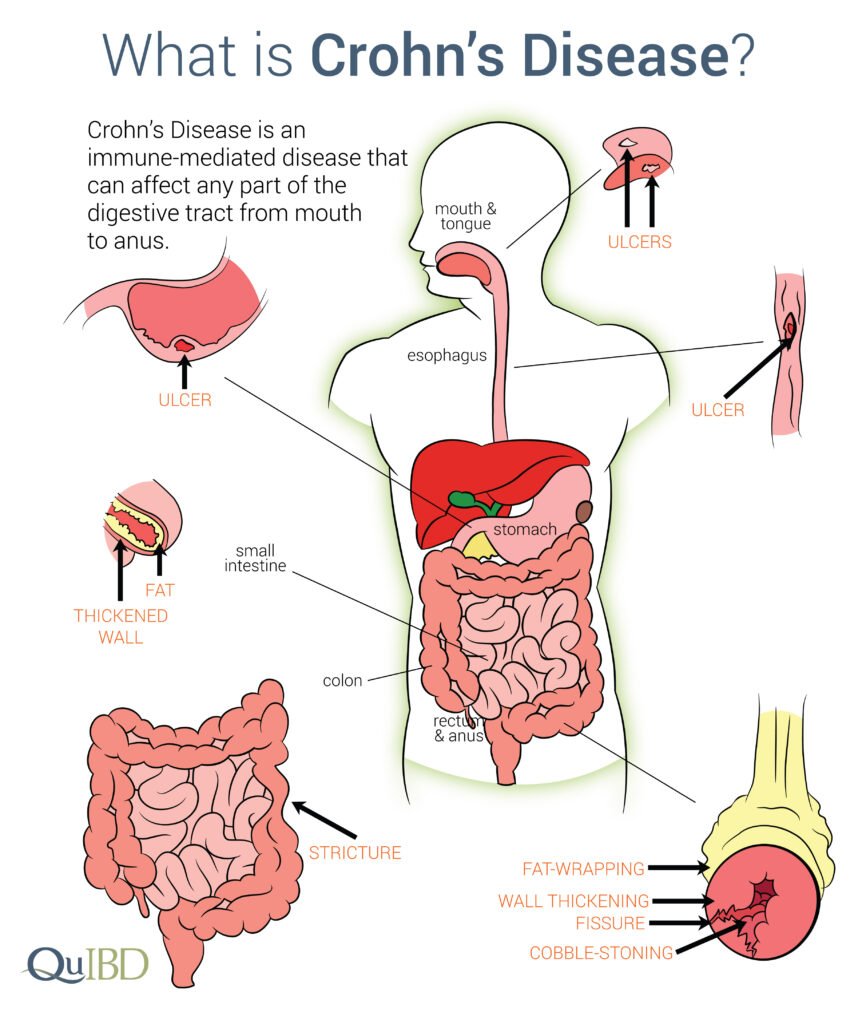
In this article, you will gain a deeper understanding of a chronic inflammatory disease known as Crohn’s Disease. As we explore its causes, symptoms, and available treatment options, you will discover the impact this condition can have on an individual’s daily life. By shedding light on the various aspects of Crohn’s Disease, we hope to provide you with valuable insights and knowledge to help those affected by this condition navigate their journey towards better health.
Causes of Crohn’s Disease
Genetics
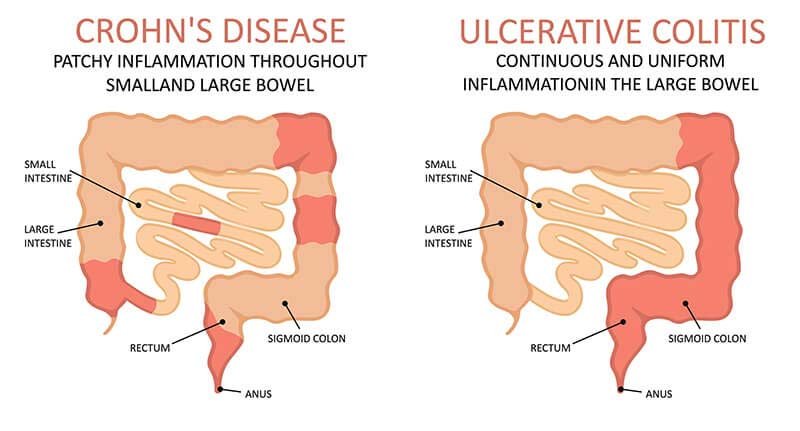
Genetics play a significant role in the development of Crohn’s disease. If you have a family member with the condition, you are at a higher risk of developing it as well. Certain genes have been identified as potential factors that can increase the susceptibility to Crohn’s disease. However, it’s important to note that having these genes doesn’t guarantee that you will develop the condition.
Immune system
The immune system is responsible for protecting the body from foreign substances and infections. In the case of Crohn’s disease, the immune system mistakenly attacks the healthy cells in the digestive tract, causing inflammation. This abnormal immune response leads to the development of Crohn’s disease. The exact trigger for this immune system malfunction is still not fully understood, but researchers believe it may be a combination of genetic and environmental factors.
Environmental factors
Environmental factors such as diet, smoking, and infections can play a role in the development of Crohn’s disease. Certain foods, especially those high in sugar and fat, may trigger or worsen the symptoms of Crohn’s disease. Smoking has also been strongly associated with the development of this condition. Additionally, bacterial or viral infections in the gastrointestinal tract can potentially trigger the immune system response that leads to Crohn’s disease.
Symptoms of Crohn’s Disease
Digestive system symptoms
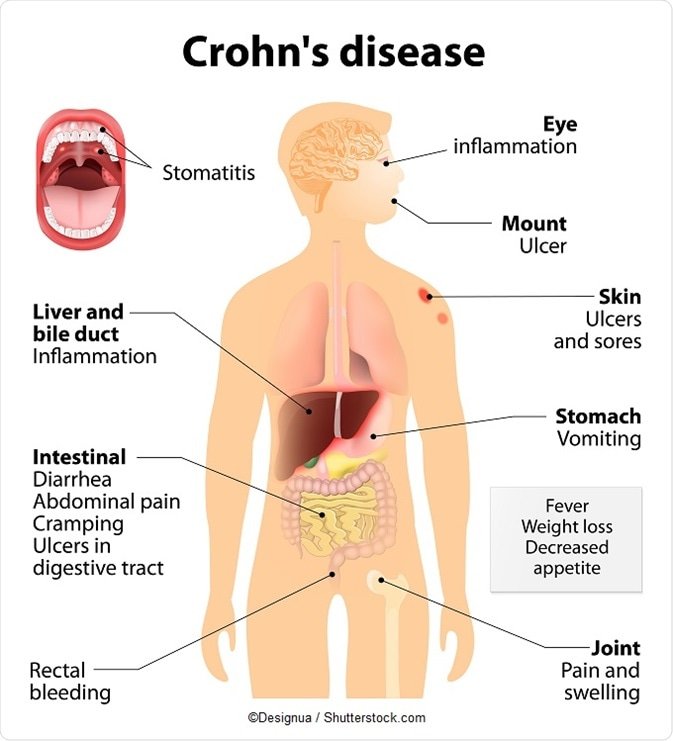
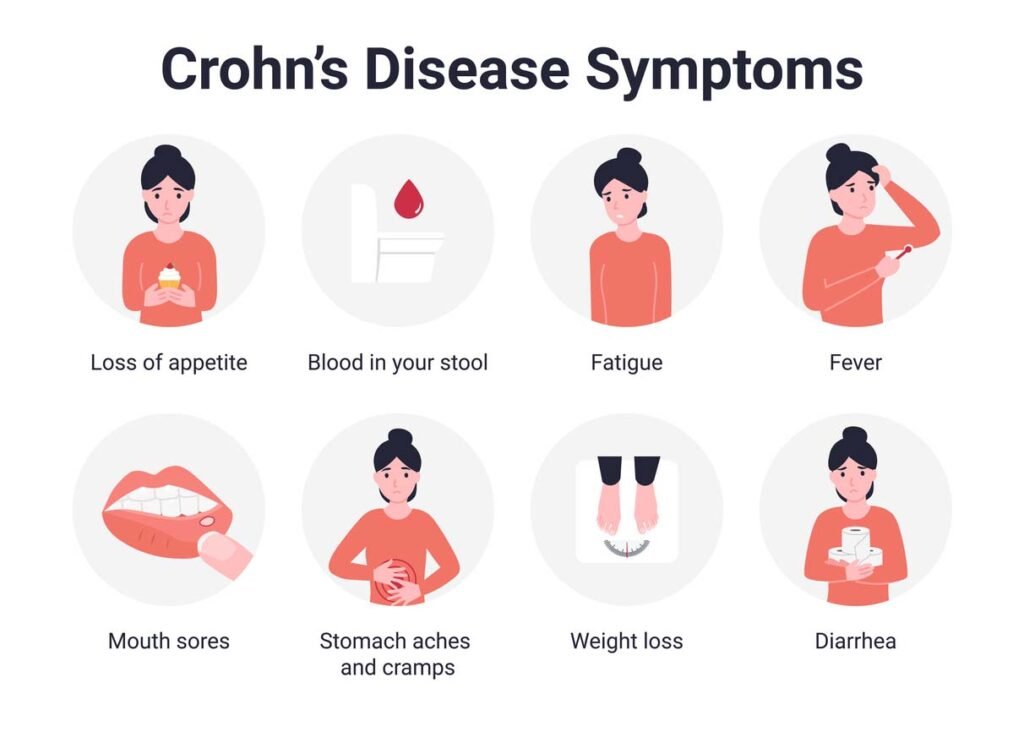
Crohn’s disease primarily affects the digestive system, and its symptoms can vary from mild to severe. Common digestive system symptoms include persistent diarrhea, abdominal pain and cramping, bloody or mucus-filled stools, reduced appetite, weight loss, and fatigue. These symptoms may come and go, known as flare-ups, with periods of remission in between.
Extraintestinal symptoms
In addition to the digestive system symptoms, Crohn’s disease can also cause symptoms beyond the intestines. These extraintestinal symptoms can affect other parts of the body and may include joint pain and swelling, skin problems, inflammation of the eyes, mouth sores, liver inflammation, and kidney problems. Recognizing these symptoms is important for a comprehensive diagnosis and appropriate treatment of Crohn’s disease.
Diagnosis of Crohn’s Disease
Medical history
The first step in diagnosing Crohn’s disease is a thorough medical history assessment. Your doctor will inquire about your symptoms, their duration, and any family history of inflammatory bowel disease. They will also ask about your lifestyle habits and previous medical conditions that could be contributing factors.
Physical examination
A physical examination is conducted to assess any abdominal tenderness, bloating, or abnormal findings that may indicate Crohn’s disease. Your doctor may also check for signs of extraintestinal symptoms or complications related to the disease.
Blood tests
Blood tests are frequently used to support the diagnosis of Crohn’s disease. These tests measure various markers, including C-reactive protein (CRP), which is an indicator of inflammation in the body. Elevated levels of CRP may suggest active inflammation in the intestine, pointing towards Crohn’s disease.
Stool tests
Stool tests are performed to detect the presence of blood or markers of inflammation in the stool. These tests help differentiate between Crohn’s disease and other gastrointestinal disorders. In some cases, stool cultures may also be conducted to rule out possible infections.
Endoscopic procedures
Endoscopic procedures, such as colonoscopy or sigmoidoscopy, are commonly used to evaluate the extent and severity of Crohn’s disease. During these procedures, a flexible tube with a camera is inserted into the intestines to visualize the lining and collect tissue samples for further analysis.
Imaging tests
Medical imaging techniques, such as CT scan, MRI, or ultrasound, can provide a detailed view of the digestive tract and help identify any structural abnormalities or areas of inflammation. These tests are particularly useful in assessing the extent and location of Crohn’s disease.
Complications of Crohn’s Disease
Bowel obstruction
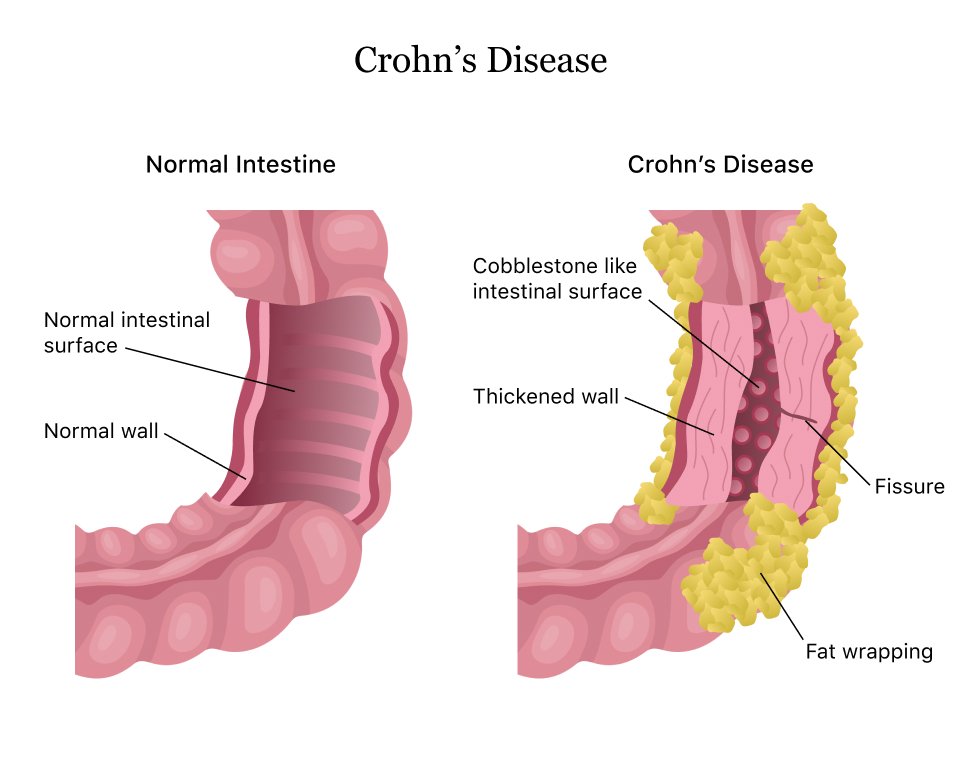
Over time, the inflammation in Crohn’s disease can cause the narrowing of the intestinal walls, leading to a condition known as bowel obstruction. This can result in severe abdominal pain, nausea, vomiting, and the inability to pass stool or gas. Bowel obstruction requires immediate medical attention and may require surgery to relieve the blockage.
Ulcers
The inflammation caused by Crohn’s disease can lead to the formation of painful ulcers in the digestive tract. These ulcers can cause bleeding and may increase the risk of developing infections.
Fistulas
Fistulas are abnormal connections that can form between different parts of the digestive tract or between the digestive tract and nearby organs, such as the bladder or skin. These connections can cause the passage of stool or mucus through abnormal routes and may require surgical intervention.
Abscesses
Abscesses are pockets of pus that can develop in the bowel wall or surrounding tissues. They often cause severe pain, fever, and tenderness in the affected area. Abscesses usually require drainage and antibiotic treatment.
Malnutrition
Chronic inflammation and digestive issues in Crohn’s disease can interfere with the body’s ability to absorb essential nutrients. As a result, people with Crohn’s disease may experience malnutrition, leading to deficiencies in vitamins, minerals, and other important substances necessary for overall health.
Colon cancer
Long-standing inflammation in Crohn’s disease increases the risk of developing colon cancer. Regular screening and monitoring of the colon are necessary for early detection and treatment if any abnormalities are found.
Treatment for Crohn’s Disease
Medications
Medications are often prescribed to manage the symptoms and control the inflammation associated with Crohn’s disease. Anti-inflammatory drugs, immune system suppressors, antibiotics, corticosteroids, and biologic therapies are commonly used medications for Crohn’s disease. The choice of medication depends on the severity of symptoms and the specific needs of the individual.
Diet and nutrition
Proper diet and nutrition are essential for managing Crohn’s disease. Depending on the individual’s symptoms and tolerances, different diets like low-residue, FODMAP, or enteral nutrition may be recommended. Vitamin and mineral supplements may also be prescribed to address potential deficiencies.
Surgery
Surgery may be necessary in cases where medications and other treatments fail to adequately control Crohn’s disease or when complications, such as strictures or obstructions, require intervention. Bowel resection, strictureplasty, colectomy, and ileostomy are surgical procedures commonly performed in Crohn’s disease.
Lifestyle changes
Managing Crohn’s disease often involves making lifestyle changes. Stress management techniques, regular exercise, and smoking cessation can significantly improve the overall well-being and help reduce the frequency and severity of flare-ups.
Alternative therapies
While alternative therapies should not be used as a substitute for conventional medical treatment, some individuals may find benefits from various approaches. Herbal remedies, probiotics, acupuncture, and mind-body therapies can be explored to complement the standard treatment plan. It’s important to discuss these options with a healthcare professional before incorporating them into your Crohn’s disease management.
Crohn’s disease is a complex condition that requires a comprehensive understanding of its causes, symptoms, and treatment options. By recognizing the different factors that contribute to the development of Crohn’s disease, understanding its wide range of symptoms, and exploring the various treatment approaches available, individuals can better manage their condition and improve their quality of life. Always consult with a healthcare professional for personalized guidance and support in managing Crohn’s disease effectively.