
If you or someone you know is living with Crohn’s Disease and is considering starting a family, it’s important to have a clear understanding of the facts and precautions that come with the condition. Crohn’s Disease is a chronic inflammatory bowel disease that can affect various parts of the digestive tract, leading to symptoms such as abdominal pain, diarrhea, and weight loss. This article aims to provide you with a comprehensive overview of how Crohn’s Disease can impact pregnancy, the risks and considerations involved, and the precautions you can take to ensure a healthy pregnancy and delivery.

Overview of Crohn’s Disease
Crohn’s Disease is a chronic inflammatory condition that primarily affects the digestive system. It is classified as an inflammatory bowel disease (IBD) and can cause symptoms such as abdominal pain, diarrhea, fatigue, and weight loss. This condition is characterized by periods of remission and flare-ups, making it essential for individuals with Crohn’s Disease to manage their condition effectively.
Definition and Symptoms of Crohn’s Disease
Crohn’s Disease is a type of IBD that can cause inflammation in any part of the gastrointestinal tract, from the mouth to the anus. The inflammation primarily affects the lining of the digestive system, leading to various symptoms. Common symptoms of Crohn’s Disease include persistent diarrhea, abdominal pain, cramping, rectal bleeding, fatigue, and weight loss. Some individuals may also experience complications such as fistulas, strictures, and abscesses.
Prevalence and Causes of Crohn’s Disease
Crohn’s Disease can affect individuals of any age, although it is most commonly diagnosed in individuals between the ages of 15 and 35. It is estimated that approximately 1.6 million Americans have been diagnosed with IBD, with around half of those cases being Crohn’s Disease. The exact causes of Crohn’s Disease are still unknown, but it is believed to be a combination of genetic, environmental, and immune system factors.
Effects of Crohn’s Disease on the Digestive System
Crohn’s Disease primarily affects the digestive system, causing inflammation and damage to the gastrointestinal tract. The inflammation can lead to various complications such as ulcers, strictures (narrowing of the intestine), and fistulas (abnormal connections between different parts of the digestive tract). These complications can disrupt the normal functioning of the digestive system, resulting in symptoms like pain, diarrhea, and malnutrition.

Impact of Crohn’s Disease on Pregnancy
Conception and Fertility Issues
For women with Crohn’s Disease who are planning to conceive, it is important to be aware of the potential impact on fertility. While Crohn’s Disease does not necessarily cause infertility, certain factors associated with the condition, such as malnutrition and inflammation, can affect fertility. It is advisable to discuss any concerns about fertility with a healthcare provider who can provide guidance and support.
Effects of Crohn’s Disease on Pregnancy
Pregnancy can have varying effects on women with Crohn’s Disease. Some women may experience improvement in their symptoms during pregnancy, while others may experience worsening or the development of new symptoms. It is important to closely monitor the condition during pregnancy and communicate any changes or concerns with a healthcare provider. Maintaining open and regular communication is crucial to ensure the well-being of both the mother and the baby.
Risks to the Mother and the Baby
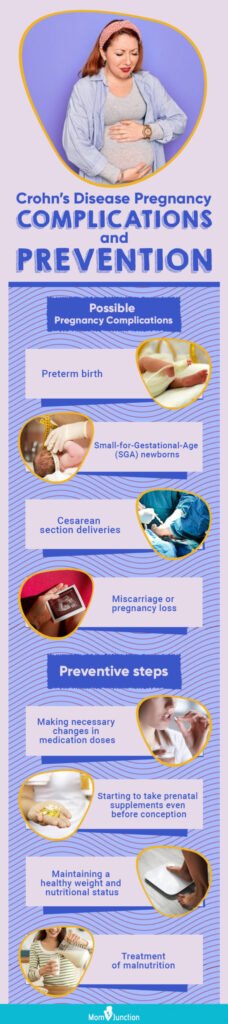
Although most women with Crohn’s Disease have successful pregnancies, there are potential risks that need to be taken into consideration. Women with active disease during pregnancy are at an increased risk of complications such as preterm birth, low birth weight, and certain pregnancy-related conditions like preeclampsia. It is important for healthcare providers to closely monitor both the mother and the baby throughout the pregnancy to detect and address any potential risks or complications.
Managing Crohn’s Disease During Pregnancy
Medical Consultation and Prenatal Care
When planning a pregnancy or if already pregnant, it is crucial for women with Crohn’s Disease to consult with a healthcare provider experienced in managing the condition during pregnancy. Regular prenatal care is essential to monitor the health of both the mother and the baby and to ensure appropriate management of Crohn’s Disease. Healthcare providers may recommend specific tests and screenings to assess disease activity and the overall well-being of the mother and the baby.
Medication Considerations
Individuals with Crohn’s Disease may be taking various medications to manage their condition. During pregnancy, the safety of these medications for both the mother and the baby needs to be evaluated. Some medications may need to be adjusted or temporarily discontinued, while others may be deemed safe for continued use. It is important for women with Crohn’s Disease to discuss their medications with a healthcare provider who can provide guidance on the most appropriate course of action.
Dietary Adjustments and Nutritional Support
Maintaining proper nutrition is crucial for both the mother and the developing baby during pregnancy. Women with Crohn’s Disease may need to make dietary adjustments to manage their symptoms and ensure adequate nutrient intake. A healthcare provider or a registered dietitian can provide guidance on a suitable diet plan, which may involve avoiding trigger foods, increasing fiber intake, and ensuring proper hydration. Nutritional supplements may also be recommended to address any nutrient deficiencies.

Preconception Planning for Women with Crohn’s Disease
Discussion with Healthcare Providers
For women with Crohn’s Disease who are planning to conceive, it is important to have open and honest discussions with healthcare providers before becoming pregnant. These discussions should involve addressing any concerns, evaluating disease activity, and assessing the overall health status. Healthcare providers can provide guidance on how to optimize health and manage the condition before pregnancy.
Evaluation of Disease Activity
Before attempting to conceive, it is important to assess disease activity and ensure that the condition is as stable as possible. This may involve various tests, such as blood tests and imaging studies, to evaluate inflammation and the extent of disease involvement. Achieving remission or stable disease activity before pregnancy can help reduce the risk of flare-ups during pregnancy and improve overall outcomes.
Medication Review and Adjustment
During preconception planning, healthcare providers will assess the medications being used to manage Crohn’s Disease. Some medications may need to be adjusted or changed to ensure they are safe for use during pregnancy. This may involve transitioning to medications that are known to be compatible with pregnancy or adjusting dosages to minimize risks. Finding the right balance between disease management and medication safety is crucial during preconception planning.
Potential Complications and Risk Factors
Increased Risk of Flares and Disease Complications
Pregnancy can potentially trigger Crohn’s Disease flare-ups, especially in women with active disease. Hormonal changes, immune system variations, and stress can all contribute to disease activity. It is important to closely monitor Crohn’s Disease during pregnancy to detect and manage any flare-ups promptly. By regularly communicating with healthcare providers and following their guidance, the risk of complications can be minimized.
Higher Risk of Preterm Birth and Low Birth Weight
Women with active Crohn’s Disease during pregnancy are at an increased risk of preterm birth and delivering babies with low birth weight. This may be due to the impact of inflammation and disease activity on the developing fetus. Close monitoring of the pregnancy, including regular ultrasounds and other assessments, can help detect any potential risks and allow for appropriate interventions to be implemented.
Potential Impact on Breastfeeding
Some women with Crohn’s Disease may have concerns about breastfeeding due to their condition. While breastfeeding is generally considered safe for women with Crohn’s Disease, individual factors may need to be considered. Medications being used to manage the condition should be evaluated for compatibility with breastfeeding. Additionally, the impact of disease activity on the mother’s ability to breastfeed should be assessed. Healthcare providers can provide guidance and support to help women make informed decisions regarding breastfeeding.

Effectiveness and Safety of Crohn’s Disease Treatments
Biologic Medications and Pregnancy
Biologic medications, such as anti-TNF agents, are often used to manage Crohn’s Disease. These medications work by targeting specific components of the immune system involved in inflammation. It is important to discuss the safety and effectiveness of biologics during pregnancy with a healthcare provider. Some biologic medications may be considered safe for use during pregnancy, while others may need to be adjusted or temporarily discontinued.
Corticosteroids and Prenatal Use
Corticosteroids, such as prednisone, are commonly used to manage inflammation in Crohn’s Disease. These medications can be effective in controlling flare-ups but may pose risks during pregnancy. Healthcare providers will evaluate the benefits and risks of corticosteroids before and during pregnancy to determine the most appropriate course of action. In some cases, corticosteroids may be used in the lowest effective dose for the shortest duration possible.
Surgical Treatments and Pregnancy Outcomes
Surgical interventions may be necessary for some individuals with Crohn’s Disease, either before or during pregnancy. It is important to consider the potential impact of surgical treatments on pregnancy outcomes. Surgical procedures performed prior to pregnancy, such as bowel resection, may help improve disease management and reduce the risk of complications during pregnancy. However, the specific risks and benefits of surgery should be discussed with a healthcare provider on an individual basis.
Psychological Impact and Emotional Support
Emotional Challenges Faced by Pregnant Women with Crohn’s Disease
Pregnancy can be an emotional time for any woman, and having a chronic condition like Crohn’s Disease can present additional challenges. Women with Crohn’s Disease may experience anxiety, fear of flare-ups, and concerns about the impact of the condition on pregnancy outcomes. It is important for healthcare providers to address these emotional challenges and provide appropriate support throughout the pregnancy journey.
Coping Mechanisms and Stress Management
Finding effective coping mechanisms and managing stress is crucial for pregnant women with Crohn’s Disease. Engaging in activities that promote relaxation and well-being, such as yoga, meditation, or therapy, can help reduce stress levels. Connecting with support groups or other individuals going through similar experiences can also provide emotional support and valuable insights.
The Importance of Support Systems
Building a strong support system can make a significant difference in managing Crohn’s Disease during pregnancy. This support system may include healthcare providers, family, friends, and other individuals who can provide understanding, encouragement, and practical support. Open and honest communication with loved ones about the challenges and needs can foster a supportive environment that positively impacts the emotional well-being of the pregnant woman.
Potential Implications on Fetal Development
Exposure to Crohn’s Disease Medications
Concerns may arise regarding the potential impact of Crohn’s Disease medications on fetal development. It is important to evaluate the safety of the medications being used during pregnancy and their potential effects on the developing baby. Healthcare providers will carefully consider the benefits and risks of each medication and their impact on fetal health.
Effects of Maternal Inflammation on Fetal Development
Crohn’s Disease involves inflammation within the body, which can potentially impact fetal development. The severity and duration of inflammation may play a role in the potential effects on the developing baby. Adequately managing Crohn’s Disease and monitoring disease activity during pregnancy can help minimize the impact of inflammation on fetal development.
Research on Long-Term Impact on Child’s Health
Although limited, research suggests that there may be a slight increase in the risk of certain health conditions in children born to mothers with Crohn’s Disease. However, it is important to note that the overall risk is still relatively low, and the benefits of managing Crohn’s Disease during pregnancy generally outweigh the potential risks. Healthcare providers can provide further information and guidance on the topic, taking into account individual circumstances and factors.
Tips for a Healthy Pregnancy with Crohn’s Disease
Maintaining Close Communication with Healthcare Providers
Regular and open communication with healthcare providers is crucial throughout the pregnancy journey. Healthcare providers can closely monitor the condition, assess disease activity, and make necessary adjustments to medication or treatment plans. Addressing any concerns or changes promptly can help ensure a healthy pregnancy and minimize potential risks.
Balancing Rest and Physical Activity
Maintaining a balance between rest and physical activity is important for pregnant women with Crohn’s Disease. Fatigue and changes in energy levels may occur during pregnancy, so it is important to listen to your body and rest when needed. However, engaging in light to moderate physical activity, such as walking or prenatal yoga, can also have benefits for overall health and well-being.
Managing Symptoms and Flares
Experiencing symptoms or flare-ups of Crohn’s Disease during pregnancy can be challenging. It is important to have strategies in place to manage symptoms effectively. Utilizing techniques such as stress management, dietary adjustments, and medication management can help alleviate symptoms and promote a healthier pregnancy.
Postpartum Considerations for Women with Crohn’s Disease
Resuming Medications and Treatment
After giving birth, the healthcare provider will evaluate the appropriate timing to resume medications and treatment for Crohn’s Disease. The decision will depend on individual factors such as disease activity, breastfeeding plans, and the mother’s overall health. Resuming medications in a timely manner can help maintain disease management and minimize the risk of flare-ups.
Breastfeeding and Medication Compatibility
Women with Crohn’s Disease who plan to breastfeed may have concerns about the compatibility of medications with breastfeeding. Healthcare providers can provide guidance on medications that are safe to use while breastfeeding and those that may need to be temporarily discontinued or adjusted. Balancing the benefits of breastfeeding with the need for disease management is important for the well-being of both the mother and the baby.
Monitoring Disease Activity
Even after giving birth, it is important to continue monitoring disease activity and managing Crohn’s Disease. The postpartum period can trigger disease flare-ups, and regular follow-ups with healthcare providers are essential to ensure optimal disease management. It is important to communicate any changes or concerns to healthcare providers and work together to maintain remission or stable disease activity.