
Living with Crohn’s Disease can present unique challenges, especially when it comes to maintaining a healthy diet. But fret not! This article aims to provide you with practical and insightful dietary guidelines specifically tailored for individuals with Crohn’s Disease. We’ll explore strategies to manage symptoms, address nutritional deficiencies, and promote overall well-being. So, grab a cup of tea, sit back, and let’s embark on this journey towards a healthier you!
Dietary Guidelines for Individuals with Crohn’s Disease
Living with Crohn’s Disease can present some challenges, but proper nutrition can play a crucial role in managing symptoms and promoting overall health. By following the right dietary guidelines, you can support your body’s needs and improve your quality of life. In this article, we will explore various aspects of diet management for individuals with Crohn’s Disease, including understanding the condition, seeking professional guidance, general dietary recommendations, specific foods to include and avoid, the importance of hydration, managing symptoms through diet, the role of supplementation, and seeking emotional support.
Understanding Crohn’s Disease
Overview of Crohn’s Disease
Crohn’s Disease is a chronic inflammatory bowel disease that affects the digestive tract. It is characterized by inflammation that can occur in any part of the digestive system, from the mouth to the anus. The inflammation can lead to various symptoms, such as abdominal pain, diarrhea, fatigue, and weight loss. Understanding the nature and impact of Crohn’s Disease is essential for managing its symptoms effectively.
Causes and Risk Factors
The exact cause of Crohn’s Disease is still unknown, although it is believed to be a combination of genetic, environmental, and immune system factors. Certain risk factors, such as family history, smoking, and a Western diet rich in processed foods, may increase the likelihood of developing the condition. Being aware of these factors can help individuals make informed decisions about their lifestyle and dietary choices.
Symptoms and Complications
Crohn’s Disease can manifest differently in each individual, but common symptoms include abdominal pain, diarrhea, rectal bleeding, fatigue, and loss of appetite. It can also lead to complications such as strictures (narrowing of the intestines), fistulas (abnormal connections between organs), and nutritional deficiencies. Recognizing the symptoms and understanding the potential complications can help individuals seek timely medical assistance and make necessary dietary adjustments.
Impact on Digestive System
The inflammatory nature of Crohn’s Disease can have a significant impact on the digestive system. It disrupts the normal functioning of the intestines, making it difficult for the body to absorb nutrients properly. This can lead to malnutrition and various nutrient deficiencies. Additionally, the inflammation can cause ulcerations in the gastrointestinal tract, which can further complicate digestion and nutrient absorption. Understanding how the disease affects the digestive system is essential in tailoring a diet that supports your body’s needs.
Importance of Nutrition in Managing Crohn’s Disease
The Role of Nutrition
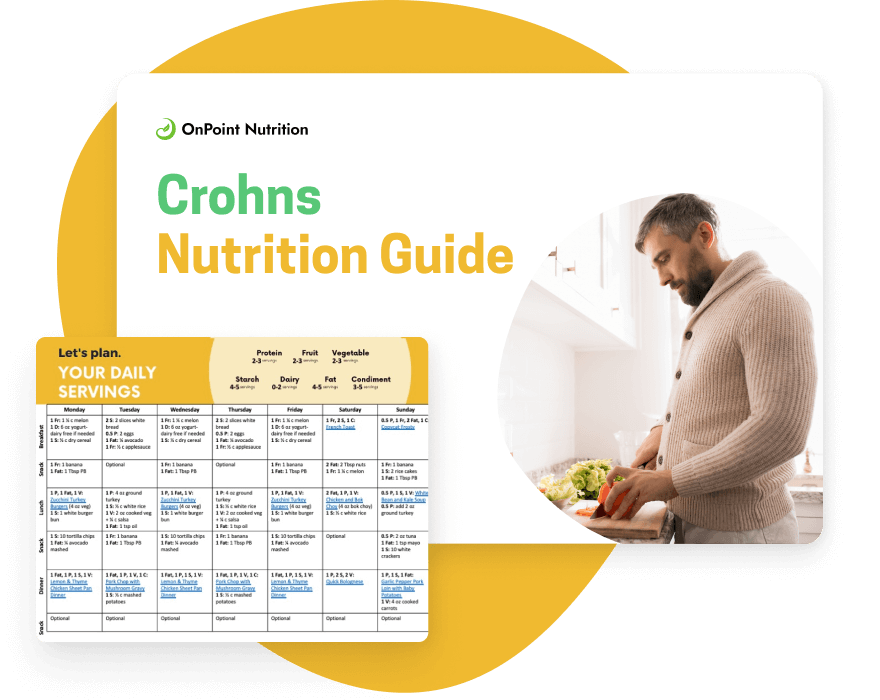
Proper nutrition plays a vital role in managing Crohn’s Disease. A well-balanced and nutrient-rich diet can help reduce inflammation, support gut health, and prevent complications associated with the condition. It can also provide the necessary energy, vitamins, and minerals required for the body’s overall functioning and healing.
Nutrient Deficiencies in Crohn’s Disease
Crohn’s Disease can lead to various nutrient deficiencies due to poor absorption and increased nutrient loss through diarrhea. Some common deficiencies include iron, vitamin B12, vitamin D, calcium, and magnesium. Identifying and addressing these deficiencies is crucial to prevent further complications and support overall health.
Impact on Growth and Development
In children and adolescents with Crohn’s Disease, nutrition plays a crucial role in supporting growth and development. The condition can interfere with normal growth patterns, leading to delayed puberty, poor weight gain, and stunted height. Adequate nutrition and monitoring of growth parameters are key in ensuring optimal development in young individuals.
Nutritional Support during Flares and Remission
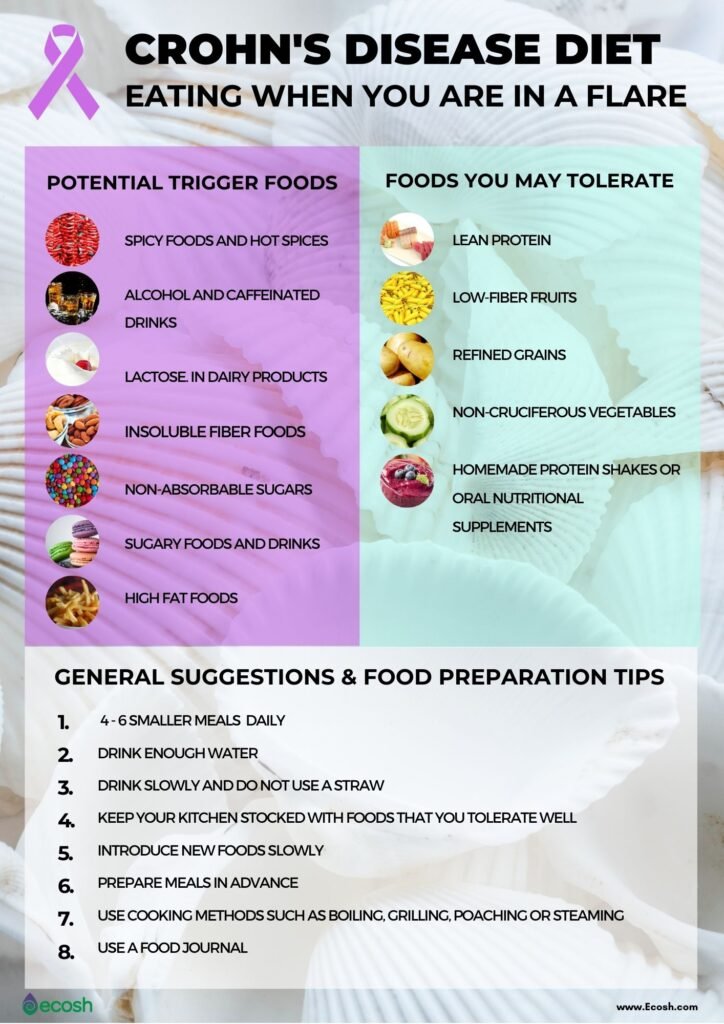
Managing nutrition during flares (active disease episodes) and remission (periods of symptom-free or controlled disease) requires adjustments based on individual needs. During flares, when symptoms are severe, a temporary shift to a low-fiber, easily digestible diet may help minimize discomfort. In remission, individuals can gradually reintroduce more complex foods, focusing on a well-balanced diet that meets their nutritional requirements.
Seeking Professional Guidance
Consulting a Registered Dietitian
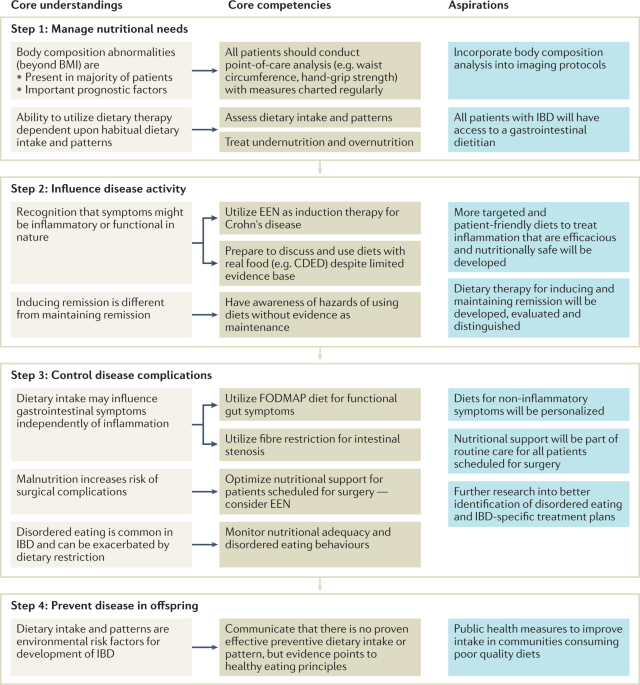
For individuals with Crohn’s Disease, seeking guidance from a registered dietitian is highly recommended. These professionals specialize in nutrition and can provide personalized advice based on your specific needs and condition. They can help create an individualized diet plan, address nutrient deficiencies, and guide you towards making dietary choices that support your overall well-being.
Collaborating with a Gastroenterologist
Collaboration between a gastroenterologist and a dietitian is essential in managing Crohn’s Disease effectively. Gastroenterologists specialize in the diagnosis and treatment of digestive disorders, while dietitians focus on nutrition. Working together as a team ensures a holistic approach to disease management, incorporating medication, lifestyle changes, and dietary adjustments.
Working as a Team
When dealing with a chronic condition like Crohn’s Disease, it is crucial to build a support system that includes healthcare professionals, family, and friends. This team can offer emotional support, share knowledge and experiences, and help you stay motivated on your journey towards better health. Collaborating with your healthcare team and actively participating in your own care can significantly improve your outcomes.
General Dietary Recommendations
Balanced and Well-Rounded Diet
A balanced and well-rounded diet is essential for individuals with Crohn’s Disease. It should include a variety of foods from different food groups, including fruits, vegetables, whole grains, lean proteins, and healthy fats. This ensures you receive a wide range of nutrients necessary for your body’s optimal functioning and healing.
Small and Frequent Meals
Eating smaller, more frequent meals throughout the day can help individuals with Crohn’s Disease manage their symptoms. Large meals can put excess strain on the digestive system, causing discomfort and exacerbating symptoms. By eating smaller portions, you give your body the opportunity to digest the food more efficiently and reduce the likelihood of discomfort.
Chewing Thoroughly
Chewing food thoroughly is essential for individuals with Crohn’s Disease. Properly chewing your food aids digestion by breaking it down into smaller pieces, making it easier for the digestive system to process. This can help prevent digestive issues, such as bloating and abdominal pain, that can arise from inadequately chewed food.
Mindful Eating
Practicing mindful eating can be beneficial for individuals with Crohn’s Disease. This involves paying attention to your body’s hunger and fullness cues and eating in a calm and relaxed environment. Mindful eating can help reduce stress-related symptoms, improve digestion, and promote a healthier relationship with food.
Maintaining a Food Diary
Keeping a food diary can be a helpful tool for individuals with Crohn’s Disease. By tracking your daily food intake and noting any symptoms or reactions, you can identify potential trigger foods or patterns. This information can guide you and your healthcare team in making necessary dietary adjustments to manage your symptoms effectively.
Foods to Include in the Diet
Fiber-Rich Foods
While individuals with Crohn’s Disease may have difficulty tolerating high-fiber foods during active flares, incorporating well-cooked and peeled fruits and vegetables, and soluble fiber sources like oats and psyllium husk, can be beneficial during remission. These foods can promote healthy bowel movements and provide essential nutrients.
Lean Protein Sources
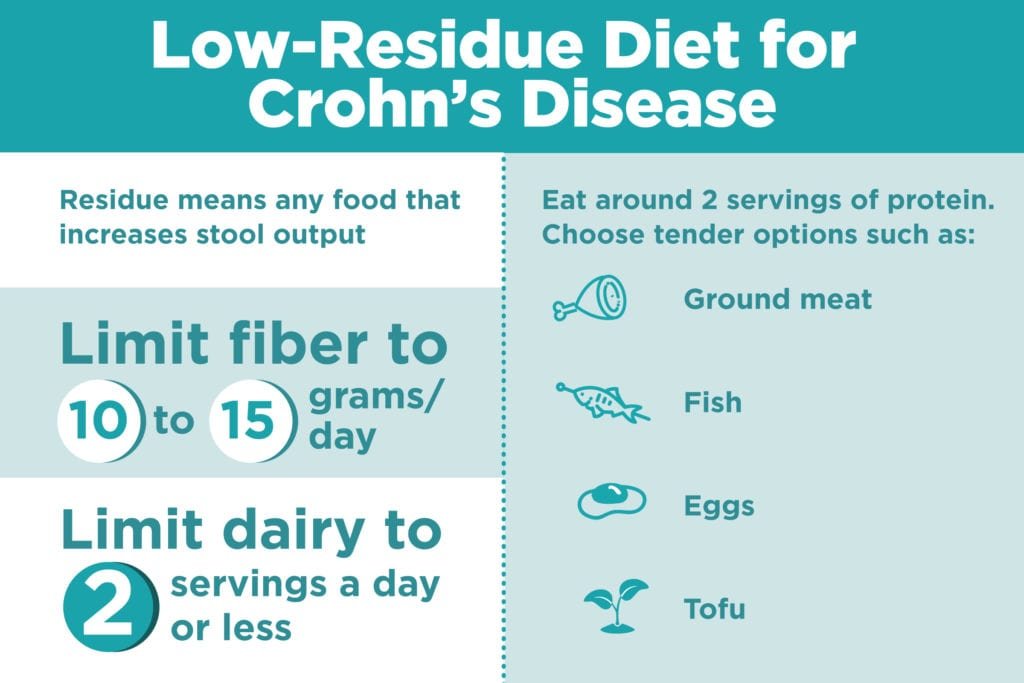
Including lean protein sources in your diet is important for individuals with Crohn’s Disease. Opt for lean meats, poultry, fish, eggs, tofu, and legumes, as they provide important amino acids necessary for tissue repair and immune function. Protein also helps maintain muscle mass during periods of weight loss and support overall health.
Healthy Fats
Incorporating healthy fats into your diet can provide essential fatty acids and help reduce inflammation. Include foods rich in omega-3 fatty acids, such as fatty fish (salmon, mackerel), flaxseeds, and chia seeds. Olive oil, avocados, and nuts are also excellent sources of healthy fats that can support your overall health.
Complex Carbohydrates
Choose complex carbohydrates over simple sugars to support stable blood sugar levels and provide sustained energy. Whole grains like brown rice, quinoa, and whole wheat products are excellent choices. These foods also provide dietary fiber, which contributes to gut health and regular bowel movements.
Probiotic Foods
Probiotic foods, such as yogurt, kefir, sauerkraut, and kimchi, contain beneficial bacteria that can promote a healthy balance of gut flora. These foods can support digestion, reduce inflammation, and boost the immune system. Introduce probiotic-rich foods gradually and observe any individual reactions.
Low-Residue Food Options
During flares or when experiencing gastrointestinal symptoms, opting for low-residue foods can help alleviate discomfort. These foods are easy to digest and produce less waste, reducing strain on the digestive system. Examples include white bread, refined grains, eggs, well-cooked vegetables, and tender meats.
Foods to Limit or Avoid
High-Fiber Foods
While fiber is generally beneficial, individuals with Crohn’s Disease may need to limit or avoid high-fiber foods during active flares. These foods can worsen symptoms and cause gastrointestinal discomfort. Examples of high-fiber foods to limit include raw fruits and vegetables, whole grains, nuts, seeds, and legumes. Gradually reintroduce them during remission and monitor individual tolerability.
Processed and Fatty Foods
Processed and fatty foods should be limited in the diets of individuals with Crohn’s Disease. These foods can contribute to inflammation and worsen symptoms. Avoid fried foods, processed snacks, high-fat dairy products, and fatty cuts of meat. Instead, opt for healthier preparation methods like baking, grilling, or steaming.
Spicy and Irritating Foods
Spicy and irritating foods can trigger or exacerbate symptoms in individuals with Crohn’s Disease. Avoid or limit foods with strong spices, hot peppers, chili, and acidic ingredients like citrus fruits, tomatoes, and vinegar. These foods can irritate the gastrointestinal tract and lead to discomfort.
Dairy Products
Individuals with Crohn’s Disease often have difficulty digesting lactose, the sugar found in milk and dairy products. Avoid or limit milk, cheese, ice cream, and other dairy products if you experience lactose intolerance symptoms. Opt for lactose-free or plant-based alternatives, such as almond or soy milk.
Alcohol and Caffeine
Alcohol and caffeine can have adverse effects on the digestive system and exacerbate symptoms of Crohn’s Disease. Limit or avoid alcoholic beverages and caffeinated drinks like coffee, tea, and energy drinks. These substances can irritate the gastrointestinal tract and contribute to inflammation.
Artificial Sweeteners
Some individuals with Crohn’s Disease may be sensitive to artificial sweeteners, such as aspartame or sucralose. These additives can cause gastrointestinal discomfort and worsen symptoms in some cases. Pay attention to labels and consider natural sweeteners like stevia or small amounts of honey as alternatives.
Importance of Proper Hydration
Hydration and Digestion
Proper hydration is vital for individuals with Crohn’s Disease as it supports digestion and overall gastrointestinal function. Drinking enough fluids can help soften stools, prevent constipation, and reduce the risk of dehydration, especially during episodes of diarrhea. It is important to maintain a proper balance of fluids and electrolytes to support your body’s needs.
Tips for Staying Hydrated
To ensure optimal hydration, individuals with Crohn’s Disease should drink enough fluids throughout the day. Aim for at least eight cups (64 ounces) of fluid daily, but adjust according to your individual needs and activity level. Opt for water, herbal teas, clear broths, and diluted juices. Avoid excessive consumption of sugary or caffeinated beverages, as they can worsen symptoms.
Managing Symptoms through Diet
Identifying Trigger Foods
Every individual may have different trigger foods that worsen their symptoms. It is important to identify these trigger foods through self-observation or with the help of a registered dietitian. Common trigger foods for individuals with Crohn’s Disease include spicy foods, high-fiber foods, dairy products, and certain grains. Avoiding or limiting these foods can help manage symptoms effectively.
Elimination and Reintroduction Diets
Elimination and reintroduction diets are useful strategies for identifying trigger foods in individuals with Crohn’s Disease. These involve temporarily eliminating common trigger foods from the diet and gradually reintroducing them one at a time while observing any symptoms or reactions. This process can help identify specific foods that contribute to symptom exacerbation.
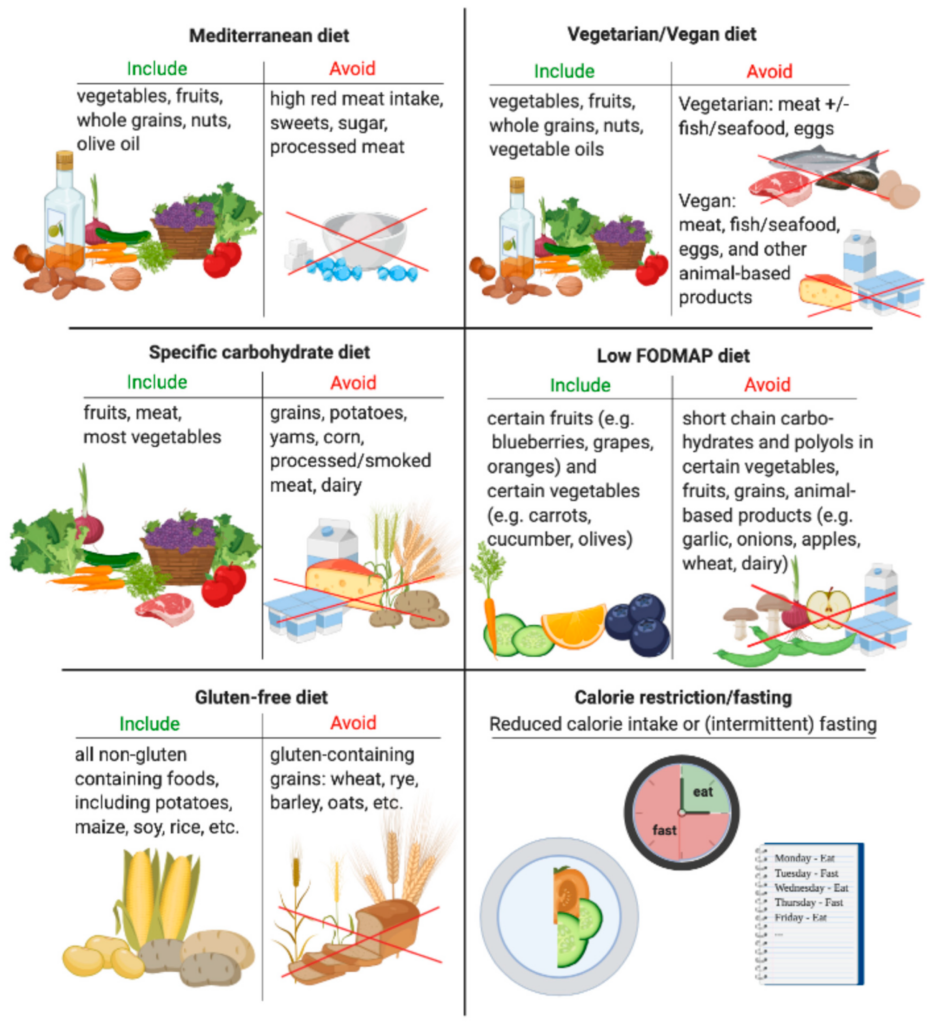
Low-FODMAP Diet
The low-FODMAP diet is a specialized dietary approach designed to reduce the intake of specific carbohydrates that can trigger symptoms in individuals with digestive disorders, including Crohn’s Disease. It involves eliminating high-FODMAP foods (fermentable oligosaccharides, disaccharides, monosaccharides, and polyols) and gradually reintroducing them to identify individual tolerance levels.
Anti-Inflammatory Diet
Adopting an anti-inflammatory diet may help manage symptoms and reduce inflammation in individuals with Crohn’s Disease. This diet emphasizes whole, unprocessed foods, such as fruits, vegetables, lean proteins, healthy fats, and anti-inflammatory spices. Limiting processed foods, added sugars, and unhealthy fats can contribute to overall well-being.
Specific Carbohydrate Diet (SCD)
The Specific Carbohydrate Diet (SCD) is a dietary approach that limits complex carbohydrates, disaccharides, and polysaccharides. It focuses on consuming single-molecule carbohydrates and eliminates grains, dairy, and processed sugars. The SCD aims to reduce inflammation and support healing in the digestive system.
Paleo Diet
The Paleo diet, inspired by the eating habits of our ancestors, focuses on whole, unprocessed foods. It excludes grains, dairy, legumes, and processed foods. Some individuals with Crohn’s Disease find relief from symptoms when following the Paleo diet, as it eliminates common trigger foods and emphasizes nutrient-dense options.
Seeking Emotional Support
The Impact of Crohn’s Disease on Mental Health
Living with Crohn’s Disease can take a toll on an individual’s mental health. The daily challenges, unpredictable symptoms, and the need to manage diet and medications can cause stress, anxiety, and even depression. Acknowledging and addressing the emotional impact of the disease is crucial for overall wellness.
Support Groups and Counseling
Joining support groups or seeking individual counseling can provide valuable emotional support for individuals with Crohn’s Disease. Interacting with others who understand the challenges can foster a sense of belonging and provide a platform to share experiences and coping strategies. Professional counseling can offer guidance in managing stress, anxiety, and emotional well-being.
Involvement in Community
Get involved in the Crohn’s Disease community to connect with others and access valuable resources. Online forums, social media groups, and local organizations offer platforms for sharing experiences, gathering information, and finding support. Engaging with the community can offer encouragement and empower individuals to take control of their health.
Managing Crohn’s Disease is a journey that requires a multifaceted approach, and diet plays a vital role in this process. By following the dietary guidelines discussed in this article and seeking professional support, individuals with Crohn’s Disease can effectively manage their symptoms, promote healing, and improve their overall quality of life.