
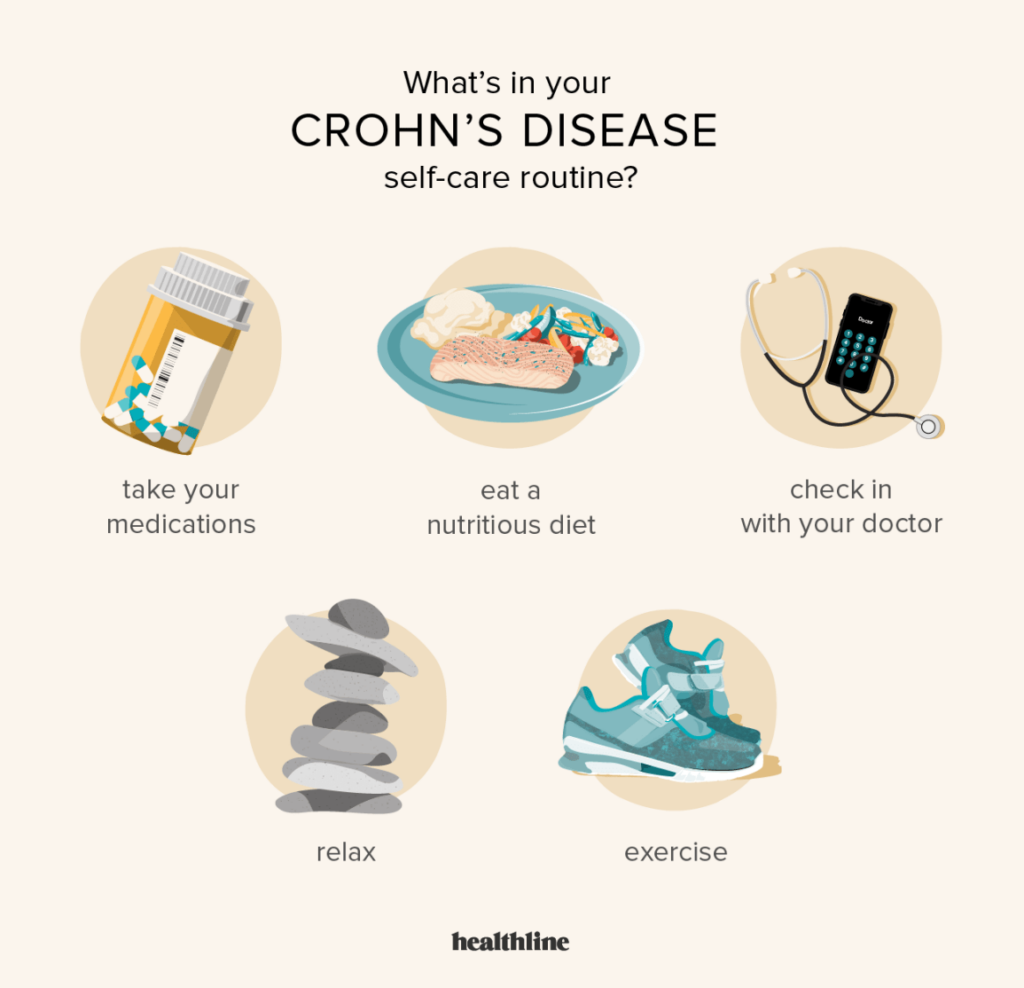
Living with Crohn’s Disease can be challenging, but with a well-managed daily routine, you can find a better quality of life. This chronic inflammatory bowel disease affects the digestive system, causing symptoms like abdominal pain, diarrhea, and fatigue. However, by implementing strategies such as maintaining a healthy diet, practicing stress management techniques, and adhering to medication regimens, you can effectively manage your symptoms and regain control over your daily life. In this article, we will explore various tips and strategies to help you navigate the ups and downs of living with Crohn’s Disease and create a routine that supports your overall well-being.
Dietary Recommendations
Identifying trigger foods
When living with Crohn’s disease, it’s important to identify trigger foods that may exacerbate your symptoms. Trigger foods can vary from person to person, but common culprits include spicy foods, high-fiber foods, dairy products, and caffeine. Keeping a food diary and noting any symptoms you experience after eating certain foods can help you identify your trigger foods. By eliminating or reducing the consumption of these trigger foods, you can help manage your symptoms and improve your overall well-being.
Following a balanced diet
Maintaining a balanced diet is essential for individuals with Crohn’s disease. It’s important to ensure you’re getting all the necessary nutrients while also avoiding foods that could worsen your symptoms. A balanced diet for Crohn’s disease should include a variety of fruits, vegetables, lean proteins, and whole grains. It may also be beneficial to work with a registered dietitian who specializes in gastrointestinal conditions to customize a meal plan that suits your specific needs.
Meal planning for Crohn’s disease
Meal planning can simplify your daily routine and help you make healthier food choices. When planning your meals, aim for smaller, more frequent meals throughout the day rather than large meals. This can help alleviate symptoms and reduce the strain on your digestive system. Additionally, incorporating easily digestible foods such as cooked vegetables, fish, and skinless poultry can make meals more gentle on your stomach. By taking the time to plan your meals in advance, you can ensure you’re providing your body with the necessary nutrients while minimizing the risk of triggering a flare-up.
Tracking symptoms after meals
Keeping track of your symptoms after meals can provide valuable insights into how your body responds to different foods. After each meal, take note of any changes or discomfort you experience. This can help you identify patterns and make connections between specific foods and symptoms. By tracking your symptoms, you can better understand your body’s unique needs and adjust your diet accordingly. This information can also be helpful when discussing your symptoms with your healthcare team, allowing them to make more informed decisions about your treatment plan.
Managing Stress
Identifying stressors
Stress can be a significant trigger for Crohn’s disease flare-ups. Identifying the sources of stress in your life is an important step in managing your condition. Common stressors can include work-related pressures, relationship challenges, financial concerns, or even the stress of living with a chronic illness. Take the time to reflect on your daily life and identify any specific situations or circumstances that cause you stress. By recognizing these stressors, you can then implement strategies to effectively manage and reduce stress in your life.
Utilizing stress management techniques
Once you’ve identified your stressors, it’s important to develop healthy coping mechanisms to manage and reduce stress. Different techniques work for different people, so it’s essential to find what works best for you. Some effective stress management techniques include deep breathing exercises, meditation, yoga, journaling, and engaging in activities that bring you joy and relaxation. Experiment with different techniques and find a combination that helps you effectively manage stress and promote overall well-being.
Engaging in relaxation exercises
In addition to stress management techniques, incorporating relaxation exercises into your daily routine can bring significant benefits. Relaxation exercises such as progressive muscle relaxation, guided imagery, and visualization can help reduce muscle tension and promote a sense of calm. These exercises can be particularly helpful during times of increased stress or when you feel a flare-up coming on. By dedicating time each day to relaxation exercises, you can help manage your stress levels and support your overall health.
Seeking support from others
Living with Crohn’s disease can sometimes feel isolating, but you don’t have to face it alone. Seeking support from family, friends, and healthcare professionals can provide invaluable emotional support. Share your concerns, fears, and frustrations with trusted individuals who can offer understanding and empathy. Additionally, consider joining support groups or online communities specifically tailored to individuals with Crohn’s disease. These communities can provide a safe space for sharing experiences, gaining insights, and finding comfort in the knowledge that you’re not alone on your journey.

Medication and Treatment Options
Understanding medication options
Medication plays a crucial role in managing Crohn’s disease symptoms and preventing flare-ups. There are various types of medications used to treat the condition, including immunomodulators, corticosteroids, biologics, and aminosalicylates. It’s important to work closely with your healthcare team to understand the different medication options available and to determine which ones are most appropriate for your specific case. They can explain each medication’s benefits, potential side effects, and any necessary precautions.
Consulting with healthcare professionals
When it comes to medication and treatment options for Crohn’s disease, it’s vital to maintain open and regular communication with your healthcare professionals. Your healthcare team, which may include gastroenterologists, nurses, and pharmacists, can help guide you through the treatment process. They can provide ongoing support, monitor your condition, and make adjustments to your medication regimen as needed. By actively participating in your treatment plan and regularly consulting with your healthcare team, you increase your chances of managing your Crohn’s disease effectively.
Managing medication side effects
Like any medication, those prescribed for Crohn’s disease may come with potential side effects. It’s important to be aware of these side effects and discuss them with your healthcare team. They can provide guidance on how to manage and minimize any discomfort or adverse reactions. Common side effects of Crohn’s disease medications may include nausea, diarrhea, weight gain, and increased susceptibility to infections. By understanding and managing these potential side effects, you can effectively incorporate medication into your treatment plan.
Exploring alternative and complementary therapies
While medication is often the primary form of treatment for Crohn’s disease, some individuals find additional relief through alternative and complementary therapies. These therapies can include acupuncture, herbal supplements, probiotics, and mind-body techniques like meditation or hypnotherapy. It’s important to approach these therapies with caution and discuss them with your healthcare team, as they may interact with your existing medication regimen. Together, you and your healthcare team can determine if these additional therapies may be suitable for you based on your individual needs and circumstances.
Exercise and Physical Activity
Finding suitable exercises
Physical activity can play a vital role in managing Crohn’s disease by improving overall health and boosting mood. Finding exercises that are suitable for your condition is crucial. Low-impact activities such as walking, swimming, cycling, and yoga are often well-tolerated by individuals with Crohn’s disease. It’s essential to choose exercises that don’t put excessive strain on your digestive system or exacerbate your symptoms. Listen to your body and work with your healthcare team to find exercises that suit your abilities and limitations.
Adapting physical activities
In addition to finding suitable exercises, it may be necessary to adapt physical activities to accommodate the needs of your condition. For example, if you experience joint pain or have limited mobility, modifications can be made to exercises to reduce strain on affected areas. Working with a qualified exercise physiologist or physical therapist can help you develop a tailored exercise plan that considers your specific limitations and goals. By making adaptations and modifications, you can engage in physical activity safely and reap the benefits it offers.
Maintaining a consistent exercise routine
Consistency is key when it comes to exercise and managing Crohn’s disease. Aim to incorporate physical activity into your daily routine to maintain a consistent exercise habit. Even if you’re not able to engage in vigorous exercise every day, something as simple as a short walk or gentle stretching can still be beneficial. Be patient with yourself and listen to your body’s needs, adapting your routine as necessary. Regular exercise not only supports your physical health but can also help reduce stress and improve your overall well-being.
Listening to your body’s cues
When engaging in physical activity with Crohn’s disease, it’s important to listen to your body’s cues and respect its limitations. Fatigue, pain, and increased bowel movements may be signs that you’re pushing yourself too hard. Be mindful of how your body is feeling during and after exercise, and adjust your routines accordingly. It’s better to start slowly and gradually increase your activity levels rather than risking injury or exacerbating your symptoms. By respecting your body’s signals, you can maintain a safe and effective exercise routine.
Creating a Supportive Environment
Educating family and friends about Crohn’s disease
Educating your family and friends about Crohn’s disease is essential for creating a supportive environment. Help them understand the condition, its symptoms, triggers, and the impact it can have on your daily life. By sharing this information, you can promote empathy and understanding, allowing your loved ones to provide the support you need. Encourage them to ask questions, and be open to discussing your experiences and emotions. Education can foster a sense of togetherness and strengthen your support network.
Seeking emotional support
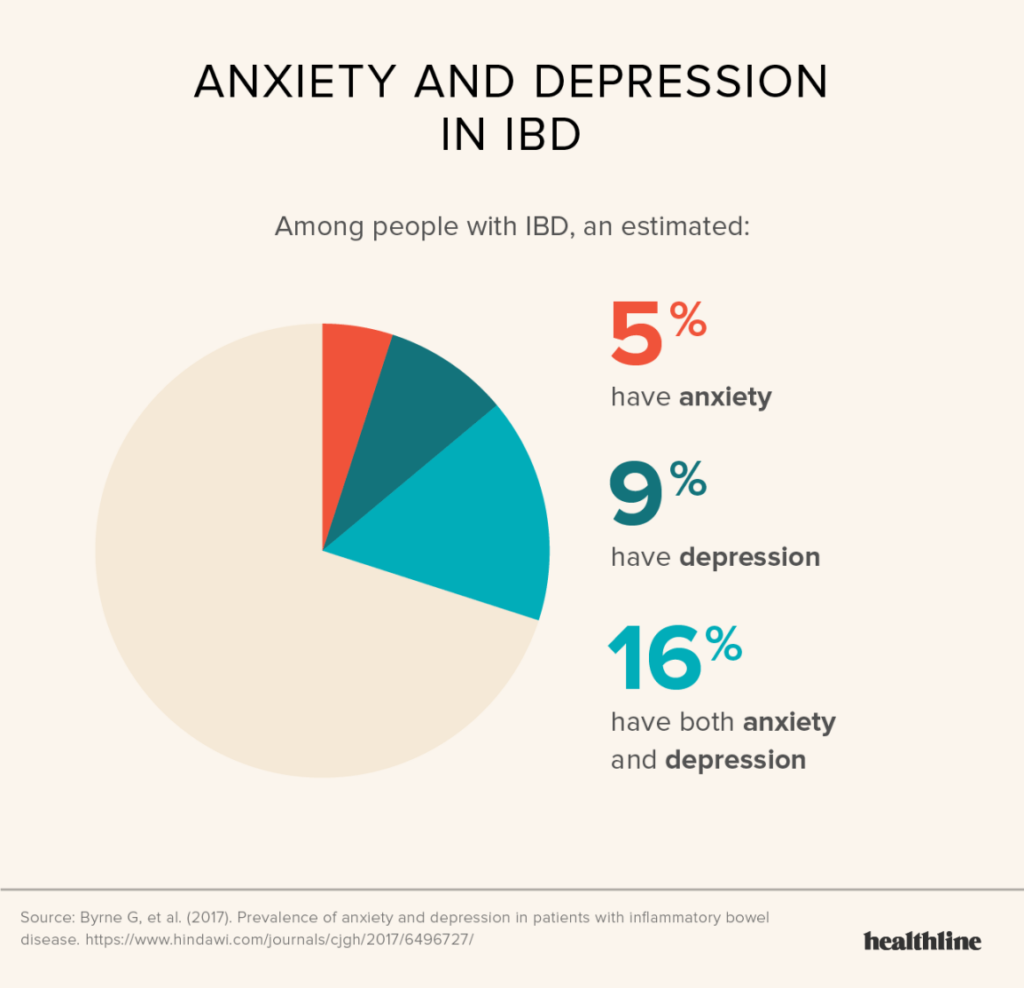
Living with a chronic illness like Crohn’s disease can take an emotional toll. It’s essential to seek emotional support from both your loved ones and mental health professionals. Share your feelings and concerns with those you trust, and consider speaking with a therapist who specializes in chronic illness and emotional well-being. They can provide guidance, coping strategies, and a safe space to express your emotions. Remember that it’s okay to ask for help and lean on others during challenging times.
Joining support groups or online communities
Connecting with others who are also living with Crohn’s disease can provide a sense of belonging and valuable support. Consider joining support groups or online communities specifically for individuals with the condition. These groups can offer a wealth of knowledge, shared experiences, and a sense of community. Engage in discussions, ask questions, and provide support to others. By connecting with individuals who understand firsthand what you’re going through, you can find comfort, encouragement, and practical advice.
Creating an accessible living space
Creating an accessible living space can make your daily routine more manageable and less stressful. Make adaptations to your home to accommodate your specific needs. This may include installing grab bars in the bathroom, ensuring doorways are wide enough for mobility aids if necessary, and creating an organized and clutter-free environment. These modifications can help minimize physical strain and reduce the risk of accidents or falls. Working with an occupational therapist can provide guidance on how to make your living space more supportive and customized to your needs.
Managing Flare-ups
Recognizing the signs of a flare-up
Flare-ups are a common occurrence for individuals with Crohn’s disease, and recognizing the signs early on can help you take proactive measures to manage and alleviate symptoms. Common signs of a flare-up include increased abdominal pain, diarrhea, fatigue, loss of appetite, and weight loss. It’s important to keep track of your symptoms and be vigilant in monitoring any changes. By recognizing the signs of a flare-up, you can implement appropriate strategies and reach out to your healthcare team for guidance.
Implementing self-care strategies
During a flare-up, self-care becomes even more crucial. Implementing self-care strategies can help manage symptoms and promote healing. Resting and getting enough sleep are vital during this time, as your body needs time to recuperate. Additionally, following a gentle diet and avoiding trigger foods can give your digestive system a break and reduce inflammation. Stress reduction techniques, such as deep breathing exercises or meditation, can also help manage flare-up symptoms. Prioritize self-care and be kind to yourself during these challenging periods.
Adjusting medication as necessary
Flare-ups may require adjustments to your medication regimen. If you notice an increase in symptoms or a flare-up occurring, contact your healthcare team to discuss your symptoms and explore potential medication adjustments. They may recommend increasing the dosage of certain medications, switching to a different medication, or adding a short-term medication to manage the flare-up. It’s important to follow your healthcare team’s guidance and not make any adjustments to your medication without consulting them first.
Communicating with healthcare team
Maintaining open and regular communication with your healthcare team is crucial, especially during flare-ups. Keep them informed of any new or worsening symptoms, changes in your condition, or concerns you may have. They can guide you through flare-up management, offer treatment recommendations, and provide reassurance during challenging times. Remember that your healthcare team is there to support you, so don’t hesitate to reach out and seek their expertise whenever you need it.

Hydration and Gut Health
Importance of hydration for Crohn’s disease
Staying hydrated is essential for everyone, but it’s particularly important for individuals with Crohn’s disease. The condition can lead to increased fluid loss through diarrhea, which can quickly lead to dehydration. Dehydration can exacerbate symptoms and negatively impact your overall well-being. It’s crucial to drink plenty of fluids throughout the day, even when you’re not experiencing a flare-up. Water, herbal teas, and clear broths can help replenish lost fluids. Avoiding caffeinated and sugary beverages is advisable, as they can contribute to dehydration.
Choosing hydrating beverages
Certain beverages can help support hydration and gut health for individuals with Crohn’s disease. In addition to water, coconut water and electrolyte-rich drinks can help replenish lost fluids and provide essential minerals. Herbal teas, such as chamomile or peppermint, can have soothing effects on the digestive system. It’s important to experiment and find what works best for your body. Remember to stay hydrated throughout the day by sipping on fluids regularly, rather than consuming large quantities all at once.
Maintaining proper gut health
Maintaining a healthy gut is crucial for individuals with Crohn’s disease, as it can help reduce inflammation and support overall digestive health. Consuming foods rich in fiber and probiotics can promote a healthy gut flora, which can enhance digestion and reduce the risk of flare-ups. Foods such as yogurt, kefir, sauerkraut, and kombucha contain beneficial bacteria that can support gut health. If you’re unsure about introducing these foods into your diet, consult with a registered dietitian who specializes in gastrointestinal health to ensure they’re appropriate for you.
Exploring probiotic options
Probiotics can be beneficial for individuals with Crohn’s disease, as they help replenish and maintain the balance of healthy bacteria in the gut. Probiotics come in various forms, including capsules, powders, and fermented foods. However, not all probiotics are created equal, and what works for one person may not work for another. Consult with your healthcare team or a registered dietitian to determine which specific probiotic strains and products may be most suitable for you. When choosing a probiotic, look for one that has been clinically tested for efficacy and matches your specific needs.
Maintaining Regular Sleep Patterns
Establishing a sleep routine
Establishing a consistent sleep routine can improve the quality of your sleep and support your overall well-being. Set a regular bedtime and wake-up time, even on weekends, to train your body’s internal clock. Create a relaxing pre-sleep routine that includes activities such as reading, taking a warm bath, or engaging in deep breathing exercises. Limit exposure to electronic devices that emit blue light, as this can interfere with your sleep patterns. By sticking to a sleep routine, you can promote restful sleep and wake up feeling refreshed.
Creating a sleep-friendly environment
Creating a sleep-friendly environment can contribute to a better night’s sleep. Ensure your bedroom is cool, dark, and quiet. Use blackout curtains or an eye mask to block out any excess light. Keep noise to a minimum by using earplugs or a white noise machine if needed. Invest in a comfortable mattress and pillows that support your body and ensure proper alignment. By optimizing your sleep environment, you can create the ideal conditions for restful sleep.
Managing sleep disturbances
Sleep disturbances are common in individuals with Crohn’s disease, as symptoms like abdominal pain or urgency can disrupt sleep. If you experience sleep disturbances, it’s important to address them. Making dietary changes, such as adjusting meal timing or avoiding trigger foods before bedtime, can help alleviate symptoms and promote better sleep. It may also be beneficial to discuss your sleep concerns with your healthcare team, as they can offer guidance or recommend potential solutions to manage sleep disturbances.
Prioritizing quality rest
Quality rest is essential for individuals with Crohn’s disease, as it can support overall health and well-being. During periods of flare-ups or increased symptoms, your body may require additional rest to heal and recover. Be mindful of your body’s needs and give yourself permission to prioritize quality rest. This may mean adjusting your schedule, taking short naps during the day if needed, or seeking support from loved ones to help alleviate other responsibilities. By prioritizing rest, you can support your body’s healing process and reduce the risk of exacerbating symptoms.

Planning and Prioritizing
Organizing daily tasks and responsibilities
Living with Crohn’s disease requires careful organization and planning to manage daily tasks and responsibilities effectively. Use calendars, to-do lists, or smartphone apps to keep track of appointments, medications, and tasks. Breaking down larger tasks into smaller, more manageable steps can help reduce overwhelm and promote productivity. Prioritize tasks based on urgency and energy levels, and be realistic about what you can accomplish in a given day. By organizing and prioritizing, you can reduce stress and ensure important tasks are completed.
Setting realistic goals and expectations
Setting realistic goals and expectations is crucial for individuals with Crohn’s disease. Recognize and accept that living with a chronic illness may require adjustments and may impact your energy levels, ability to work, or perform certain activities. Be kind to yourself and avoid putting undue pressure on yourself to meet unrealistic expectations. Instead, set goals that are attainable and manageable within your physical capabilities. Celebrate small achievements and focus on progress rather than perfection.
Using time management techniques
Effective time management can help you make the most of your energy and physical abilities. Consider using time management techniques such as the Pomodoro Technique, which involves working in focused intervals followed by short breaks. This technique can help prevent burnout and improve productivity. Delegate tasks when possible, and don’t hesitate to ask for help or seek support when needed. By implementing time management techniques, you can optimize your productivity and create a balance between rest and activity.
Seeking assistance when needed
Living with Crohn’s disease may require assistance at times, and it’s important to reach out and seek help when needed. Whether it’s asking for support with household chores, childcare, or transportation to medical appointments, don’t hesitate to lean on your support network. Family, friends, and healthcare professionals are often willing to help, and by accepting their assistance, you’ll be able to conserve your energy and focus on your health. Asking for help is a sign of strength, and it allows you to better manage your daily routine while prioritizing self-care.
Regular Monitoring and Follow-ups
Scheduling regular check-ups
Regular check-ups with your healthcare team are essential for managing Crohn’s disease. These check-ups allow your healthcare team to monitor your condition, track progress, and make necessary adjustments to your treatment plan. Schedule routine appointments as recommended by your healthcare provider, and be proactive in reaching out if you experience any new or worsening symptoms between appointments. Regular check-ups offer an opportunity to discuss your concerns, ask questions, and collaborate with your healthcare team to ensure your condition is well-managed.
Tracking symptoms and changes
Keeping track of your symptoms and any changes in your condition is a valuable practice for individuals with Crohn’s disease. By documenting your symptoms, you can identify patterns, recognize triggers, and communicate effectively with your healthcare team. Consider using a symptom tracker or journal to record your symptoms, dietary choices, stress levels, and any environmental factors that may impact your condition. Sharing this information with your healthcare team can provide them with valuable insights to guide your treatment plan.
Updating healthcare team on progress
Regularly updating your healthcare team on your progress is important to ensure continuity of care and effective management of your Crohn’s disease. Keep your healthcare team informed about any changes in your condition, symptom patterns, or challenges you may be facing. This open communication allows your healthcare professionals to make informed decisions about your treatment plan and adjust it as necessary. Remember that your healthcare team is there to support you, so don’t hesitate to reach out with any concerns or questions you may have.
Discussing treatment adjustments
As your condition and symptoms may change over time, discussing potential treatment adjustments with your healthcare team is crucial. This may include changes to medication dosage or introducing new medications or therapies. Be proactive in informing your healthcare team about your symptoms and any concerns you may have. They can provide guidance on whether treatment adjustments are necessary and work with you to find the most suitable options. By actively participating in these discussions, you contribute to your own healthcare decisions and advocate for your well-being.
Living with Crohn’s disease requires a multifaceted approach to management that addresses various aspects of your daily life. By following dietary recommendations, managing stress, keeping up with medication and treatment options, engaging in physical activity, creating a supportive environment, managing flare-ups, prioritizing sleep, planning and organizing, and maintaining regular monitoring and follow-ups, you can take control of your condition and improve your quality of life. Remember to consult with your healthcare team for personalized guidance and support as you navigate your journey with Crohn’s disease.