
Are you an athlete or someone who loves to indulge in physical activities? Then you must know how important it is to stay hydrated during your sports sessions. Dehydration can not only affect your performance but also harm your overall well-being. In this article, we will share some valuable tips on staying hydrated while participating in sports, ensuring that you can give your best and stay healthy at the same time. So grab a glass of water and let’s dive into this essential information!

1. Importance of Hydration in Sports
Hydration plays a crucial role in sports performance, and understanding its importance is essential for athletes of all levels. Dehydration can have significant effects on your overall performance, both physically and mentally. Not only does it impact your athletic abilities, but it also poses several health risks that should not be taken lightly.
1.1 Effects of Dehydration on Sports Performance
When your body lacks proper hydration, your athletic performance can suffer. Dehydration can lead to decreased endurance, reduced strength, and impaired cognitive function. As you engage in physical activity, your body loses water through sweat, and if you don’t replace this lost fluid, you may experience a significant drop in performance.
Without sufficient hydration, your body struggles to regulate its temperature, resulting in increased fatigue and decreased stamina. Your muscles may also cramp more easily, leading to reduced mobility and potential injuries. By staying hydrated, you allow your body to function optimally and maintain peak performance throughout your sporting activities.
1.2 Health Risks Associated with Dehydration
In addition to the impact on sports performance, dehydration also poses several health risks that should not be ignored. Chronic dehydration can lead to kidney problems, urinary tract infections, and even heat-related illnesses like heat exhaustion and heatstroke. These conditions can be severe and may require medical attention, jeopardizing not only your athletic pursuits but also your overall well-being.
2. Understanding Fluid Balance
To effectively address the importance of hydration in sports, it is crucial to understand the concept of fluid balance. Maintaining a proper fluid balance is key to optimizing your sports performance and preventing dehydration.
2.1 The Role of Water in the Body
Water is a vital component of our bodies, accounting for a significant percentage of our overall weight. It plays multiple essential roles, including regulating body temperature, lubricating joints, transporting nutrients, and eliminating waste products. During physical activity, water helps cool down your body through sweat production, preventing overheating. It also aids in the proper functioning of your muscles and organs, ensuring optimal performance.
2.2 Electrolytes and Their Importance
Electrolytes, such as sodium, potassium, and magnesium, are minerals that help maintain fluid balance within the body. They play a crucial role in regulating nerve and muscle function and maintaining proper hydration levels. Electrolyte imbalances can occur during intense physical activity when you lose significant amounts of sweat. Replenishing these electrolytes is essential to preserving your body’s fluid balance and preventing dehydration.
3. Signs and Symptoms of Dehydration
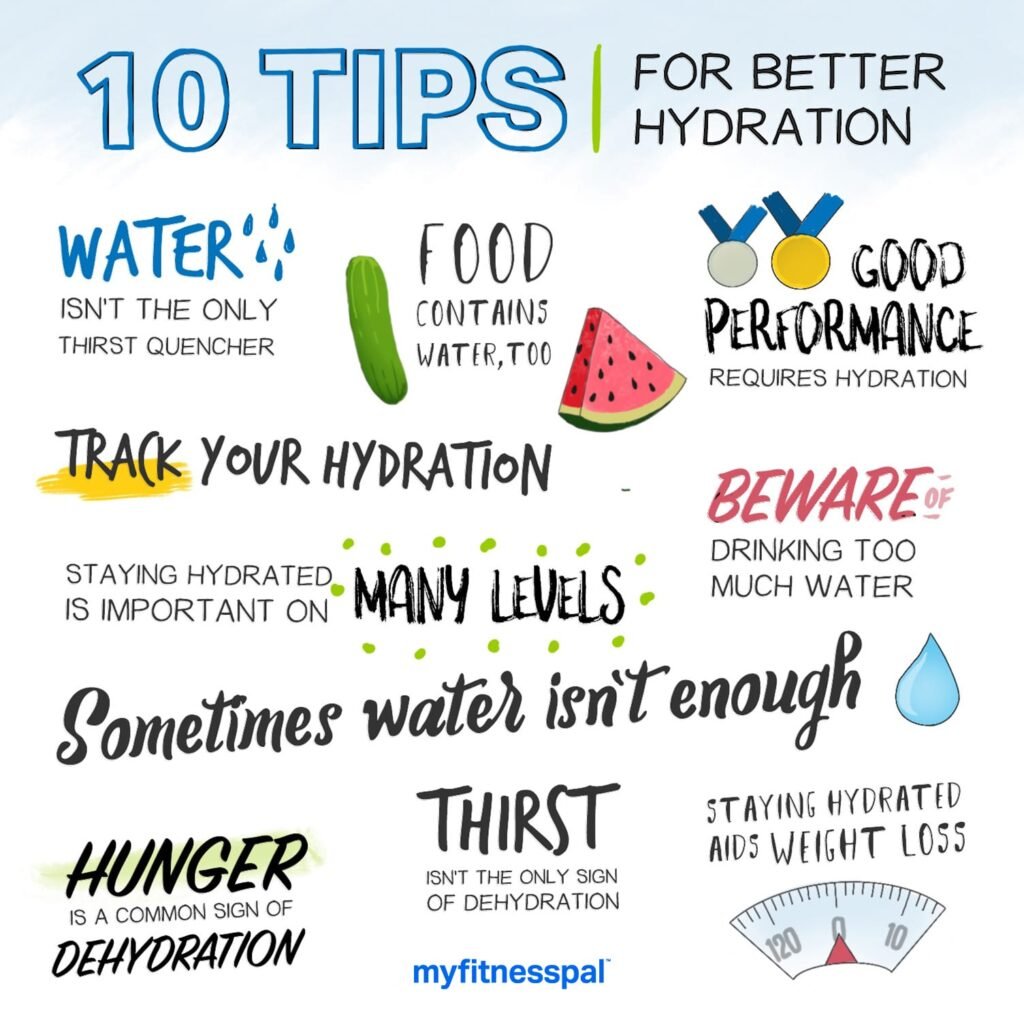
Recognizing the signs and symptoms of dehydration is vital to addressing it promptly and preventing further complications. By staying vigilant and aware of the following indicators, you can ensure that you maintain adequate hydration levels during sports activities.
3.1 Thirst
Thirst is often the first and most obvious sign of dehydration. When you feel thirsty, it is your body’s way of signaling that it needs more fluids. It’s important not to ignore this sensation and to drink water or other hydrating beverages as soon as you become aware of your thirst.
3.2 Dark Urine
The color of your urine can provide valuable insights into your hydration levels. Dark, concentrated urine is an indication that your body is lacking proper hydration. Ideally, your urine should be pale yellow or straw-colored, which indicates sufficient fluid intake. Monitoring the color of your urine can help you gauge your hydration status and adjust your fluid intake accordingly.
3.3 Fatigue and Lethargy
Dehydration can lead to feelings of fatigue and lethargy, ultimately affecting your sports performance. When you’re dehydrated, your body is working harder to perform its normal functions, leading to decreased energy levels. If you find yourself feeling excessively tired during physical activity, it may be a sign that you need to hydrate adequately.
4. Pre-Exercise Hydration Strategies
Proper hydration should begin before you engage in any physical activity. Implementing pre-exercise hydration strategies can help ensure that you start your sports endeavors on the right foot.
4.1 Drink Plenty of Water Beforehand
One essential strategy is to drink plenty of water before your workout or sports event. Aim to consume around 16-20 ounces of water 2-3 hours prior to exercise, and an additional 8-10 ounces 10-20 minutes before starting. This pre-hydration helps ensure that your body has sufficient fluids to support its functions during physical activity.
4.2 Avoid Excessive Diuretics
Limiting your consumption of diuretics, such as caffeine and alcohol, is crucial before engaging in sports. These substances can increase urine production and contribute to dehydration. Opt for hydrating beverages like water or sports drinks instead, which will support your body’s fluid balance.
4.3 Monitor Urine Color
Monitoring the color of your urine can be particularly helpful in gauging your hydration status before exercise. If your urine is light-colored, it’s a good indication that you are adequately hydrated. However, if it appears darker, it’s a sign that you may need to drink more fluids before starting your activity.

5. Hydration During Exercise
Staying hydrated during exercise is vital for optimal sports performance and overall well-being. Implementing effective hydration strategies can help you maintain proper fluid balance throughout your physical activities.
5.1 Drink Fluids Regularly
During exercise, it’s crucial to drink fluids regularly to replace the water lost through sweat. General guidelines suggest consuming 7-10 ounces of fluid every 10-20 minutes during physical activity. However, individual requirements may vary based on factors such as intensity, duration, and environmental conditions. Listen to your body and drink as needed to stay adequately hydrated.
5.2 Optimal Hydration Drinks
When it comes to choosing the best hydration drinks, water is generally the most accessible and effective choice for most individuals engaging in moderate-intensity activities. For longer or more intense workouts, sports drinks that contain electrolytes can provide additional benefits by replenishing the minerals lost through sweat. These electrolytes help maintain fluid balance and enhance your endurance.
5.3 Consider Electrolyte Replacement
If you engage in high-intensity or prolonged exercise, you may benefit from electrolyte replacement strategies. Electrolyte tablets or special hydration powders can be added to your water to help maintain proper electrolyte levels. These products are designed to provide a more concentrated dose of electrolytes, ensuring that your body stays adequately hydrated and balanced during intense physical activity.
6. Post-Exercise Hydration
Hydration doesn’t end once your physical activity is complete. Proper post-exercise hydration is crucial for recovery and restoring your body’s fluid balance.
6.1 Replace Fluids and Electrolytes
After exercising, it’s essential to replace the fluids and electrolytes lost during your sports activities. Aim to drink at least 16-24 ounces of fluid for every pound lost during exercise. Rehydrating with water or sports drinks will help replenish your body’s fluid reserves and restore electrolyte balance.
6.2 Monitor Urine Output
Monitoring your urine output after exercise can provide valuable insights into your hydration status. If your urine is light-colored and you’re producing a sufficient amount, it’s a positive indicator that you’re adequately rehydrating. Conversely, if your urine is dark and output is limited, it’s a sign that you may need to continue hydrating until your urine appears lighter and more voluminous.
6.3 Rehydrate with Balanced Meals
In addition to fluid intake, consuming balanced meals after exercise can further support your hydration efforts. Foods high in water content, such as fruits and vegetables, can contribute to your overall hydration status. Opt for hydrating foods like watermelon, cucumbers, and oranges to supplement your post-exercise fluid intake.

7. Hydration for Endurance Sports
Endurance sports, such as marathon running, cycling, or swimming, require special attention to hydration due to the prolonged and intense nature of these activities. Implementing a comprehensive hydration plan is essential for optimal performance and avoiding the risks associated with dehydration.
7.1 Adequate Pre-Race Hydration Plan
Before participating in an endurance race, it’s crucial to develop a pre-race hydration plan. Start hydrating in the days leading up to the event, gradually increasing your fluid intake. This pre-race hydration strategy ensures that you begin the race adequately hydrated, minimizing the risk of dehydration during the event.
7.2 Hydration Strategies During the Race
During endurance races, it’s essential to maintain proper hydration throughout the event. Consider utilizing portable hydration systems, such as water bottles or hydration packs, to ensure easy access to fluids. Regularly drink small amounts of fluids to replace what is lost through sweat. Remember to listen to your body and adjust your intake based on individual needs and environmental conditions.
7.3 Post-Race Rehydration
After completing an endurance race, prioritize replenishing fluids and electrolytes lost during the event. Drinking ample amounts of water or electrolyte-rich fluids in the immediate post-race period can aid in recovery and help restore your body’s fluid balance. Be mindful of your urine color and output to gauge proper rehydration.
8. Best Hydration Practices for Team Sports
Team sports present unique challenges when it comes to maintaining proper hydration. Implementing effective hydration practices is crucial for individual and team performance, allowing athletes to perform at their best.
8.1 Develop a Hydration Game Plan
To ensure optimal hydration in team sports, it’s important to develop a hydration game plan. This plan should include guidelines for when and how much athletes should drink before, during, and after practices and games. Consulting with a sports nutritionist or healthcare professional can help create a tailored hydration plan specific to your team’s needs.
8.2 Encourage Regular Fluid Intake
In team sports, it’s vital to encourage and remind athletes to drink fluids regularly. Coaches, trainers, and teammates can play an essential role in promoting fluid intake during breaks in training or between plays. Providing easily accessible water stations or sports drinks can also encourage athletes to hydrate more effectively during practices and games.
8.3 Monitor Hydration Status of Athletes
Team sports require close monitoring of athletes’ hydration status, as dehydration can significantly impact performance. Encourage athletes to monitor their urine color and output regularly. If an athlete appears dehydrated or exhibits signs of dehydration, they should be encouraged to rehydrate immediately. Regular assessments and hydration check-ins can help prevent dehydration-related performance declines.
9. Hydration Tips for Outdoor Sports
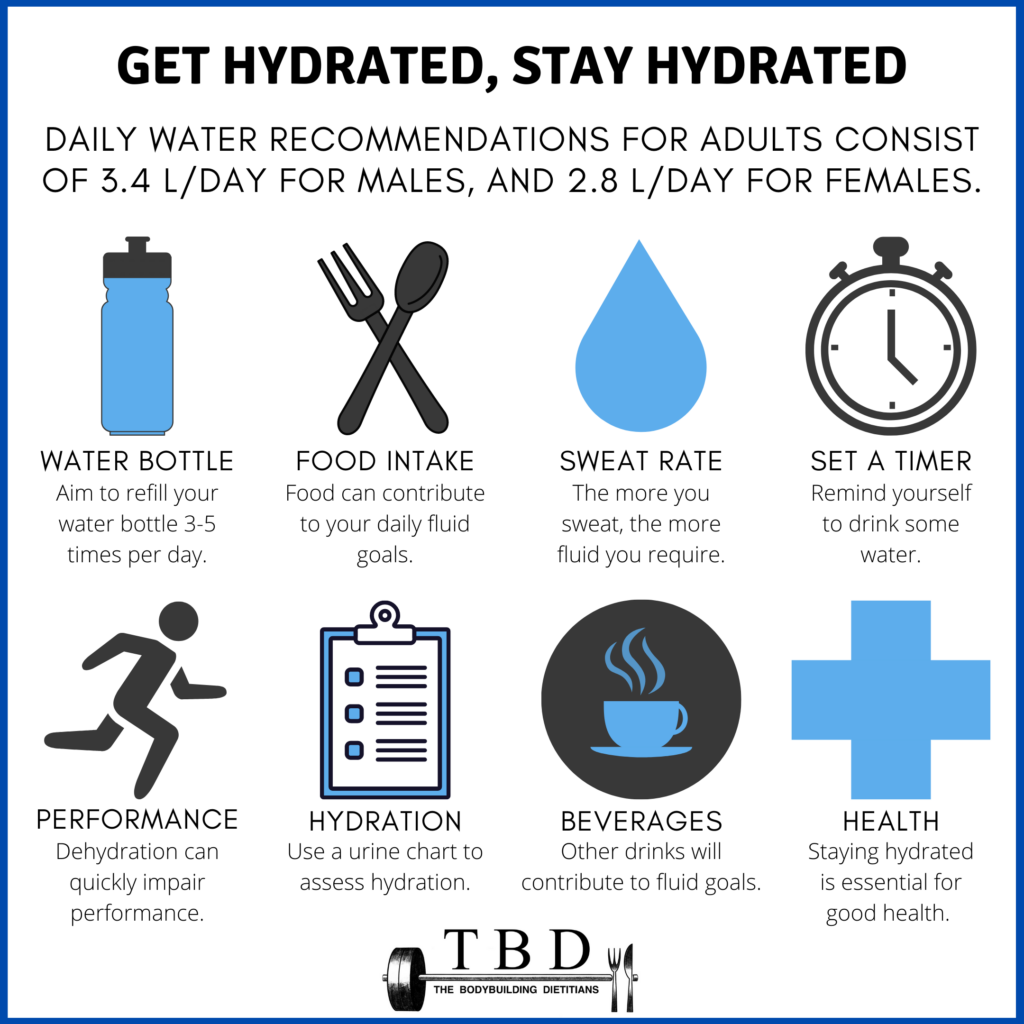
Outdoor sports pose unique challenges due to environmental factors such as heat, humidity, and sun exposure. Implementing specific hydration tips can help ensure that you stay properly hydrated while enjoying your outdoor activities.
9.1 Plan Ahead and Carry Sufficient Fluids
Planning ahead is crucial when participating in outdoor sports. Be sure to calculate the expected duration and intensity of your activity and carry sufficient fluids to support your hydration needs. Portable hydration systems like backpacks with built-in water bladders or water belts are ideal for outdoor sports, ensuring easy access to water or sports drinks throughout your activity.
9.2 Wear Appropriate Clothing
Choosing appropriate clothing can also contribute to your hydration efforts. Opt for lightweight, breathable fabrics that allow sweat to evaporate quickly, helping to regulate your body temperature more efficiently. Wearing moisture-wicking clothing can also aid in keeping you dry, comfortable, and less susceptible to dehydration.
9.3 Protect from Sun Exposure
Sun exposure can increase the risk of dehydration due to the additional heat and sweat production. Wear a broad-spectrum, sweat-resistant sunscreen to protect your skin from harmful UV rays and minimize water loss through perspiration. Wearing a hat and seeking shade when possible can also help reduce the risk of overheating and dehydration.
10. Hydration Monitoring and Assessment
Monitoring and assessing your hydration status is essential to make informed decisions regarding fluid intake during and after physical activity. By utilizing various methods and tools, you can ensure that you maintain optimal hydration levels.
10.1 Weigh Yourself Before and After Activity
A simple way to monitor changes in your body’s hydration level is to weigh yourself before and after exercise or sports activities. By calculating the difference in weight, you can estimate the amount of fluid lost through sweat. For every pound lost, plan to drink approximately 16-24 ounces of fluid to rehydrate adequately.
10.2 Track Fluid Intake and Output
Keeping track of your fluid intake and output is a helpful way to assess your hydration status. Tracking the volume and type of fluids you consume, as well as the frequency and color of your urine output, can provide valuable insights into your hydration needs. Utilize a hydration log or app to help monitor your intake and output accurately.
10.3 Use Hydration Apps and Wearables
Advancements in technology have made tracking hydration levels even more convenient. Hydration apps and wearable devices can help monitor fluid intake, track physical activity, and calculate individual hydration requirements. These tools provide real-time data and personalized recommendations, making it easier to meet your hydration goals.
In conclusion, proper hydration is of utmost importance in sports. Dehydration can significantly impact performance and pose serious health risks. Understanding fluid balance, recognizing signs of dehydration, and implementing effective hydration strategies before, during, and after physical activity is crucial for athletes of all levels. By prioritizing hydration in your sports endeavors, you can optimize your performance, prevent dehydration-related complications, and achieve your athletic goals. Remember, when it comes to hydration in sports, staying properly hydrated is the winning strategy for success.