
In this article, we take a fascinating journey into the world of dementia research and innovations. From advancements in understanding the causes and risk factors to breakthroughs in treatments and care strategies, we explore the latest developments that are shaping the future for individuals living with dementia. Get ready to gain valuable insights and discover how scientists and healthcare professionals are working tirelessly to improve the lives of those affected by this complex condition. So, grab a cup of tea, settle in, and let’s embark on this enlightening exploration together.

Introduction
Welcome to this comprehensive article on dementia research and innovations. Dementia is a complex and progressive syndrome that affects millions of people worldwide. It poses significant challenges to individuals, families, and society as a whole. However, there is hope on the horizon as research and innovation in the field of dementia are rapidly advancing. In this article, we will explore the definition and types of dementia, delve into the current challenges faced by researchers, discuss breakthroughs in dementia research, and examine innovations in dementia care. We will also explore the potential of harnessing AI and big data, promising drug development, and the role of lifestyle and environmental factors in preventing dementia. Additionally, we will touch upon important ethical considerations in dementia research and examine collaborative initiatives and future directions in this field. So, let’s dive in and unravel the fascinating world of dementia research and innovations.
Understanding Dementia
Definition and Types of Dementia
Dementia is a term used to describe a range of symptoms associated with a decline in cognitive abilities that interfere with one’s daily functioning. It is not a specific disease but rather a general term that encompasses various conditions. The most common type of dementia is Alzheimer’s disease, which accounts for around 60 to 80 percent of cases. Other types include vascular dementia, Lewy body dementia, frontotemporal dementia, and mixed dementia. Each type of dementia has its own set of characteristics, progression patterns, and underlying causes.
Causes of Dementia
The exact causes of dementia are not fully understood, but several factors are believed to contribute to its development. Aging is the most significant risk factor, with the likelihood of developing dementia increasing with advancing age. Genetics also play a role, as specific gene mutations are associated with an increased risk of developing certain types of dementia. Other risk factors include cardiovascular disease, high blood pressure, smoking, diabetes, obesity, and a sedentary lifestyle. Additionally, head injuries, infections, and certain medications can also contribute to the onset of dementia.
Symptoms of Dementia
The symptoms of dementia vary depending on the type and stage of the condition. Common early signs include memory loss, difficulty finding words, disorientation, and challenges in problem-solving and decision-making. As the disease progresses, individuals may experience personality changes, mood swings, agitation, hallucinations, and difficulties with mobility and self-care. It is essential to seek medical attention if you or a loved one experience any of these symptoms, as an early diagnosis can lead to better management and improved quality of life.
Current Challenges in Dementia Research
Limited Understanding of Disease Mechanisms
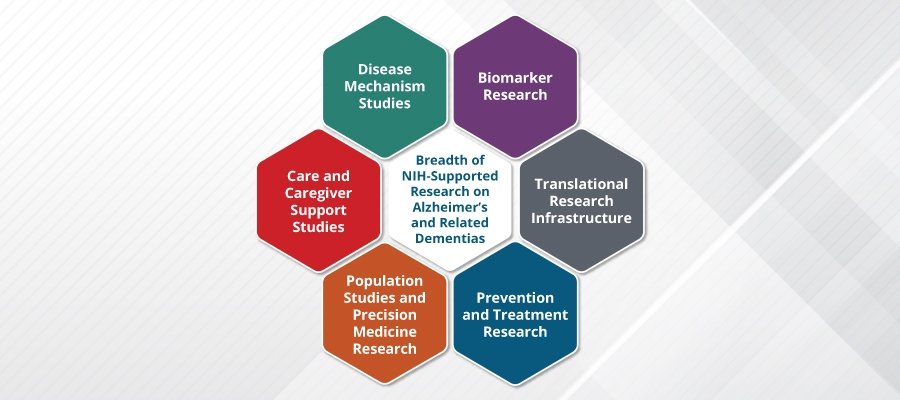
Despite significant progress in dementia research, there is still much that remains unknown about the underlying disease mechanisms. Scientists are working tirelessly to unravel the complex interplay between genes, proteins, and brain cell function. Gaining a deeper understanding of these mechanisms is crucial for developing effective treatments and prevention strategies.
Lack of Early Diagnostic Tools
Another challenge in dementia research is the lack of reliable and accessible early diagnostic tools. Many current diagnostic methods rely on the presence of significant cognitive impairment, which means that by the time dementia is detected, irreversible brain damage may have already occurred. Developing non-invasive and cost-effective diagnostic tools to detect dementia in its early stages is vital for early intervention and better treatment outcomes.
Limited Treatment Options
Currently, there is no cure for most types of dementia. Available treatments aim to manage symptoms and slow down disease progression, but they are limited in their effectiveness. The development of new and innovative treatment options is a significant area of focus in dementia research. Finding ways to target the underlying causes of dementia and halt or reverse the degenerative process is crucial for improving the lives of those affected by this devastating condition.
Breakthroughs in Dementia Research
Identifying Genetic Risk Factors
One significant breakthrough in dementia research is the identification of genetic risk factors associated with specific types of dementia. Scientists have discovered gene mutations and variations that increase the likelihood of developing Alzheimer’s disease, frontotemporal dementia, and other forms of dementia. This knowledge opens up new avenues for targeted therapies and personalized medicine in the fight against dementia.
Advances in Brain Imaging Techniques
Advancements in brain imaging techniques have revolutionized dementia research and diagnosis. Neuroimaging technologies such as positron emission tomography (PET) and magnetic resonance imaging (MRI) allow researchers to visualize the brain’s structure and function in unprecedented detail. These imaging techniques help identify early changes in the brain, track disease progression, and assess the effectiveness of potential treatments.
Exploring Potential Biomarkers
Researchers are also exploring the use of biomarkers in dementia research. Biomarkers are measurable substances in the body that indicate the presence or progression of a disease. By identifying reliable biomarkers for dementia, scientists can develop diagnostic tests that detect changes in the body long before clinical symptoms appear. This early detection can enable early intervention and improve treatment outcomes.
Innovations in Dementia Care
Person-Centered Approaches
Innovations in dementia care are shifting towards a person-centered approach focused on the unique needs and preferences of individuals living with dementia. This approach values empowerment, dignity, and maintaining independence for as long as possible. By tailoring care plans to the individual’s strengths and preferences, person-centered approaches can enhance the well-being and quality of life of those affected by dementia.
Technology-Based Interventions
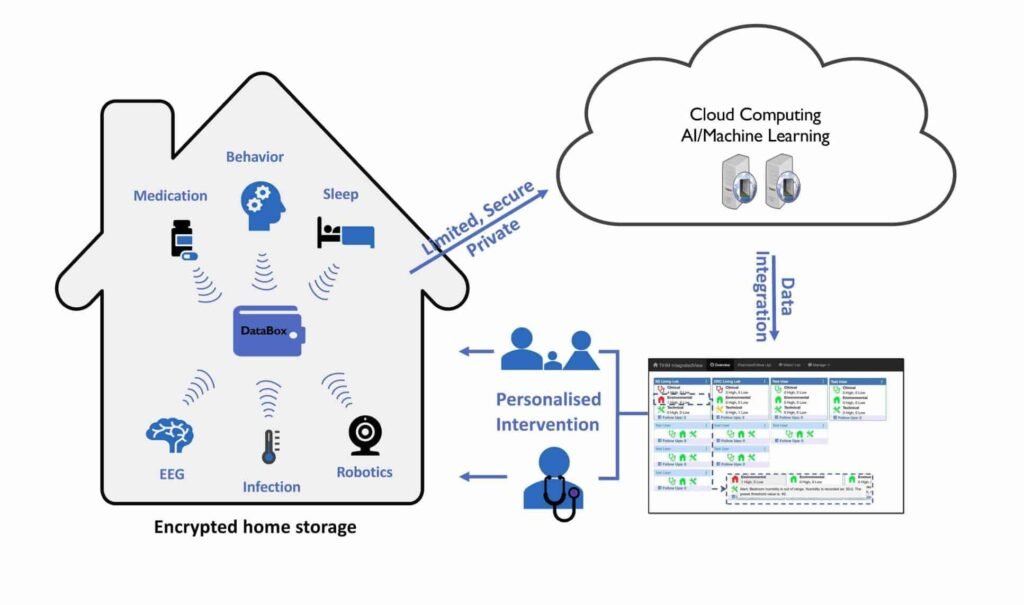
Technology is playing an increasingly vital role in dementia care. From wearable devices that monitor vital signs to smart home systems that promote safety and well-being, technology-based interventions are transforming the way we support individuals with dementia. Virtual reality programs can recreate familiar environments and provide cognitive stimulation, while telemedicine allows for remote monitoring and virtual consultations, improving access to specialized care.
Non-Pharmacological Therapies
Non-pharmacological therapies are gaining recognition as valuable interventions in dementia care. These therapies include art therapy, music therapy, reminiscence therapy, and animal-assisted therapy, among others. These approaches help individuals with dementia express themselves, connect with others, reduce agitation, and improve overall well-being. These non-pharmacological interventions are particularly valuable in managing symptoms when drug treatments may not be suitable or effective.
Harnessing AI and Big Data in Dementia Research
Using Artificial Intelligence for Early Diagnosis
Artificial intelligence (AI) is making significant strides in dementia research by offering advanced tools for early diagnosis. Machine learning algorithms can analyze complex data sets, including genetic information, brain imaging data, and lifestyle factors. By identifying patterns and risk factors, AI can aid in the development of accurate and non-invasive diagnostic tools, allowing for early intervention and personalized treatment plans.
Analyzing Large Datasets to Uncover Patterns
The field of dementia research generates vast amounts of data, including clinical and genetic information, brain scans, and lifestyle data. Analyzing these large datasets using big data analytics can help uncover meaningful patterns and associations that may provide insights into the causes and progression of dementia. This data-driven approach has the potential to accelerate research and guide targeted interventions.
Predictive Analytics for Disease Progression
Predictive analytics, coupled with AI and big data, hold promise in predicting the progression of dementia in individuals. By analyzing a combination of clinical and biomarker data, researchers can develop models that estimate the rate of disease progression and identify individuals at higher risk of developing severe cognitive decline. This information can inform treatment decisions and facilitate proactive care planning.
Promising Drug Development in Dementia
Targeting Amyloid and Tau Proteins
Amyloid plaques and tau tangles are hallmark features of Alzheimer’s disease and other forms of dementia. Drug development efforts are focused on targeting these abnormal protein deposits to prevent their accumulation and subsequent damage to brain cells. Several drugs targeting amyloid and tau proteins are currently in clinical trials, providing hope for future effective treatments.
Novel Therapeutic Approaches
In addition to targeting amyloid and tau proteins, researchers are exploring other innovative therapeutic approaches for dementia. These include neuroprotective strategies to preserve brain cells, anti-inflammatory drugs to reduce neuroinflammation, and therapies aimed at enhancing the brain’s ability to repair and regenerate. These novel approaches have the potential to bring about transformative breakthroughs in dementia treatment.
Repurposing Existing Drugs
Repurposing existing drugs is another avenue being explored in dementia research. Rather than starting from scratch, researchers are investigating whether drugs approved for other indications could also be effective in treating dementia. This approach offers a shorter timeline to potential treatment options, as safety profiles and dosing regimens of these drugs are already well-established.
Preventing Dementia: Lifestyle and Environmental Factors
Role of Physical Exercise and Diet
Adopting a healthy lifestyle, including regular physical exercise and a balanced diet, is emerging as a key factor in preventing dementia. Engaging in aerobic exercise, strength training, and activities that promote cardiovascular health can improve blood flow to the brain and reduce the risk of cognitive decline. A diet rich in fruits, vegetables, whole grains, lean proteins, and omega-3 fatty acids is also associated with a lower risk of developing dementia.
Cognitive Stimulation and Mental Health
Keeping the brain active through cognitive stimulation and promoting mental health are essential in preventing dementia. Engaging in intellectually stimulating activities such as puzzles, learning new skills, and socializing can help build cognitive reserve and protect against cognitive decline. Additionally, addressing mental health issues, such as depression and anxiety, can contribute to overall brain health and reduce the risk of dementia.
Impact of Environmental Factors
Environmental factors also play a role in dementia prevention. Reducing exposure to air pollution, managing cardiovascular risk factors such as high blood pressure and diabetes, and ensuring a safe and supportive living environment are all important considerations. By addressing these environmental factors, individuals can take proactive steps to reduce their risk of developing dementia.
Ethical Considerations in Dementia Research
Informed Consent and Decision-Making Capacity
Ethical considerations are paramount in dementia research, particularly regarding informed consent and decision-making capacity. The nature of dementia poses unique challenges in obtaining informed consent from individuals with progressive cognitive decline. Researchers must ensure that individuals’s rights and autonomy are respected at all stages of research, and ethical guidelines are followed to protect the interests of individuals living with dementia.
Privacy and Confidentiality
Maintaining privacy and confidentiality is crucial when conducting research involving individuals with dementia. Researchers must ensure that personal information is handled securely and that the privacy of participants is protected. Anonymization and data encryption techniques can help safeguard sensitive information, while strict adherence to data protection laws and ethical guidelines ensures transparency and accountability.
Equal Access to Research Opportunities
Ensuring equal access to research opportunities for individuals with dementia is essential. Efforts should be made to include diverse populations, including those from underrepresented communities, to ensure that research findings are applicable to all individuals affected by dementia. By promoting inclusivity and diversity, research can better address the needs and concerns of the broader dementia community.
Collaborative Initiatives and Future Directions
International Research Collaborations
Collaboration is key in advancing dementia research on a global scale. International research collaborations facilitate the sharing of knowledge, resources, and expertise across borders. By pooling together diverse perspectives and resources, researchers can accelerate discoveries, improve study designs, and drive progress in the field of dementia research.
Government Funding and Policy Support
Government funding and policy support are instrumental in advancing dementia research. Public investment in research infrastructure, grants, and initiatives are vital to support researchers and drive innovation. Policymakers play a crucial role in shaping research agendas, promoting awareness, and advocating for increased funding. Continued government support is essential to foster a conducive environment for advancements in dementia research.
The Road Ahead for Dementia Research
While progress has been made, there is still much work to be done in the field of dementia research. Future directions include further understanding the underlying disease mechanisms, developing more accurate diagnostic tools, and expanding treatment options. Embracing interdisciplinary approaches, such as combining neuroscience, genetics, and technology, will be crucial in uncovering new insights and breakthroughs. Additionally, efforts to promote public awareness, reduce stigma, and support caregiving will be integral in improving the lives of those affected by dementia.
In conclusion, dementia research and innovations are offering hope in the fight against this devastating condition. The collective efforts of researchers, healthcare professionals, policymakers, caregivers, and individuals affected by dementia are paving the way towards a better understanding of the disease, improved care, and the potential for effective treatments. As we continue to explore the complexities of dementia, let us remain hopeful and committed to finding solutions that enhance the lives of individuals living with dementia and their loved ones.