
Are you tired of dealing with the discomfort and irritation caused by discoid eczema? Look no further – this article is here to provide you with effective measures and prevention techniques that can help you manage and prevent the recurrence of this condition. Discoid eczema, also known as nummular eczema, is characterized by red, itchy patches of skin that often take on a circular or oval shape. By implementing the strategies outlined in this article, you can take control of your discoid eczema and experience relief from the symptoms that have been plaguing you.

Overview of Discoid Eczema
Definition
Discoid eczema, also known as nummular eczema or nummular dermatitis, is a chronic skin condition characterized by round or coin-shaped patches of red, itchy, and inflamed skin. These patches often appear on the arms, legs, torso, or hands, and may be accompanied by blisters or scaling.
Causes
The exact cause of discoid eczema is still unknown, but it is believed to be a combination of genetic predisposition and environmental triggers. Factors such as dry skin, exposure to irritants, stress, and even certain medications may contribute to the development of this condition.
Symptoms
The most common symptoms of discoid eczema include red, scaly patches of skin that are often itchy and inflamed. These patches may develop blisters or crust over, and can become dry and cracked. Scratching the affected areas may lead to further skin damage and potential infection. In some cases, discoid eczema may also cause a burning or stinging sensation.
Importance of Preventing Discoid Eczema
Impact on Quality of Life
If left untreated or uncontrolled, discoid eczema can have a significant impact on one’s quality of life. The persistent itching and discomfort can interfere with daily activities, disrupt sleep patterns, and cause emotional distress. Moreover, the visible skin lesions can be embarrassing and affect self-esteem. By taking preventive measures, you can effectively manage the condition and improve your overall well-being.
Treatment Challenges
Treating discoid eczema can be challenging due to the chronic and recurring nature of the condition. Some individuals may require long-term therapy and several treatment options may need to be tried before finding an effective one. By focusing on prevention, you can minimize the need for ongoing treatment and reduce the severity and frequency of flare-ups.
Identifying the Risk Factors
Genetic Predisposition
Research suggests that there is a genetic component to discoid eczema, with some individuals being more genetically predisposed to developing the condition. If you have a family history of eczema or other allergic conditions, such as asthma or hay fever, you may have a higher risk of developing discoid eczema.
Skin Conditions
Having pre-existing skin conditions, such as dry skin or atopic dermatitis, can increase your susceptibility to discoid eczema. Dry skin lacks the necessary moisture barrier, making it more susceptible to inflammation and irritation. It is important to address any underlying skin conditions to help prevent the onset of discoid eczema.
Environmental Triggers
Environmental factors can also play a role in triggering discoid eczema. Exposure to harsh chemicals, including certain soaps, detergents, and cleaning products, can irritate the skin and contribute to the development of eczema flare-ups. Additionally, changes in temperature, humidity, or exposure to allergens, such as dust mites or pollen, can also trigger or worsen discoid eczema symptoms.
Maintaining Healthy Skin
Regular Moisturization
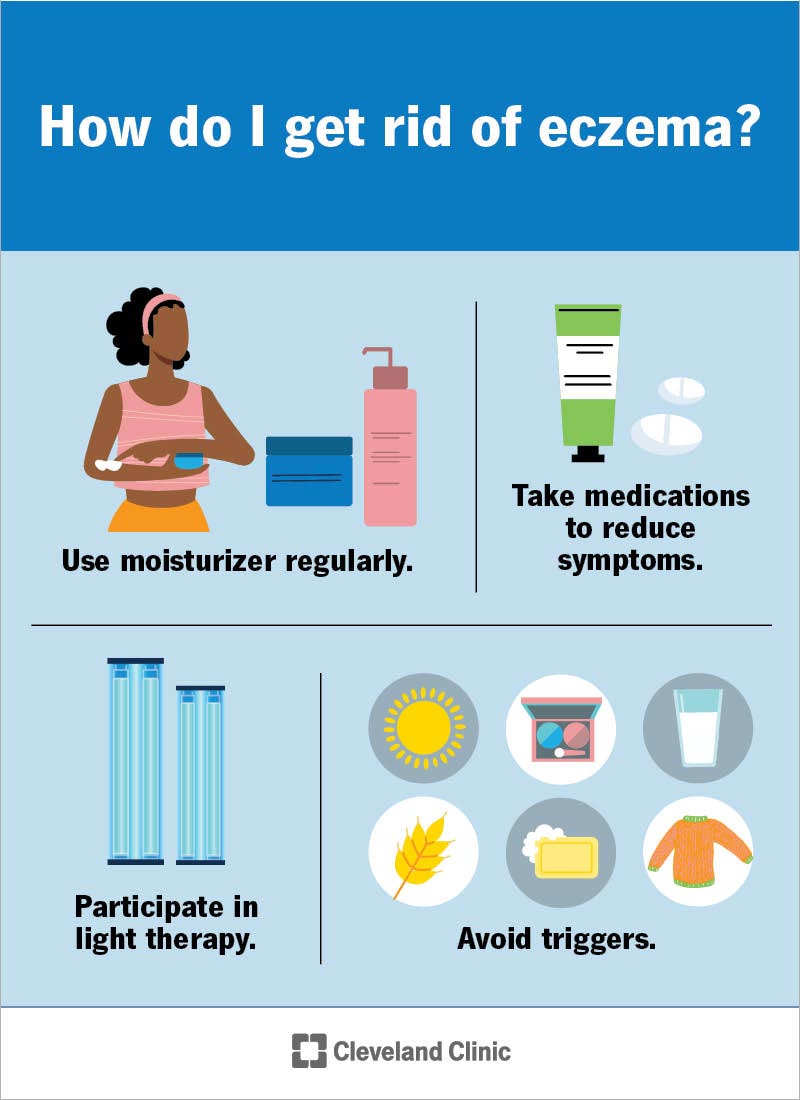
One of the most crucial aspects of preventing discoid eczema is maintaining proper skin hydration. Regular moisturization helps to strengthen the skin barrier, keeping it hydrated and preventing dryness. Opt for fragrance-free, hypoallergenic moisturizers and apply them liberally to the affected areas at least twice daily.
Avoiding Harsh Chemicals
To minimize skin irritation and reduce the risk of triggering discoid eczema flare-ups, it is important to avoid harsh chemicals in personal care products and household cleaners. Look for gentle, fragrance-free alternatives and always check the ingredient list for potential irritants.
Gentle Skin Cleansing
Proper skin cleansing is essential for individuals with discoid eczema. Avoid hot water and opt for lukewarm water instead. Use mild, non-irritating cleansers or soap substitutes specifically formulated for sensitive skin. After cleansing, gently pat your skin dry with a soft towel, avoiding any rubbing or scrubbing motions that can further irritate the skin.

Proper Skin Care Routine
Choosing the Right Products
When selecting skin care products, it is important to choose those specifically designed for sensitive or eczema-prone skin. Look for products labeled as hypoallergenic, fragrance-free, and non-comedogenic. Be cautious of any potential allergens or irritants, such as lanolin, certain preservatives, or fragrances, that may trigger eczema flare-ups.
Avoiding Triggers
Identifying and avoiding personal triggers is crucial in preventing discoid eczema. Keep a journal to track potential trigger factors such as specific foods, environmental changes, or exposure to chemicals. By identifying and eliminating these triggers from your daily routine, you can reduce the risk of developing eczema flare-ups.
Protecting from Sun Damage
Sun exposure can worsen the symptoms of discoid eczema and lead to more severe flare-ups. Protect your skin by wearing protective clothing, including hats and long sleeves, and by applying a broad-spectrum sunscreen with an SPF of 30 or higher. Seek shade during peak sun hours, and remember to reapply sunscreen every two hours, or after swimming or sweating.
Dietary Considerations to Prevent Discoid Eczema
Identifying Food Triggers
In some individuals, certain foods can trigger or worsen discoid eczema symptoms. Common trigger foods include dairy products, gluten, eggs, soy, and nuts. Keep a food diary to identify any patterns between your diet and your eczema flare-ups. If you notice a correlation, consider eliminating the suspected trigger foods from your diet under the guidance of a healthcare professional.
Including Anti-Inflammatory Foods
Incorporating a diet rich in anti-inflammatory foods can help reduce the risk of discoid eczema flare-ups. Include foods high in omega-3 fatty acids, such as fatty fish (salmon, mackerel), flaxseeds, and walnuts. Colorful fruits and vegetables, particularly those rich in antioxidants, can also help reduce inflammation in the body.
Hydration
Proper hydration is crucial for maintaining healthy skin and preventing dryness, which can trigger discoid eczema. Make sure to drink an adequate amount of water throughout the day to keep your body and skin hydrated. Avoid excessive caffeine and alcohol consumption, as they can dehydrate the body.

Stress Management Techniques
Impact of Stress on Eczema
Stress is known to worsen the symptoms of various skin conditions, including discoid eczema. Stress can weaken the immune system, leading to increased inflammation and triggering eczema flare-ups. It is important to implement stress management techniques to minimize the impact of stress on your skin.
Relaxation Techniques
Incorporating relaxation techniques into your daily routine can help reduce stress levels and promote overall well-being. Practice deep breathing exercises, progressive muscle relaxation, or engage in activities such as yoga or tai chi. Find what works best for you and make it a regular part of your routine.
Meditation and Mindfulness
Meditation and mindfulness are effective techniques for managing stress and improving mental well-being. Dedicate a few minutes each day to sit quietly, focus on your breath, and allow thoughts to come and go without judgment. Engaging in mindful activities, such as meditation or mindfulness-based stress reduction programs, can help break the cycle of stress and reduce the risk of eczema flare-ups.
Avoiding Allergens and Irritants
Understanding Common Allergens
Identifying and avoiding common allergens can help reduce the risk of discoid eczema flare-ups. Dust mites, pollen, pet dander, and certain foods are common allergens that can trigger or worsen eczema symptoms. Take steps to minimize exposure to these allergens, such as using hypoallergenic bedding, regularly cleaning and vacuuming your home, and avoiding known food triggers.
Avoiding Household Irritants
Household irritants, such as harsh cleaning products, certain fabrics, or fragranced items, can irritate sensitive skin and trigger eczema flare-ups. Opt for gentle, hypoallergenic cleaning products and avoid wearing clothing made from scratchy or irritating materials, such as wool. Be mindful of scented products, as fragrances can often be a source of skin irritation.
Limiting Exposure to Pollen and Dust Mites
Environmental allergens like pollen and dust mites can exacerbate discoid eczema symptoms. Keep your home clean and well-ventilated, regularly dust and vacuum to minimize dust mites, and take precautions when spending time outdoors during high pollen seasons. Consider using air purifiers or allergy-proof covers on your bedding to reduce exposure to these allergens.

Maintaining a Healthy Environment
Humidity Control
Maintaining optimal humidity levels in your home can help prevent dry skin and reduce the risk of discoid eczema flare-ups. Use humidifiers during dryer months to add moisture to the air, especially in the bedroom. Regularly monitor humidity levels and keep them between 40% and 50% to create a comfortable environment for your skin.
Cleaning and Vacuuming
Regular cleaning and vacuuming are essential to remove dust, dust mites, and other allergens from your living spaces. Use a vacuum cleaner with a HEPA filter to effectively capture small particles that can trigger eczema flare-ups. Avoid using feather dusters or dry dusting methods, as they can cause allergens to become airborne.
Bedding and Clothing
Choose bedding and clothing made from breathable, hypoallergenic materials that won’t irritate your skin. Opt for cotton or silk bedding and clothing to minimize friction and allow your skin to breathe. Wash your bedding and clothing with gentle, fragrance-free detergents and avoid using fabric softeners, as they can contain irritants.
Conclusion
Preventing discoid eczema requires a holistic approach that includes maintaining healthy skin, identifying and avoiding triggers, making dietary considerations, practicing stress management, and creating a healthy environment. By following these preventive measures, you can effectively manage discoid eczema, reduce the frequency and severity of flare-ups, and improve your overall quality of life. Remember to consult with a healthcare professional for personalized advice and treatment options tailored to your specific needs.