
Living with discoid eczema can be challenging, but with the right tips and techniques, you can effectively manage this skin condition and improve your quality of life. This article will provide you with valuable insights and practical advice on how to cope with discoid eczema, from identifying triggers and implementing skincare routines to exploring treatment options and seeking support. By incorporating these tips into your daily life, you can take control of your condition and minimize its impact, allowing you to live comfortably and confidently.

Understanding Discoid Eczema
Discoid eczema, also known as nummular eczema or discoid dermatitis, is a chronic inflammatory skin condition that manifests in the form of coin-shaped patches on the skin. These patches are typically red, itchy, and scaly, and can be quite uncomfortable. Discoid eczema predominantly affects adults, but it can occur in children as well. While the exact cause of this condition is not known, there are several factors that can contribute to the development of discoid eczema.
Definition of Discoid Eczema
Discoid eczema is a type of eczema characterized by round or oval-shaped patches on the skin. These patches can vary in size, ranging from a few centimeters to several inches in diameter. The affected skin may become dry, scaly, and itchy, and in severe cases, it can crack and bleed. Discoid eczema commonly appears on the limbs, particularly on the lower legs, but it can also affect other areas of the body.

Causes and Triggers
The exact cause of discoid eczema is unknown, but there are several factors that can trigger or exacerbate symptoms. These triggers can include:
-
Dry skin: Individuals with dry skin are more susceptible to developing discoid eczema. Dryness can lead to cracks in the skin, making it more vulnerable to irritation.
-
Environmental factors: Certain environmental factors, such as cold weather, low humidity, and exposure to harsh chemicals or irritants, can trigger symptoms of discoid eczema.
-
Allergens: Allergens, such as pollen, dust mites, and certain foods, can trigger an allergic reaction in some individuals, leading to the development of discoid eczema.
-
Stress: Stress is known to worsen symptoms of many skin conditions, including discoid eczema. High levels of stress can weaken the immune system and increase inflammation in the body.
Symptoms of Discoid Eczema
The symptoms of discoid eczema can vary from person to person, but common symptoms include:
- Round or oval-shaped patches on the skin
- Redness and inflammation
- Dry and scaly skin
- Intense itching
- Cracked or flaky skin
- Swelling and tenderness in the affected areas
If you experience any of these symptoms, it is important to seek medical advice for proper diagnosis and treatment.

Diagnosing Discoid Eczema
To diagnose discoid eczema, a dermatologist may perform the following assessments:
Clinical Examination
The dermatologist will visually examine the affected areas of your skin to determine if the symptoms align with discoid eczema. They may also ask about your medical history and recent environmental exposures.
Medical History Assessment
Providing a detailed medical history, including any underlying medical conditions, allergies, or recent changes in medication, can help the dermatologist rule out other potential causes of your symptoms.
Biopsy and Patch Testing
In some cases, a biopsy may be performed, where a small sample of skin is taken for examination under a microscope. Patch testing may also be done to identify any potential allergens that could be triggering or exacerbating your symptoms.
These diagnostic methods help the dermatologist determine if you have discoid eczema and develop a suitable treatment plan.
Medical Treatment Options
There are various medical treatment options available to manage the symptoms of discoid eczema:
Topical Corticosteroids
Topical corticosteroids are commonly prescribed to reduce inflammation and relieve itching associated with discoid eczema. These creams or ointments can help improve the appearance of the affected skin and alleviate discomfort.
Calcineurin Inhibitors
Calcineurin inhibitors, such as tacrolimus and pimecrolimus, are another class of medications used to treat discoid eczema. These medications work by suppressing the immune system and reducing inflammation in the skin.
Systemic Medications
In severe cases of discoid eczema, oral or injectable medications may be necessary to control symptoms. These systemic medications, such as prednisone or cyclosporine, are typically prescribed for short periods to avoid potential side effects.
Antibiotics
If a bacterial infection is present in the affected areas, the dermatologist may prescribe antibiotics to eliminate the infection and promote healing.
Antihistamines
Antihistamines can help alleviate itching and aid in getting a good night’s sleep. They are often recommended for individuals with discoid eczema to manage symptoms.
It is important to consult with a dermatologist to determine the most appropriate medical treatment option for your specific condition.
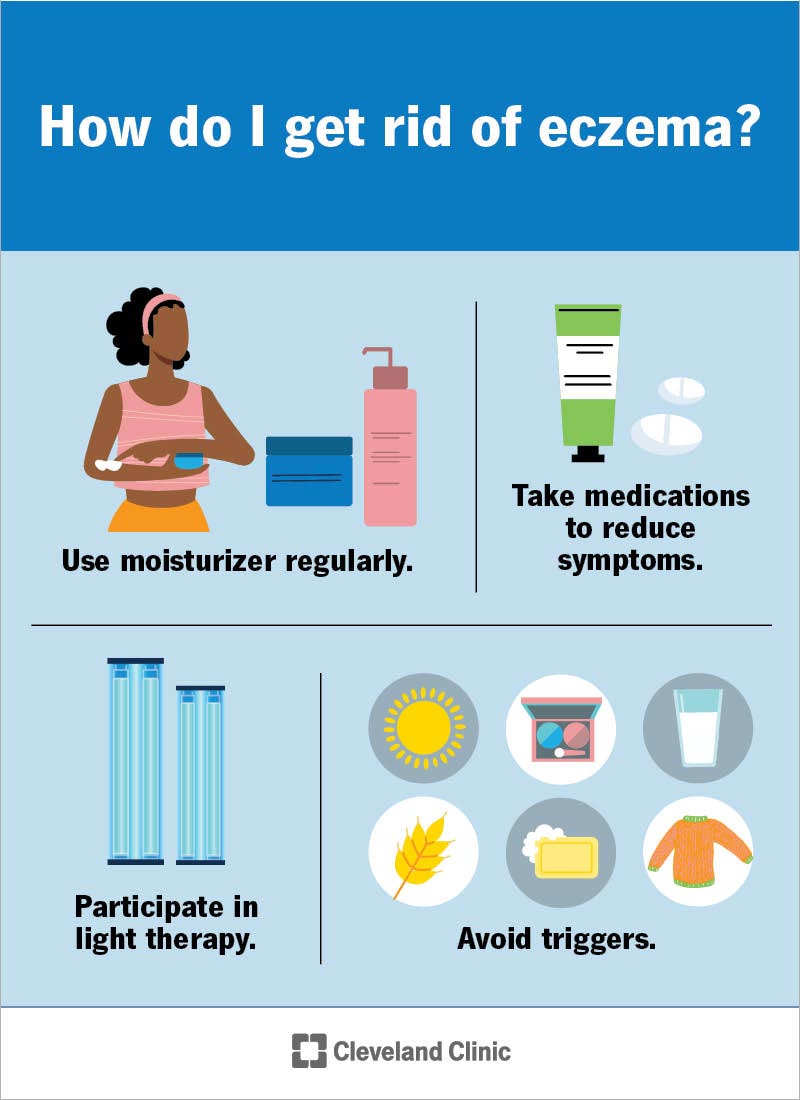
Self-Care Measures
In addition to medical treatment, there are several self-care measures you can incorporate into your daily routine to manage discoid eczema:
Moisturizing the Skin
Regularly moisturizing the skin is essential in managing discoid eczema. Using a gentle, fragrance-free moisturizer can help restore and maintain the skin’s natural barrier, preventing dryness and reducing the risk of flare-ups.
Avoiding Triggers
Identifying and avoiding triggers that worsen your symptoms is crucial in managing discoid eczema. Common triggers include harsh soaps, detergents, certain fabrics, and extreme temperatures. By minimizing exposure to these triggers, you can help reduce the frequency and severity of flare-ups.
Wearing Soft Fabrics
Choosing soft, breathable fabrics like cotton or silk can minimize irritation and friction on the skin. Avoid wearing rough or scratchy materials that can worsen your symptoms.
Gentle Skin Cleansing
When cleansing the affected areas, opt for mild, fragrance-free cleansers that are specifically formulated for sensitive skin. Avoid hot water and excessively scrubbing the skin, as this can strip away natural oils and exacerbate dryness.
Avoiding Scratching
Although it may be tempting to scratch the itchy patches, this can further irritate the skin and lead to infection. To prevent scratching, keep your nails short, wear gloves when necessary, and consider using distraction techniques or applying cold compresses to relieve the itch.
Natural Remedies for Discoid Eczema
While natural remedies may not provide a complete cure for discoid eczema, they can offer some relief from symptoms. Here are a few natural remedies that may be worth trying:
Aloe Vera
Aloe vera has soothing and anti-inflammatory properties that can help alleviate itchiness and reduce inflammation associated with discoid eczema. Apply pure aloe vera gel to the affected areas and leave it on for a few minutes before rinsing off.
Coconut Oil
Coconut oil is a natural moisturizer that can help alleviate dryness and reduce itchiness. Apply a thin layer of coconut oil to the affected areas and gently massage it into the skin.
Oatmeal Baths
Taking an oatmeal bath can provide relief from itching and help soothe the skin. Add colloidal oatmeal to your bathwater and soak for 15-20 minutes. Pat dry gently afterward.
Chamomile
Chamomile has anti-inflammatory and calming properties that can help reduce redness and itching. Brew a strong chamomile tea, let it cool, and apply it to the affected areas with a clean cloth or cotton ball.
Honey
Honey has natural antibacterial properties and can help soothe irritated skin. Apply a thin layer of honey to the affected areas and leave it on for 20-30 minutes before rinsing off.
It is important to note that natural remedies may not be suitable for everyone, and it is always advisable to consult with a healthcare professional before trying any new treatments.

Preventing Discoid Eczema Flare-ups
Prevention is key when it comes to managing discoid eczema. Here are some measures you can take to minimize flare-ups:
Identifying Trigger Factors
Keep a diary of activities, foods, environmental factors, and emotional stressors that may trigger or worsen your symptoms. By identifying and avoiding these triggers, you can reduce the frequency and severity of flare-ups.
Keeping the Skin Moisturized
Regularly moisturizing the skin helps maintain its protective barrier and prevents dryness. Apply a fragrance-free moisturizer immediately after showering or bathing to lock in moisture.
Avoiding Irritants
Avoid contact with harsh chemicals, soaps, detergents, and other potential irritants that can aggravate your skin. Opt for gentle, hypoallergenic products, and wear protective gloves when handling chemicals or cleaning agents.
Protecting the Skin from Harsh Weather
Extreme temperatures, low humidity, and cold, dry air can trigger or worsen symptoms of discoid eczema. During colder months, wear warm clothing, use a humidifier to add moisture to the air, and protect your skin from harsh weather conditions.
Managing Itchiness and Discomfort
Itchiness and discomfort are common symptoms of discoid eczema, but there are several techniques you can try to manage these symptoms:
Using Cold Compresses
Applying a cold compress to the affected areas can help alleviate itching and reduce inflammation. Wrap a clean washcloth or ice pack in a thin towel and apply it to the itchy patches for 15-20 minutes.
Applying Calamine Lotion
Calamine lotion has a cooling effect and can provide temporary relief from itching. Apply a thin layer of calamine lotion to the affected areas and allow it to dry.
Taking Antihistamines
Over-the-counter antihistamines can help relieve itching and promote better sleep. Consult with a pharmacist or healthcare professional to determine the most suitable antihistamine for your needs.
Using OTC Hydrocortisone Cream
Over-the-counter hydrocortisone creams or ointments can provide temporary relief from itching and inflammation. Apply a thin layer to the affected areas, following the instructions on the packaging. It is important not to use these products for prolonged periods without medical supervision.
Coping with Emotional Impact
Living with discoid eczema can have a significant emotional impact on individuals. Here are some strategies to help cope with the emotional challenges:
Support Groups
Joining a support group or connecting with others who have discoid eczema can provide a sense of understanding and community. Sharing experiences, tips, and emotional support can help alleviate feelings of isolation.
Therapy Options
Consider seeking therapy or counseling to address the emotional toll of living with a chronic skin condition. Cognitive-behavioral therapy (CBT) or other therapeutic approaches can help develop coping mechanisms and improve overall well-being.
Stress Management Techniques
Practicing stress management techniques, such as meditation, deep breathing exercises, yoga, or engaging in hobbies, can help reduce stress levels and improve emotional well-being.
Talking with Loved Ones
Openly communicating with family members, friends, or loved ones about your condition can help them better understand your needs and provide the support you require. Sharing your feelings and concerns can also help lighten the emotional burden.
When to Seek Medical Help
While discoid eczema can often be managed with self-care measures and over-the-counter remedies, there are instances where medical help should be sought:
Severe Symptoms
If your symptoms become severe, such as intense itching, pain, significant inflammation, or oozing sores, it is important to seek medical assistance promptly. Severe symptoms may indicate an infection or the need for stronger medical interventions.
Infection Signs
If you notice signs of infection, such as increased redness, warmth, swelling, pus, or a fever, it is crucial to consult with a healthcare professional. Infections require appropriate medical treatment to prevent further complications.
Lack of Improvement
If your symptoms persist or worsen despite self-care measures and over-the-counter treatments, it is recommended to seek medical advice. A dermatologist can evaluate your condition, reassess the treatment plan, and explore other management options.
Long-Term Management of Discoid Eczema
Discoid eczema is a chronic condition that requires long-term management. Here are some strategies for maintaining control over your symptoms:
Regular Follow-up with Dermatologist
Schedule regular follow-up appointments with a dermatologist to monitor and adjust your treatment plan as needed. Regular check-ups allow for early intervention and ensure your condition is adequately managed.
Maintenance Treatment Options
Based on the severity of your symptoms, your dermatologist may recommend maintenance treatment options, such as intermittent corticosteroid application, to keep flare-ups at bay and minimize the frequency of symptomatic periods.
Lifestyle Adjustments
Incorporating healthy lifestyle habits can enhance your overall well-being and potentially reduce the frequency and severity of discoid eczema flare-ups. Prioritize stress management, maintain a balanced diet, get regular exercise, and ensure sufficient sleep to support your immune system and improve skin health.
By adopting these long-term management strategies, you can take control of your discoid eczema and minimize its impact on your daily life.
In conclusion, discoid eczema is a chronic skin condition that can be managed with various treatment options and self-care measures. By understanding the triggers, identifying appropriate treatment methods, and implementing lifestyle adjustments, individuals living with discoid eczema can successfully minimize symptoms and improve their quality of life. Remember to consult with a healthcare professional for an accurate diagnosis and personalized treatment plan tailored to your specific needs.