
Hey there! Have you ever experienced the discomfort and pain of an ear infection? If so, you’re not alone. Ear infections are a common issue that can affect both children and adults. In this article, we’ll explore the ins and outs of ear infections, from their causes and symptoms to the available treatments. So, let’s dive right in and gain a better understanding of what happens when our ears decide to give us a hard time!
Understanding Ear Infections
What are Ear Infections?
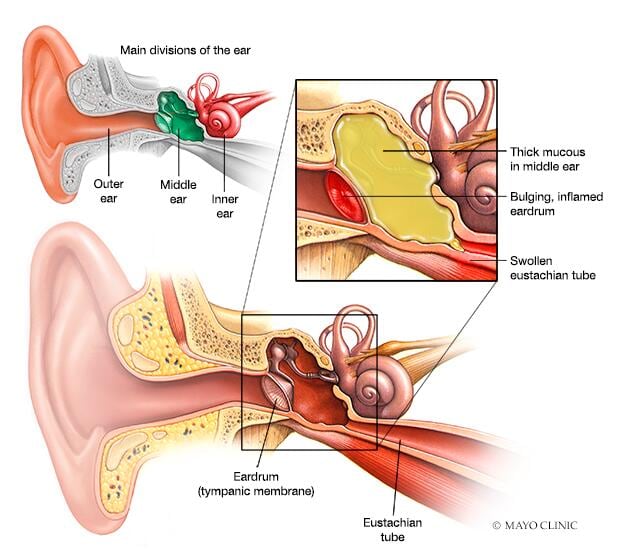
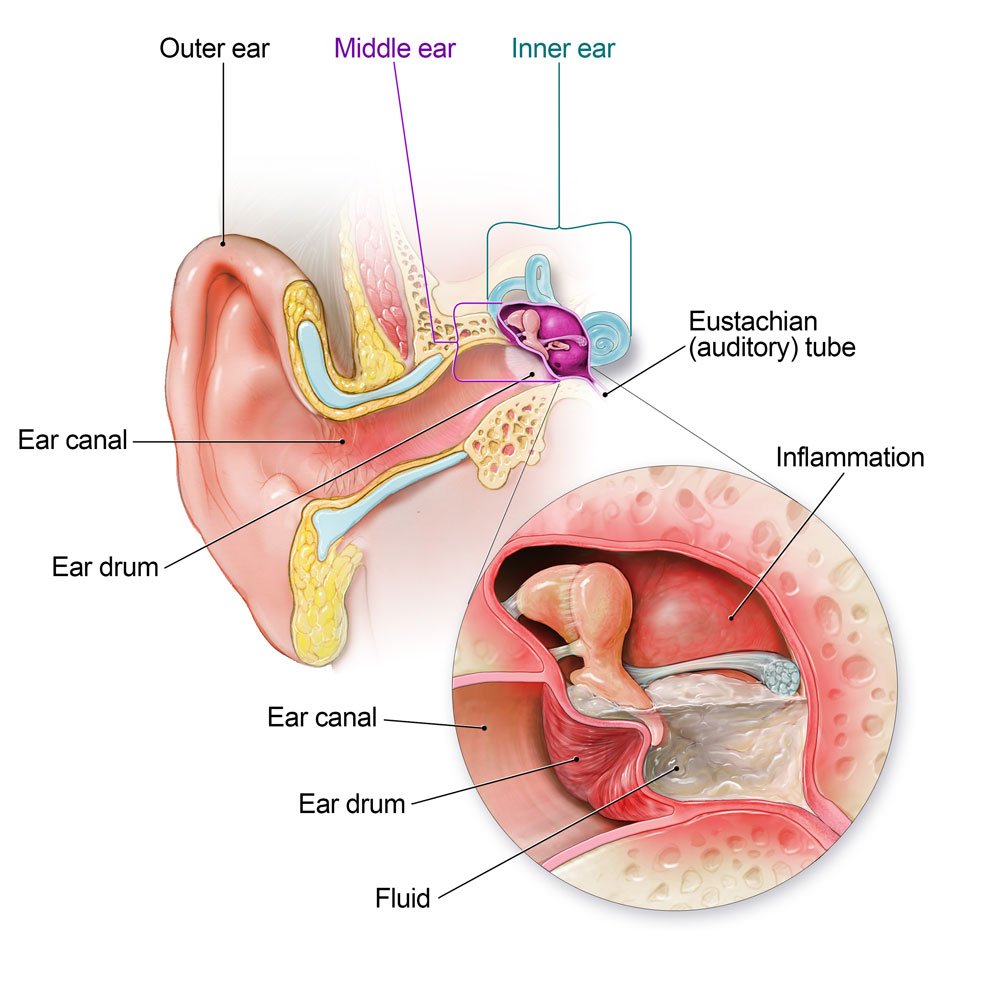
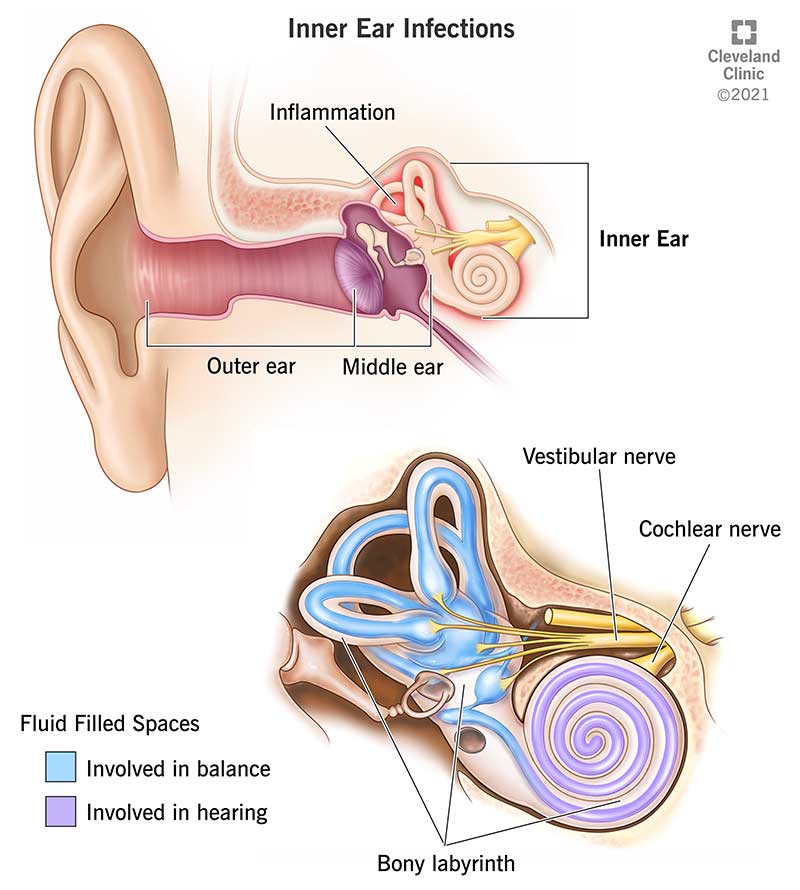
Ear infections are a common condition that can affect people of all ages, but they are particularly common among children. An ear infection occurs when there is an inflammation or infection in the middle ear, which is the space behind the eardrum. This condition can cause discomfort, pain, and in some cases, even temporary hearing loss.
Causes of Ear Infections
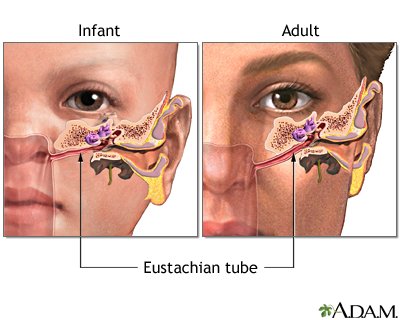
There are several factors that can contribute to the development of an ear infection. The most common cause is bacteria, which can enter the ear through the Eustachian tube. This tube connects the middle ear to the back of the throat and helps to equalize pressure. When the Eustachian tube becomes blocked or malfunctions, it can prevent the proper drainage of fluids, leading to the build-up of bacteria. Other factors that can increase the risk of developing an ear infection include allergies, colds, sinus infections, and exposure to tobacco smoke.
Types of Ear Infections
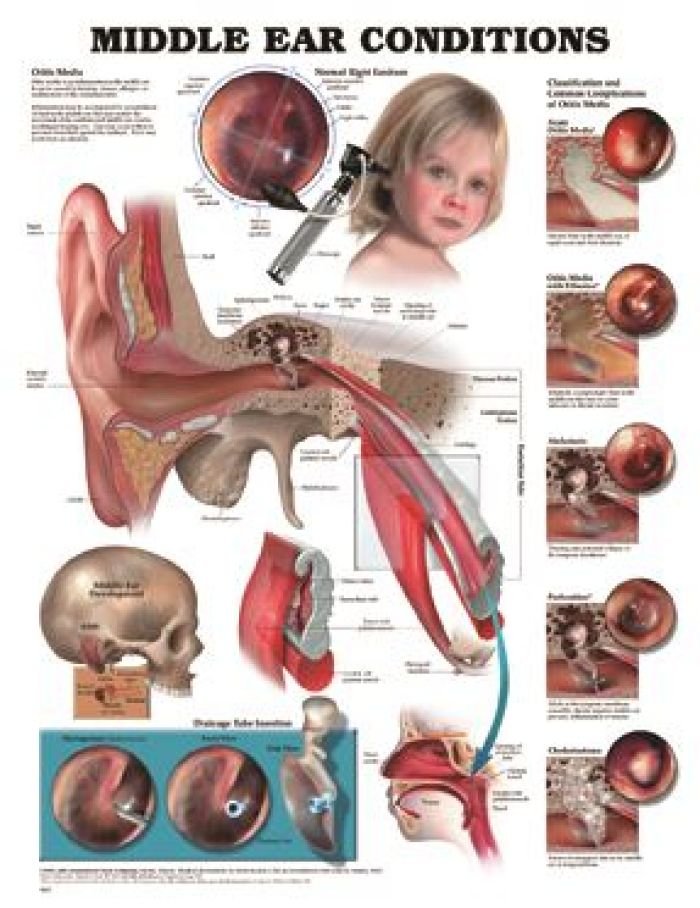
There are three main types of ear infections: acute otitis media, otitis media with effusion, and chronic otitis media. Acute otitis media is the most common type and is often associated with pain and fever. Otitis media with effusion occurs when fluid builds up behind the eardrum but there is no active infection. This type of infection may not cause any symptoms and often resolves on its own. Chronic otitis media is a long-lasting infection that can cause permanent damage to the middle ear and hearing loss if left untreated.
Symptoms of Ear Infections
The symptoms of an ear infection can vary depending on the type and severity of the infection. Common symptoms include ear pain or discomfort, a sense of fullness or pressure in the ear, fluid drainage from the ear, difficulty hearing, and fever. In young children, symptoms may be less specific and may include irritability, pulling or tugging at the ear, and difficulty sleeping or eating.
Diagnosing Ear Infections
If you suspect you or your child has an ear infection, it is important to see a doctor for a proper diagnosis. The doctor will likely start by asking about your symptoms and medical history. They will then perform a physical examination, which may include looking into the ear with a special tool called an otoscope. If an infection is suspected, the doctor may recommend further testing, such as a tympanometry, which measures the movement of the eardrum, or a hearing test.
Treatment Options
The treatment for an ear infection will depend on the type and severity of the infection. In many cases, the infection will resolve on its own without treatment. However, if symptoms are severe or if the infection is not improving, the doctor may recommend antibiotics to kill the bacteria causing the infection. Pain relievers, such as ibuprofen or acetaminophen, may also be recommended to help alleviate pain and discomfort. In some cases, a procedure called a myringotomy may be necessary to drain fluid from the middle ear.
Preventing Ear Infections
While it may not be possible to completely prevent ear infections, there are steps you can take to reduce the risk. Avoiding exposure to secondhand smoke and practicing good hygiene, such as washing your hands regularly, are important preventive measures. Breastfeeding your baby can also help reduce the risk of ear infections, as breast milk contains antibodies that can help fight off infections. Additionally, keeping up to date with vaccinations and avoiding close contact with individuals who have colds or other respiratory infections can also help reduce the risk of ear infections.
Complications of Ear Infections
While most ear infections resolve on their own without causing any complications, there are some potential risks associated with this condition. If left untreated or if the infection is recurrent, an ear infection can lead to more serious complications, such as hearing loss, speech and language delays in young children, and the spread of infection to nearby structures, such as the mastoid bone or the brain.
Home Remedies for Ear Infections
In addition to medical treatments, there are some home remedies that may help alleviate the symptoms of an ear infection. Applying a warm compress to the affected ear can help reduce pain and discomfort. Over-the-counter pain relievers, such as ibuprofen or acetaminophen, can also be used to help alleviate pain. It is important to note that home remedies should not replace medical treatment, and it is always best to consult with a healthcare professional before trying any home remedies.
When to See a Doctor
It is important to seek medical attention if you or your child is experiencing symptoms of an ear infection. While many ear infections will resolve on their own, it is important to receive a proper diagnosis to ensure appropriate treatment and to prevent potential complications. Additionally, if symptoms worsen or if new symptoms develop during the course of an ear infection, it is important to see a doctor for further evaluation. Remember, your doctor is there to help you and provide the best care possible for you or your child’s ear infection.