
Having an ear infection can be both uncomfortable and frustrating, but did you know that it can also lead to complications? Ear infections are a common condition that many people experience at some point in their lives. While they usually resolve on their own or with treatment, there are potential complications that can arise if left untreated or if the infection becomes severe. In this article, we will explore the various complications that can occur as a result of ear infections and discuss the importance of early intervention to prevent further complications.
Complications of Ear Infections
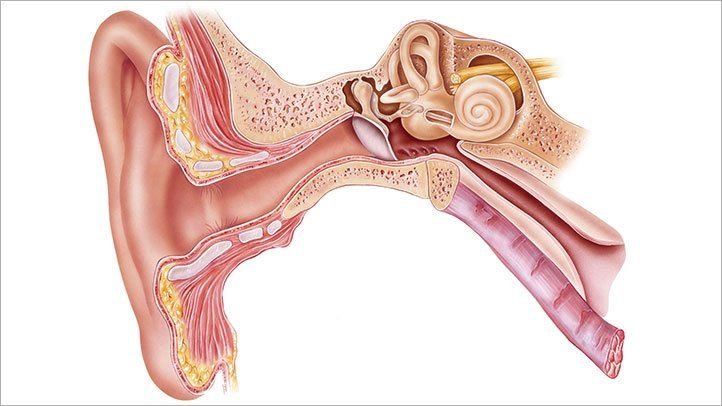
Ear Infections Overview
Ear infections, also known as otitis media, are a common condition that many people experience at some point in their lives. While they are typically not serious and often resolve on their own, it’s important to be aware of the potential complications that can arise from untreated or recurrent ear infections. These complications can vary in severity and may affect various parts of the ear and even other areas of the body.
Untreated or Recurrent Infections
One of the main complications of ear infections is the possibility of leaving them untreated or experiencing recurrent infections. When ear infections are not properly treated, the infection can continue to linger and potentially spread to other parts of the ear. Additionally, if the infection keeps recurring, it can weaken the immune system and make it more susceptible to other illnesses. It’s crucial to seek medical attention and follow the recommended treatment plan to avoid these complications.

Hearing Loss
Another common complication of untreated or recurrent ear infections is hearing loss. The middle ear is responsible for transmitting sound vibrations to the inner ear, where they are then processed and sent to the brain. When an infection or fluid buildup occurs in the middle ear, it can interfere with this process, leading to temporary or even permanent hearing loss if left untreated. It’s important to address ear infections promptly to minimize the risk of long-term hearing impairment.
Tympanic Membrane Perforation
Severe or untreated ear infections can sometimes cause a perforation or hole in the tympanic membrane, which is commonly known as the eardrum. The eardrum acts as a barrier between the outer and middle ear, and when it becomes perforated, it can result in significant pain, fluid drainage, and a higher risk of recurrent infections. In some cases, a surgical procedure may be required to repair the perforated eardrum and restore proper hearing.

Cholesteatoma
One potential complication of chronic or recurrent ear infections is the development of a cholesteatoma. A cholesteatoma is an abnormal growth of skin cells in the middle ear, usually resulting from repeated infections or a malformed Eustachian tube. If left untreated, a cholesteatoma can erode the surrounding bones, potentially leading to more serious complications such as hearing loss, dizziness, and even facial paralysis. Early detection and treatment are essential to prevent the progression of this condition.
Mastoiditis
Mastoiditis is a rare but serious complication of ear infections. It occurs when the infection spreads from the middle ear to the mastoid bone, a bone located behind the ear. Symptoms of mastoiditis include severe pain, swelling, redness, and tenderness behind the ear. If left untreated, it can lead to serious complications such as meningitis or a brain abscess. Prompt medical intervention is crucial to prevent the spread of the infection and avoid potential life-threatening consequences.

Meningitis
In some rare cases, ear infections can lead to meningitis – a serious infection of the membranes surrounding the brain and spinal cord. The bacteria responsible for the ear infection can enter the bloodstream and reach the meninges, causing inflammation and potentially life-threatening complications. Symptoms of meningitis include severe headache, fever, stiff neck, and sensitivity to light. If you experience these symptoms alongside an ear infection, it’s important to seek immediate medical attention.
Labyrinthitis
Labyrinthitis is a condition that occurs when an ear infection spreads to the inner ear, causing inflammation of the labyrinth – the intricate system of fluid-filled canals and structures responsible for balance and hearing. Symptoms of labyrinthitis include dizziness, vertigo, nausea, and hearing loss. While labyrinthitis usually resolves with treatment, it can cause temporary or permanent damage to the inner ear, leading to long-term balance issues or hearing loss if left untreated.

Facial Nerve Paralysis
Ear infections that affect the facial nerve, known as the seventh cranial nerve, can potentially result in facial nerve paralysis. This complication occurs when the infection spreads to the nerve, causing weakness or paralysis of facial muscles on one side of the face. Symptoms may include drooping of the mouth or eyelid, difficulty closing the eye, and changes in taste perception. Treatment may involve antibiotics, steroids, and physical therapy to promote nerve recovery.
Delay in Speech and Language Development
Chronic or recurrent ear infections in infants and young children can lead to delays in speech and language development. The presence of fluid in the middle ear can interfere with auditory feedback, making it challenging for children to hear and process speech sounds. This can ultimately impact their ability to develop proper communication skills. Timely treatment and appropriate interventions, such as speech therapy, are crucial to minimize the impact on a child’s language development.
Conclusion
While most ear infections are relatively harmless and resolve without complications, it’s important to be aware of the potential risks associated with untreated or recurrent infections. From hearing loss and tympanic membrane perforation to more severe complications like cholesteatoma and meningitis, it’s crucial to seek medical attention and follow recommended treatment plans. By addressing ear infections promptly, you can minimize the risk of long-term complications and promote overall ear and general health. Remember, if you or your loved one experiences symptoms of an ear infection, consult a healthcare professional for an accurate diagnosis and appropriate treatment.