
Having an ear infection can be quite uncomfortable and disruptive to your daily life. In this article, we will explore the common symptoms of ear infections, allowing you to easily identify them and seek prompt medical attention. From ear pain and hearing loss to fever and dizziness, understanding these symptoms will help you take necessary steps for proper care and treatment. So, let’s dive into the signs that may indicate an ear infection and help you find relief.

Introduction
Welcome to this comprehensive guide on ear infections. In this article, we will explore the different types of ear infections, the causes behind them, common symptoms to look out for, and when it’s important to see a doctor. We will also discuss the various diagnostic methods and treatment options available. So, if you or someone you know is experiencing any ear-related issues, this article is here to provide you with helpful information.
Types of Ear Infections
Acute Otitis Media
Acute otitis media is a common type of ear infection that affects the middle ear. It is often characterized by a rapid onset of symptoms such as ear pain, fever, and irritability. This type of infection is usually caused by bacterial pathogens, including Streptococcus pneumoniae and Haemophilus influenzae.
Otitis Media with Effusion
Otitis media with effusion, also known as glue ear, occurs when the middle ear becomes filled with fluid. This type of infection usually follows an acute infection or upper respiratory tract infection. It often leads to temporary hearing loss and may cause a feeling of fullness in the ear.
Chronic Otitis Media
Chronic otitis media is a long-lasting and persistent infection of the middle ear. It can be caused by recurring acute infections or untreated acute otitis media. Chronic otitis media can result in hearing loss and ongoing ear pain or discomfort.
External Otitis
External otitis, also referred to as swimmer’s ear, is an infection that affects the external ear canal. It is often caused by prolonged exposure to contaminated water, such as swimming in pools or lakes. Symptoms of external otitis include ear pain, redness, and swelling of the ear canal.

Causes of Ear Infections
Bacterial Infections
Bacterial infections are one of the most common causes of ear infections, particularly acute otitis media. Bacteria can enter the middle ear through the eustachian tube, often following a viral respiratory infection. Common bacteria that cause ear infections include Streptococcus pneumoniae, Haemophilus influenzae, and Moraxella catarrhalis.
Viral Infections
Viral infections, such as the common cold or flu, can also lead to ear infections. Viruses can cause inflammation in the respiratory system, including the eustachian tube, which can then lead to blockage and fluid accumulation in the middle ear.
Allergies
Allergies, particularly allergic rhinitis or hay fever, can contribute to the development of ear infections. Allergic reactions can lead to inflammation and congestion in the nasal passages and eustachian tube, creating an environment conducive to infection.
Upper Respiratory Infections
Upper respiratory infections, such as the common cold, sinusitis, or adenoiditis, can often be accompanied by ear infections. These infections can cause blockage and congestion in the eustachian tube, leading to fluid buildup and subsequent infection in the middle ear.
Sinus Infections
Sinus infections, also known as sinusitis, can involve the spread of infection to the middle ear. As the sinuses and the middle ear are connected through small channels, infections in the sinuses can potentially lead to ear infections.
Swimming in Contaminated Water
Swimming in contaminated water, such as pools, lakes, or hot tubs, can introduce bacteria and fungi into the ear canal, leading to external otitis or swimmer’s ear. The moist environment created by water exposure can provide a breeding ground for infection-causing microorganisms.
Risk Factors
Age
Children, particularly those between the ages of 6 months and 2 years, are more susceptible to ear infections due to their underdeveloped immune systems and the anatomy of their eustachian tubes. However, ear infections can also affect people of all ages.
Seasonal Factors
Certain seasons, particularly the fall and winter, tend to have higher rates of ear infections. This may be due to increased respiratory infections and the close proximity of people indoors during these seasons.
Climate
Dry climates, or environments with low humidity, can contribute to ear infections. The lack of moisture in the air can cause the mucus in the respiratory system to dry up, leading to congestion and blockage of the eustachian tube.
Family History
A family history of ear infections can increase the likelihood of developing ear infections. Genetic factors may play a role in the susceptibility to infections, the structure of the eustachian tube, and the immune response to pathogens.
Group Childcare
Children attending group childcare settings, such as daycare centers or preschools, are more likely to be exposed to respiratory infections and, consequently, ear infections. The close proximity of children in these environments increases the risk of transmission of infectious agents.
Lack of Breastfeeding
Breastfeeding has been found to provide protection against ear infections in infants. The antibodies present in breast milk can help strengthen the infant’s immune system and reduce the risk of infections.
High Tobacco Smoke Exposure
Exposure to tobacco smoke, whether it is from smoking or secondhand smoke, can increase the likelihood of developing ear infections. The chemicals and irritants present in tobacco smoke can cause inflammation and compromise the immune system’s ability to fight off infections.
Common Symptoms
Pain or Discomfort
One of the most common symptoms of an ear infection is pain or discomfort in the affected ear. This can range from mild to severe, and it may be constant or intermittent.
Ear Drainage
In some cases, an ear infection may cause fluid or pus to drain from the ear. The discharge may be clear, white, yellowish, or bloody, depending on the underlying cause of the infection.
Hearing Loss
Ear infections can affect hearing, particularly in cases of fluid accumulation in the middle ear. Hearing loss may be temporary or more persistent, depending on the severity and duration of the infection.
Fever
Fever is a common symptom of many infections, including ear infections. It is the body’s natural response to fight off the infection. However, not all ear infections are accompanied by fever.
Irritability or Fussiness
Infants and young children may exhibit signs of irritability or fussiness when they have an ear infection. They may cry more than usual and have difficulty settling down.
Poor Appetite
Children with ear infections may experience a decrease in appetite. The pain and discomfort associated with the infection can make it difficult for them to eat normally.
Sleep Disturbances
Ear infections can disrupt sleep patterns, both in children and adults. Pain or discomfort may make it difficult to fall asleep or stay asleep throughout the night.
Balance Problems
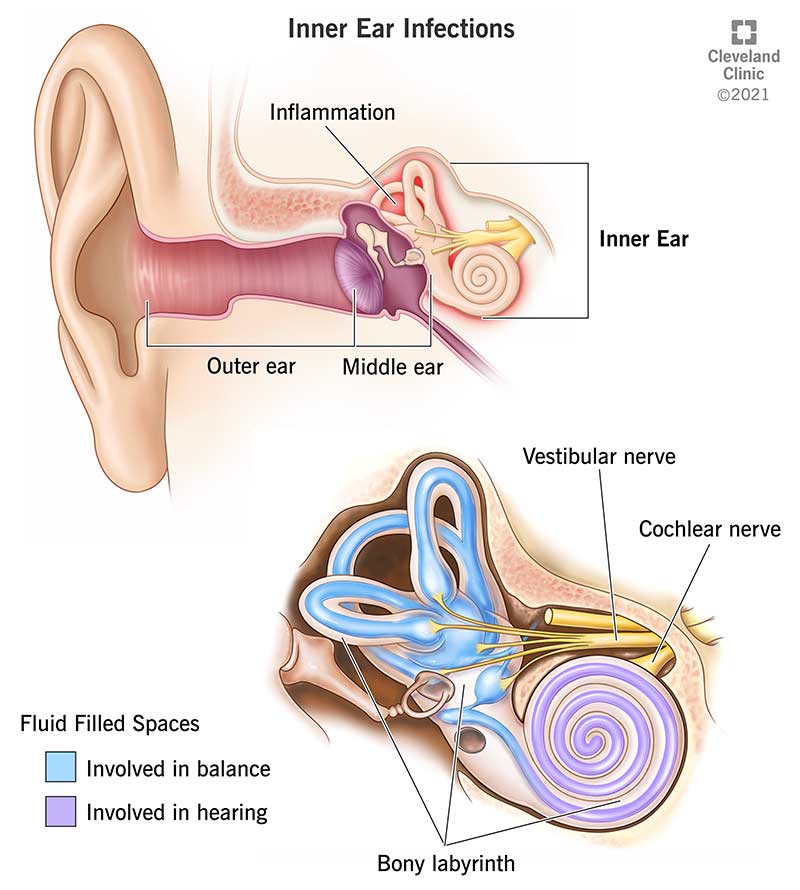
In some cases, ear infections can affect the balance organs in the inner ear, leading to balance problems. This may manifest as dizziness, unsteadiness, or a sensation of spinning, known as vertigo.
Difficulty in Understanding Speech
Children and adults with ear infections may struggle to understand speech clearly. The presence of fluid or inflammation in the middle ear can interfere with sound transmission, resulting in muffled or reduced speech perception.
Symptoms in Infants
Tugging or Pulling at Ears
Infants with ear infections may tug or pull at their ears in an attempt to alleviate the pain or discomfort they are experiencing. This behavior is often a clear indicator that something is amiss.
Crying More Than Usual
Ear infections can cause significant discomfort in infants, leading to increased crying. If your baby seems more fussy than usual, it may be a sign of an ear infection.
Difficulty Sleeping
Infants with ear infections may have difficulty sleeping or may exhibit changes in their sleep patterns. They may wake up more frequently during the night or struggle to fall asleep.
Fluid Drainage
Fluid drainage from the ear is less common in infants compared to older children or adults. However, in some cases, infants may have a persistent discharge or moistness at the opening of the ear canal.

Symptoms in Children and Adults
Earache or Ear Pain
Earache or ear pain is a prevalent symptom of ear infections in children and adults. It can vary in intensity and may worsen when lying down or during changes in pressure, such as when flying or driving up a mountain.
Fluid Accumulation
Feeling of fullness or pressure in the affected ear can be indicative of fluid accumulation in the middle ear. This can cause temporary hearing loss or a sensation of “blocked” ears.
Hearing Problems
Hearing problems are common in ear infections, especially when there is fluid accumulation or inflammation in the middle ear. Temporary hearing loss or difficulty understanding speech may occur.
Dizziness or Vertigo
Balance problems, including dizziness or vertigo, can accompany ear infections. These symptoms may be due to the involvement of the inner ear or disruption of the balance organs.
Headache
Headache can occur as a result of the pain and pressure associated with an ear infection. The location of the headache may vary, but it is often felt around the affected ear or in the temples.
Nausea or Vomiting
In some cases, severe ear infections, particularly those with involvement of the inner ear, can cause nausea or vomiting. These symptoms may be associated with dizziness and balance disturbances.
Fatigue
The presence of an ear infection can lead to fatigue or a general feeling of tiredness. This may be due to the body’s immune response to the infection or disrupted sleep patterns.
Muffled or Reduced Speech
Difficulty understanding speech or perceiving sounds clearly is a common complaint in individuals with ear infections. The presence of fluid or inflammation in the middle ear can affect sound transmission and result in muffled or reduced speech perception.
When to See a Doctor
Persistent Symptoms
If you or your child experience persistent symptoms of an ear infection, it is important to see a doctor. These symptoms may include ongoing ear pain, fluid drainage, or hearing problems that last for more than a few days.
Severe Symptoms
Severe symptoms, such as high fever, severe ear pain, dizziness, or signs of significant distress, should prompt immediate medical attention. These symptoms may indicate a more serious infection or complications.
Symptoms in Infants
If your infant shows signs of an ear infection, such as tugging at the ears, excessive crying, or difficulty sleeping, it is advisable to seek medical evaluation. Infants are more vulnerable to complications from ear infections, and early intervention is crucial.
Recurring Infections
If you or your child experience recurrent ear infections, it is important to consult with a healthcare professional. Recurring infections may require further evaluation and management to prevent future episodes.
Concerns about Hearing Loss
Any concerns about hearing loss or significant changes in hearing should be addressed by a healthcare professional. Timely interventions can help prevent potential long-term complications.

Diagnosis
Physical Examination
A physical examination of the ear is typically the first step in diagnosing an ear infection. A healthcare professional will use an otoscope to examine the external ear canal and the eardrum for signs of infection, fluid buildup, or other abnormalities.
Tympanometry
Tympanometry is a test that measures the movement of the eardrum in response to changes in air pressure. This test helps determine if there is fluid present in the middle ear and assesses the mobility of the eardrum.
Pneumatic Otoscopy
Pneumatic otoscopy involves the use of a special instrument to deliver air pressure to the ear canal. This test helps evaluate the mobility of the eardrum and can provide additional information about the presence of fluid in the middle ear.
Other Tests
In certain cases, additional tests may be necessary to further assess the extent or underlying cause of an ear infection. These tests may include audiometry (hearing test), tympanocentesis (fluid sample collection), or imaging studies, such as a CT scan or MRI.
Treatment Options
Antibiotics
In cases where bacterial infections are present, antibiotics may be prescribed to eliminate the infection. The choice of antibiotics will depend on the specific bacteria involved and the severity of the infection.
Pain Relief Medications
Over-the-counter pain relief medications, such as acetaminophen or ibuprofen, may be recommended to alleviate pain or discomfort associated with an ear infection. It is important to follow the recommended dosage and consult a healthcare professional if symptoms persist.
Ear Drops
Ear drops may be prescribed to help relieve pain or reduce inflammation. These drops may contain antibiotics, antifungal agents, or corticosteroids, depending on the specific needs of the individual.
Surgical Intervention
In some cases, surgical intervention may be necessary to treat chronic or severe ear infections. Procedures such as tympanostomy (ear tube placement) or adenoidectomy (removal of the adenoids) can help prevent recurrent infections and improve middle ear ventilation.
Other Therapies
Additional therapies, such as warm compresses, nasal decongestants, or nasal saline rinses, may be recommended to help alleviate symptoms and promote healing. It is important to discuss these options with a healthcare professional.
In conclusion, ear infections can cause significant discomfort and disruption in daily life. It is crucial to be aware of the various types, causes, and symptoms associated with ear infections. Seeking timely medical attention and following recommended treatment options can help prevent complications and promote a speedy recovery. Remember, if you or someone you know is experiencing any symptoms of an ear infection, don’t hesitate to reach out to a healthcare professional for proper evaluation and guidance.