
In this article, we will discuss some effective ways to prevent fever in children. Commonly experienced by children of all ages, fever can be uncomfortable and concerning for parents. By implementing certain preventive measures, you can help minimize your child’s risk of developing a fever and ensure their overall well-being. From maintaining good hygiene practices to promoting a healthy lifestyle, we will provide you with practical tips and advice that will help keep your child healthy and fever-free.
Understanding Fever in Children
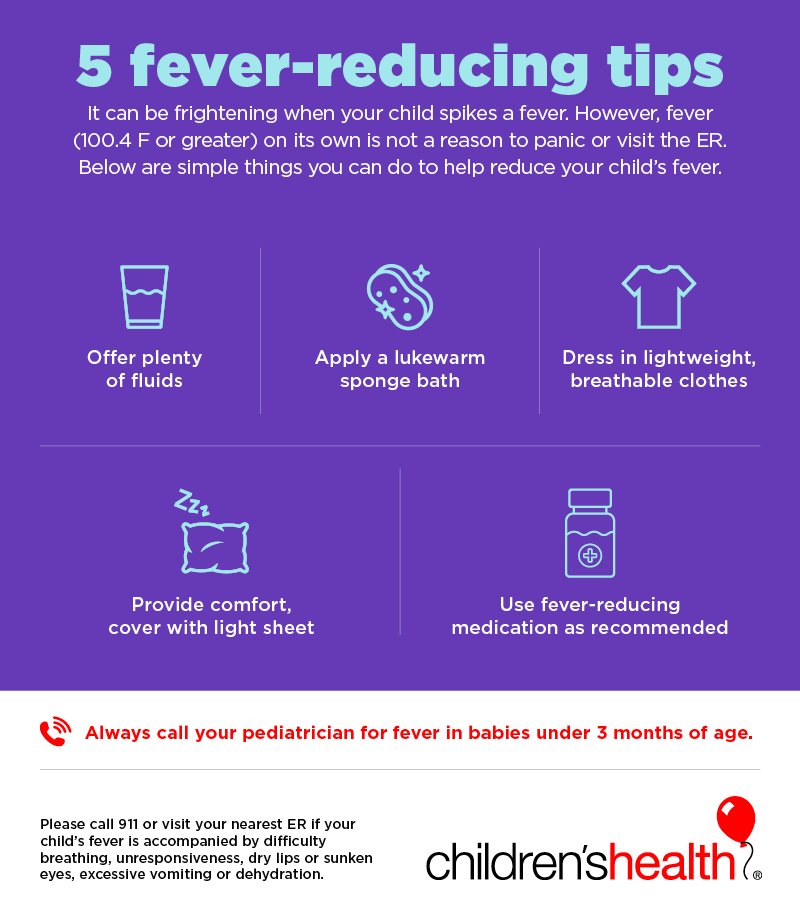
Fevers in children can be a cause of concern for parents, but it is important to remember that fever itself is not an illness. Instead, it is a symptom of an underlying condition. In simple terms, a fever is an increase in body temperature above the normal range, which is typically around 98.6°F (37°C). Understanding fever and its causes is vital in order to provide appropriate care for your child.
Definition of Fever
A fever is generally defined as a body temperature higher than 100.4°F (38°C) rectally or 100°F (37.8°C) orally. However, it’s important to note that the definition may vary slightly depending on the method used to measure temperature. Fever is the body’s natural response to fight off infections and can be caused by a wide range of factors, including infections, teething, immunizations, or even hot weather.

Common Causes of Fever in Children
Infections are the most common cause of fevers in children. These infections can be viral, such as the common cold or flu, or bacterial, such as strep throat or urinary tract infections. Other possible causes include teething, vaccinations, over-bundling in warm clothing, or exposure to hot weather. It’s important to remember that fever can also be a symptom of more serious underlying conditions, so it’s essential to monitor your child’s symptoms closely.
Identifying and Monitoring Fever
Recognizing the Symptoms of Fever:
When your child has a fever, they may exhibit various symptoms. These can include a flushed face, sweating, chills, irritability, loss of appetite, difficulty sleeping, or general lethargy. It’s important to pay attention to these symptoms and seek appropriate care for your child if necessary.
Taking Accurate Temperature Readings:
To monitor your child’s fever accurately, it is essential to take their temperature correctly. The most accurate and reliable method is a rectal thermometer for infants and young children. For older children, an oral or ear thermometer can also be used. It’s important to read the thermometer instructions carefully and use the correct technique to get an accurate reading.
Monitoring Fever Progression:
Keeping track of your child’s fever progression is crucial in determining if medical intervention is necessary. Record their temperature regularly and note any changes or trends. If the fever persists or is accompanied by worrisome symptoms such as severe headache, difficulty breathing, or a rash, it is essential to seek medical advice.
Preventive Measures for Fever
Maintaining Good Hygiene Practices:
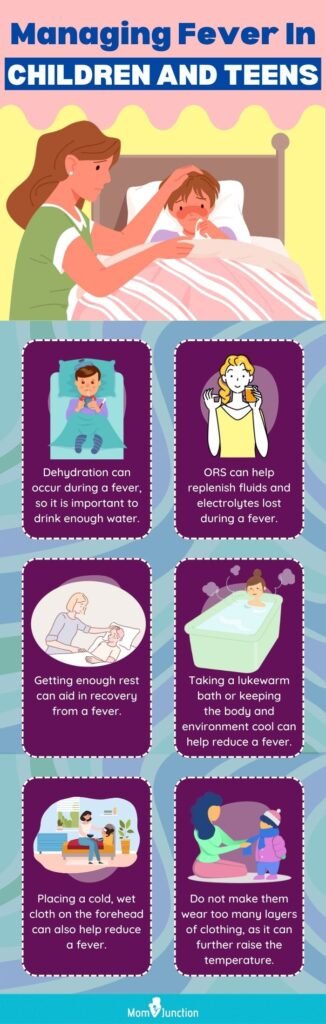
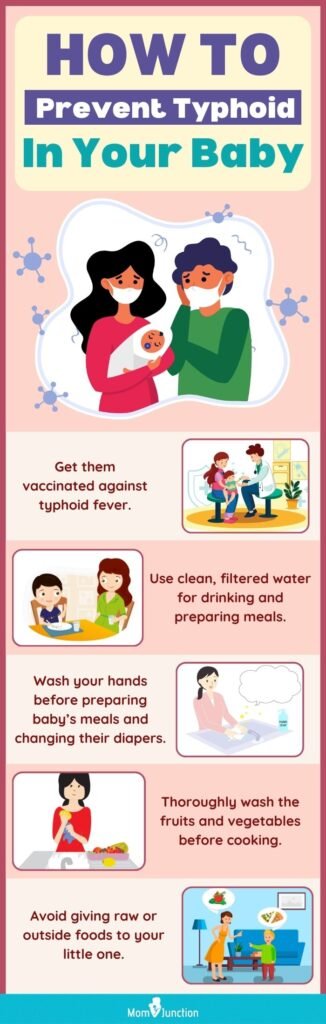
Teaching your child good hygiene practices is an important step in preventing the spread of infections. Encourage regular handwashing with soap and water for at least 20 seconds, especially before meals, after using the toilet, and after coming into contact with potentially contaminated surfaces. Proper hand hygiene significantly reduces the risk of contracting and spreading illnesses.
Ensuring Proper Nutrition and Hydration:
A well-balanced diet and adequate hydration are essential for your child’s overall health and immune system. Provide them with a nutrient-rich diet, including plenty of fruits, vegetables, whole grains, and lean proteins. Additionally, make sure they drink enough fluids throughout the day to stay hydrated.
Promoting a Healthy Living Environment:
Creating a healthy living environment for your child can help minimize their exposure to infectious diseases. Keep your home clean and free from allergens, encourage regular airing of rooms, and maintain proper ventilation. Regularly disinfect frequently touched surfaces such as doorknobs, light switches, and toys. Also, encourage your child to cover their mouth and nose when coughing or sneezing.
Vaccinations and Immunizations
Importance of Vaccinations and Immunizations:
Vaccinations play a vital role in protecting children from various diseases, some of which can cause serious complications or even be life-threatening. Vaccines work by stimulating the immune system to produce defenses against specific diseases, providing immunity. By ensuring your child is up to date with their vaccinations, you are not only protecting them but also contributing to the overall community immunity.
Recommended Vaccination Schedule for Children:
Following the recommended vaccination schedule is crucial to ensure your child is protected at the appropriate age and intervals. Consult with your child’s healthcare provider to ensure they receive all the necessary vaccines. Some common childhood vaccines include measles, mumps, rubella (MMR), diphtheria, tetanus, pertussis (DTaP), hepatitis B, and influenza.
Vaccine Safety and Common Myths:
It’s natural to have concerns about vaccine safety, but it’s important to separate fact from fiction. Vaccines undergo extensive testing and are rigorously monitored for safety. The benefits of vaccination far outweigh the risks, as vaccines have significantly reduced the incidence of many dangerous diseases. Talk to your child’s healthcare provider if you have any concerns or questions about vaccine safety.
Minimizing Exposure to Infectious Diseases
Teaching Good Handwashing Techniques:
Teaching your child proper handwashing techniques is one of the simplest and most effective ways to prevent the spread of infectious diseases. Teach them to use soap and water and thoroughly scrub their hands for at least 20 seconds, making sure to clean between fingers, under nails, and the wrists. Encourage them to wash their hands before meals, after using the toilet, and after playing outdoors.
Avoiding Close Contact with Sick Individuals:
Minimizing your child’s exposure to sick individuals can help prevent the transmission of infectious diseases. Encourage them to maintain distance from people who are visibly ill or have symptoms of an illness. It’s also important to keep your child home when they are not feeling well to prevent spreading germs to others.
Implementing Respiratory Etiquette:
Teaching your child good respiratory etiquette can help prevent the spread of respiratory infections. Encourage them to cover their mouth and nose with a tissue or their elbow when coughing or sneezing, and dispose of used tissues properly. Additionally, remind them to avoid touching their face with unwashed hands, as this can introduce germs into their body.
Maintaining a Balanced Lifestyle
Ensuring Adequate Sleep and Rest:
Adequate sleep and rest are essential for your child’s overall health and immune function. Establish a consistent bedtime routine and ensure they get the recommended amount of sleep for their age. Lack of sleep can weaken their immune system and make them more susceptible to infections.
Managing Stress Levels:
Stress can have a negative impact on your child’s immune system, making them more susceptible to illnesses. Help your child manage stress through activities such as regular exercise, relaxation techniques, and open communication. Create a supportive and nurturing environment that promotes emotional well-being.
Encouraging Physical Activity:
Regular physical activity is not only important for your child’s overall health but also for their immune system. Encourage your child to engage in age-appropriate physical activities, such as outdoor play, sports, or active games. Physical activity helps boost their immune system and reduces the risk of various health conditions.
Boosting the Immune System
Providing a Nutrient-Rich Diet:
A balanced and nutrient-rich diet is crucial for supporting your child’s immune system. Offer them a variety of fruits, vegetables, whole grains, lean proteins, and healthy fats. These foods provide essential vitamins, minerals, and antioxidants that help strengthen the immune system and fight off infections.
Encouraging Regular Exercise:
Regular exercise is not only beneficial for physical health but also helps strengthen the immune system. Encourage your child to engage in regular physical activity, such as biking, swimming, or playing sports. Exercise stimulates the immune system and helps increase the production of infection-fighting cells.
Promoting Good Sleep Habits:
Adequate sleep is vital for optimal immune function. Establish a regular sleep schedule for your child and create a calming bedtime routine. Ensure their sleeping environment is comfortable, quiet, and free from distractions. Good sleep hygiene can significantly improve your child’s immune response and overall well-being.
Managing Underlying Health Conditions
Proper Management of Chronic Conditions:
If your child has any underlying chronic health conditions, it’s important to manage them effectively. Follow the recommended treatment plan provided by your child’s healthcare provider. Proper management of chronic conditions can help minimize the risk of complications and keep your child’s immune system strong.
Regular Medical Check-ups:
Regular medical check-ups are essential for monitoring your child’s overall health and identifying any underlying conditions early on. Schedule routine appointments with your child’s healthcare provider, even when they are not experiencing any symptoms. These check-ups allow for early detection and proper management of any health concerns.
Treatment of Allergies and Asthma:
Allergies and asthma can weaken your child’s immune system and make them more susceptible to respiratory infections. Work closely with your child’s healthcare provider to develop an appropriate treatment plan. By effectively managing these conditions, you can help strengthen their immune system and reduce the frequency and severity of infections.
Seeking Professional Medical Advice
When to Consult a Doctor:
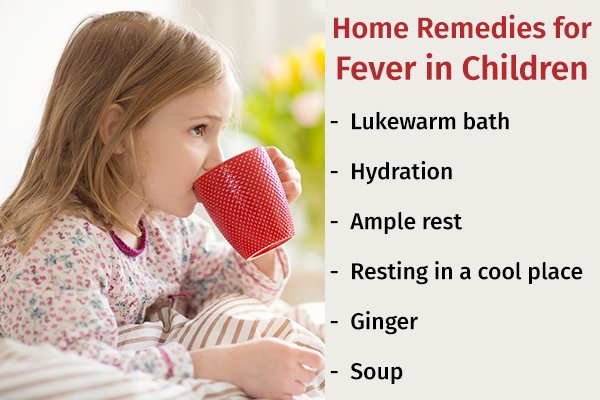
While most fevers in children are not serious and can be managed at home, there are instances when it’s crucial to seek medical advice. Contact your child’s healthcare provider if their fever persists for more than a few days, they are experiencing severe symptoms, or you are concerned about their health. Your healthcare provider can provide guidance on appropriate management and any necessary interventions.
Home Remedies vs. Medical Intervention:
When your child has a fever, it’s natural to want to ease their discomfort at home. However, it’s important to remember that home remedies may not always be sufficient, especially in cases of high or persistent fever. Your healthcare provider can guide you on the appropriate use of over-the-counter medications or if further medical intervention is necessary.
Follow-up Care for Febrile Children:
After your child has recovered from a fever, it’s important to provide follow-up care to ensure their well-being. Keep an eye out for any lingering symptoms or signs of relapse and stay in touch with your child’s healthcare provider if needed. Providing appropriate follow-up care helps ensure your child’s health and prevents any potential complications.
Educating and Empowering Caregivers
Providing Information on Fever Management:
Empowering caregivers with knowledge on fever management is essential for their child’s well-being. Educate yourself on the causes, symptoms, and appropriate measures to take when your child has a fever. Being informed not only helps you make better decisions but also enables you to provide the best care possible for your child.
Promoting Awareness of Preventive Measures:
Spread awareness about preventive measures for fevers among other caregivers in your community. Discuss the importance of good hygiene practices, vaccinations, and healthy lifestyle habits. By working together to implement preventive measures, you can help create a healthier and safer environment for children.
Offering Support and Guidance:
Being a caregiver can be overwhelming, especially when your child is unwell. Offer support and guidance to other caregivers in your community who may be dealing with fevers in their children. Share your experiences, tips, and resources, and encourage open communication. Together, you can support each other in providing the best care for your children.