
Fevers are a common occurrence in children, and as a concerned parent, it is important for you to have a clear understanding of what exactly a fever means and how to handle it. In this article, we will delve into the world of childhood fevers, shedding light on the causes, symptoms, and appropriate actions to take when your little one is running a temperature. So, sit back, relax, and let’s unravel the mystery of fever in children together!
What is Fever?
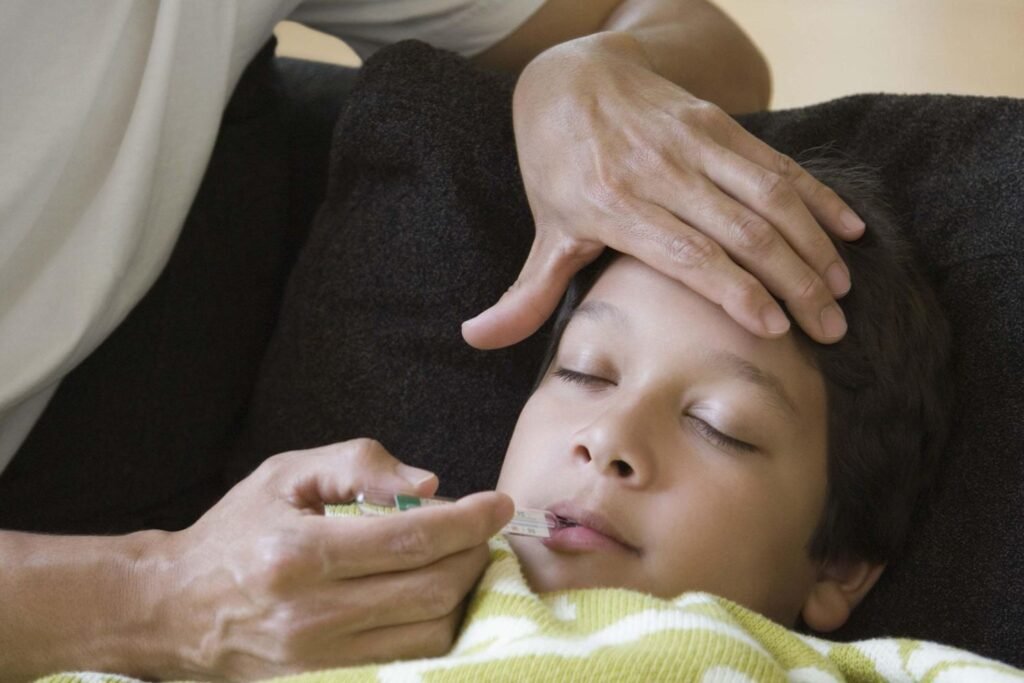
Fever is a temporary increase in body temperature, usually in response to an infection or illness. It is a common symptom in children and is often a sign that the body is fighting off an infection. While it can be worrisome for parents, it is important to remember that fever itself is not harmful and is actually a natural defense mechanism of the body.
Definition of Fever
Fever is defined as a body temperature above the normal range of 97-99 degrees Fahrenheit (36-37 degrees Celsius). It is considered elevated when the temperature exceeds 100.4 degrees Fahrenheit (38 degrees Celsius).
How is Fever Measured?
Fever can be measured using various types of thermometers. Some common types include oral thermometers, ear (tympanic) thermometers, axillary (underarm) thermometers, temporal artery thermometers, and pacifier thermometers. Each method has its advantages and limitations, but it is important to use a reliable thermometer and follow the manufacturer’s guidelines for accurate measurements.
Signs and Symptoms of Fever
In addition to an elevated body temperature, there are several signs and symptoms that may accompany a fever in children. These can include flushed skin, sweating, chills, headache, muscle aches, fatigue, and decreased appetite. It is also common for children to experience irritability and restlessness when they have a fever.
Causes of Fever in Children
Fever in children can be caused by various factors, including viral and bacterial infections, immunizations, teething, and overdressing.
Viral Infections
Viral infections, such as the common cold, flu, or viral gastroenteritis, are common causes of fever in children. These infections are typically self-limiting and resolve on their own with rest and supportive care.
Bacterial Infections
Bacterial infections, such as strep throat, urinary tract infections, or pneumonia, can also lead to fever in children. These infections usually require medical treatment with antibiotics.
Immunizations
Some vaccines, particularly those that contain live viruses, can cause a low-grade fever as a normal immune response. This is typically a mild and temporary side effect.
Teething
Teething is often associated with a slight increase in body temperature, but it is usually not considered a true fever. The discomfort from teething can be relieved with teething rings or gently massaging the gums.
Overdressing
Overdressing or being in a hot environment can lead to an elevation in body temperature and may result in a fever in children. It is important to dress children appropriately for the weather and avoid overheating.
When to Worry
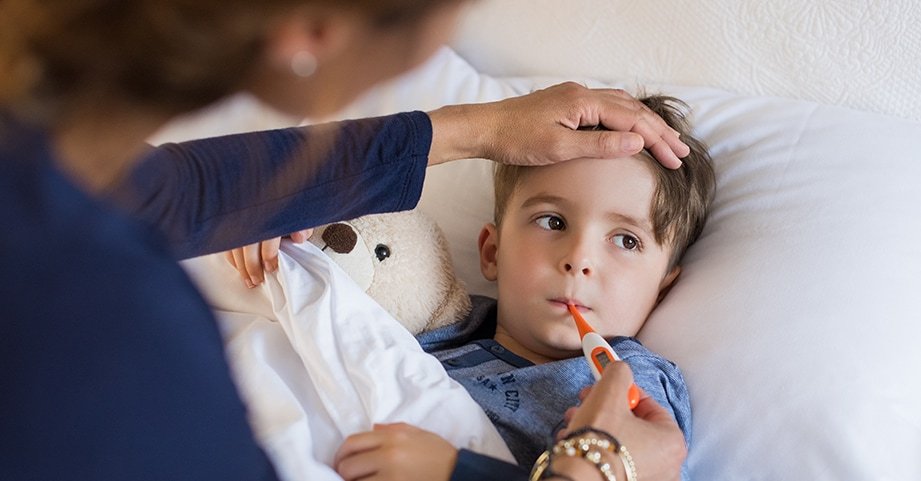
While fever itself is usually not a cause for concern, there are certain circumstances in which it is important to seek medical attention for your child.
High Fever
A high fever, typically defined as a temperature of 103 degrees Fahrenheit (39.4 degrees Celsius) or higher, should prompt immediate medical evaluation. High fevers can be a sign of a serious infection or other underlying medical condition.
Persistent Fever
If your child has a fever that lasts longer than a few days or does not respond to over-the-counter fever-reducing medications, it is recommended to seek medical advice. Persistent fevers can indicate a more significant infection or problem.
Accompanying Symptoms
If your child’s fever is accompanied by other concerning symptoms such as severe headache, rash, difficulty breathing, seizures, or signs of dehydration, it is important to seek immediate medical attention. These symptoms may indicate a more serious underlying condition that requires urgent evaluation and treatment.
Home Remedies to Reduce Fever
In most cases, fever can be managed at home with simple remedies and supportive care. It is important to ensure your child remains hydrated and comfortable.
Maintaining Hydration
Encourage your child to drink plenty of fluids, such as water, clear soups, and electrolyte solutions, to prevent dehydration. It is important to offer fluids frequently, especially if your child is not eating well.
Rest and Sleep
Allow your child to rest and sleep as much as needed. Rest helps the body conserve energy and focus on fighting off the infection.
Dress Appropriately
Dress your child in light and breathable clothing to help regulate body temperature. Avoid overdressing or bundling your child too tightly.
Cooling Techniques
Cooling techniques, such as lukewarm sponge baths or placing a cool cloth on the forehead, can help relieve discomfort and reduce fever. Avoid using cold water or ice, as this can cause shivering and increase body temperature.
Over-the-Counter Medications
Over-the-counter fever reducers, such as acetaminophen or ibuprofen, can be used to help reduce fever and relieve associated symptoms. It is important to follow the recommended dosage based on your child’s age and weight, and consult a healthcare professional if you have any concerns.
Medical Treatments for Fever
In certain cases, medical treatments may be necessary to manage fever in children.
Antipyretic Medications
Antipyretic medications, such as acetaminophen or ibuprofen, may be prescribed by a healthcare professional to lower fever and provide relief if home remedies are not effective. It is important to follow the recommended dosage and consult a healthcare professional if the fever persists or worsens.
Medical Evaluation
If your child’s fever is persistent, high, or accompanied by concerning symptoms, a medical evaluation may be necessary to identify the underlying cause. Diagnostic tests, such as blood tests or imaging studies, may be ordered to determine the cause of the fever.
Hospitalization
In rare cases, hospitalization may be required for children with severe infections or complications from fever. Hospitalization allows for close monitoring and administration of necessary treatments, such as intravenous fluids or antibiotics.
Preventing Fever in Children
While it is not always possible to prevent fever in children, there are certain measures that can help reduce the risk of infections and subsequent fevers.
Hand Hygiene
Teach your child the importance of good hand hygiene, including proper handwashing techniques with soap and water for at least 20 seconds. Hand sanitizer can be used when soap and water are not readily available.
Vaccinations
Following the recommended immunization schedule for your child can help prevent many illnesses and reduce the risk of fevers associated with vaccine-preventable diseases.
Proper Nutrition
A balanced diet rich in fruits, vegetables, whole grains, and lean proteins can support a healthy immune system and reduce the risk of infections.
Avoid Overcrowded Places
Limiting your child’s exposure to crowded places or those with a high risk of infection, especially during peak seasons for viral illnesses, can help reduce the risk of developing a fever.
Importance of Fever in Fighting Infections
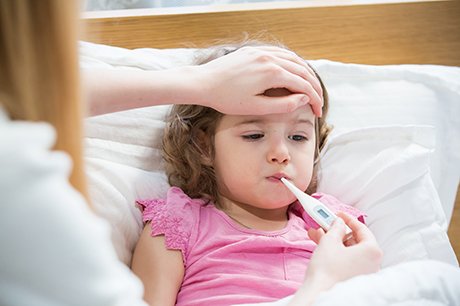
While fever can be uncomfortable for children, it plays a crucial role in the body’s defense against infections.
How Fever helps the Body
Fever activates the immune system and stimulates the production of white blood cells and antibodies, which are essential for fighting off infections. It can also inhibit the growth and replication of certain bacteria and viruses.
When Fever is Beneficial
In many cases, fever is a beneficial response to infection and helps the body recover more quickly. It is important to support the body’s natural defense mechanisms by providing adequate rest, hydration, and appropriate medical care when needed.
Different Types of Thermometers
There are several types of thermometers available to measure body temperature in children. Each type has its advantages and may be more suitable for different age groups and situations.
Oral Thermometers
Oral thermometers are placed under the tongue to measure body temperature. They are recommended for children who can hold the thermometer properly and keep their mouth closed during measurement.
Ear (Tympanic) Thermometers
Ear thermometers use infrared technology to measure the temperature inside the ear. They are quick and convenient, but it is important to position the thermometer correctly for accurate readings.
Axillary (Underarm) Thermometers
Axillary thermometers are placed under the armpit to measure body temperature. They are often used in infants and young children who may not be able to cooperate with other methods.
Temporal Artery Thermometers
Temporal artery thermometers use infrared technology to measure body temperature by scanning the forehead. They are non-invasive and provide quick results, making them suitable for children of all ages.
Pacifier Thermometers
Pacifier thermometers are designed to measure body temperature while the child sucks on the pacifier. They are primarily used for infants and young children but may not be as accurate as other methods.
Recognizing Danger Signs
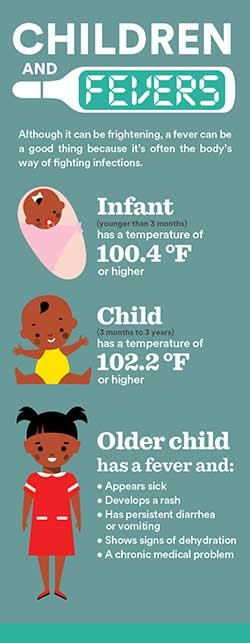
While most fevers in children are harmless and resolve on their own, there are certain danger signs that warrant immediate medical attention.
Seizures
Seizures, especially those accompanied by a high fever, require emergency medical attention. If your child experiences a seizure, stay calm, protect them from injury, and call for help.
Dehydration
Signs of dehydration, such as dry mouth, sunken eyes, decreased urination, or lethargy, indicate a more serious condition and require prompt medical evaluation. Encourage your child to drink fluids and seek medical help if dehydration is suspected.
Rash
A rash that develops or worsens with fever may indicate an allergic reaction, infection, or another underlying problem. It is important to seek medical advice for evaluation and appropriate treatment.
Lethargy
If your child is unusually lethargic, has difficulty waking up, or is not responsive, it may be a sign of a serious infection or complication. Seek immediate medical attention.
Stiff Neck
A stiff neck, especially when accompanied by a high fever and headache, may be a sign of meningitis—a potentially life-threatening infection. Urgent medical evaluation is necessary if these symptoms are present.
Difficulty Breathing
Difficulty breathing, rapid breathing, or severe chest pain with fever can be signs of a respiratory infection or other serious condition. Seek immediate medical help if these symptoms occur.
Seeking Medical Help
While fever in children is usually not a cause for alarm, there are certain situations in which it is important to seek medical help.
Consulting the Pediatrician
If you are concerned about your child’s fever or if their symptoms worsen or persist despite home care, it is always a good idea to consult their pediatrician. A healthcare professional can provide guidance and recommend appropriate next steps.
Emergency Situations
If your child’s fever is accompanied by any of the danger signs mentioned earlier or if you are unable to reach their pediatrician, it is important to seek emergency medical care. Trust your instincts and call for help if you believe your child’s health is in immediate danger.
In conclusion, fever in children is a common occurrence and is usually a sign that the body is fighting off an infection. While it can be concerning for parents, it is important to understand that fever itself is not harmful and is actually a natural defense mechanism. By understanding the causes of fever, recognizing danger signs, and knowing when to seek medical help, you can effectively manage your child’s fever and promote their overall health and well-being. Remember to always consult a healthcare professional if you have any concerns or questions about your child’s health.