
Having a fever as an adult can be a discomforting experience, affecting your day-to-day activities and leaving you feeling drained. However, there’s no need to panic, as there are several effective home remedies that can help alleviate the symptoms. From staying hydrated and resting, to using cool compresses and consuming certain foods, this article explores a range of simple and accessible methods that can assist in reducing fever and promoting a speedy recovery. So, whether you’re seeking natural remedies or wanting to complement medical treatment, these home remedies are here to provide you with the relief you’re looking for.

1. Hydration
When you’re suffering from a fever, it’s crucial to stay hydrated. Drinking plenty of fluids helps to replenish your body and flush out toxins. Make sure to drink water, fruit juices, and clear broths throughout the day. Additionally, consuming electrolyte-rich drinks can be beneficial as they help to restore the electrolyte balance in your body. Electrolyte drinks like sports drinks or coconut water can help replenish vital minerals like potassium and sodium. Another hydrating option is sipping on herbal teas, such as chamomile or peppermint tea, which can soothe your throat and provide additional hydration.
2. Rest
Getting enough rest is essential when you have a fever. Your body needs time to recover and fight off the infection that’s causing your fever. Make sure to prioritize sleep and aim for at least 7-8 hours of uninterrupted sleep each night. Avoid engaging in strenuous activities that can further drain your energy. Instead, take breaks throughout the day to rest and relax. This can help your body recover more quickly and allow your immune system to work efficiently.

3. Temperature Control
One of the discomforting symptoms of a fever is feeling overheated. To help alleviate this, you can try using a damp cloth or sponge to cool down your body. Simply wet the cloth or sponge with cool water and gently pat it on your forehead, neck, and wrists. Another option is to take a lukewarm bath or shower. This can help bring down your body temperature and provide temporary relief. Additionally, applying cold packs or ice packs on your forehead or the back of your neck can offer a cooling sensation and help reduce your fever.
4. Herbal Remedies
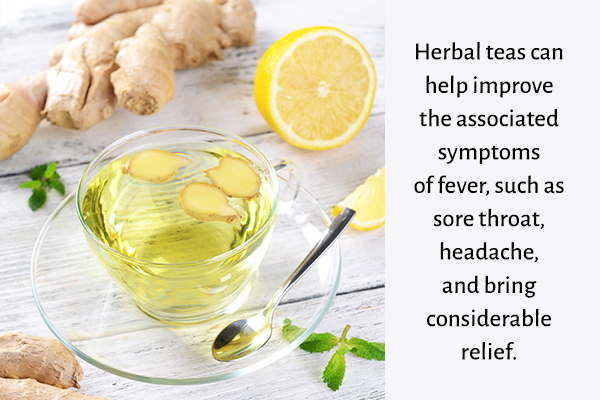
Many herbal remedies have been used for centuries to alleviate fever symptoms. Drinking chamomile tea can help calm your mind and relax your body, making it easier for you to sleep and rest. Ginger and turmeric are known for their anti-inflammatory properties and can be taken as supplements to help reduce fever and relieve symptoms. If you prefer a more savory option, consuming garlic or onion soup can also provide benefits due to their immune-boosting properties.

5. Honey and Lemon
A combination of honey and lemon has been used for centuries as a natural remedy for coughs and sore throats. When you have a fever, mixing honey and lemon in warm water can help soothe your throat and provide relief. Sip on this mixture throughout the day to keep yourself hydrated and enjoy the benefits of honey’s antibacterial properties and lemon’s vitamin C content. Another delicious way to enjoy honey and lemon is by making popsicles. Simply mix honey and lemon juice, pour them into popsicle molds, and freeze them. These popsicles can provide a cooling and soothing sensation when you’re feeling feverish.
6. Essential Oils
Using essential oils can offer a natural way to alleviate fever symptoms and promote relaxation. Diffusing eucalyptus or peppermint oil in your room can help clear your airways and provide a refreshing scent. You can also apply diluted lavender oil to your temples and neck to help relieve headaches and induce a sense of calm. Inhaling steam infused with essential oils, such as eucalyptus or peppermint, can also provide respiratory relief and help reduce fever symptoms.
7. Apple Cider Vinegar
Apple cider vinegar is a versatile ingredient that can be used for various health purposes, including alleviating fever symptoms. Mixing apple cider vinegar with warm water creates a soothing solution that can be gargled to ease a sore throat. The antimicrobial properties of apple cider vinegar can help kill bacteria and reduce inflammation. Additionally, taking a bath with added apple cider vinegar can provide a refreshing sensation and help regulate your body temperature.
8. Soups and Broths
Consuming soups and broths when you have a fever can provide comfort and nourishment. Chicken noodle soup, in particular, has been a go-to remedy for many years. The warm broth helps to soothe the throat and the vegetables and chicken provide essential nutrients. Hot vegetable broth is another excellent option as it provides hydration and essential vitamins and minerals. If you prefer a lighter option, miso soup is a clear and warm broth that can be beneficial during a fever.

9. Natural Anti-Inflammatories
Including natural anti-inflammatories in your diet can help reduce fever symptoms. Turmeric milk with black pepper is a traditional remedy that combines the anti-inflammatory properties of turmeric with the absorption benefits of black pepper. This warm and comforting beverage can help soothe your body and reduce inflammation. Consuming foods rich in omega-3 fatty acids, such as fatty fish or flaxseeds, can also have anti-inflammatory effects. Additionally, incorporating probiotics into your diet, either through supplements or fermented foods like yogurt, can support your immune system and help reduce inflammation.
10. Over-the-Counter Medications
In some cases, over-the-counter medications may be necessary to manage fever symptoms. If your fever persists or becomes very high, it is important to consult a healthcare professional for guidance. They can recommend the appropriate pain relievers, such as acetaminophen or ibuprofen, and provide you with the correct dosage instructions based on your specific condition. It’s crucial to follow the recommended doses and avoid combining different medications without consulting a healthcare professional first.
By following these home remedies, you can help alleviate the symptoms of fever and support your body’s natural healing process. Remember to listen to your body, rest when needed, and prioritize hydration and nutrition to assist your body in fighting off the infection. If your symptoms worsen or persist, make sure to seek medical advice from a healthcare professional for further evaluation and guidance.