In this informative article, you will gain valuable insights into recognizing the symptoms of gallstones. These tiny, yet mighty, stones can cause discomfort and pain if left untreated. By understanding the warning signs, you can take proactive steps to seek appropriate medical attention and prevent further complications. So, grab a cup of tea and prepare to learn how to spot the symptoms of gallstones like a pro!
Overview of Gallstones
Definition of gallstones
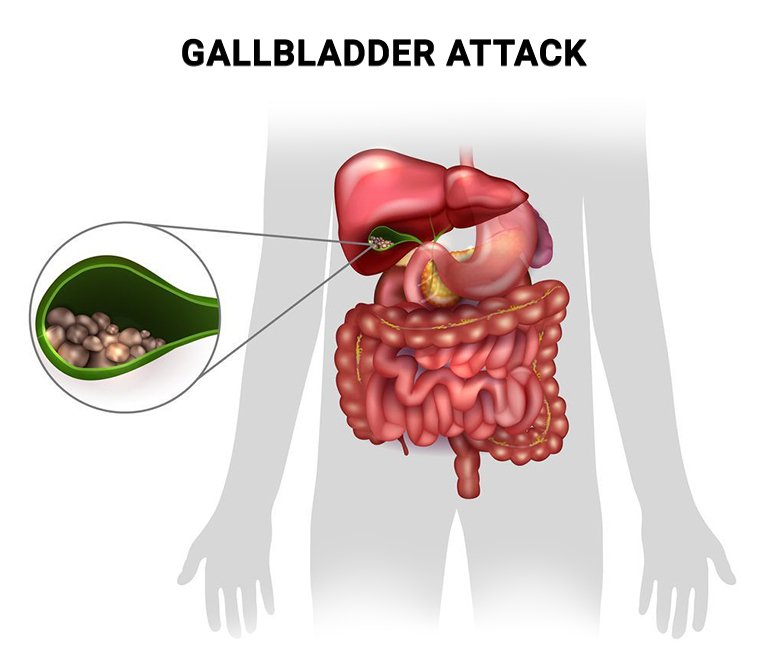
Gallstones are hard deposits that form in the gallbladder, which is a small organ located beneath the liver. These deposits are typically composed of cholesterol or bilirubin, a yellow pigment produced by the breakdown of red blood cells. Gallstones come in different sizes and can range from being as small as a grain of sand to as large as a golf ball.
Causes of gallstones
The exact cause of gallstones is still unclear, but there are several contributing factors that can increase the risk of developing them. One of the main causes is an imbalance in the substances that make up bile, a digestive fluid produced by the liver. When there is an excessive amount of cholesterol or bilirubin in the bile, it can lead to the formation of gallstones. Other factors that can contribute to the development of gallstones include a sluggish gallbladder, certain medical conditions, genetics, and obesity.
Types of gallstones
There are two main types of gallstones: cholesterol stones and pigment stones. Cholesterol stones are the most common type, making up about 80% of all gallstones. They form when there is an excess of cholesterol in the bile. Pigment stones, on the other hand, are made up of bilirubin and are less common. These stones typically occur in people with certain medical conditions, such as liver cirrhosis or blood disorders.
Risk Factors for Gallstones
Gender
Women are more prone to developing gallstones than men. Hormonal changes, such as those that occur during pregnancy or the use of hormone replacement therapy, can increase the risk of gallstone formation in women.
Age
As you age, your risk of developing gallstones increases. Gallstones are more common in people over the age of 40, and the risk continues to rise with each passing decade.
Genetics
If someone in your family has had gallstones, you may be more likely to develop them as well. Genetics can play a role in the formation of gallstones, although the exact mechanisms are still not fully understood.
Obesity
Being overweight or obese is a significant risk factor for gallstones. Excess weight can lead to increased cholesterol levels in the bile, making it more likely for gallstones to form.
Pregnancy
Hormonal changes during pregnancy can affect the gallbladder, leading to an increased risk of gallstones. Additionally, the release of estrogen during pregnancy can increase cholesterol levels in the bile.
Diet
A diet high in fat and cholesterol and low in fiber can contribute to the formation of gallstones. Consuming excessive amounts of unhealthy fats, such as saturated fats and trans fats, can raise cholesterol levels in the bile.
Certain medical conditions
Certain medical conditions, such as liver cirrhosis, hemolytic anemia, and Crohn’s disease, can increase the risk of gallstone formation. These conditions can disrupt the normal functioning of the gallbladder and bile production.

Symptoms of Gallstones
Silent gallstones
Silent gallstones are gallstones that do not cause any symptoms. Many people with gallstones are unaware of their presence because they do not experience any pain or discomfort. Silent gallstones are often discovered incidentally during medical imaging tests for unrelated reasons.
Stones in the bile ducts
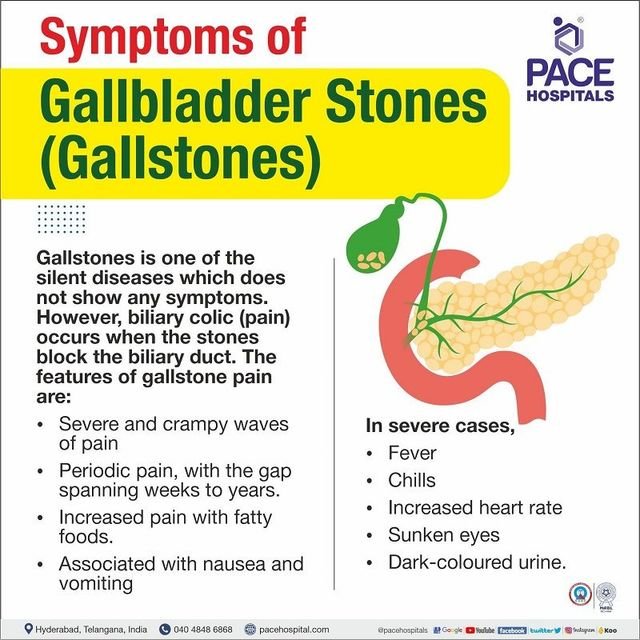
If gallstones travel from the gallbladder and get stuck in the bile ducts, they can cause a blockage. This can lead to a condition called biliary colic, which is characterized by severe abdominal pain that typically comes and goes. The pain may be accompanied by bloating, gas, and indigestion.
Gallstone colic
Gallstone colic refers to the intense pain that occurs when a gallstone obstructs the bile duct. The pain is usually felt in the upper right side of the abdomen and can radiate to the back or shoulder. The pain may last for several hours and can be accompanied by nausea, vomiting, and sweating.
Acute cholecystitis
Acute cholecystitis occurs when a gallstone blocks the cystic duct, leading to inflammation of the gallbladder. Symptoms of acute cholecystitis include constant abdominal pain, often on the right side, as well as fever, nausea, and vomiting.
Choledocholithiasis
Choledocholithiasis is a condition where gallstones become lodged in the common bile duct, which carries bile from the liver to the small intestine. This can cause a blockage, resulting in symptoms such as jaundice (yellowing of the skin and eyes), abdominal pain, fever, chills, and itchy skin.
Silent Gallstones
Definition of silent gallstones
Silent gallstones, also known as asymptomatic gallstones, are gallstones that do not cause any symptoms. They are often discovered incidentally during imaging tests performed for other medical conditions.
Absence of symptoms
People with silent gallstones do not experience any pain or discomfort in the abdomen or other related symptoms. The gallstones are present in the gallbladder but do not cause any disturbances in its normal functioning.
Risk of complications
Although silent gallstones may not cause symptoms, they can still pose a risk of complications. In some cases, silent gallstones can grow in size and eventually lead to symptoms or complications, such as biliary colic, acute cholecystitis, or choledocholithiasis. Therefore, it is important to monitor silent gallstones and seek medical attention if symptoms arise.
Need for treatment
Not all silent gallstones require treatment. In many cases, if the gallstones are not causing any symptoms or complications, they can be left untreated. However, if a person with silent gallstones starts experiencing symptoms or if complications arise, treatment options may need to be considered, such as gallbladder removal surgery or nonsurgical approaches.

Stones in the Bile Ducts
Definition of stones in the bile ducts
Stones in the bile ducts, also known as biliary stones or choledocholithiasis, occur when gallstones travel from the gallbladder and become lodged in the bile ducts. This can cause a blockage and disrupt the normal flow of bile.
Biliary colic
When a gallstone obstructs the bile duct, it can cause a condition known as biliary colic. Biliary colic is characterized by severe, cramp-like abdominal pain that usually occurs in the upper right side. The pain can be intermittent and may be accompanied by other symptoms such as bloating, gas, and indigestion.
Jaundice
If a gallstone blocks the common bile duct, it can prevent the flow of bile into the intestine. This can lead to a buildup of bilirubin in the bloodstream, resulting in jaundice. Jaundice is characterized by a yellowing of the skin, eyes, and mucous membranes.
Fever and chills
A blockage in the bile duct can cause an infection in the bile, leading to symptoms such as fever and chills. These symptoms may indicate a more severe complication and should be evaluated by a healthcare professional.
Pale stools and dark urine
Stones in the bile ducts can disrupt the normal flow of bile, which can affect the color of stools and urine. Pale or clay-colored stools and dark urine are common signs of a bile duct obstruction and require medical attention.
Gallstone Colic
Definition of gallstone colic
Gallstone colic refers to the severe abdominal pain that occurs when a gallstone blocks the bile duct. It is often described as a sudden, intense pain in the upper right side of the abdomen, although it can radiate to the back or shoulder.
Severe abdominal pain
The hallmark symptom of gallstone colic is severe abdominal pain. The pain is usually sharp and cramp-like, and it can be debilitating. The intensity of the pain can vary from person to person, but it is often described as one of the worst pains a person can experience.
Pain duration and location
The pain of gallstone colic typically lasts for several hours and may come and go. It is commonly felt in the upper right side of the abdomen, just below the ribcage. Some people may also experience referred pain in the back or right shoulder.
Vomiting and nausea
Along with the intense pain, gallstone colic can cause nausea and vomiting. These symptoms may be triggered by the severe abdominal pain or as a result of the body’s response to the blockage in the bile duct.
Relief after pain passes
The pain of gallstone colic often resolves once the gallstone passes through the bile duct and into the intestine. The relief is usually sudden and can be accompanied by a sense of pressure being released in the abdomen. However, it is important to seek medical attention after an episode of gallstone colic, as further evaluation and treatment may be necessary.
Acute Cholecystitis
Definition of acute cholecystitis
Acute cholecystitis is a condition characterized by inflammation of the gallbladder, usually resulting from a blockage in the cystic duct caused by a gallstone. It is a potentially serious condition that requires immediate medical attention.
Constant abdominal pain
One of the primary symptoms of acute cholecystitis is constant abdominal pain, often on the right side. The pain may be severe and persistent, and it can worsen with movement or deep breathing. It may also radiate to the back or right shoulder.
Fever
Acute cholecystitis can cause a fever, which is often accompanied by other signs of infection, such as chills and sweating. The presence of a fever indicates that the inflammation caused by the gallstone has led to an infection in the gallbladder.
Nausea and vomiting
Nausea and vomiting are common symptoms of acute cholecystitis. These symptoms can be a result of the inflamed gallbladder and the body’s response to the infection.
Tenderness in the abdomen
The abdomen may be tender to the touch in cases of acute cholecystitis. The area over the gallbladder, which is located in the upper right side of the abdomen, may feel tender or painful when pressure is applied.
Choledocholithiasis
Definition of choledocholithiasis
Choledocholithiasis refers to the presence of gallstones in the common bile duct, which is responsible for carrying bile from the liver to the small intestine. This condition occurs when gallstones migrate from the gallbladder and become lodged in the bile duct.
Jaundice
A blockage in the common bile duct can lead to a buildup of bilirubin in the bloodstream, resulting in jaundice. Jaundice is characterized by a yellowing of the skin, eyes, and mucous membranes.
Abdominal pain
Choledocholithiasis can cause abdominal pain, typically in the upper right side of the abdomen. The pain may be severe and cramp-like, similar to the pain experienced in other gallstone-related conditions.
Fever and chills
When a gallstone in the bile duct causes a blockage, it can lead to an infection in the bile, resulting in symptoms such as fever and chills. These symptoms indicate the presence of an infection and should be evaluated by a healthcare professional.
Itchy skin
The buildup of bilirubin in the bloodstream can cause itching, a condition known as pruritus. Itchy skin is often a result of jaundice and can be one of the symptoms of choledocholithiasis.

Complications of Gallstones
Cholangitis
Cholangitis is a serious complication of gallstones that occurs when the bile ducts become infected due to blockage by a gallstone. It can lead to symptoms such as fever, chills, abdominal pain, and jaundice. Prompt medical treatment is necessary to prevent the spread of infection and to relieve the blockage.
Acute pancreatitis
If a gallstone blocks the pancreatic duct, it can cause inflammation of the pancreas, a condition known as acute pancreatitis. Symptoms of acute pancreatitis include severe abdominal pain, nausea, vomiting, and fever. Acute pancreatitis requires immediate medical attention as it can be life-threatening.
Gangrene of the gallbladder
In rare cases, a gallstone lodged in the gallbladder can lead to the death of the gallbladder tissue, resulting in gangrene. Gangrene of the gallbladder is a medical emergency and requires urgent surgical intervention to remove the infected tissue.
Gallbladder cancer
Although rare, long-standing gallstones can increase the risk of developing gallbladder cancer. Chronic inflammation and irritation caused by gallstones can contribute to the formation of cancerous cells in the gallbladder. Regular check-ups and monitoring of gallstones are crucial to detect any potential signs of gallbladder cancer early.
When to See a Doctor
Persistent abdominal pain
If you experience persistent abdominal pain, especially in the upper right side, it is important to seek medical attention. Gallstone-related pain can vary in intensity, but if the pain does not go away or worsens over time, it may indicate a more serious condition.
Yellowing of the skin and eyes
Jaundice, characterized by yellowing of the skin and eyes, is a significant symptom that requires immediate medical evaluation. It can be a sign of a bile duct blockage or other complications related to gallstones.
Fever and chills
If you develop a fever and experience chills, it may indicate an infection related to gallstones. It is important to seek medical attention promptly to prevent the infection from spreading.
Nausea and vomiting
Persistent nausea and vomiting, especially when accompanied by other symptoms like abdominal pain or fever, should not be ignored. These symptoms can be indications of a more serious condition related to gallstones.
Recognizing the symptoms of gallstones and understanding the associated risk factors, types, and complications is important for timely diagnosis and treatment. If you experience any symptoms or have concerns about gallstones, it is advisable to consult with a healthcare professional for proper evaluation and management.