
If you’ve ever wondered about genital warts — what they are, how they come about, and how to treat them — you’re in the right place. In this article, we’ll explore all you need to know about genital warts. From understanding the symptoms to unraveling the causes, and finally, discovering effective treatment options, we’ve got you covered. So, let’s dive right in and equip you with the knowledge to navigate this topic with ease.
Understanding Genital Warts: Symptoms, Causes, and Treatment
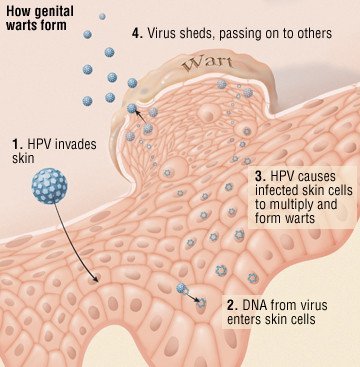
Genital warts are a common sexually transmitted infection caused by the human papillomavirus (HPV). They are characterized by small, flesh-colored or gray bumps that appear in the genital or anal area. Genital warts can recur even after treatment, so it’s important to understand their symptoms, causes, and available treatment options.
What are Genital Warts?
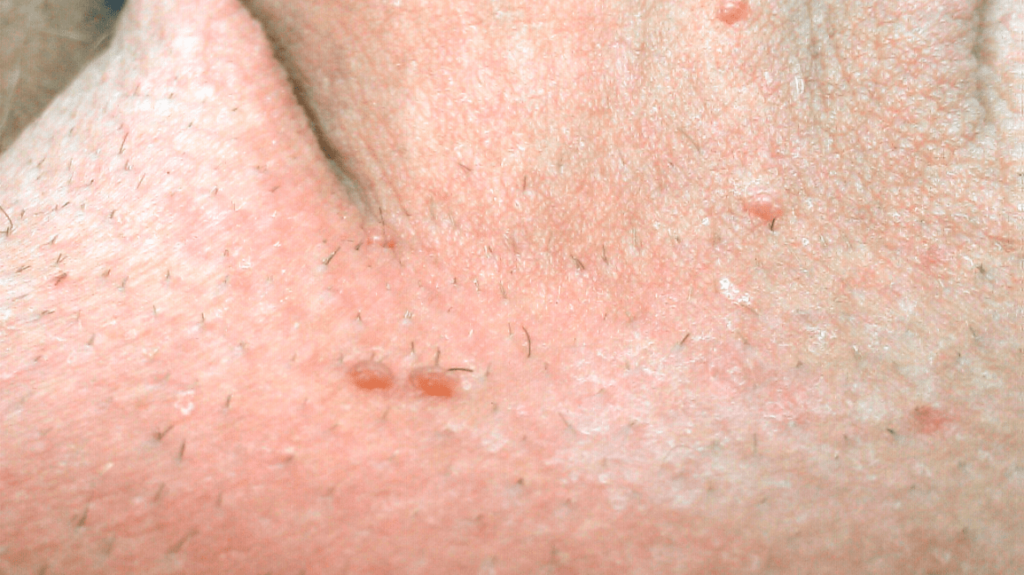
Genital warts, also known as condylomata acuminata, are growths that occur on the external genitalia, perineum, and rectum. They are caused by certain strains of the human papillomavirus (HPV), usually types 6 and 11. These warts may vary in size and shape, ranging from tiny, flat lesions to larger, cauliflower-like clusters.
Appearance
Genital warts can have a wide range of appearances. They may be small and flat, or they may grow into larger, raised, and bumpy clusters resembling cauliflower. These warts may occur as a single growth or be present in multiple areas. In women, genital warts can develop on the vulva, cervix, or inside the vagina. In men, they commonly appear on the penis, scrotum, or anus.
Transmission
Genital warts are primarily transmitted through sexual contact, including vaginal, anal, or oral sex. It’s important to note that you can still contract HPV and develop genital warts even if you have had no visible warts or symptoms in the past. The virus can be spread through skin-to-skin contact, even without the presence of open sores or visible warts.
Symptoms of Genital Warts
The symptoms of genital warts can vary from person to person. While some individuals may have visible warts, others may experience more subtle symptoms. It’s important to be aware of the following signs that may indicate the presence of genital warts:
Visible Warts
The most common symptom of genital warts is the presence of visible warts in the genital or anal area. These warts can range in size and appearance, from small, flat growths to larger, raised clusters. They may have a flesh-colored or grayish appearance and can sometimes be confused with other skin conditions such as skin tags or moles.
Itching and Discomfort
Some individuals with genital warts may experience itching or discomfort in the affected area. This can be particularly bothersome if the warts are located in areas that come into contact with clothing or during sexual activity. It’s important to avoid scratching or picking at the warts, as this can lead to further irritation or infection.
Bleeding
In rare cases, genital warts may bleed, especially if they are irritated or traumatized. This can occur during sexual intercourse, physical activity, or when applying pressure to the affected area. If you notice any bleeding from your genital warts, it’s important to seek medical attention.
Increased Moisture
Genital warts can sometimes cause an increase in moisture or discharge in the affected area. This can contribute to feelings of discomfort or a sense of uncleanliness. If you notice any changes in moisture levels or unusual discharge, it’s important to consult a healthcare professional for further evaluation.
Presence of Abnormal Discharge
In some cases, genital warts may be associated with abnormal discharge from the vagina or penis. This can range from a light, watery discharge to a thicker, colored discharge. If you experience any changes in your usual discharge pattern, it’s important to discuss this with your healthcare provider.
Causes of Genital Warts
Genital warts are caused by the human papillomavirus (HPV), specifically types 6 and 11. HPV is a common sexually transmitted infection that can be spread through various forms of sexual activity. Understanding the causes of genital warts can help in preventing their transmission and recurrence.
Human Papillomavirus (HPV)
Genital warts are caused by certain strains of HPV, primarily types 6 and 11. These types of HPV are considered low-risk because they do not typically lead to cervical or other types of cancer. However, they can cause genital warts and may still pose health risks.
Sexual Transmission
The most common mode of transmission for genital warts is through sexual activity. This includes vaginal, anal, and oral sex with an infected partner. The virus can be passed on even if the infected individual does not have visible warts or symptoms.
Skin-to-skin Contact
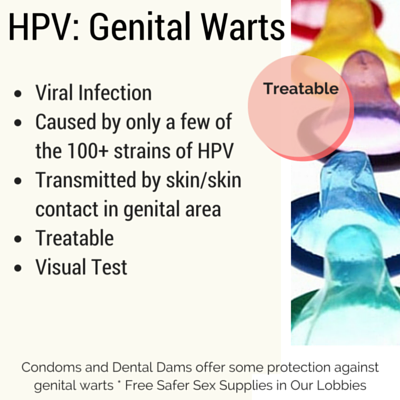
HPV can also be transmitted through direct skin-to-skin contact with an infected area, even without penetration or sexual intercourse. This can occur during foreplay, touching, or any other form of intimate contact. It’s important to note that using condoms or dental dams can reduce the risk of transmission, but they do not guarantee complete protection.
Non-Sexual Transmission
While rare, non-sexual transmission of genital warts can occur. This can happen through sharing personal items such as towels or underwear with an infected individual. It’s also possible for mothers to pass on the virus to their newborn during childbirth, although this is uncommon.
Risk Factors for Genital Warts
There are several factors that can increase the risk of developing genital warts. Understanding these risk factors can help individuals take preventive measures and seek appropriate medical care if needed.
Multiple Sexual Partners
Having multiple sexual partners can increase the risk of contracting HPV and developing genital warts. The more sexual partners an individual has, the higher the likelihood of coming into contact with the virus.
Unprotected Sex
Engaging in sexual activity without the use of barrier methods, such as condoms or dental dams, increases the risk of HPV transmission. While these measures are not foolproof, they can significantly lower the chances of contracting or spreading the virus.
Low Immune System
Individuals with a weakened immune system, such as those with HIV/AIDS or undergoing immunosuppressive therapy, have a higher risk of developing genital warts. A weakened immune system can make it more difficult for the body to clear the virus.
Age
Young adults and adolescents are more susceptible to HPV infections and subsequent development of genital warts. This may be due to increased sexual activity and lower immune responses in this age group. However, genital warts can occur at any age.
Complications of Genital Warts
While genital warts themselves are not cancerous, they can lead to certain complications if left untreated. Understanding these potential complications can help individuals seek prompt medical attention and appropriate treatment.
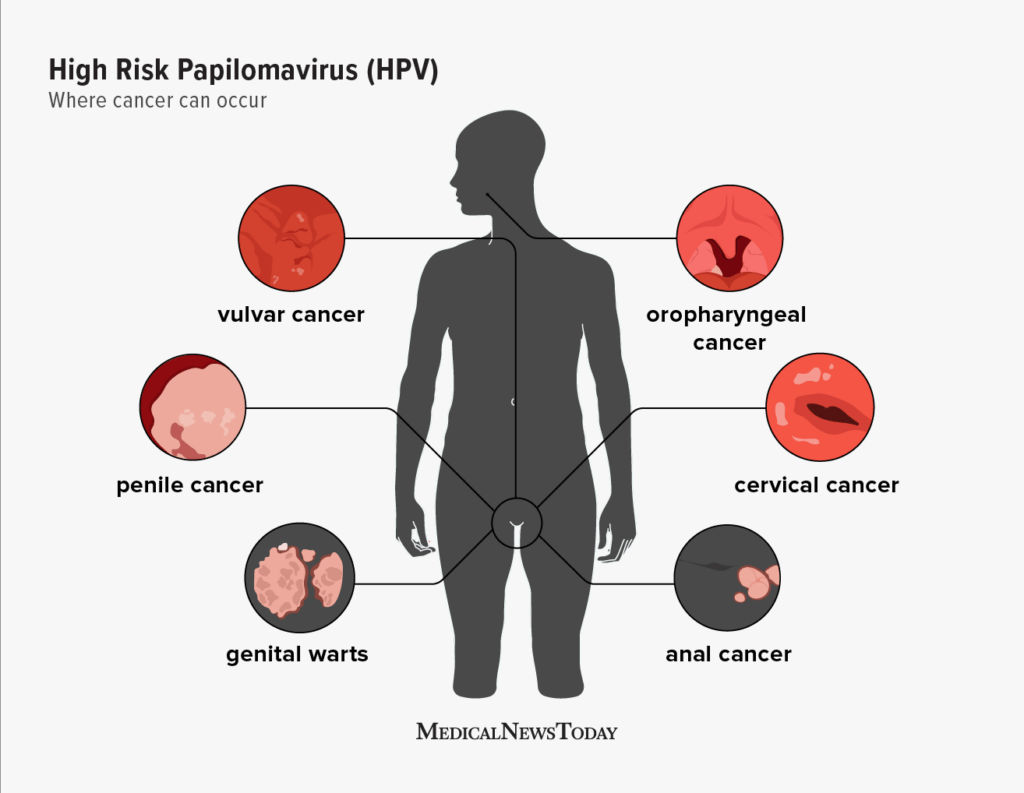
Cervical Cancer
Some strains of HPV, including those that cause genital warts, can increase the risk of developing cervical cancer in women. Regular Pap smears and HPV testing can help detect any abnormal changes in the cervix and prevent the progression to cancer.
Other Cancers
In addition to cervical cancer, certain types of HPV can also increase the risk of developing other cancers, including vaginal, vulvar, anal, penile, and throat cancer. These cancers are more prevalent in individuals with untreated or recurring genital warts.
Pregnancy and Childbirth
Genital warts can pose complications during pregnancy and childbirth. In some cases, the warts may grow in size and obstruct the birth canal, making a vaginal delivery difficult. If a woman has active genital warts at the time of delivery, there is a risk of transmitting the virus to the newborn.
Transmission to Newborn
In rare cases, an infant may acquire genital warts from an infected mother during childbirth. This can lead to the development of warts in the infant’s genital or anal area. It is important for pregnant women with genital warts to discuss appropriate management and preventive measures with their healthcare provider.
Diagnosis of Genital Warts
Proper diagnosis of genital warts is essential for determining the most appropriate treatment options. Healthcare providers use various methods to diagnose genital warts and assess their severity.
Physical Examination
A healthcare professional will typically conduct a physical examination to assess the presence of visible warts on or around the genital area. They may use a magnifying lens or special lighting to get a clearer view of the warts.
Pap Test
For women, a Pap test may be performed to examine any changes in cervical cells that may indicate the presence of HPV or cervical cancer. This test involves collecting a sample of cells from the cervix for analysis.
Biopsy
In some cases, a biopsy may be necessary to confirm the diagnosis of genital warts. During a biopsy, a small sample of tissue from an abnormal area is removed and sent to a laboratory for microscopic examination.
HPV DNA Test
An HPV DNA test may be recommended to detect the presence of high-risk HPV strains that are associated with cervical cancer. This test can determine if the woman is infected with the strains of HPV that are most likely to cause cancerous changes.
Prevention of Genital Warts
Prevention plays a crucial role in reducing the risk of genital warts. By adopting certain preventive measures, individuals can minimize their chances of contracting or spreading the infection.
Vaccination
Vaccination against HPV is one of the most effective ways to reduce the risk of genital warts. The HPV vaccine is recommended for both males and females, ideally before becoming sexually active. It can protect against the strains of HPV that are most likely to cause genital warts and certain cancers.
Safe Sexual Practices
Practicing safe sex is essential in preventing the transmission of HPV and other sexually transmitted infections. Using condoms or dental dams during sexual activity can provide some protection against HPV, although they do not guarantee complete prevention. Limiting the number of sexual partners and choosing partners who have been vaccinated against HPV can also reduce the risk.
Regular Check-ups
Regular check-ups with a healthcare provider are essential for early detection and prevention of genital warts. Routine screenings, such as Pap tests and HPV testing for women, can help identify any abnormalities or signs of HPV infection. Prompt diagnosis and treatment can minimize the risk of complications and reduce the spread of the infection.

Treatment Options for Genital Warts
Various treatment options are available for individuals diagnosed with genital warts. The choice of treatment depends on several factors, including the size, location, and number of warts, as well as the individual’s preferences and overall health.
Topical Medications
Topical medications, such as creams or solutions, can be applied directly to the warts to help eliminate them. These medications work by causing the warts to shed or by stimulating the body’s immune response to destroy the virus. It’s important to follow the healthcare provider’s instructions when using these medications.
Cryotherapy
Cryotherapy involves freezing the warts using liquid nitrogen. This procedure destroys the warts by causing cells to freeze and die. Multiple cryotherapy sessions may be required for complete clearance of the warts.
Electrocautery
Electrocautery involves burning the warts using an electrical current. This procedure destroys the warts by heating the tissue and causing it to break down. Local or general anesthesia may be used to minimize discomfort during the procedure.
Surgical Removal
Surgical removal of genital warts may be necessary for larger or more extensive warts that do not respond to other treatment options. This procedure involves cutting out or excising the warts using a surgical knife or scalpel. Local or general anesthesia may be used, depending on the extent of the surgery.
Laser Treatment
Laser treatment uses focused beams of light to destroy the warts. This procedure is often reserved for extensive or recurrent warts that have not responded to other treatments. Laser treatment can target the warts precisely while minimizing damage to the surrounding healthy tissue.
Home Remedies for Genital Warts
While there are various home remedies suggested for treating genital warts, it’s important to note that their effectiveness is not supported by scientific evidence. Home remedies can be potentially harmful and may lead to further complications or delayed proper treatment. It is always recommended to consult a healthcare professional for appropriate medical care and guidance.
When to See a Doctor
If you suspect you have genital warts or have been exposed to someone with genital warts, it’s important to seek medical attention. A healthcare professional can assess your symptoms, perform necessary tests, and recommend appropriate treatment options. It’s essential to see a doctor in the following situations:
Presence of Genital Warts
If you notice any unusual growths or changes in your genital or anal area, it’s important to see a healthcare professional for an accurate diagnosis. They can confirm if the growths are indeed genital warts or if further evaluation is required.
Changes in Warts
If you have been diagnosed with genital warts and notice any changes in size, color, or appearance of the warts, it’s important to seek medical attention. Changes in the warts may indicate a worsening condition or the need for a different treatment approach.
Warts Associated with Pain
Genital warts should not typically cause any pain or discomfort. If you experience pain, tenderness, or itching in the affected area, it is important to consult a healthcare professional. These symptoms may indicate an infection or another underlying issue that requires medical attention.
Signs of Infection
If the genital warts become red, swollen, or begin to discharge pus, it may indicate an infection. In such cases, it is important to seek immediate medical attention, as infections can lead to further complications if left untreated.
Concerns about HPV
If you have concerns about HPV or its potential complications, it’s important to discuss them with a healthcare professional. They can provide information about preventive measures, vaccination, and regular screenings to reduce the risk of genital warts and related health issues.
In conclusion, understanding the symptoms, causes, and treatment options for genital warts is essential for proper management and prevention. By being aware of the signs and risk factors associated with genital warts, practicing safe sex, seeking regular medical check-ups, and following appropriate treatment recommendations, you can minimize the impact of this common sexually transmitted infection. Remember, if you have any concerns or suspect you may have genital warts, it’s always best to consult a healthcare professional for accurate diagnosis and guidance.