
Have you ever wondered about the causes, symptoms, and treatment options for genital warts? Well, look no further! In this article, we will comprehensively explore all you need to know about this common sexually transmitted infection. Genital warts, caused by the human papillomavirus (HPV), can be both physically and emotionally distressing. We will discuss the various factors that contribute to the development of these warts and shed light on the different symptoms they may present. Additionally, we will delve into the available treatment options and provide valuable information to empower you in managing this condition effectively. So, let’s get started on our journey towards understanding genital warts and taking control of our sexual health!
Understanding Genital Warts: Causes, Symptoms, and Treatment
Genital warts, also known as condyloma acuminata, are a sexually transmitted infection caused by certain strains of the human papillomavirus (HPV). These small, flesh-colored bumps appear in the genital area and can cause discomfort and embarrassment. In this article, we will provide a comprehensive overview of genital warts, including their causes, symptoms, diagnosis, complications, prevention, treatment options, home remedies, and when to seek medical help.
Overview of Genital Warts
Definition of Genital Warts
Genital warts are a type of sexually transmitted infection characterized by small, raised bumps that appear in the genital area. They are caused by specific strains of the human papillomavirus (HPV) and can affect both men and women. Genital warts can vary in size, shape, and color and are commonly found on the penis, vulva, vagina, cervix, anus, and surrounding areas.
How Common are Genital Warts
Genital warts are one of the most common sexually transmitted infections globally, affecting millions of people each year. They are particularly prevalent among sexually active individuals in their late teens and early twenties. However, anyone who is sexually active can develop genital warts, regardless of their age or gender.
Transmission of Genital Warts
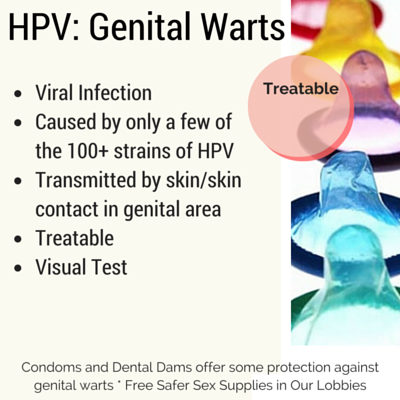
Genital warts are primarily transmitted through sexual contact, including vaginal, anal, or oral sex. The virus can be passed from one person to another even when visible warts are not present. It is important to note that using condoms does not provide complete protection against genital warts as the virus can still be transmitted through skin-to-skin contact.
Incubation Period
After exposure to the human papillomavirus (HPV), the incubation period for the development of genital warts can range from a few weeks to several months. This means that it is possible for someone to be infected with HPV but not develop visible warts until months after initial exposure.
Duration of Infection
While genital warts can be treated and removed, the underlying HPV infection may persist in the body. In some cases, the virus can be cleared by the immune system over time, but in others, it may remain dormant or continue to cause recurrent outbreaks of genital warts.
Causes of Genital Warts
Human Papillomavirus (HPV)
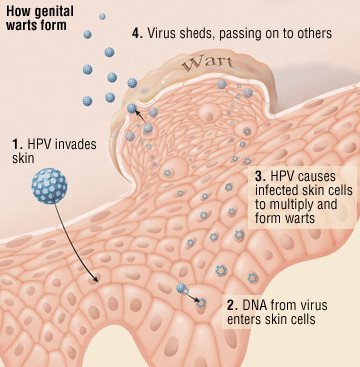
Genital warts are caused by specific strains of the human papillomavirus (HPV), most commonly types 6 and 11. HPV is a group of over 100 different viruses, some of which can cause various types of warts, including genital warts. The virus is highly contagious and can be easily transmitted through sexual contact.
High-Risk and Low-Risk HPV Strains
Not all HPV strains cause genital warts. Some strains, known as high-risk HPV types, are associated with an increased risk of developing certain cancers, such as cervical, anal, and penile cancer. On the other hand, low-risk HPV strains, including types 6 and 11, are responsible for the majority of genital warts cases.
Sexual Transmission of HPV
Sexual activity, including vaginal, anal, or oral sex, is the primary mode of HPV transmission. The virus can be passed from one person to another through direct skin-to-skin contact with an infected area, even if no visible warts are present. It is important to practice safe sex and use barrier methods, such as condoms, to reduce the risk of transmission.
Non-sexual Transmission of HPV
In rare cases, HPV can also be transmitted through non-sexual means, such as from mother to child during childbirth or through close personal contact, such as sharing towels or clothing, although this mode of transmission is less common.
Factors Influencing HPV Infection
Several factors can increase the risk of contracting HPV and developing genital warts. These include a history of unprotected sexual activity, having multiple sexual partners, engaging in sexual activity at a young age, and having a weakened immune system. Additionally, certain lifestyle factors, such as smoking, can also increase the likelihood of HPV infection.
Risk Factors for Genital Warts
Sexual Activity
Engaging in sexual activity, particularly without the use of barrier methods such as condoms, increases the risk of contracting HPV and developing genital warts. The more sexual partners a person has, the higher their risk of exposure to HPV.
Age and Gender
Younger individuals, particularly those in their late teens and early twenties, are more likely to contract HPV and develop genital warts. Women are also at a slightly higher risk than men due to certain anatomical factors.
Weak Immune System
Having a compromised immune system, either due to medical conditions such as HIV/AIDS or through immunosuppressive medications, increases the risk of HPV infection and the development of genital warts. A weak immune system is less able to effectively fight off the virus.
Having a History of STDs
Having a history of sexually transmitted infections (STIs) increases the likelihood of contracting HPV and developing genital warts. This may be due to shared risk factors or the presence of an underlying weakened immune system.
Multiple Sexual Partners
Having multiple sexual partners increases the risk of exposure to HPV and other STIs. The more partners a person has, the greater the chance of coming into contact with an infected individual.
Unprotected Sex
Engaging in sexual activity without using barrier methods such as condoms increases the risk of contracting HPV and developing genital warts. Condoms, while not 100% effective, can reduce the likelihood of transmission.
Personal Hygiene Habits
Poor personal hygiene practices, such as not keeping the genital area clean and dry, can create an environment conducive to the growth of genital warts. Maintaining good hygiene can help reduce the risk of infection.
Pregnancy
Pregnant women are more susceptible to genital warts due to hormonal changes and a weakened immune system. Additionally, the presence of genital warts during pregnancy can pose risks to both the mother and the baby.
Symptoms of Genital Warts
Visible Warts
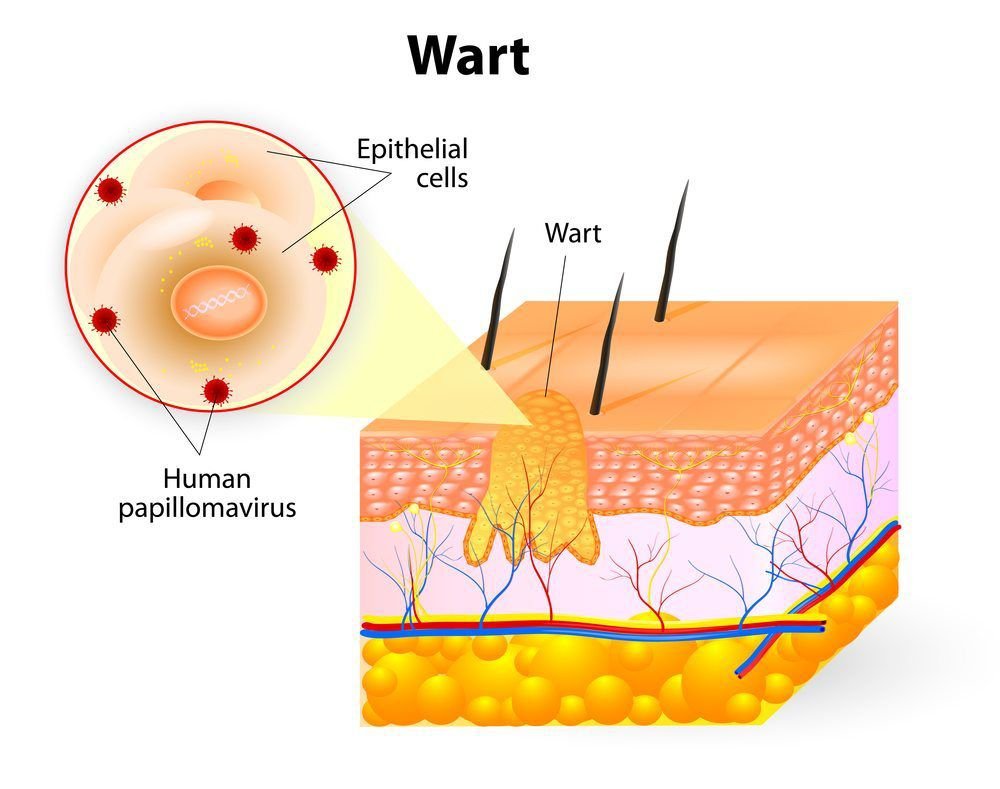
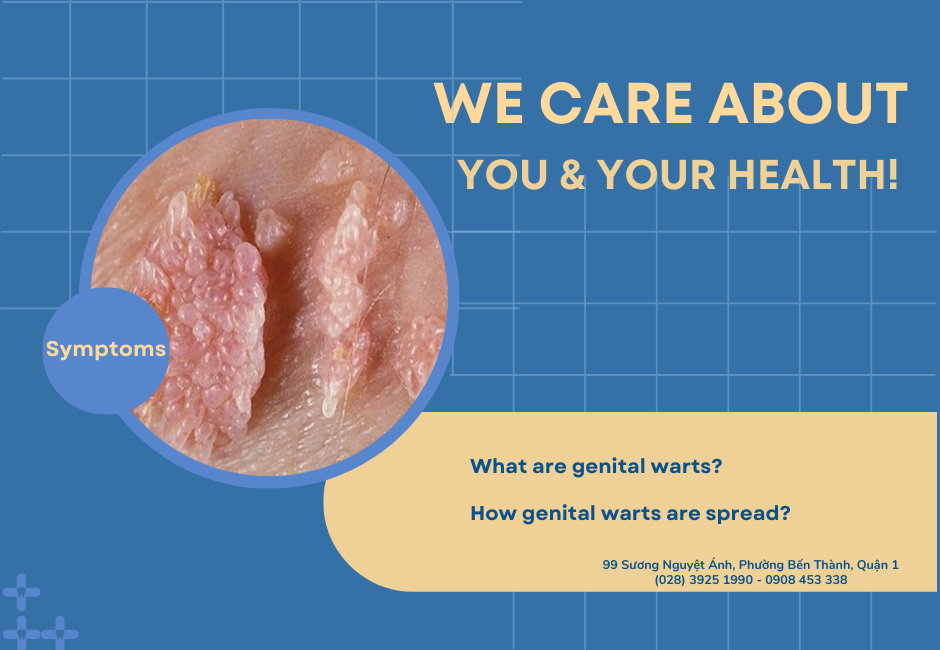
The most common symptom of genital warts is the presence of visible, flesh-colored bumps in the genital area. These warts may be raised or flat, and their size can vary from very small to larger clusters. In some cases, the warts may resemble cauliflower-like growths.
Different Types of Warts
Genital warts can take on different forms and appearances depending on the specific strain of HPV and other factors. Some warts may be smooth and flat, while others may be rough and bumpy. It is possible to have a single wart or multiple warts, which may appear in clusters.
Itching and Discomfort
In some cases, genital warts may cause itching, irritation, or discomfort. This can be particularly bothersome during activities such as sexual intercourse or when wearing tight clothing. It is important to avoid scratching or picking at the warts to prevent further irritation or infection.
Bleeding during Sexual Intercourse
In rare cases, genital warts may bleed during sexual intercourse or vigorous activity. This can occur if the warts are irritated or if they are located in a sensitive area, such as the vaginal or anal opening. If bleeding occurs, it is essential to seek medical attention.
Common Locations of Genital Warts
Genital warts can appear on various parts of the genital area, including the penis, vulva, vagina, cervix, anus, and surrounding skin. They may also be found in the mouth or throat, particularly in cases of oral sex with an infected individual. It is important to note that warts can also develop internally, making them less visible but still important to address.
Diagnosis of Genital Warts
Visual Examination
Diagnosing genital warts typically begins with a visual examination of the affected area by a healthcare professional. The presence of visible warts is usually sufficient for a diagnosis. However, in some cases, additional tests may be performed.
Acetic Acid Application
Sometimes, healthcare providers may apply a solution of acetic acid (vinegar) to the suspected wart-affected areas. This solution helps highlight the warts by turning them white, making them more visible during the examination.
Biopsy
In rare cases where the diagnosis is uncertain or there is suspicion of a different condition, a tissue biopsy may be performed. During a biopsy, a small sample of the wart tissue is taken and sent to a laboratory for further analysis.
Pap Test in Women
Women who are diagnosed with genital warts may also undergo a Pap test, or cervical screening test, to check for any abnormal changes in the cervix. This is important as certain strains of HPV can lead to cervical cancer.
HPV DNA Test
In some cases, a healthcare professional may recommend an HPV DNA test to determine the specific strain of HPV present. This test is typically performed in cases where there is a need for further evaluation or to provide additional information for treatment decisions.
Complications Associated with Genital Warts
Increased Risk of Certain Cancers
While most cases of genital warts do not progress to cancer, some strains of HPV, particularly high-risk types, can increase the risk of developing certain cancers. In women, persistent infection with high-risk HPV strains can lead to cervical, vaginal, vulvar, or anal cancer. Men are also at risk of developing anal, penile, or oropharyngeal cancer.
Obstetric and Neonatal Complications
Pregnant women with genital warts may experience complications during pregnancy and childbirth. In some cases, the warts may grow larger, leading to discomfort or obstruction during delivery. Additionally, there is a small risk that the virus can be transmitted to the newborn, potentially causing respiratory or genital warts.
Psychological Impact
Genital warts can have a significant psychological impact on individuals, causing feelings of embarrassment, shame, or anxiety. The presence of visible warts may affect one’s self-esteem and intimate relationships. Seeking support from healthcare professionals or counseling services can be beneficial for those experiencing emotional distress.
Prevention of Genital Warts
HPV Vaccination
Vaccination against certain strains of HPV is a highly effective way to prevent genital warts. The HPV vaccine is recommended for both males and females, ideally before the onset of sexual activity. Vaccination can provide protection against the strains most commonly associated with genital warts and certain types of cancer.
Safe Sexual Practices
Engaging in safe sexual practices can reduce the risk of contracting HPV and developing genital warts. This includes consistently using barrier methods such as condoms during sexual activity and limiting the number of sexual partners.
Use of Condoms
While condoms do not provide complete protection against genital warts, they can reduce the risk of transmission. Using condoms correctly and consistently, from start to finish during sexual activity, can help lower the chances of contracting HPV.
Regular Screening and Check-ups
Regular screenings and check-ups with a healthcare professional, particularly for those who are sexually active, can play a significant role in early detection and prevention of genital warts. Routine screenings, such as Pap tests in women, can help identify any abnormal changes in the cervix.

Treatment Options for Genital Warts
Topical Medications
Topical medications, such as creams or ointments containing imiquimod or podophyllin, may be prescribed to treat genital warts. These medications work by stimulating the immune system or directly destroying the warts.
Surgical Procedures
Surgical procedures may be necessary for the removal of genital warts that do not respond to topical treatments or if the warts are particularly large or bothersome. Procedures such as excision, cryotherapy, electrocautery, or laser therapy may be performed to remove the warts.
Cryotherapy
Cryotherapy involves freezing the warts with liquid nitrogen, causing them to be destroyed. This technique is commonly used for the treatment of external genital warts and can be performed in a healthcare provider’s office.
Electrocautery
Electrocautery utilizes heat to burn off or destroy the genital warts. This procedure may be performed under local anesthesia and is generally well-tolerated. It is suitable for both external and internal warts.
Laser Therapy
Laser therapy involves using a laser to target and destroy the genital warts. This procedure is typically performed by a specialist and may require multiple sessions, depending on the size and number of warts.
Immunotherapy
Immunotherapy is a treatment approach that aims to boost the body’s immune response to HPV and genital warts. This can be done through the application of immune-stimulating substances directly on the warts or through the use of vaccines.
Chemical Treatments
Certain chemical solutions, such as trichloroacetic acid (TCA) or podophyllin, can be applied directly to the warts to destroy them. These treatments are typically performed by a healthcare professional.
Infrared Coagulator
Infrared coagulator therapy uses heat from infrared light to destroy the warts. This treatment option is particularly effective for smaller warts and can be performed in an outpatient setting.
Home Remedies for Genital Warts
While there are several home remedies and over-the-counter treatments that claim to remove genital warts, it is important to consult with a healthcare professional before attempting any self-treatment. Home remedies, such as applying apple cider vinegar, tea tree oil, or garlic, may not be effective and can sometimes cause further irritation or damage to the skin.
When to Seek Medical Help
Worsening Symptoms
If you notice that your genital warts are becoming larger, more numerous, or more uncomfortable, it is advisable to seek medical help. Worsening symptoms may indicate a need for alternative or additional treatment options.
Spreading of Warts
If your genital warts are spreading to other areas of the body or to your sexual partner, it is essential to consult with a healthcare professional. This may require a re-evaluation of the current treatment plan or the exploration of further treatment options.
Pain or Bleeding
In the event of pain, bleeding, or irritation associated with genital warts, it is crucial to seek medical attention. These symptoms may indicate a potential infection or a need for specialized care.
Concerns about Cancer
If you have concerns about the potential risk of developing cancer due to your genital warts or if you require screening for cervical cancer, it is important to discuss these concerns with your healthcare provider. Regular screenings and evaluations can help mitigate the risk and provide early detection.
Pregnancy and Genital Warts
If you are pregnant and have genital warts, it is vital to inform your healthcare provider. They can provide appropriate guidance on managing the warts during pregnancy to minimize the risk of complications for both you and your baby.
Compromised Immune System
If you have a weakened immune system due to an underlying medical condition or immunosuppressive medications, it is crucial to consult with a healthcare professional regarding the management of genital warts. They can provide guidance and support tailored to your specific needs.
In conclusion, understanding genital warts involves knowledge of their causes, symptoms, diagnosis, complications, prevention, treatment options, home remedies, and when to seek medical help. By educating oneself and following safe sexual practices, one can minimize the risk of contracting or spreading genital warts. Early diagnosis, regular screenings, and appropriate treatment can help manage and control the condition effectively. Remember, if you have any concerns or questions about genital warts, consult with a healthcare professional who can provide accurate information and personalized care.