
Whether you’re looking for a new hairstyle or seeking ways to give your locks some extra love, this article is filled with helpful hairdressing tips that will leave you feeling inspired and confident. From practical advice on maintaining healthy hair to styling tips that will help you achieve salon-worthy looks at home, this comprehensive guide has it all. So, get ready to revamp your hair routine and discover the secrets to luscious, beautiful locks.
Choosing the Right Hairdresser
Finding the perfect hairdresser can make all the difference in achieving the hairstyle of your dreams. With so many options available, it’s important to do your research and find a hairdresser who is skilled, experienced, and understands your personal style. Here are some tips to help you choose the right hairdresser for you.
Researching Local Hairdressers
Start by researching local hairdressers in your area. Look for salons that have a good reputation and positive reviews. You can also ask friends, family, or coworkers for recommendations. Take note of the locations, services offered, and any specializations or awards the hairdressers may have.
Reading Reviews and Recommendations
Reading reviews from other clients can give you valuable insight into the quality of service a hairdresser provides. Look for reviews that mention the stylist’s skill, attention to detail, customer service, and ability to understand and achieve the client’s vision. Recommendations from trusted sources can also be helpful in narrowing down your options.
Considering the Hairdresser’s Specializations
Different hairdressers have different specializations. Some may excel at cutting and styling, while others may specialize in color or corrective treatments. It’s important to consider your specific hair needs and choose a hairdresser who has experience in those areas. If you’re looking for a specific style or treatment, make sure the hairdresser you choose is qualified and skilled in that particular area.
Booking a Consultation
Once you have a list of potential hairdressers, it’s a good idea to book a consultation before committing to a full appointment. During the consultation, you can discuss your desired hairstyle or treatment, share any concerns or questions you may have, and get a feel for the hairdresser’s communication style and expertise. This will help ensure that you and the hairdresser are on the same page and that they understand your expectations.
Understanding Your Hair Type
Before you can properly care for your hair, it’s important to understand your hair type. Each hair type has unique characteristics and requires specific care and styling techniques. By identifying your hair type, you can choose the right products and techniques to keep your hair healthy and looking its best.
Identifying Your Hair Type
There are several different hair types, including straight, wavy, curly, and kinky. To identify your hair type, start by looking at the shape of your hair strands. Straight hair is generally smooth and lacks any noticeable curls or waves. Wavy hair has loose, flowing curls, while curly hair is more tightly coiled. Kinky hair has very tight curls or coils that appear zigzag-like. You can also consider the thickness and density of your hair, as well as any specific characteristics such as frizziness or dryness.
Understanding the Needs of Different Hair Types
Each hair type has different needs when it comes to care and styling. For example, straight hair tends to be more prone to oiliness and can appear flat or limp without the right products and techniques. Wavy and curly hair often require more moisture to maintain their shape and prevent frizz. Kinky hair can be prone to dryness and may benefit from regular deep conditioning treatments. By understanding the specific needs of your hair type, you can choose the right products and techniques to keep your hair healthy and looking its best.
Determining the Strength and Texture of Your Hair
In addition to your hair type, it’s important to consider the strength and texture of your hair. Hair strength refers to how resistant your hair is to breakage, while hair texture refers to the size of the individual hair strands. Fine hair is delicate and can be prone to breakage, while coarse hair is stronger and more resistant. Hair texture can range from fine to medium to coarse. By determining the strength and texture of your hair, you can choose products and techniques that will work best for your specific needs.
Maintaining a Healthy Haircare Routine
Maintaining a healthy haircare routine is essential for keeping your hair in optimal condition. From washing and conditioning to choosing the right products and protecting your hair from damage, there are several steps you can take to ensure that your hair stays healthy and beautiful.
Washing and Conditioning
Regularly washing and conditioning your hair is the foundation of a healthy haircare routine. It’s important to choose a shampoo and conditioner that are appropriate for your hair type and concerns. For example, if you have dry or damaged hair, look for products that provide extra hydration and nourishment. If you have oily hair, opt for a clarifying shampoo that can help remove excess oil and build-up. When washing your hair, be sure to thoroughly rinse out all the product to avoid residue and build-up.
Choosing the Right Hair Products
Choosing the right hair products is crucial for maintaining healthy hair. Look for products that are specifically formulated for your hair type and concerns. For example, if you have colored hair, choose products that are designed for color-treated hair to help preserve the vibrancy and longevity of your color. Avoid products that contain harsh chemicals or sulfates, as these can strip the hair of its natural oils and cause dryness and damage. It’s also a good idea to incorporate a deep conditioning treatment into your routine once or twice a week to keep your hair hydrated and nourished.
Avoiding Heat Damage
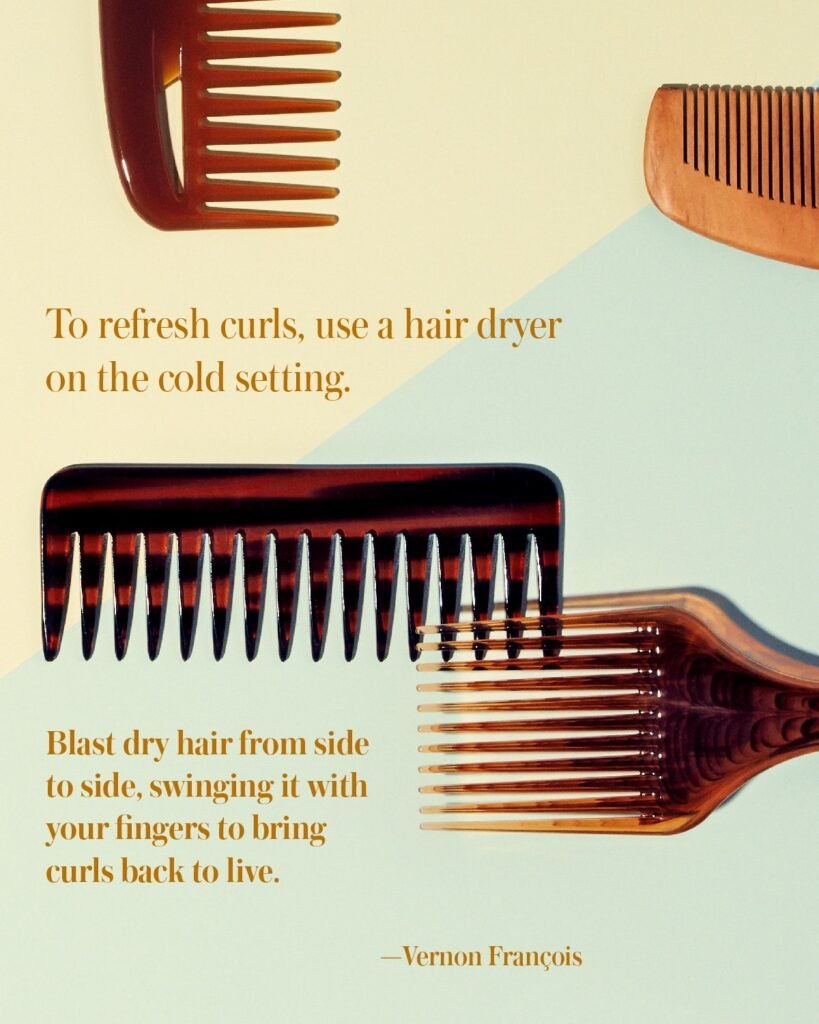
Heat styling tools such as flat irons, curling irons, and blow dryers can cause significant damage to your hair if not used properly. To avoid heat damage, it’s important to use heat protectant products before applying any heat to your hair. This will help minimize the damage caused by high temperatures. Additionally, try to limit the use of heat styling tools and opt for heat-free styling techniques whenever possible. Letting your hair air dry or using techniques like plopping or diffusing can help reduce the amount of heat your hair is exposed to.
Protecting Hair from UV Rays
Just like your skin, your hair can also be damaged by UV rays from the sun. Overexposure to the sun can cause dryness, brittleness, and color fading. To protect your hair from UV damage, consider wearing a hat or scarf when you’re out in the sun for extended periods of time. You can also use hair products that contain UV filters to help shield your hair from the sun’s harmful rays. Protecting your hair from UV damage will not only keep it healthy and vibrant, but it will also help prolong the life of any color treatments you may have.
Styling Techniques
Once you’ve laid the foundation with a healthy haircare routine, it’s time to explore different styling techniques to achieve the look you desire. From creating volume and texture to achieving sleek and straight styles, there are various techniques and tools you can use to achieve a wide range of hairstyles.
Using the Right Hair Tools
Using the right hair tools is essential for achieving your desired hairstyle. Different tools can be used to create different effects, so it’s important to choose the right tools for the look you want to achieve. For example, a round brush can be used to create volume and smoothness during blowouts, while a flat iron can be used to achieve sleek, straight styles. Curling wands or curling irons can be used to create curls or waves, and hot rollers can be used to add volume and create soft curls. Experiment with different tools to find the ones that work best for your hair type and desired style.
Creating Volume and Texture
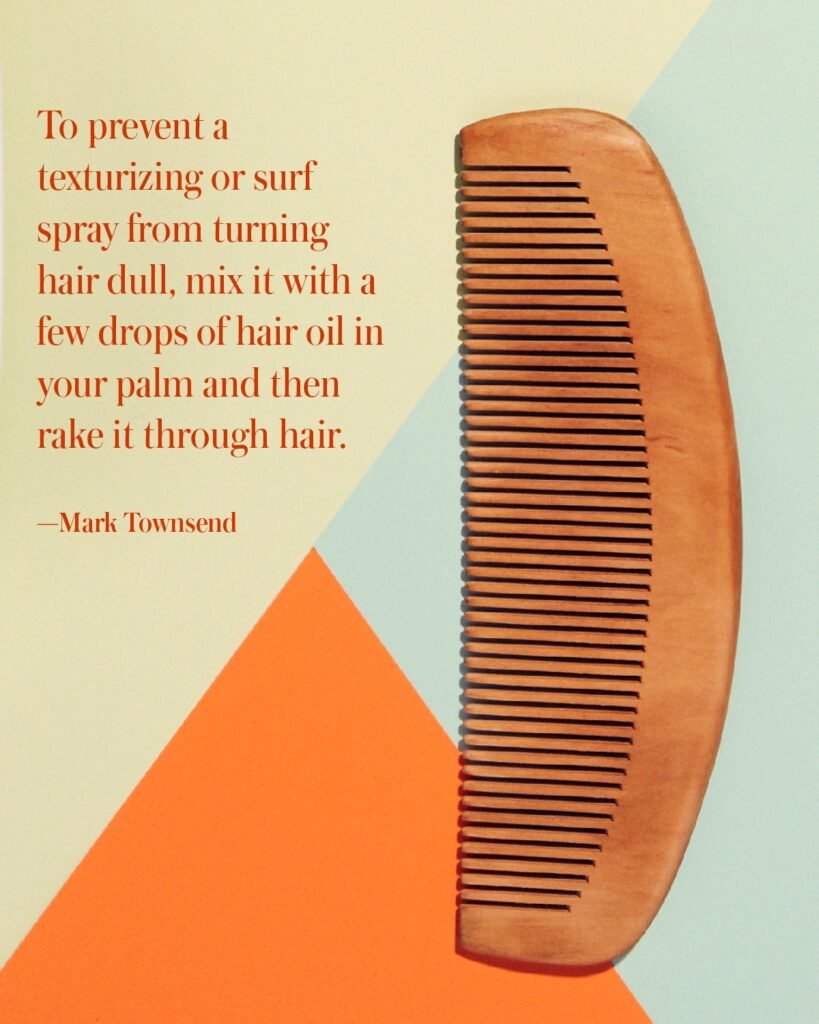
If you’re looking to add volume and texture to your hair, there are several techniques you can try. Backcombing or teasing the hair at the roots can create instant volume and lift. Using a texturizing spray or dry shampoo can also help add texture and grip to the hair, making it easier to style and hold its shape. Additionally, using velcro rollers or flexi rods can add volume and create soft, bouncy curls. Play around with different techniques and products to achieve the desired volume and texture for your hair.
Sleek and Straight Styles
If you prefer sleek and straight hairstyles, there are a few techniques you can use to achieve a smooth, polished look. Start by applying a heat protectant product to keep your hair safe from the high temperatures of styling tools. Using a flat iron, slowly glide the iron down small sections of hair, starting from the roots and working your way to the ends. For a sleek and sleek look, you can also use a paddle brush or a comb to smooth the hair as you flat iron it. Finish with a lightweight hairspray to keep your style in place.
Curling and Waving
To achieve curls or waves, you can use either a curling iron, a curling wand, or hot rollers. To curl your hair with a curling iron, wrap small sections of hair around the barrel, holding for a few seconds before releasing. For a more natural and beachy look, you can also try using a curling wand. Simply wrap sections of hair around the wand, leaving the ends out for a relaxed and undone look. Hot rollers can be a great option for creating voluminous curls or waves. Allow the rollers to cool completely before removing them to set the curls.
Braiding and Updos
Braiding and updos can be a great way to switch up your hairstyle and create a polished and elegant look. From simple braids to intricate updos, there are endless possibilities when it comes to styling your hair. French braids, fishtail braids, and Dutch braids are popular choices for adding texture and interest to your hair. Updos can range from classic and sleek to loose and romantic. Experiment with different braiding and updo techniques to find the ones that work best for your hair type and personal style.
Hair Color and Highlights
Changing your hair color or adding highlights can be a great way to refresh your look and add dimension to your hair. Whether you’re looking for a subtle change or a bold transformation, there are several factors to consider when it comes to hair color and highlights.
Exploring Different Hair Colors
When choosing a hair color, consider your skin tone, eye color, and natural hair color. It’s important to choose a shade that complements your features and enhances your natural beauty. Cool-toned skin tones tend to look best with cool hair colors, such as blonde, ash brown, or platinum. Warm-toned skin tones, on the other hand, tend to look best with warm hair colors, such as golden blonde, copper, or chocolate brown. Consider consulting with a professional hairdresser to help you choose the right hair color for your complexion.
Choosing the Right Shade for Your Skin Tone
Your skin tone plays a crucial role in determining which hair color will suit you best. Generally, if you have warm undertones, shades like gold, honey, and copper will complement your complexion. If you have cool undertones, ash, platinum, and caramel shades tend to suit you better. Remember to also consider your eye color when choosing a hair color, as certain shades can help enhance your eye color and make it pop.
Understanding the Coloring Process
The coloring process can vary depending on the desired result and the current condition of your hair. If you’re looking to go lighter, the hairdresser may need to lighten your hair with a bleaching agent before applying the desired color. If you’re going darker, they may use a demi-permanent or permanent hair color. It’s important to communicate your desired outcome and any concerns you may have with your hairdresser to ensure that they can achieve the look you desire.
Maintaining Colored Hair
Colored hair requires special care to maintain its vibrancy and health. To keep your color looking fresh, use shampoo and conditioner specifically formulated for color-treated hair. These products are gentle and help preserve the color. It’s also a good idea to minimize heat styling and protect your hair from UV rays to prevent color fading. Regular touch-ups and conditioning treatments can also help keep your color looking its best.
Haircuts and Trimming
Regular haircuts and trims are essential for maintaining healthy hair and keeping your style looking fresh. Whether you’re looking to change up your look or just maintain your current style, here are some tips for getting the perfect haircut.
Choosing the Right Haircut for Your Face Shape
Different face shapes suit different hairstyles, so it’s important to choose a haircut that complements your features. For example, if you have a round face, a layered or angled haircut can help create the illusion of length and slimness. If you have a square face, soft, textured styles with layers can help soften the angles of your face. Oval faces tend to suit a variety of hairstyles, so you have more flexibility in choosing a haircut. Consult with your hairdresser to find the right haircut for your face shape.
Understanding Haircut Terminology
When discussing your desired haircut with your hairdresser, it’s important to understand some basic haircut terminology. This will help ensure that you and your hairdresser are on the same page and that you get the results you want. Some common haircut terms include layers, bangs, bob, pixie, undercut, and fade. Do some research and familiarize yourself with these terms so that you can effectively communicate your desired style.
Maintaining a Regular Trimming Schedule
Regular trims are essential for maintaining the health and shape of your hair. Aim to get a trim every 6-8 weeks to prevent split ends and keep your hair looking its best. Trimming helps prevent breakage and allows your hair to grow evenly. Even if you’re growing out your hair, regular trims can actually help you achieve your desired length faster by keeping your hair healthy and preventing split ends from traveling up the strands.
Addressing Common Hair Problems
We all face common hair problems from time to time, whether it’s frizz, split ends, dandruff, or hair loss. Fortunately, there are solutions and treatments available to help address these issues and restore the health and beauty of your hair.
Managing Frizz and Flyaways
Frizz and flyaways can be caused by a variety of factors, including humidity, dryness, and damage. To manage frizz, it’s important to keep your hair hydrated and moisturized. Use a nourishing conditioner and consider incorporating a hydrating hair mask into your routine once or twice a week. Avoid over-washing your hair, as this can strip away the natural oils that help keep your hair moisturized. Additionally, using an anti-frizz serum or oil can help tame frizz and provide a smooth finish.
Dealing with Split Ends
Split ends are a common hair problem that can make your hair look dull and unhealthy. The only way to truly get rid of split ends is to trim them off. Regular trims can help prevent split ends from traveling up the hair shaft and causing further damage. In the meantime, you can minimize the appearance of split ends by using a leave-in conditioner or serum to smooth the hair and temporarily seal the split ends. However, keep in mind that this is only a temporary fix and regular trims are necessary to maintain the health of your hair.
Combatting Dandruff and Dry Scalp
Dandruff and dry scalp can be both uncomfortable and embarrassing. To combat these issues, it’s important to keep your scalp hydrated and balanced. Use a gentle shampoo and conditioner that are formulated for dry scalp or dandruff. Avoid using hot water when washing your hair, as this can further dry out the scalp. Incorporating a scalp treatment or oil into your routine can help hydrate and soothe the scalp. If the problem persists, it’s a good idea to consult with a dermatologist or trichologist for further evaluation and treatment options.
Treating Hair Loss and Thinning
Hair loss and thinning can be caused by a variety of factors, including genetics, hormonal changes, stress, and certain medical conditions. If you’re experiencing significant hair loss or thinning, it’s important to consult with a healthcare professional or trichologist to determine the underlying cause and develop a treatment plan. There are various treatment options available, including topical treatments, oral medications, and hair transplants. Additionally, incorporating a healthy diet, managing stress levels, and using gentle hair care practices can help maintain the health and strength of your hair.
Special Occasion Hairstyling
Special occasions call for special hairstyles. Whether you’re attending a wedding, a formal event, or a party, there are various hairstyles that can help you look elegant and polished. Here are some tips for creating the perfect special occasion hairstyle.
Choosing a Hairstyle for a Wedding or Formal Event
When choosing a hairstyle for a wedding or formal event, it’s important to consider the dress code and the overall theme or vibe of the occasion. Updos are a popular choice for formal events, as they can create a polished and elegant look. Classic updos like chignons or French twists can be a great option for a timeless and sophisticated look. For a more romantic and bohemian vibe, consider loose and tousled updos or braided hairstyles. Consult with your hairdresser and bring inspiration photos to help you find the perfect hairstyle for your special occasion.
Creating Updos and Half-Up Hairstyles
Updos and half-up hairstyles are versatile and can be customized to suit your personal style and the occasion. Updos can range from sleek and polished to soft and romantic. Some popular updo options include buns, chignons, braided updos, and twisted updos. Half-up hairstyles are a great option if you want to show off your hair while still having it out of your face. You can create half-up styles with braids, twists, or simply by pinning back sections of hair. Play around with different techniques and accessories to create the perfect updo or half-up hairstyle for your special occasion.
Adding Accessories and Embellishments
Accessories and embellishments can elevate any hairstyle and add a touch of glamour to your look. Depending on the occasion and your personal style, you can choose from a wide range of accessories, such as headbands, hairpins, clips, tiaras, or decorative combs. These accessories can be used to add sparkle, enhance braided styles, or simply to add a pop of color or texture to your hair. When choosing accessories, consider the overall theme or color palette of the event and ensure that the accessories complement your hairstyle and outfit.

Men’s Hairdressing Tips
Men’s hairdressing is just as important as women’s hairdressing. From choosing the right haircut to styling short hair and maintaining facial hair, there are several tips and techniques that can help men achieve their desired look.
Choosing the Right Haircuts for Men
When choosing a haircut, men should consider their face shape, hair texture, and personal style. Different haircuts can enhance or minimize certain features and create a balance in the overall appearance. Popular men’s haircuts include fades, undercuts, pompadours, quiffs, and classic side parts. Consulting with a professional hairdresser who specializes in men’s grooming can help you find the right haircut for your specific needs and preferences.
Styling Short Hair
Styling short hair doesn’t have to be complicated. There are several simple techniques and products that can help men achieve a polished and groomed look. A matte pomade or styling cream can be used to add texture and hold to short hair. Simply work a small amount of product through towel-dried hair, using your fingers to create texture and definition. For a sleek and polished look, a styling gel or wax can be used to comb the hair into place.
Maintaining Beards and Facial Hair
Beards and facial hair require regular maintenance to keep them looking their best. It’s important to wash and condition your beard regularly to keep it clean and prevent dryness. You can also use beard oil or balm to moisturize the hair and soothe the skin underneath. Trimming and shaping the beard is essential for maintaining a well-groomed appearance. Invest in a good quality beard trimmer or scissors and take the time to trim your beard regularly to keep it looking neat and tidy.
Hairdressing Tools and Equipment
Hairdressers rely on a variety of tools and equipment to achieve different hairstyles and treatments. Understanding the different types of tools and their purposes can help you better communicate with your hairdresser and achieve the desired results.
Essential Tools for Hair Styling
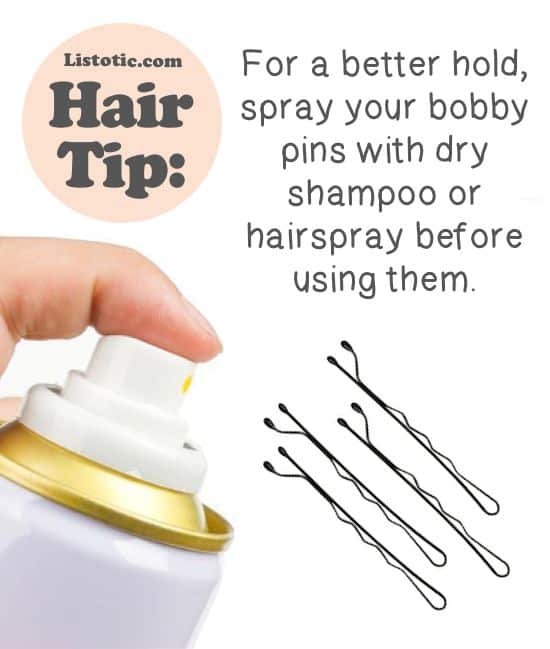
Some essential tools for hair styling include brushes, combs, clips, and hairpins. Brushes come in different sizes and types, such as paddle brushes, round brushes, and vent brushes. Each brush is designed for a specific purpose, such as smoothing, detangling, or creating volume. Combs are useful for detangling and sectioning the hair. Hair clips and hairpins are used to hold sections of hair in place while styling.
Understanding Different Types of Hairdressing Equipment
Hairdressing equipment can vary depending on the salon and the services offered. Some common hairdressing equipment includes hairdryers, curling irons, flat irons, hot rollers, and hooded dryers. Hairdryers are used to dry and style the hair, while curling irons and flat irons are used to create curls, waves, or sleek styles. Hot rollers can be used to add volume and create soft curls. Hooded dryers are used for deep conditioning treatments or for setting wet hair.
In conclusion, choosing the right hairdresser is crucial for achieving the hairstyle of your dreams. Researching local hairdressers, reading reviews and recommendations, considering specializations, and booking a consultation are important steps in finding a skilled and experienced hairdresser. Understanding your hair type, its needs, and its texture is essential for maintaining a healthy haircare routine. Regular washing and conditioning, choosing the right hair products, avoiding heat damage, and protecting your hair from UV rays are all important aspects of a healthy haircare routine. Styling techniques such as using the right hair tools, creating volume and texture, achieving sleek and straight styles, curling and waving, and braiding and updos can help you achieve a wide range of hairstyles. When it comes to hair color and highlights, exploring different hair colors, choosing the right shade for your skin tone, understanding the coloring process, and maintaining colored hair are all important considerations. Regular haircuts and trims, choosing the right haircut for your face shape, understanding haircut terminology, and maintaining a regular trimming schedule are all important for keeping your hair in optimal condition. Addressing common hair problems, such as managing frizz and flyaways, dealing with split ends, combatting dandruff and dry scalp, and treating hair loss and thinning, can help restore the health and beauty of your hair. Special occasion hairstyling, choosing a hairstyle for a wedding or formal event, creating updos and half-up hairstyles, and adding accessories and embellishments can help you look elegant and polished for any special occasion. Men’s hairdressing tips, such as choosing the right haircuts for men, styling short hair, and maintaining beards and facial hair, are crucial for men’s grooming. Understanding the essential tools for hair styling and different types of hairdressing equipment can help you better communicate with your hairdresser and achieve the desired results.
