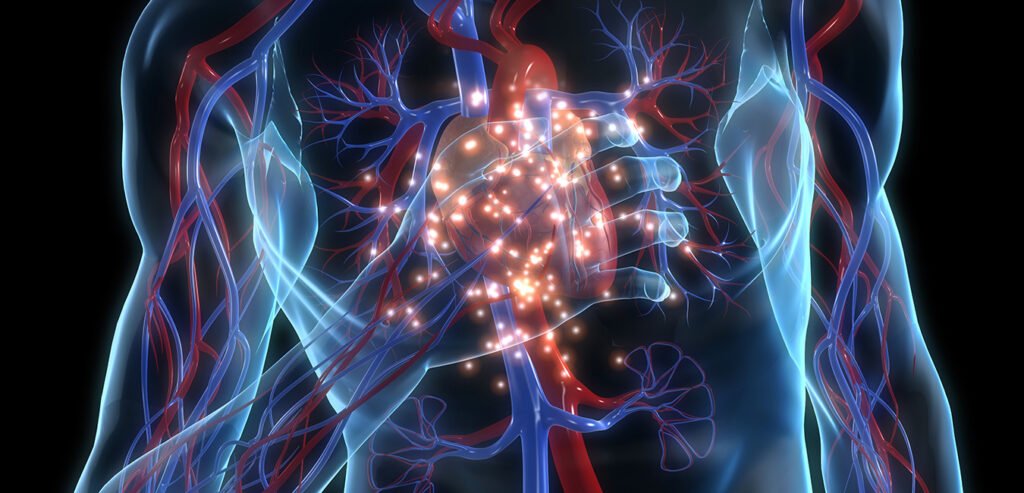
In “Surviving a Heart Attack,” you will discover essential information on how to navigate through one of the most critical health emergencies. Gain a comprehensive understanding of the signs and symptoms that may indicate a heart attack, as well as crucial steps to take in the event of one. With this insight, you can empower yourself with the knowledge necessary to potentially save your own life or the life of a loved one.
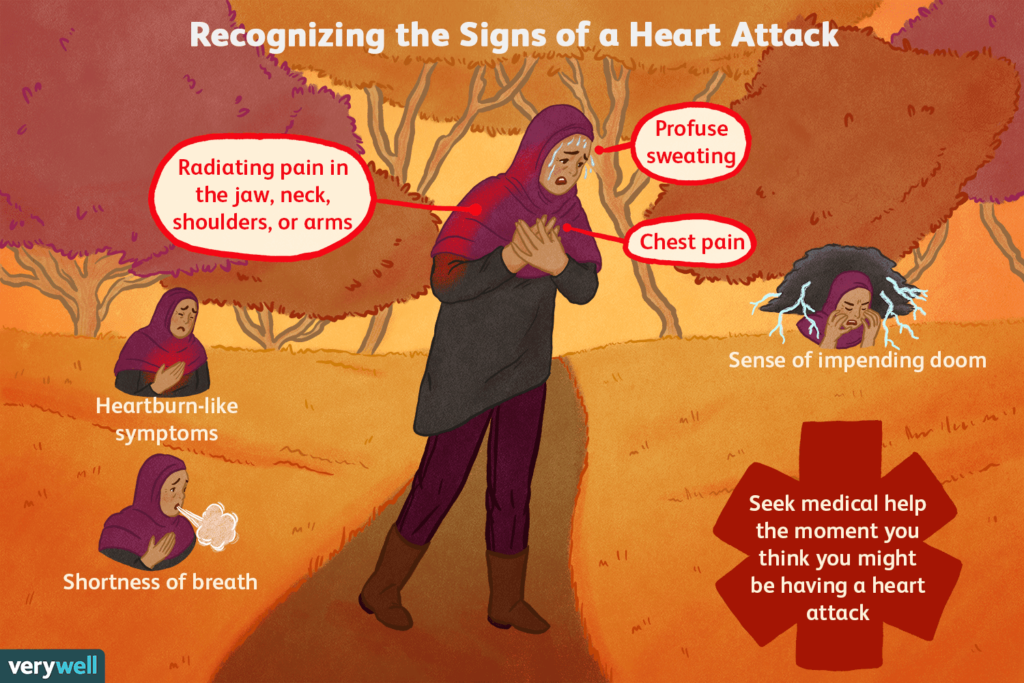
Recognizing the signs of a heart attack
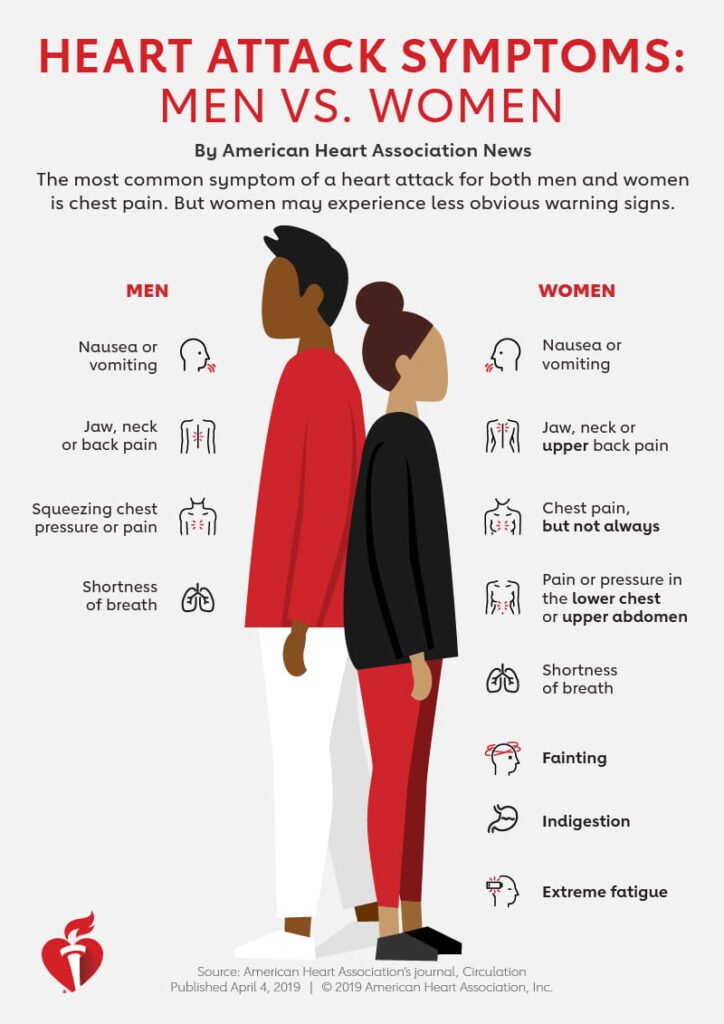
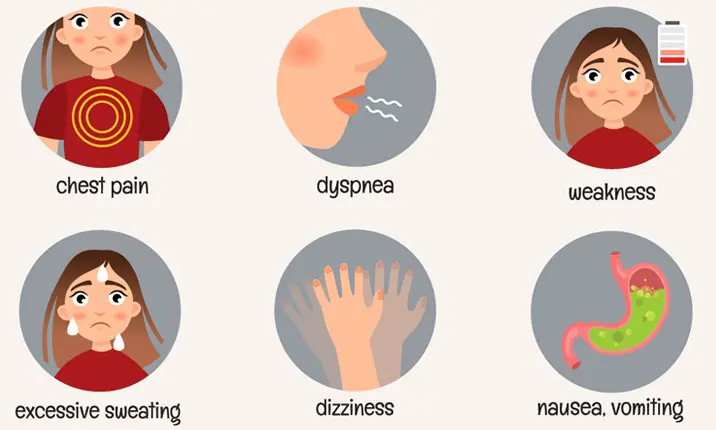
A heart attack is a serious medical emergency that requires immediate attention. Recognizing the signs and symptoms of a heart attack is crucial for seeking timely medical assistance and potentially saving lives. One of the most common signs is chest pain or discomfort. This can manifest as a squeezing, pressure, or heaviness in the chest, which may come and go or last for an extended period of time. It is important to remember that chest pain is not always present during a heart attack, especially in women.
Another sign of a heart attack is upper body pain or discomfort. This can include pain or discomfort in the arms, shoulders, neck, jaw, or back. It is essential to pay attention to any unusual sensations or pain in these areas, especially when it is accompanied by other symptoms such as chest discomfort.
Shortness of breath is another significant sign that may occur during a heart attack. You may feel like you are unable to catch your breath or that you are breathing faster and shallower than usual. This can be a result of the heart’s inability to pump blood effectively or an increased demand for oxygen due to the damage caused by the heart attack.
In some cases, cold sweats or nausea may also be indicators of a heart attack. Cold sweats refer to a sudden, unexplained drenching of sweat, even if you are not engaged in physical activity or in a hot environment. Nausea or vomiting may also occur, often accompanying chest discomfort or shortness of breath. It is important to note that these symptoms can vary from person to person and may be different for men and women.
If you experience any of these signs or symptoms, it is essential to seek immediate medical attention. Do not wait or assume the symptoms will go away on their own. Contact emergency services right away and describe your symptoms, providing as much information as possible, so that they can provide appropriate assistance.
Immediate response to a heart attack
When encountering a heart attack, it is crucial to act promptly and respond with the appropriate measures. Here are some steps you can take while waiting for emergency services to arrive:
First, dial emergency services. Time is of the essence during a heart attack, and it is essential to alert medical professionals who can provide immediate assistance. When speaking to the emergency operator, clearly describe your symptoms and provide your location so that the paramedics can reach you as quickly as possible.
Taking aspirin is another vital step in responding to a heart attack. Aspirin helps to thin the blood and can reduce the risk of blood clots, which may worsen the condition during a heart attack. Chew a regular-strength, uncoated aspirin tablet while waiting for the emergency services to arrive unless you have previously been advised not to take aspirin.
During this critical time, it is important to stay calm and focus on your breathing. Deep breathing exercises can help you relax and ensure adequate oxygen supply to your body. Sit or lie down in a comfortable position, taking slow, deep breaths in through your nose and out through your mouth. This can help alleviate anxiety and enable your body to deal with the stress of the situation more effectively.
While waiting for help to arrive, find a quiet and safe place to rest. Minimize movement and physical exertion to reduce the strain on your heart. Remaining calm and finding a peaceful environment can also help reduce stress and anxiety. If possible, ask someone to stay with you for support until professional help arrives.
Remember, every second counts during a heart attack. By promptly dialing emergency services, taking aspirin, staying calm, and finding a safe place to wait for help, you are taking crucial steps in maximizing your chances of a positive outcome.
Understanding the causes of a heart attack
To effectively prevent heart attacks, it is essential to understand the underlying causes and risk factors associated with this potentially life-threatening condition. While no single cause can be solely attributed to all heart attacks, several factors can significantly increase the risk. Here are some common causes to be aware of:
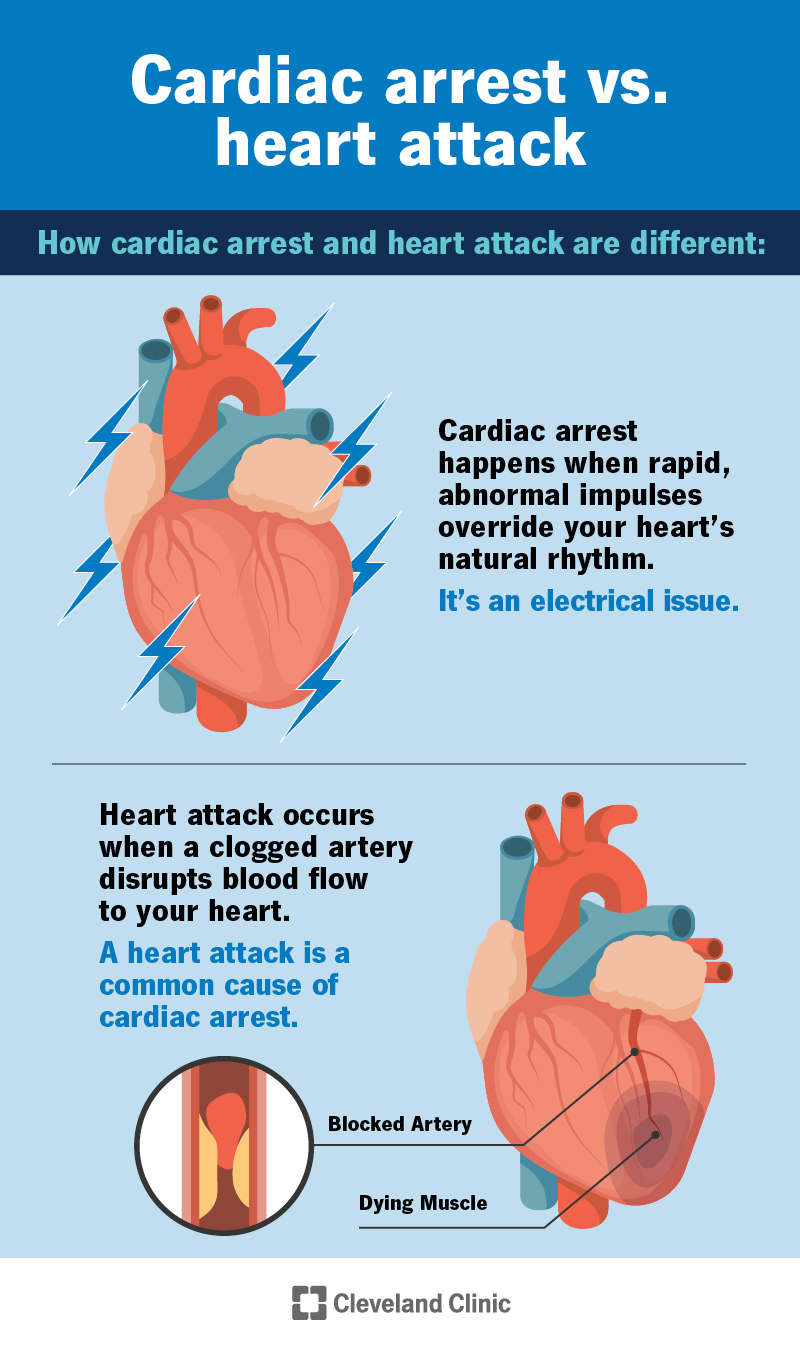
Coronary artery disease is one of the leading causes of heart attacks. It occurs when the arteries that supply blood to the heart become narrow or blocked, restricting blood flow. This can happen due to the build-up of plaque, a substance made of cholesterol, fat, calcium, and other substances. When the flow of blood is severely restricted or completely blocked, it can result in a heart attack.
High blood pressure, also known as hypertension, is another major risk factor for heart attacks. When the force of blood against the artery walls is consistently too high, it can cause damage to the blood vessels over time. This damage can lead to the formation of fatty deposits and blood clots, increasing the likelihood of a heart attack.
Smoking and tobacco use are well-established risk factors for heart attacks. The chemicals present in tobacco smoke can damage the lining of blood vessels, increase blood pressure, reduce oxygen levels, and promote the formation of blood clots. Quitting smoking or avoiding tobacco use altogether is crucial in reducing the risk of heart attacks.
Obesity and physical inactivity are closely linked to an increased risk of heart attacks. Excess weight puts additional strain on the heart, raises blood pressure, and contributes to the development of other risk factors such as diabetes. Regular physical activity is essential for maintaining a healthy weight, improving cardiovascular health, and reducing the likelihood of a heart attack.
By understanding these causes and taking appropriate measures to address them, you can significantly reduce your risk of heart attacks. Consulting with healthcare professionals, making necessary lifestyle changes, and adopting preventive measures can play a crucial role in maintaining heart health.
Reducing the risk factors for heart attacks
Reducing the risk factors associated with heart attacks is essential for promoting heart health and overall well-being. While some risk factors, such as age and family history, are beyond your control, there are several lifestyle modifications you can implement to minimize your chances of experiencing a heart attack. Here are some key strategies:
Maintaining a healthy weight is crucial for reducing the risk of heart attacks. Excess weight puts additional strain on the heart, increases blood pressure, and contributes to the development of other risk factors such as diabetes. To achieve a healthy weight, focus on a balanced diet and regular physical activity. Consult with a healthcare professional or a registered dietitian to develop a personalized plan that suits your specific needs and goals.
Smoking is a significant risk factor for heart attacks. If you are a smoker, quitting is one of the most impactful steps you can take to improve your heart health. Seek assistance from healthcare professionals, join support groups, or explore smoking cessation programs to increase your chances of success. Remember, quitting smoking not only benefits your heart but also enhances your overall health and well-being.
Managing stress levels is crucial in promoting heart health. Chronic stress can have a negative impact on your cardiovascular system, increasing blood pressure and the risk of heart attacks. Find stress management techniques that work for you, such as relaxation exercises, meditation, or engaging in enjoyable hobbies. Reach out for support from friends, family, or professionals if you feel overwhelmed or unable to manage your stress effectively.
Regular exercise is essential for reducing the risk factors associated with heart attacks. Engaging in aerobic exercises, such as brisk walking, jogging, swimming, or cycling, can improve cardiovascular health, strengthen the heart, and reduce the likelihood of a heart attack. Additionally, incorporating strength training exercises into your routine can help maintain or build muscle mass, which is beneficial for overall heart health.
By actively implementing these strategies, you can lower your risk of heart attacks and improve your overall cardiovascular health. Remember, it is never too late to make positive changes, and even small steps can have a significant impact on your heart health.
Recovering from a heart attack
Surviving a heart attack is a life-changing experience that requires a comprehensive approach to recovery. Here are some vital steps to ensure a successful recovery and minimize the risk of future heart problems:
Following medical advice is paramount in the recovery process after a heart attack. Consult with your healthcare team to understand the specific recommendations for your condition, such as medication regimens, follow-up appointments, and lifestyle modifications. Adhering to these guidelines can help manage risk factors, promote cardiac healing, and reduce the likelihood of future heart attacks.
Adopting heart-healthy lifestyle changes is crucial for long-term recovery and prevention. This includes maintaining a well-balanced diet, engaging in regular physical activity, quitting smoking, and effectively managing stress levels. Work closely with your healthcare team to create a personalized plan that addresses your specific needs and goals. Small, sustainable changes to your lifestyle can have a profound impact on your cardiovascular health.
Attending cardiac rehabilitation is highly recommended for individuals who have experienced a heart attack. Cardiac rehabilitation programs offer a structured and supervised environment to aid in your recovery. These programs typically include a combination of exercises, education, and support to help you regain strength, manage risk factors, and adjust to life after a heart attack. Participating in cardiac rehabilitation can significantly improve your overall well-being and reduce the risk of future cardiovascular events.
Recovering from a heart attack is a journey that requires commitment, patience, and support. Be kind to yourself, allow adequate time for rest, and seek assistance from healthcare professionals, family, and friends when needed. Remember, you are not alone on this path, and with the right mindset and support system, you can overcome the challenges and lead a fulfilling, heart-healthy life.
Medications for heart attack survivors
Medications play a crucial role in the treatment and management of heart attack survivors, aiming to reduce the risk of future heart problems and promote overall cardiovascular health. Here are some commonly prescribed medications:
Beta blockers are often prescribed to heart attack survivors. These medications help reduce blood pressure, slow the heart rate, and decrease the workload on the heart. By doing so, beta blockers can improve heart function, decrease the risk of future heart attacks, and alleviate symptoms such as chest pain or shortness of breath. It is important to take beta blockers exactly as prescribed and follow up with your healthcare provider for any necessary adjustments.
Antiplatelet drugs are frequently administered to heart attack survivors to prevent blood clots. These medications, such as aspirin and clopidogrel, inhibit the aggregation of platelets, which are responsible for blood clot formation. By reducing the likelihood of blood clots, antiplatelet drugs can help prevent future heart attacks and strokes. However, it is essential to adhere to the prescribed dosage and follow your healthcare provider’s instructions, as these medications can increase the risk of bleeding.
Statins are commonly prescribed to heart attack survivors to manage cholesterol levels. These medications work by inhibiting the production of cholesterol in the liver and may also help stabilize plaque build-up in the arteries. By lowering cholesterol levels, statins can reduce the risk of future heart attacks and improve overall cardiovascular health. Regular monitoring of cholesterol levels and close communication with your healthcare provider is essential when taking statins.
ACE inhibitors (angiotensin-converting enzyme inhibitors) may be prescribed to heart attack survivors with certain underlying conditions, such as high blood pressure or heart failure. These medications work by relaxing blood vessels, reducing strain on the heart, and decreasing blood pressure. By doing so, ACE inhibitors can improve heart function and reduce the risk of future heart problems. Regular check-ups and communication with your healthcare team are recommended to ensure optimal dosage and monitor potential side effects.
It is essential to take these medications as prescribed and communicate any concerns or side effects with your healthcare provider. Understanding the purpose and potential benefits of these medications can empower you to take an active role in your recovery and overall cardiovascular health.
Dietary changes for heart attack survivors
Following a heart attack, making dietary changes is crucial for promoting heart health and preventing future cardiovascular problems. Here are some key aspects to consider when adopting a heart-healthy diet:
Eating a heart-healthy diet is essential for maintaining cardiovascular health after a heart attack. Focus on consuming a variety of nutrient-rich foods, including fruits, vegetables, whole grains, lean proteins, and healthy fats. Limit the consumption of foods high in saturated fats, trans fats, cholesterol, and sodium, as these can increase the risk of heart problems. Emphasizing nutrient-dense, whole foods can provide essential vitamins, minerals, and antioxidants necessary for optimal heart health.
Limiting sodium intake is particularly important when following a heart-healthy diet. High sodium intake can contribute to high blood pressure, fluid retention, and an increased workload on the heart. Read food labels carefully, choose low-sodium alternatives, and limit the use of salt in cooking and at the table. Additionally, avoid processed and packaged foods, as they often contain high levels of sodium.
Increasing intake of fruits and vegetables is highly beneficial for heart attack survivors. These foods are rich in essential nutrients, fiber, and antioxidants that can help reduce inflammation, promote healthy blood pressure levels, and support overall heart health. Aim to incorporate a variety of colorful fruits and vegetables into your daily meals and snacks to maximize nutritional benefits.
Reducing consumption of processed foods is crucial for maintaining heart health. Processed foods are typically high in unhealthy fats, added sugars, sodium, and artificial additives. These ingredients can increase the risk of obesity, high blood pressure, and other heart problems. Focus on consuming whole, unprocessed foods, and opt for homemade meals to have better control over the ingredients.
By adopting these dietary changes, you can support your recovery after a heart attack and maintain optimal heart health. Consult with a registered dietitian or your healthcare team to develop a personalized meal plan that suits your specific needs and preferences. Remember, small, sustainable changes can have a profound impact on your well-being and reduce the risk of future heart problems.
Exercise guidelines for heart attack survivors
Regular exercise is a crucial component of heart attack recovery and ongoing heart health. However, it is important to approach exercise with caution and follow specific guidelines to ensure safety and maximum benefits. Here are some key factors to consider when exercising after a heart attack:
Consulting with a healthcare professional is essential before starting or modifying your exercise routine after a heart attack. Your healthcare team can evaluate your specific condition, assess your fitness level, and provide personalized recommendations for exercise. This can help ensure that you engage in activities that are safe and appropriate for your individual circumstances.
Gradually increasing physical activity is essential when recovering from a heart attack. It is important to start slowly and gradually build up your exercise tolerance over time. Begin with low-intensity activities, such as walking or stationary cycling, and gradually increase the duration and intensity as advised by your healthcare provider. This progressive approach allows your body to adapt and reduces the risk of overexertion or complications.
Incorporating aerobic exercises into your routine is highly beneficial for heart attack survivors. Aerobic exercises, also known as cardio exercises, help strengthen the heart and improve cardiovascular fitness. Walking, jogging, swimming, cycling, and dancing are all examples of aerobic activities that can be gradually integrated into your routine. Aim for at least 150 minutes of moderate-intensity aerobic exercise each week, or as advised by your healthcare provider.
Including strength training exercises is also important for heart attack survivors. Strengthening exercises help build muscle mass, increase bone density, and improve overall physical function. Begin with light weights or resistance bands and gradually increase the intensity over time. Focus on working different muscle groups, including the upper body, lower body, and core. Including strength training exercises two to three times per week, with a day of rest in between, is generally recommended.
It is crucial to listen to your body and pay attention to any signs or symptoms during exercise. If you experience chest pain, extreme shortness of breath, dizziness, or lightheadedness, stop exercising and seek immediate medical attention. Modifying your exercise routine, as recommended by your healthcare provider, can help you safely and effectively improve your cardiovascular fitness and overall well-being.
Emotional well-being after a heart attack
Recovering from a heart attack involves not only physical healing but also emotional well-being. It is common to experience various emotions, such as anxiety, depression, fear, or frustration, during this time. Here are some strategies to manage post-heart attack emotions and promote mental well-being:
Managing post-heart attack anxiety and depression is essential for emotional well-being. It is not uncommon to feel anxious or depressed after a heart attack due to concerns about future health, lifestyle changes, or fear of another cardiac event. If you are struggling with anxiety or depression, it is important to seek professional help. Mental health professionals can provide guidance, support, and appropriate interventions to help you navigate these emotions.
Seeking support from friends and family is crucial during the recovery process. Surround yourself with loved ones who can offer emotional support, encouragement, and understanding. Communicate openly with your support network about your emotions, concerns, or any specific needs you may have. Sharing your feelings can help alleviate the emotional burden and prevent feelings of isolation.
Joining support groups or counseling sessions specifically for heart attack survivors can be immensely beneficial. Connecting with people who have gone through similar experiences can provide a sense of comfort, validation, and encouragement. Support groups can also offer valuable insights, coping strategies, and practical tips for managing life after a heart attack. Additionally, individual counseling can help you address specific emotional challenges and develop effective coping mechanisms.
Practicing relaxation techniques can help reduce stress and promote emotional well-being. Deep breathing exercises, meditation, mindfulness, or engaging in calming activities such as listening to music or spending time in nature can all contribute to relaxation. Find techniques that resonate with you and incorporate them into your daily routine. Consistency is key, so aim to dedicate regular time for relaxation to help manage your emotions effectively.
By prioritizing emotional well-being, seeking professional support, and connecting with others who have had similar experiences, you can navigate the emotional challenges associated with heart attack recovery. Remember, it is normal to have these emotions, and reaching out for help is a sign of strength and self-care.
Preventing future heart attacks
After surviving a heart attack, it is crucial to take proactive measures to prevent future cardiac events. Here are some key strategies for reducing the risk and maintaining optimal heart health:
Continuing with prescribed medications is vital for preventing future heart attacks. Follow your healthcare provider’s recommendations regarding medication regimens, dosage, and potential adjustments. Take medications as prescribed and communicate any concerns, side effects, or changes in your health to your healthcare team. Some medications, such as antiplatelet drugs and statins, play a crucial role in preventing blood clots, managing cholesterol levels, and reducing the risk of future heart problems.
Annual check-ups and monitoring are important for ongoing heart health. Regular visits to your healthcare provider allow for comprehensive assessments of your cardiovascular health, evaluation of risk factors, and monitoring of vital parameters such as blood pressure, cholesterol levels, and blood sugar levels. Through annual check-ups, potential issues can be identified and addressed proactively, reducing the risk of future heart problems.
Maintaining a heart-healthy lifestyle is paramount in preventing future heart attacks. Continue to prioritize a well-balanced diet, regular physical activity, stress management, and avoidance of tobacco use. By making these lifestyle choices a consistent part of your daily routine, you can effectively manage risk factors and promote optimal heart health.
Being vigilant about warning signs is important to identify any potential cardiac problems in a timely manner. Familiarize yourself with the signs and symptoms of a heart attack and pay attention to any unusual changes in your health. Promptly seek medical attention if you experience chest pain or discomfort, upper body pain or discomfort, shortness of breath, cold sweats, or nausea. Early intervention plays a crucial role in reducing the impact of a heart attack.
By incorporating these preventive strategies into your life, you can significantly reduce the risk of future heart attacks and maintain optimal cardiovascular health. Empower yourself with knowledge, engage in open communication with your healthcare team, and prioritize self-care to lead a heart-healthy life.
Surviving a Heart Attack: A Comprehensive Guide to Recovery and Prevention
Heart Attack.
Introduction:
A heart attack is a serious medical emergency that can have life-threatening consequences. Recognizing the signs and symptoms of a heart attack is essential for seeking immediate medical attention. This comprehensive guide aims to provide you with a thorough understanding of heart attack recognition, immediate response tactics, causes and risk factors, recovery strategies, medications, dietary changes, exercise guidelines, emotional well-being, and preventive measures. By equipping yourself with knowledge and adopting proactive measures, you can minimize the likelihood of experiencing a heart attack and maximize your chances of a successful recovery. Remember, your heart health is in your hands.
Recognizing the Signs of a Heart Attack:
The first step in responding to a heart attack is recognizing the signs and symptoms. While chest pain or discomfort is the most commonly known symptom, it is important to be aware of other potential indicators. Upper body pain or discomfort, shortness of breath, cold sweats, and nausea are also typical signs. However, it is important to note that symptoms can vary from person to person, and they can even differ between men and women. If you experience any of these signs, it is crucial to seek immediate medical attention. Dial emergency services, take aspirin if advised by a healthcare professional, stay calm, and find a quiet place to wait for help. Every second counts during a heart attack, so prompt action is of the utmost importance.
Understanding the Causes of a Heart Attack:
To effectively prevent heart attacks, it is vital to understand the causes and risk factors associated with this condition. Coronary artery disease, high blood pressure, smoking and tobacco use, and obesity and physical inactivity are among the key causes. Coronary artery disease occurs when the arteries that supply blood to the heart become narrow or blocked, limiting blood flow. High blood pressure, smoking, and tobacco use can all contribute to the development of this condition. Obesity and physical inactivity can also increase the risk of heart attacks by putting additional strain on the heart and promoting the development of other risk factors. By understanding these causes, you can take appropriate steps to reduce the risk factors and improve your heart health.
Reducing the Risk Factors for Heart Attacks:
Reducing the risk factors associated with heart attacks is essential for maintaining optimal cardiovascular health. While some risk factors cannot be changed, such as age and family history, many lifestyle modifications can significantly minimize the chances of experiencing a heart attack. Maintaining a healthy weight, quitting smoking, managing stress levels, and exercising regularly are all impactful strategies. By focusing on these lifestyle changes, you can improve heart health, reduce the likelihood of a heart attack, and enhance overall well-being. Remember, small, sustainable changes can lead to significant long-term benefits.
Recovering from a Heart Attack:
Surviving a heart attack is a life-altering experience that calls for a comprehensive approach to recovery. Following medical advice, adopting heart-healthy lifestyle changes, and attending cardiac rehabilitation are vital steps. Cardiac rehabilitation programs offer structured environments to aid in recovery, with a combination of exercises, education, and support. By adhering to medical advice and making necessary lifestyle changes, you can improve your heart health and reduce the chances of future heart problems.
Medications for Heart Attack Survivors:
Medications play a crucial role in the treatment and management of heart attack survivors. Beta blockers help reduce blood pressure and workload on the heart, while antiplatelet drugs prevent blood clots that can worsen the condition. Statins manage cholesterol levels, and ACE inhibitors help relax blood vessels and reduce blood pressure. Taking medications as prescribed and communicating with healthcare providers are essential for maintaining optimal cardiovascular health and preventing future heart attacks.
Dietary Changes for Heart Attack Survivors:
Following a heart attack, making dietary changes is essential for promoting heart health and preventing future cardiovascular problems. Eating a heart-healthy diet, limiting sodium intake, increasing fruits and vegetables, and reducing consumption of processed foods are all important considerations. By focusing on nutrient-rich foods and monitoring sodium intake, you can support recovery and maintain optimal heart health.
Exercise Guidelines for Heart Attack Survivors:
Regular exercise is crucial for heart attack recovery and ongoing heart health. Consulting with healthcare professionals is important to ensure safety and receive personalized recommendations. Gradually increasing physical activity, incorporating aerobic and strength training exercises, and paying attention to your body are all key factors for a successful exercise routine after a heart attack. By implementing these guidelines, you can improve cardiovascular fitness, strengthen the heart, and reduce the risk of future heart problems.
Emotional Well-being after a Heart Attack:
Recovering from a heart attack involves both physical and emotional healing. Managing post-heart attack anxiety and depression, seeking support from friends and family, joining support groups or counseling, and practicing relaxation techniques are all valuable strategies. Prioritizing emotional well-being, seeking professional help when needed, and connecting with others who have had similar experiences can support emotional recovery and overall well-being.
Preventing Future Heart Attacks:
Preventing future heart attacks requires proactive measures and ongoing commitment. Continuing with prescribed medications, annual check-ups for monitoring, maintaining a heart-healthy lifestyle, and being vigilant about warning signs are all crucial strategies. By actively participating in your heart health and following preventive measures, you can significantly reduce the risk of future heart attacks and enhance overall cardiovascular well-being.
Conclusion:
Surviving a heart attack is a life-altering experience that calls for comprehensive action. Recognizing the signs and symptoms, responding immediately, understanding the causes, reducing risk factors, adopting heart-healthy habits, participating in cardiac rehabilitation, taking prescribed medications, making dietary changes, following exercise guidelines, prioritizing emotional well-being, and preventing future heart attacks are all essential aspects of the recovery journey. By integrating these strategies into your life, you can improve heart health, enhance overall well-being, and lead a fulfilling, heart-healthy life. Remember, you have the power to protect your heart and ensure a positive future.