
Hey, your heart is a vital organ that deserves all the love and care in the world. Unfortunately, heart attacks can occur and when they do, it’s crucial to take immediate action. In this article, we will take a look at the various treatment options available for heart attack patients. From medications to medical procedures, we’ll explore the different approaches that medical professionals use to help patients recover and regain their heart health. So, stick around and let’s learn more about the amazing treatment options out there for those who have experienced a heart attack.

Emergency Treatment
Calling Emergency Medical Services (EMS)
In the event of a heart attack, it is crucial to call Emergency Medical Services (EMS) immediately. Time is of the essence, and the quicker medical professionals can attend to you, the better your chances of survival and recovery. Dial your local emergency number or 911 and provide them with accurate information about your condition. Stay calm and follow the instructions given by the operator until help arrives.
Initial Assessment and Stabilization
Once EMS arrives, they will conduct an initial assessment to evaluate your condition. This involves checking vital signs such as your heart rate, blood pressure, and oxygen levels. They will also perform an electrocardiogram (ECG) to determine if you are experiencing a heart attack. If necessary, the EMS team will provide immediate stabilization measures like administering oxygen and assisting with breathing. They will also prepare for further treatment upon arrival at the hospital.
Administering Aspirin
During a heart attack, it is common for blood clotting to occur, blocking the arteries that supply the heart with oxygen-rich blood. EMS may administer aspirin to help prevent further clot formation and improve blood flow to the heart. Chewing a regular, non-coated aspirin as soon as possible can also be beneficial if EMS has not arrived yet.
Oxygen Therapy
Oxygen therapy is often provided to heart attack patients to ensure adequate oxygen supply to the heart and other organs. Oxygen is delivered through a mask or nasal cannula and helps alleviate the strain on the heart, reduce chest pain, and provide relief. EMS will determine the appropriate dosage and duration of oxygen therapy based on your condition.
Nitroglycerin Administration
Nitroglycerin is a medication that helps widen the blood vessels and reduce the workload on the heart. EMS may administer nitroglycerin to treat chest pain and improve blood flow to the heart. It is commonly given as a sublingual tablet that dissolves under the tongue, allowing for rapid absorption. If you have been prescribed nitroglycerin previously and have it with you during a heart attack, you may take it as directed by your doctor or as advised by EMS.
Medical Procedures
Coronary Angioplasty and Stenting
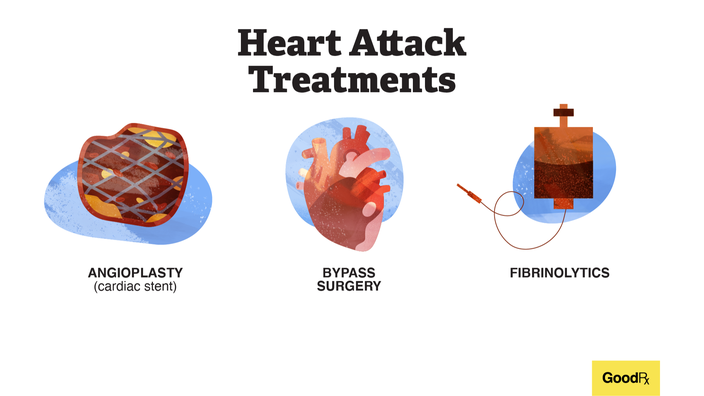
Coronary angioplasty, also known as percutaneous coronary intervention (PCI), is a procedure used to open narrowed or blocked coronary arteries. During the procedure, a thin tube called a catheter is threaded through a blood vessel to the site of the blockage. A balloon attached to the catheter is then inflated, compressing the plaque and widening the artery. In many cases, a stent is inserted to help keep the artery open and improve blood flow.
Coronary Artery Bypass Surgery
Coronary artery bypass surgery is a surgical procedure used to bypass blocked coronary arteries. During this procedure, a healthy blood vessel, usually taken from the leg, arm, or chest, is used to create a detour around the blocked or narrowed artery. This allows blood to flow freely to the heart muscle, bypassing the blockage.
Thrombolytic Therapy
Thrombolytic therapy, also known as clot-busting therapy, is a treatment option used to dissolve blood clots that cause a heart attack. It involves the administration of medications that break down the clot, restoring blood flow to the heart. Thrombolytic therapy is typically administered through an intravenous line and should be initiated as early as possible after a heart attack.
Implantable Cardioverter Defibrillator (ICD) Placement
For individuals at high risk of life-threatening heart rhythms, an implantable cardioverter defibrillator (ICD) may be placed. This small device is surgically implanted under the skin and continuously monitors the heart’s rhythm. If it detects an abnormal rhythm, it delivers an electric shock to restore the normal rhythm. ICD placement reduces the risk of sudden cardiac arrest and can be life-saving.
Medications
Antiplatelet Drugs
Antiplatelet drugs, such as aspirin, clopidogrel, and ticagrelor, are commonly prescribed to heart attack patients. These medications help prevent blood clot formation by inhibiting the aggregation of platelets. Antiplatelet drugs are typically prescribed for long-term use to reduce the risk of further heart attacks and complications.
Anticoagulants
Anticoagulants, such as heparin and warfarin, are medications that prevent the formation of blood clots. They work by interfering with the clotting process and reducing the risk of blockages in the coronary arteries. Anticoagulants may be prescribed in addition to or instead of antiplatelet drugs, depending on the individual’s condition and medical history.
Beta Blockers
Beta blockers are medications that help reduce the heart’s workload and lower blood pressure. They do this by blocking the effects of certain hormones, such as adrenaline, on the heart. Beta blockers can improve heart function, relieve chest pain, and prevent future heart attacks. Commonly prescribed beta blockers include metoprolol, carvedilol, and atenolol.
ACE Inhibitors
ACE inhibitors, such as lisinopril and ramipril, are medications that help relax and widen blood vessels, reducing blood pressure and strain on the heart. They are commonly prescribed to individuals who have experienced a heart attack to prevent further damage to the heart and improve overall cardiac function.
Angiotensin Receptor Blockers (ARBs)
Similar to ACE inhibitors, angiotensin receptor blockers (ARBs) also help relax the blood vessels and lower blood pressure. They are often prescribed as an alternative to ACE inhibitors for individuals who may experience side effects from ACE inhibitors. Commonly prescribed ARBs include losartan and valsartan.
Statins
Statins are medications used to lower cholesterol levels and reduce the risk of heart disease. They work by blocking an enzyme in the liver that produces cholesterol. Statins, such as atorvastatin and simvastatin, are commonly prescribed to heart attack patients to help prevent further plaque buildup in the arteries and reduce the risk of future cardiovascular events.
Pain Medications
During a heart attack, individuals may experience severe chest pain or discomfort. Pain medications, such as nitroglycerin or opioids, may be administered to provide relief. Nitroglycerin helps relax and widen blood vessels, relieving chest pain and improving blood flow. Opioids, such as morphine, may be used in more severe cases to manage pain and keep the patient comfortable.
Cardiac Rehabilitation
Exercise
Cardiac rehabilitation plays a vital role in the recovery and long-term management of heart attack patients. Exercise is a fundamental component of cardiac rehabilitation as it helps improve cardiovascular fitness, strengthen the heart muscle, and enhance overall well-being. Under the supervision of healthcare professionals, patients engage in tailored exercise programs that gradually increase in intensity.
Education and Counseling
Cardiac rehabilitation programs also provide education and counseling to heart attack patients. This includes information on lifestyle modifications, medication management, and the importance of adhering to medical advice. Education aims to empower individuals with the knowledge to make informed decisions about their health while counseling helps address any emotional or psychological concerns that may arise.
Psychological Support
Psychological support is an essential aspect of cardiac rehabilitation. The emotional impact of experiencing a heart attack can be significant and may lead to anxiety, depression, or fear. Through counseling and support groups, individuals can share their experiences and learn coping mechanisms to navigate the emotional challenges associated with their condition.
Lifestyle Changes
Smoking Cessation
One of the most crucial lifestyle changes for heart attack patients is quitting smoking. Smoking damages blood vessels, increases the risk of blood clot formation, and contributes to plaque buildup in the arteries. By quitting smoking, individuals can significantly reduce their risk of future heart attacks and improve their overall cardiovascular health.
Healthy Diet
Adopting a healthy diet is essential for heart attack patients. A diet rich in fruits, vegetables, whole grains, and lean proteins can help lower cholesterol levels, maintain a healthy weight, and manage blood pressure. Minimizing the consumption of saturated and trans fats, sodium, and added sugars is also recommended.
Weight Management
Maintaining a healthy weight is crucial for heart attack patients. Excess body weight puts additional strain on the heart and increases the risk of cardiovascular complications. Engaging in regular physical activity and following a balanced diet can help individuals achieve and maintain a healthy weight.
Physical Activity
Regular physical activity is beneficial for heart attack patients. Engaging in moderate-intensity aerobic exercises, such as brisk walking, swimming, or cycling, helps strengthen the heart, improve circulation, and enhance overall cardiovascular fitness. It is important to consult with healthcare professionals to determine the appropriate level of exercise intensity and duration.
Control of Chronic Conditions
Heart attack patients often have underlying chronic conditions, such as hypertension or diabetes, that can exacerbate their cardiovascular health. Managing these conditions through regular medical check-ups, medication adherence, and lifestyle modifications is crucial in preventing future heart attacks and complications.
Long-Term Medications
Antiplatelet Drugs
Long-term use of antiplatelet drugs, such as aspirin or clopidogrel, is commonly prescribed to heart attack patients. These medications help prevent blood clot formation and reduce the risk of further heart attacks or complications. It is important to adhere to the prescribed dosage and consult with healthcare professionals before making any changes.
Beta Blockers
Similarly, long-term use of beta blockers is often recommended for heart attack patients. Beta blockers help maintain heart function, control blood pressure, and reduce the workload on the heart. Regular monitoring and follow-up appointments with healthcare professionals are necessary to ensure optimal dosage and effectiveness.
ACE Inhibitors
Long-term use of ACE inhibitors may be prescribed to heart attack patients to improve heart function, manage blood pressure, and reduce the risk of future cardiac events. Compliance with medication regimens and regular check-ups are essential to monitor the effects and adjust dosages as needed.
Angiotensin Receptor Blockers (ARBs)
For individuals who cannot tolerate ACE inhibitors or have specific contraindications, angiotensin receptor blockers (ARBs) may be prescribed instead. These medications provide similar benefits in relaxing blood vessels, improving blood pressure control, and reducing strain on the heart. Regular communication with healthcare professionals is important to ensure appropriate usage.
Statins
As previously mentioned, statins are commonly prescribed to heart attack patients for long-term management. These medications help lower cholesterol levels, prevent plaque buildup in the arteries, and decrease the risk of future cardiovascular events. Regular lipid profile screenings and discussions with healthcare professionals will ensure optimal cholesterol management.

Treatment for Complications
Arrhythmia Management
Heart attack patients may experience irregular heart rhythms (arrhythmias) as a complication. Proper management of arrhythmias is crucial to prevent further complications. Medications, such as beta blockers or antiarrhythmic drugs, may be prescribed. In more severe cases, procedures like electrical cardioversion or ablation may be recommended to restore normal heart rhythm.
Heart Failure Management
Heart failure can occur as a result of a heart attack, where the heart is unable to pump blood effectively. Medications like ACE inhibitors, ARBs, and diuretics are commonly prescribed to manage heart failure symptoms, improve heart function, and reduce fluid buildup. Lifestyle modifications and regular monitoring are also important components of heart failure management.
Cardiogenic Shock Treatment
Cardiogenic shock is a life-threatening condition where the heart cannot supply enough blood to the body’s organs. Immediate treatment is essential and may involve medications to stabilize blood pressure, oxygen therapy, and interventions such as coronary angioplasty or bypass surgery. Intensive care and close monitoring are necessary during cardiogenic shock treatment.
Pulmonary Edema Treatment
Pulmonary edema is a condition characterized by fluid accumulation in the lungs, often resulting from heart failure or a heart attack. Treatment focuses on relieving the accumulation of fluid through the administration of diuretics, oxygen therapy, and medications to improve heart function and reduce strain. Close monitoring and follow-up care are important for managing pulmonary edema effectively.
Alternative Therapies
Acupuncture
Acupuncture is a form of traditional Chinese medicine that involves the insertion of thin needles into specific points on the body. Some heart attack patients may find acupuncture beneficial for managing stress, anxiety, and pain. While it is important to consult with healthcare professionals before pursuing acupuncture, it may be considered as a complementary therapy alongside conventional treatments.
Herbal Supplements
Certain herbal supplements, such as hawthorn, garlic, or omega-3 fatty acids, are believed to have potential cardiovascular benefits. However, it is essential to exercise caution when considering herbal supplements, as they can interact with prescribed medications and may not undergo the same rigorous testing and regulation as conventional medications. Discussing the use of herbal supplements with healthcare professionals is recommended.
Meditation and Relaxation Techniques
Meditation and relaxation techniques can help reduce stress, anxiety, and promote overall well-being. Practices such as deep breathing, mindfulness meditation, or guided imagery may be beneficial for heart attack patients in managing their emotional and psychological health. These techniques can be learned through cardiac rehabilitation programs or with the guidance of trained professionals.

Follow-up Care
Scheduled Appointments
After a heart attack, regular follow-up appointments with healthcare professionals are essential for monitoring your progress, adjusting medications or treatments as needed, and addressing any concerns or questions. These appointments provide an opportunity to evaluate your recovery, assess your risk factors, and develop a personalized plan for ongoing care.
Medication Adherence
Adhering to prescribed medication regimens is crucial for heart attack patients. This ensures the continued effectiveness of medications in managing risk factors, preventing future heart attacks, and maintaining overall cardiovascular health. It is important to understand the purpose, dosage, and potential side effects of each medication and communicate any difficulties or concerns with healthcare professionals.
Lifestyle Modifications
Continuing with the lifestyle modifications recommended during cardiac rehabilitation is vital for long-term recovery and prevention of future heart attacks. Maintaining a healthy diet, engaging in regular physical activity, managing stress, and quitting smoking require ongoing commitment and dedication. Support from healthcare professionals, family, and support groups can facilitate successful lifestyle modifications.
Support Groups or Counseling
Joining a support group or seeking counseling can be beneficial for heart attack patients. Connecting with individuals who have shared similar experiences can provide emotional support, a sense of community, and an opportunity to learn from others. Professional counseling can also help address any lingering emotional or psychological challenges and provide strategies to cope with the impact of the heart attack.
Clinical Trials
Participating in Research Studies and Trials
Clinical trials play a vital role in advancing medical knowledge and treatment options for heart attack patients. Participating in research studies and trials may provide access to innovative therapies or treatment approaches. However, it is crucial to carefully consider the potential risks and benefits of participation and consult with healthcare professionals before making a decision.
Experimental Treatments and Therapies
Experimental treatments and therapies are constantly being explored and developed to improve outcomes for heart attack patients. These can range from new medications and procedures to innovative technologies and techniques. As these treatments are not yet standard practice, it is important to understand the experimental nature and potential risks involved. Discussing the feasibility and appropriateness of experimental treatments with healthcare professionals is essential.
