
If you’re someone who deals with excessive sweating, you’re not alone. Hyperhidrosis, a condition characterized by uncontrollable and excessive sweating, affects millions of people worldwide. But the good news is that there are effective treatment options available to help you manage this condition. In this article, we’ll explore some of these treatment options, from prescription antiperspirants to minimally invasive procedures, providing you with the information you need to make an informed decision about your hyperhidrosis treatment. So, sit back, relax, and let’s delve into the world of effective treatments for hyperhidrosis.

Overview of Hyperhidrosis
Hyperhidrosis is a condition characterized by excessive sweating beyond what is needed to regulate body temperature. It can occur in various parts of the body, such as the underarms, palms of the hands, soles of the feet, and even the face. This condition often causes embarrassment and discomfort, leading individuals to seek effective treatment options. In this article, we will explore a comprehensive range of treatment options for hyperhidrosis, including non-surgical treatments, surgical options, alternative therapies, lifestyle changes, complementary therapies, supportive measures, investigational treatments, and potential side effects and complications.
Definition
Hyperhidrosis, also known as excessive sweating, is a medical condition that affects millions of people worldwide. It is not a normal response to physical activity, heat, or stress. Individuals with hyperhidrosis experience profuse sweating that exceeds the body’s normal needs, often disrupting daily activities and causing social and emotional distress. While hyperhidrosis does not pose a serious health risk, it can significantly impact an individual’s quality of life.
Types of Hyperhidrosis
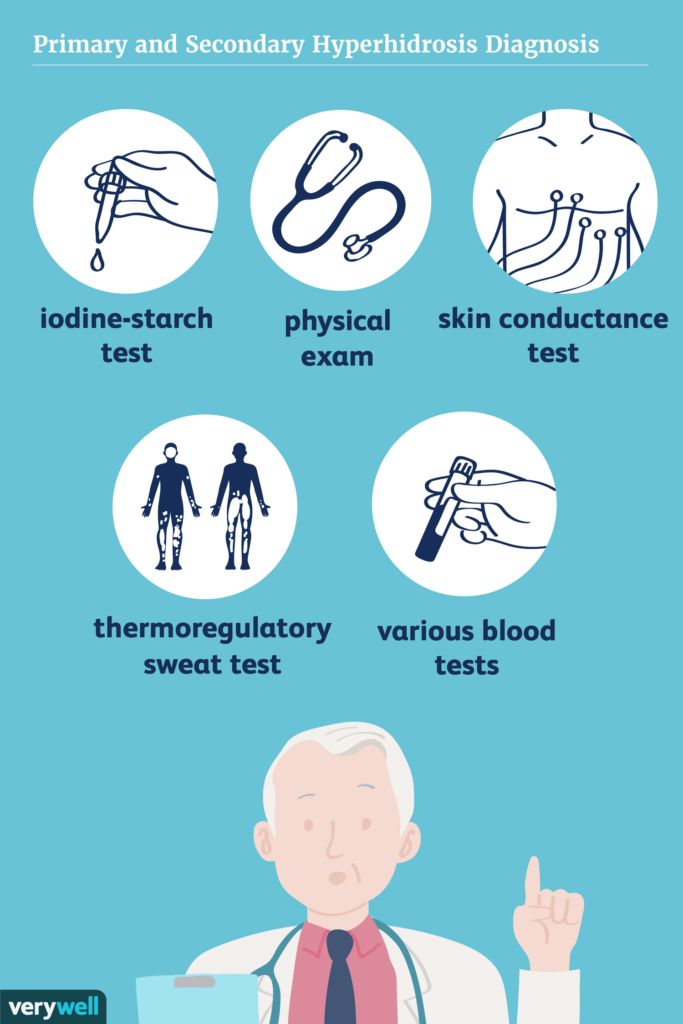
There are two primary types of hyperhidrosis: primary focal hyperhidrosis and secondary generalized hyperhidrosis. Primary focal hyperhidrosis is the most common type and typically affects specific areas of the body, such as the underarms, palms, soles, or face. On the other hand, secondary generalized hyperhidrosis is usually a result of an underlying medical condition or medication side effect and involves excessive sweating throughout the entire body.
Causes
The exact cause of primary focal hyperhidrosis is still unknown, but it is believed to be a result of a combination of genetic and environmental factors. Secondary generalized hyperhidrosis, on the other hand, can be triggered by a variety of factors, including certain medical conditions such as diabetes, menopause, thyroid problems, certain medications, and hormonal changes. It is essential to identify the cause of hyperhidrosis to determine the most appropriate treatment options.
Non-Surgical Treatment Options
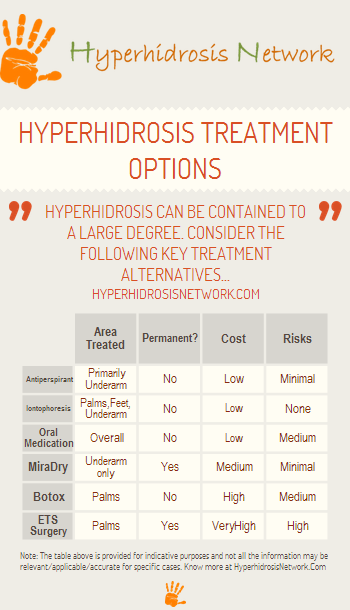
Non-surgical treatment options for hyperhidrosis include topical antiperspirants, prescription medications, and the use of iontophoresis.
Topical Antiperspirants
One of the most common and easily accessible non-surgical treatments for hyperhidrosis is the use of topical antiperspirants. These antiperspirants contain aluminum chloride, which helps block sweat glands and reduce sweating. It is recommended to apply them to clean, dry skin before bed and wash off in the morning. Regular use can provide effective relief for many individuals with hyperhidrosis.
Prescription Medications
In cases where topical antiperspirants are not sufficient, healthcare providers may prescribe oral medications to reduce excessive sweating. These medications typically work by blocking the chemical signals that stimulate sweat glands. It is important to note that these medications may have side effects, and their effectiveness varies from person to person. Therefore, close monitoring and consultation with a healthcare professional are crucial.
Iontophoresis
Iontophoresis is a non-invasive treatment option that involves using a medical device to deliver a mild electric current to the affected areas. This process temporarily blocks the sweat glands and can provide relief from excessive sweating. Iontophoresis is commonly used for treating hyperhidrosis of the hands and feet.
Surgical Treatment Options
For individuals with severe hyperhidrosis that does not respond to non-surgical treatments, surgical options can be considered. The most common surgical treatments for hyperhidrosis include endoscopic thoracic sympathectomy (ETS), laser sweat ablation, and miraDry.
Endoscopic Thoracic Sympathectomy (ETS)
Endoscopic thoracic sympathectomy (ETS) is a surgical procedure that involves cutting or clamping the sympathetic nerves responsible for sweating. This minimally invasive procedure can provide long-term relief from excessive sweating, particularly in the hands and underarms. However, ETS carries risks, and potential complications should be carefully considered before opting for this treatment option.
Laser Sweat Ablation
Laser sweat ablation is a surgical technique that uses laser energy to destroy sweat glands. This procedure is typically performed under local anesthesia and can provide significant improvement in excessive sweating. However, similar to other surgical options, it is important to weigh the potential risks and benefits before undergoing laser sweat ablation.
miraDry
miraDry is a non-invasive, FDA-approved treatment option for excessive underarm sweating. This procedure uses controlled electromagnetic energy to destroy sweat glands in the underarm area. It is a relatively quick and effective treatment option for individuals who prefer non-surgical approaches. However, the long-term effects of miraDry are still being studied, and it may not be suitable for everyone.
Alternative Treatment Options
In addition to conventional treatments, some individuals may explore alternative treatment options for managing hyperhidrosis. These alternative approaches include acupuncture, herbal remedies, and biofeedback.
Acupuncture
Acupuncture, an ancient Chinese practice, involves the insertion of thin needles into specific points in the body to restore the balance of energy. While acupuncture has been used for various conditions, there is limited scientific evidence to support its effectiveness in treating hyperhidrosis. However, some individuals may find acupuncture helpful as a complementary therapy alongside other treatment options.
Herbal Remedies
Certain herbs and botanical extracts, such as sage, witch hazel, and green tea, are believed to possess astringent properties that can help reduce sweating. While these herbal remedies may provide temporary relief and have been used in traditional medicine, their effectiveness for treating hyperhidrosis has not been well-studied in scientific research. It is crucial to consult with a healthcare professional before using any herbal remedies.
Biofeedback
Biofeedback is a technique that involves using electronic devices to monitor and provide real-time feedback about certain body functions, such as heart rate and skin temperature. By learning to control these functions, individuals with hyperhidrosis may be able to reduce excessive sweating. Biofeedback is often used in conjunction with other treatment options and can be an effective tool for managing stress-related sweating.
Lifestyle Changes and Home Remedies
In addition to medical treatments and alternative therapies, there are several lifestyle changes and home remedies that can help individuals manage hyperhidrosis.
Wear Breathable Fabrics
Choosing breathable fabrics that allow proper airflow can help reduce sweating and discomfort. Opting for natural materials like cotton and avoiding synthetic fabrics can make a significant difference. Loose-fitting clothing can also help minimize friction and allow the skin to breathe.
Use Absorbent Products
To manage excessive sweating, using absorbent products such as sweat-resistant undershirts, sweat pads, and shoe inserts can help absorb sweat and reduce discomfort. These products are readily available and can be used in conjunction with other treatment options.
Maintain a Healthy Weight
Maintaining a healthy weight through regular exercise and a balanced diet can have a positive impact on hyperhidrosis. Being overweight or obese can exacerbate sweating, as excess weight can trap heat and hinder proper ventilation. Adopting a healthy lifestyle can help manage hyperhidrosis symptoms.

Complementary Therapies
Complementary therapies can be used alongside medical treatments to provide additional support in managing hyperhidrosis. These therapies include massage therapy, yoga and meditation, and aromatherapy.
Massage Therapy
Massage therapy can help relax the body and reduce stress, which may contribute to excessive sweating. Targeted massage techniques can improve blood circulation and promote overall wellbeing. While massage therapy may not directly treat hyperhidrosis, it can help alleviate the mental and physical stress associated with the condition.
Yoga and Meditation
Yoga and meditation are practices that focus on mindfulness and relaxation. Engaging in regular yoga sessions or practicing meditation techniques can help manage stress levels, reduce anxiety, and promote a sense of calm. These practices can indirectly contribute to managing the symptoms of hyperhidrosis.
Aromatherapy
Aromatherapy involves the use of essential oils derived from plants to promote relaxation and wellbeing. Some essential oils, such as lavender and chamomile, have calming properties that can help manage stress and anxiety associated with hyperhidrosis. However, it is important to note that essential oils should be used with caution, and their effectiveness may vary from person to person.
Supportive Measures
Supportive measures can provide emotional support and opportunities to connect with others experiencing similar challenges. These measures include joining support groups, psychotherapy, and stress management techniques.
Joining Support Groups
Joining support groups, whether online or in-person, can provide individuals with hyperhidrosis a safe space to share their experiences, seek advice, and find emotional support. Connecting with others facing similar challenges can help alleviate feelings of isolation and provide a sense of community.
Psychotherapy
Psychotherapy, such as cognitive-behavioral therapy (CBT), can be beneficial for individuals with hyperhidrosis. Therapists can help individuals develop coping strategies, manage anxiety related to sweating, and improve self-esteem. Psychotherapy can be an essential component of a holistic treatment plan for hyperhidrosis.
Stress Management Techniques
Stress management techniques, such as deep breathing exercises, meditation, and progressive muscle relaxation, can help individuals better cope with stress triggers that may exacerbate sweating. By incorporating these techniques into their daily routine, individuals can learn to manage stress more effectively and reduce the impact of hyperhidrosis on their well-being.
Investigational Treatment Options
Several investigational treatment options are being explored for managing hyperhidrosis. These options include BOTOX injections, microwave thermolysis, and micro-needling therapy.
BOTOX Injections
BOTOX injections, commonly known for their cosmetic use, can also be used to treat hyperhidrosis. BOTOX temporarily blocks the chemical signals responsible for sweat gland activation. This treatment option can provide relief from excessive sweating for several months. However, repeat injections are required to maintain the results.
Microwave Thermolysis
Microwave thermolysis is a novel approach that uses microwave energy to heat and destroy sweat glands. This minimally invasive procedure can effectively reduce sweating in the underarms. While still considered investigational, early studies have shown promising results. Further research is needed to establish the long-term safety and efficacy of microwave thermolysis for hyperhidrosis treatment.
Micro-Needling Therapy
Micro-needling therapy, also known as collagen induction therapy, involves creating controlled micro-injuries to the skin using a small, handheld device. This procedure stimulates collagen production and can improve various skin conditions, including hyperhidrosis. Micro-needling therapy may offer a potential treatment option for individuals seeking long-term relief from excessive sweating.
Potential Side Effects and Complications
While the treatments mentioned above can provide significant relief for hyperhidrosis, it is important to be aware of potential side effects and complications.
Risks of Surgical Treatments
Surgical treatments, such as ETS and laser sweat ablation, carry inherent risks, including infection, bleeding, compensatory sweating, nerve damage, and Horner’s syndrome. These risks should be carefully considered and discussed with a healthcare professional before undergoing any surgical procedures.
Skin Irritations from Topical Treatments
Some individuals may experience skin irritations, such as redness, itching, or a burning sensation, with the use of topical antiperspirants. If these side effects occur, it is important to discontinue use and consult a healthcare professional for alternative options.
Adverse Reactions to Medications
Prescription medications can have side effects, including dry mouth, blurred vision, constipation, urinary retention, and changes in heart rate. It is essential to follow the prescribed dosage and consult with a healthcare professional if any adverse reactions occur.
Conclusion
Hyperhidrosis can significantly impact an individual’s quality of life, causing embarrassment, discomfort, and psychological distress. Fortunately, there are numerous treatment options available to manage hyperhidrosis effectively. Non-surgical treatments, such as topical antiperspirants, prescription medications, and iontophoresis, can offer relief for many individuals. Surgical options, alternative therapies, lifestyle changes, complementary therapies, and supportive measures can also contribute to managing hyperhidrosis symptoms. Investigational treatments show promising potential, but more research is needed to establish their safety and efficacy. By exploring these treatment options and working closely with healthcare professionals, individuals with hyperhidrosis can find effective strategies to manage their condition and improve their overall well-being.