
Imagine this scenario: you’re feeling lightheaded, shaky, and just not yourself. You try to shake off the discomfort, but it persists. What could be causing these symptoms? One possible culprit could be hypoglycemia, a condition characterized by low blood sugar levels. In this article, we will take a closer look at the causes, symptoms, and available treatments for hypoglycemia – so grab a cup of tea, get comfortable, and let’s dive into the fascinating world of understanding hypoglycemia together.

Understanding Hypoglycemia: Causes, Symptoms, and Treatment
Introduction
Welcome to this comprehensive guide on understanding hypoglycemia. In this article, we will explore the causes, symptoms, diagnosis, treatment, prevention, and complications of hypoglycemia. With this knowledge, you will be better equipped to understand and manage this condition effectively.
Causes of Hypoglycemia
Hypoglycemia, or low blood sugar, can be caused by various factors. Let’s take a closer look at some of the common causes:
Eating Patterns
Your eating patterns play a vital role in maintaining proper blood sugar levels. Skipping meals or eating too little food can lead to hypoglycemia. It is important to regularly fuel your body with balanced meals and snacks throughout the day.
Medications
Certain medications, such as insulin and other diabetes medications, can cause hypoglycemia as a side effect. These medications are designed to lower blood sugar levels, but an imbalance in dosage or timing can result in low blood sugar. It is crucial to closely follow your healthcare provider’s instructions when taking these medications.
Excessive Alcohol Consumption
Drinking excessive amounts of alcohol, especially on an empty stomach, can lead to hypoglycemia. Alcohol can interfere with the liver’s ability to maintain stable blood sugar levels. If you choose to consume alcohol, moderation and responsible drinking are key.
Medical Conditions
Several medical conditions can contribute to hypoglycemia. These conditions include liver disease, kidney disorders, hormonal imbalances, and certain types of tumors. If you have any underlying medical conditions, it is essential to work closely with your healthcare provider to manage your blood sugar levels effectively.
Strenuous Physical Activity
Engaging in intense physical activity without properly fueling your body can cause hypoglycemia. The body requires carbohydrates as a primary source of energy, and when these stores are depleted, blood sugar levels can drop. It is important to provide your body with adequate nutrition before, during, and after intense workouts or physical exertion.
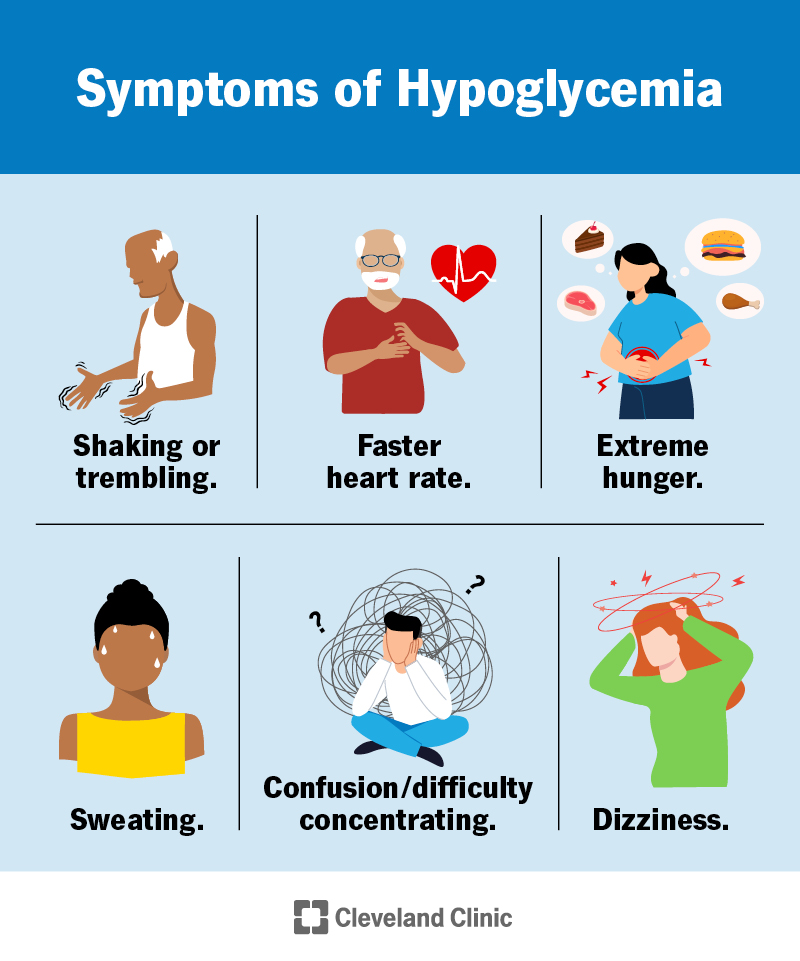
Symptoms of Hypoglycemia
Recognizing the symptoms of hypoglycemia is crucial in managing this condition effectively. Symptoms can vary from mild to severe, so let’s explore the common signs:
Early Symptoms
Early symptoms of hypoglycemia include feeling shaky, weak, or dizzy. You may also experience excessive sweating, blurry vision, headaches, or irritability. These early signs serve as warning signals that your blood sugar levels are dropping and require attention.
Severe Symptoms
If hypoglycemia is left untreated, it can progress to severe symptoms. These symptoms include confusion, inability to concentrate, loss of consciousness, seizures, and even coma. If you or someone around you experiences any of these severe symptoms, immediate medical attention is necessary.
Diagnosis of Hypoglycemia
To diagnose hypoglycemia, healthcare providers rely on a combination of medical history, blood tests, and glucose monitoring. Let’s explore these diagnostic methods in more detail:
Medical History
Your healthcare provider will carefully review your medical history, including any pre-existing conditions, medications, and lifestyle factors. Providing accurate information about your symptoms and daily routines will help in the diagnosis and subsequent management of hypoglycemia.
Blood Tests
Blood tests, such as a fasting plasma glucose test or an oral glucose tolerance test, can help determine your blood sugar levels and assess your body’s ability to handle glucose intake. These tests involve measuring blood glucose levels at specific intervals after consuming a sugary drink or fasting overnight.
Glucose Monitoring
Glucose monitoring involves self-testing your blood sugar levels using a glucose meter. This method allows you to regularly check your blood sugar levels throughout the day, enabling you to detect and manage any hypoglycemic episodes promptly.

Treatment and Management of Hypoglycemia
Once diagnosed, hypoglycemia can be effectively managed through various treatment methods. Let’s explore the key approaches to treatment:
Immediate Treatment
During an episode of hypoglycemia, it is essential to raise your blood sugar levels promptly. Consuming a fast-acting source of glucose, such as fruit juice, a glucose gel, or candy, can quickly alleviate symptoms. It is crucial to always carry a source of fast-acting glucose with you to address any sudden drops in blood sugar levels.
Dietary Changes
Dietary changes can play a significant role in managing hypoglycemia. Focus on consuming a balanced diet that includes a variety of food groups, such as whole grains, lean proteins, healthy fats, and plenty of fruits and vegetables. It is important to spread your carbohydrate intake evenly throughout the day to maintain stable blood sugar levels.
Regular Blood Sugar Monitoring
Regularly monitoring your blood sugar levels is key to managing hypoglycemia effectively. Your healthcare provider will guide you on how often to test and the optimal range for your blood sugar levels. By tracking your levels, you can identify patterns and make necessary adjustments to your diet, medication, or lifestyle choices.
Medication Adjustments
If you are taking medications for an underlying medical condition, such as diabetes, your healthcare provider may need to adjust your medication dosage or type. Balancing medication intake with your blood sugar levels is crucial to prevent hypoglycemic episodes. Regular communication with your healthcare provider is essential for optimal medication management.
Lifestyle Modifications
Making healthy lifestyle choices can significantly improve your ability to manage hypoglycemia. Engaging in regular physical activity, managing stress levels, getting sufficient sleep, and avoiding excessive alcohol consumption are all essential elements in maintaining stable blood sugar levels. Adopting a well-rounded, healthy lifestyle can positively impact your overall well-being and help prevent hypoglycemia.
Preventing Hypoglycemia
Prevention is always better than cure, and this holds true for hypoglycemia as well. Here are some preventive measures you can take:
Balanced Meal Planning
Plan your meals to include a balance of carbohydrates, proteins, and fats. By spacing out your meals and snacks evenly throughout the day, you can maintain stable blood sugar levels and avoid drastic drops in glucose.
Consistent Carbohydrate Intake
Consistency is key when it comes to carbohydrate intake. Try to consume a similar amount of carbohydrates at each meal and snack time to prevent rapid fluctuations in blood sugar levels.
Regular Physical Activity
Engaging in regular physical activity can help regulate blood sugar levels. Incorporate activities like walking, jogging, cycling, or swimming into your routine to promote overall health and prevent episodes of hypoglycemia. However, ensure you properly fuel your body before and after physical activity to prevent low blood sugar.
Medication Management
If you are on medications that can cause hypoglycemia, it is vital to manage them carefully. Follow your healthcare provider’s instructions regarding dosage, timing, and potential interactions with other medications to minimize the risk of low blood sugar.

Hypoglycemia in Specific Populations
Hypoglycemia can affect different population groups differently. Let’s explore how hypoglycemia specifically impacts children, diabetic patients, and elderly individuals:
Hypoglycemia in Children
Children, especially those with diabetes, are susceptible to hypoglycemia. It is crucial for parents or caregivers to closely monitor their children’s blood sugar levels and be prepared to provide immediate treatment if necessary. Regular communication with healthcare providers and diabetes educators can help parents effectively manage and prevent hypoglycemic episodes in children.
Hypoglycemia in Diabetic Patients
Diabetic patients, especially those who rely on insulin or certain diabetes medications, are at risk of hypoglycemia. Close monitoring of blood sugar levels, adhering to medication regimens, and making appropriate dietary and lifestyle choices are crucial for diabetic patients to prevent and manage hypoglycemia effectively.
Hypoglycemia in Elderly Individuals
Elderly individuals may be more vulnerable to hypoglycemia due to age-related changes in metabolism and potential medication interactions. Regular health check-ups, monitoring of blood sugar levels, and clear communication with healthcare providers are essential for the elderly to maintain stable blood sugar levels and avoid hypoglycemia.
Complications of Hypoglycemia
Unmanaged or recurrent hypoglycemic episodes can lead to various complications. Let’s explore the potential complications associated with hypoglycemia:
Neurological Complications
Hypoglycemia can negatively impact the central nervous system and result in neurological complications. Some individuals may experience memory problems, difficulty concentrating, or personality changes as a result of recurrent low blood sugar. In severe cases, hypoglycemia can cause seizures, loss of consciousness, or even coma.
Cardiovascular Complications
Prolonged or severe hypoglycemia can strain the cardiovascular system. It may lead to irregular heart rhythms, increased heart rate, or even heart attacks. People with pre-existing heart conditions are particularly vulnerable to cardiovascular complications associated with hypoglycemia. Timely management and prevention of low blood sugar are important in reducing the risk of cardiovascular complications.

Emergency Treatment for Severe Hypoglycemia
In cases of severe hypoglycemia where the individual is unconscious or unable to consume glucose orally, emergency treatment is necessary. Let’s explore two common emergency treatment options:
Glucagon Injection
Glucagon is an emergency medication that quickly raises blood sugar levels. It can be administered through an injection into the muscle or as a nasal spray. If you or someone you know is experiencing severe hypoglycemia, having glucagon readily available and knowing how to administer it can be life-saving.
Intravenous Glucose
In emergency medical settings, intravenous (IV) glucose is often used to rapidly raise blood sugar levels. Healthcare professionals administer a glucose solution directly into the bloodstream to provide immediate relief during severe hypoglycemic episodes. Effective communication with medical professionals during emergency situations is crucial for receiving proper care.
Conclusion
In conclusion, understanding hypoglycemia is essential for effectively managing this condition. By recognizing the causes, symptoms, and treatment options, as well as implementing preventive measures, you can lead a healthier and more balanced life. Remember to consult with your healthcare provider for personalized advice and guidance in managing hypoglycemia. With the right knowledge and proactive approach, you can successfully navigate the complexities of hypoglycemia and maintain stability in your blood sugar levels.