
In this article, you will gain valuable insights into the causes of low blood sugar, a condition that affects many individuals worldwide. We will explore the various factors that can contribute to this issue and provide you with a clear understanding of how it may impact your overall health. By delving into the underlying causes, you’ll be equipped with the knowledge to make informed decisions and take necessary precautions for maintaining optimal blood sugar levels. So, let’s embark on this informative journey together and unlock the mysteries behind low blood sugar.
Understanding the Causes of Low Blood Sugar
Overview of Low Blood Sugar
Low blood sugar, also known as hypoglycemia, occurs when the level of glucose in your blood drops below normal levels. Glucose is the primary source of energy for your body, and maintaining stable blood sugar levels is crucial for overall health and well-being. The body tightly regulates blood sugar levels through a complex interplay of hormones and metabolic processes. When blood sugar levels become too low, it can lead to a variety of symptoms and potential complications.
Symptoms of Low Blood Sugar
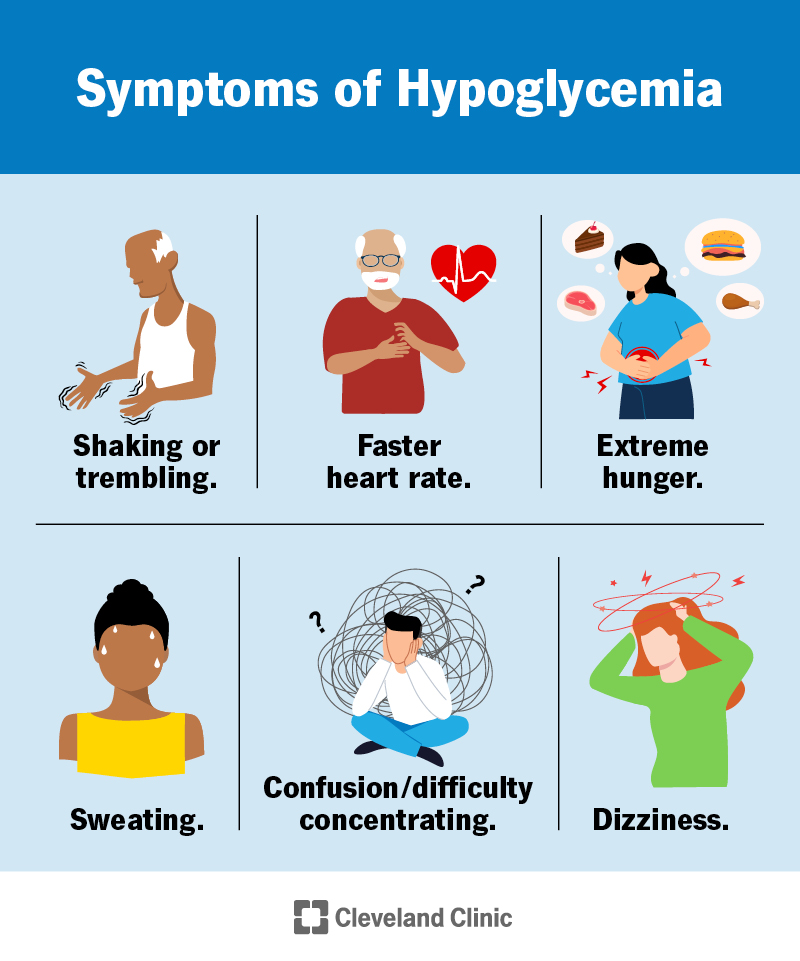
Low blood sugar can manifest in a range of symptoms, which can vary from person to person. Early warning signs of hypoglycemia include feeling shaky, sweaty, or dizzy. As blood sugar levels continue to drop, individuals may experience mild symptoms such as hunger, headache, blurred vision, and difficulty concentrating. If left untreated, low blood sugar can progress to more severe symptoms, including confusion, irritability, weakness, seizures, or loss of consciousness. Chronic low blood sugar may manifest as fatigue, difficulty gaining weight, or poor growth in children.

Causes of Low Blood Sugar
Low blood sugar can have various causes, including dietary factors, physical activity, medications, medical conditions, alcohol consumption, hormonal imbalances, insufficient sleep, and stress. Understanding these underlying causes is essential for effectively managing and preventing episodes of low blood sugar.
Dietary Factors
Your diet plays a significant role in regulating blood sugar levels. Skipping meals or delaying meals can lead to drops in blood sugar. Low carbohydrate intake and consuming high-sugar foods can also contribute to fluctuations in blood sugar levels. Additionally, excessive consumption of refined carbohydrates and a lack of fiber in the diet can disrupt the body’s ability to maintain stable blood sugar levels.

Physical Activity and Exercise
Engaging in physical activity or exercise can increase energy expenditure and potentially deplete glucose stores in the body. Individuals who engage in longer or more intense exercise sessions may be at a higher risk of experiencing low blood sugar. Insufficient carbohydrate consumption before exercise and delayed meal timing after exercise can also contribute to low blood sugar episodes.
Medications and Medical Conditions
Certain medications, particularly those used to manage diabetes, can cause low blood sugar as a side effect. Insulin overdose or incorrect administration can also lead to hypoglycemia. Other medical conditions such as endocrine disorders, liver or kidney disease, and certain cancers can disrupt the body’s ability to regulate blood sugar levels.

Alcohol Consumption
Consuming alcohol can affect blood sugar levels by impairing liver function and interfering with glucose production. Additionally, alcohol consumption can lead to a delay in recognizing symptoms of low blood sugar and inadequate food intake alongside alcohol consumption may contribute to episodes of hypoglycemia.
Hormonal Imbalances
Imbalances in hormones that play a role in glucose regulation can lead to low blood sugar. Excessive production of insulin, deficiency of glucagon (a hormone that raises blood sugar levels), adrenal insufficiency, and dysfunction of the pituitary or hypothalamus can all contribute to hypoglycemia.

Insufficient Sleep
Lack of sufficient sleep can disrupt the body’s hormonal balance, including the hormones involved in blood sugar regulation. Sleep deprivation can lead to decreased insulin sensitivity and impair the body’s ability to maintain stable blood sugar levels.
Stress and Emotional Factors
Stress and strong emotions can trigger the release of stress hormones, such as cortisol, which can interfere with blood sugar regulation. Chronic stress or untreated stress-related disorders can disrupt the body’s hormonal balance and contribute to episodes of low blood sugar.
Rare Causes of Low Blood Sugar
While relatively uncommon, there are several rare causes of low blood sugar that should be considered, particularly if other potential causes have been ruled out. These include conditions such as insulinoma (a tumor that produces excessive insulin), glucagon excess, congenital disorders, inborn errors of metabolism, and autoimmune disorders.
In conclusion, understanding the causes of low blood sugar is essential for effectively managing and preventing episodes of hypoglycemia. By identifying and addressing underlying factors such as dietary choices, physical activity, medications, medical conditions, alcohol consumption, hormonal imbalances, sleep patterns, stress levels, and rare causes, individuals can take proactive steps to maintain stable blood sugar levels and promote overall health and well-being. If you experience recurrent episodes of low blood sugar, it is important to consult with a healthcare professional for a thorough evaluation and appropriate management strategies.