
Have you ever experienced shakiness, dizziness, or difficulty concentrating? These are just a few of the many symptoms that can arise from having low blood sugar. In this article, we will explore the effects of low blood sugar on the body and how it can impact your daily life. From understanding the causes to managing the symptoms, you’ll gain valuable insights into maintaining a healthy blood sugar level. Get ready to unlock the secrets of your body’s resilience and discover how to feel your best every day.

Overview of Low Blood Sugar
Low blood sugar, also known as hypoglycemia, occurs when the level of glucose in your blood drops below the normal range. Glucose is the main source of energy for the body and is essential for the proper functioning of various organ systems. When blood sugar levels decrease, it can have significant effects on your overall health and well-being.
Definition of low blood sugar
Low blood sugar is typically defined as having a blood glucose level below 70 mg/dL (milligrams per deciliter). However, it’s important to note that the exact threshold for low blood sugar may vary depending on individual circumstances and medical conditions.
Normal blood sugar levels
Normal blood sugar levels vary throughout the day, but generally, a fasting blood glucose level between 70 and 99 mg/dL is considered within the normal range. After eating a meal, blood sugar levels may temporarily rise, but they should typically return to normal within a few hours.
Causes of low blood sugar
Low blood sugar can occur for several reasons, including:
- Medications: Certain medications, such as insulin or other diabetes medications, can lower blood sugar levels.
- Diabetes: People with diabetes, particularly type 1 diabetes, are more susceptible to hypoglycemia due to issues with insulin regulation.
- Skipping meals or inadequate food intake: If you go too long without eating or don’t consume enough carbohydrates, your blood sugar levels can drop.
- Increased physical activity: Engaging in intense exercise without adjusting your food intake or insulin dosage can lead to low blood sugar.
- Drinking alcohol: Alcohol can interfere with your liver’s ability to release glucose, resulting in low blood sugar.
- Hormonal imbalances: Certain hormonal conditions, such as adrenal insufficiency or hypothyroidism, can contribute to low blood sugar.
It’s important to identify the underlying cause of low blood sugar to effectively manage and prevent future episodes.
Symptoms of Low Blood Sugar
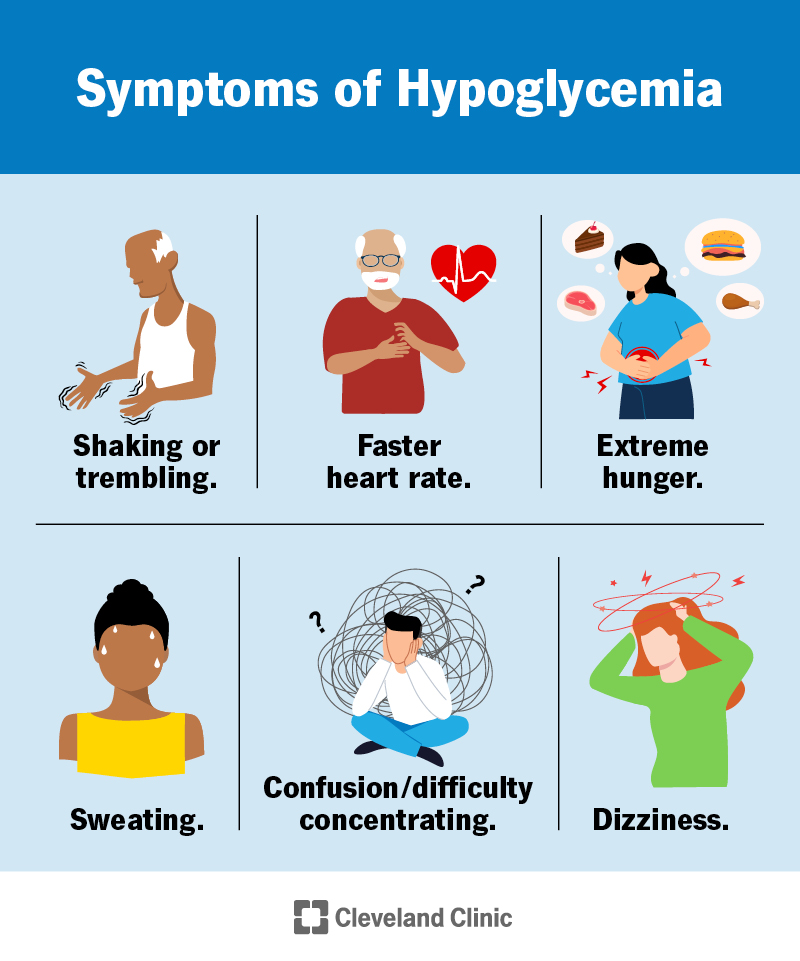
The symptoms of low blood sugar can vary depending on the severity and duration of the episode. It’s important to be aware of these symptoms, as early recognition and intervention can prevent the condition from worsening.
Early symptoms of low blood sugar
In the early stages of low blood sugar, you may experience:
- Shakiness or tremors
- Sweating
- Rapid heartbeat
- Anxiety or nervousness
- Hunger
- Fatigue or weakness
- Irritability or mood swings
When you notice these early symptoms, it’s crucial to check your blood sugar levels and take appropriate action.
Moderate symptoms of low blood sugar
If low blood sugar is not promptly addressed, more pronounced symptoms may develop, including:
- Confusion or difficulty concentrating
- Headaches
- Dizziness or lightheadedness
- Blurred vision
- Slurred speech
- Coordination difficulties
- Severe hunger
If left untreated, these symptoms can progress, leading to more severe consequences.
Severe symptoms of low blood sugar
In severe cases of low blood sugar, emergency medical attention is necessary. Some of the severe symptoms include:
- Seizures
- Loss of consciousness or fainting
- Unresponsiveness
- Extreme difficulty or inability to eat or drink
These severe symptoms require immediate intervention to prevent life-threatening complications.
Effects of Low Blood Sugar on Various Body Systems
When blood sugar levels drop, it can have detrimental effects on various body systems. Understanding these impacts can help raise awareness about the importance of managing and preventing low blood sugar episodes.
Effect on the brain and nervous system
The brain primarily relies on glucose as its primary fuel source. When blood sugar levels decrease, the brain may not receive enough energy, leading to symptoms such as confusion, difficulty concentrating, coordination problems, and, in severe cases, seizures or loss of consciousness.
Effect on the cardiovascular system
Low blood sugar can trigger various cardiovascular responses, including an increase in heart rate and blood pressure. These physiological changes aim to mobilize the body’s resources and compensate for the lack of glucose. However, prolonged or severe hypoglycemia can strain the cardiovascular system and contribute to cardiovascular disease over time.
Effect on the digestive system
Low blood sugar can affect the digestive system by causing gastrointestinal symptoms such as nausea, vomiting, and stomach discomfort. These symptoms may arise as a result of the body’s stress response to hypoglycemia.
Effect on the muscular system
Muscles rely on glucose for energy during movement and exercise. When blood sugar levels drop, muscles may become weak and fatigued. This can impair physical performance and make it difficult to engage in regular activities.
Effect on the respiratory system
Low blood sugar can indirectly impact the respiratory system due to its effects on the brain. The brain plays a crucial role in regulating breathing patterns, and when its energy supply is compromised, respiratory function may be affected. However, these effects are generally mild and temporary.
Effect on the reproductive system
Chronic or recurrent episodes of low blood sugar can disrupt hormonal balance, potentially affecting reproductive health in both men and women. In women, hypoglycemia may lead to irregular menstrual cycles or difficulties with fertility. In men, it can contribute to erectile dysfunction or reduced libido.
Understanding how low blood sugar affects these systems underscores the importance of proper management and prevention strategies.
Complications of Low Blood Sugar
If not promptly recognized and treated, low blood sugar can lead to severe complications. Some of the potential complications include:
Hypoglycemia unawareness
Frequent episodes of low blood sugar can desensitize the body’s normal response mechanisms, leading to hypoglycemia unawareness. This condition makes it difficult for individuals to recognize when their blood sugar levels are dropping, increasing their risk of developing severe symptoms or losing consciousness.
Loss of consciousness
Severe hypoglycemia can cause loss of consciousness, which poses a significant risk for accidents, falls, and injuries. An individual who loses consciousness due to low blood sugar may require emergency medical attention to stabilize their condition.
Seizures
When blood sugar levels drop rapidly or become dangerously low, it can trigger seizures. These seizures can range in severity and may require medical intervention to bring them under control.
Coma
Profound hypoglycemia, if left untreated, can lead to a state of coma. This is an extremely serious and life-threatening condition that requires immediate medical attention.
Brain damage
In severe cases, low blood sugar can starve the brain of the energy it needs to function properly. Prolonged or recurrent episodes of severe hypoglycemia can potentially result in permanent brain damage.

Long-term Effects of Low Blood Sugar
Beyond the immediate complications, chronic or recurring episodes of low blood sugar can have long-term effects on various aspects of health.
Cognitive impairments
Hypoglycemia has been associated with cognitive impairments, including difficulties with memory, attention, and executive functioning. These cognitive deficits may become more pronounced with prolonged hypoglycemia or poor blood sugar control.
Dementia
Research suggests that frequent episodes of hypoglycemia may increase the risk of developing dementia later in life. The link between low blood sugar and dementia is still being studied, but it highlights the importance of managing blood sugar levels in the long term.
Cardiovascular disease
Chronic hypoglycemia can contribute to the development of cardiovascular disease, including heart disease and stroke. The strain on the cardiovascular system during low blood sugar episodes, along with potential disruptions in blood clotting mechanisms, can contribute to these long-term effects.
Neuropathy
Persistent low blood sugar can damage the nerves throughout the body, leading to a condition known as neuropathy. Neuropathy can cause pain, numbness, tingling, and loss of sensation in the affected areas.
Vision problems
Uncontrolled low blood sugar can have detrimental effects on eye health, potentially leading to vision problems such as blurry vision or even diabetic retinopathy. Regular monitoring and management of blood sugar levels can help mitigate these risks.
Treatment of Low Blood Sugar
When it comes to low blood sugar, prompt and appropriate treatment is essential for preventing complications and restoring blood glucose levels to a safe range.
Immediate treatment options
The immediate treatment of low blood sugar typically involves consuming a source of fast-acting carbohydrates. This can include:
- Glucose tablets or gels
- Fruit juice or regular soda
- Hard candies or glucose-rich snacks
Once you’ve consumed carbohydrates, it’s crucial to wait for around 15 minutes and then recheck your blood sugar levels. If they remain below the target range, repeat the carbohydrate intake until your levels stabilize.
Prevention of low blood sugar
Preventing low blood sugar episodes involves taking proactive measures to maintain stable blood sugar levels throughout the day. Some strategies for prevention include:
- Consistently monitoring blood sugar levels
- Balancing meals and snacks to include a mix of carbohydrates, protein, and healthy fats
- Avoiding skipped meals or delayed meals
- Incorporating regular physical activity, while also adjusting insulin or medication dosages as needed
By keeping blood sugar levels within a target range, you can reduce the occurrence of hypoglycemia.
Management of low blood sugar
For individuals with diabetes, managing low blood sugar requires a comprehensive approach that includes working closely with a healthcare team. This includes regular monitoring of blood sugar levels, adjusting medication dosages as necessary, and implementing lifestyle modifications to optimize blood sugar control.

Prevention of Low Blood Sugar
Preventing low blood sugar episodes is key to maintaining overall health and well-being. By following specific strategies, you can minimize the risk of hypoglycemia and maintain stable blood sugar levels.
Monitoring blood sugar levels
Regular monitoring of blood sugar levels is crucial for preventing and managing low blood sugar. This includes performing fingerstick tests using a glucose meter or using continuous glucose monitoring systems, which provide real-time data on blood sugar levels.
Balancing meals and snacks
Eating a balanced diet that includes a mix of carbohydrates, protein, and healthy fats can help stabilize blood sugar levels throughout the day. Be mindful of the type and timing of carbohydrates consumed, aiming for complex carbohydrates that provide sustained energy release.
Incorporating regular physical activity
Regular exercise can help regulate blood sugar levels and improve insulin sensitivity. Engage in activities you enjoy, such as walking, cycling, or dancing, and ensure you’re monitoring your blood sugar levels before, during, and after physical activity to adjust your treatment plan as needed.
Tips for Managing Low Blood Sugar
In addition to prevention strategies, there are several tips that can help you effectively manage low blood sugar:
Always have a source of fast-acting carbohydrates on hand
Carry glucose tablets, candies, or other sources of fast-acting carbohydrates with you at all times. This ensures that you can quickly raise your blood sugar levels if you experience symptoms of low blood sugar.
Wear a medical alert bracelet
Wearing a medical alert bracelet that clearly states your condition and the need for immediate glucose administration can be invaluable in emergency situations. This helps ensure that bystanders or healthcare professionals are aware of your condition and can provide appropriate assistance.
Communicate with your healthcare team
Open and regular communication with your healthcare team is essential for managing low blood sugar effectively. They can help you develop an individualized treatment plan, educate you on the signs and symptoms to watch out for, and guide you in making necessary adjustments to your medications or insulin dosages.
Avoid skipping meals or delaying meals
Maintaining a regular eating schedule is crucial for preventing low blood sugar episodes. Avoid skipping meals or delaying meals whenever possible, and try to eat smaller, balanced snacks if you’re unable to consume a full meal at a specific time.
Regularly check blood sugar levels
Frequent monitoring of blood sugar levels helps you stay aware of your current status and enables you to take appropriate action if your levels are trending towards hypoglycemia. Regular testing allows you to catch low blood sugar early and prevent it from progressing to more severe symptoms.

Living with Low Blood Sugar
Living with low blood sugar can have a notable impact on your daily activities and lifestyle. However, with proper management and support, you can still lead a fulfilling life.
Effect on daily activities and lifestyle
Managing low blood sugar may require adjustments to your daily routine and lifestyle. You may need to plan meals and snacks ahead of time, carry glucose sources with you, and be mindful of your physical activity levels. Adapting to this lifestyle can take time, but it’s crucial for effectively managing your condition.
Support systems and resources for managing low blood sugar
Living with low blood sugar can be challenging, but it’s essential to seek support from various resources. This can include:
- Diabetes support groups or online communities
- Counseling or therapy to address any emotional or psychological challenges related to managing low blood sugar
- Educating friends, family, and colleagues about your condition and how they can help in case of emergencies
Remember that you don’t have to face the challenges of low blood sugar alone.
Conclusion
Low blood sugar, or hypoglycemia, can have significant effects on various body systems and requires proper management to prevent complications. By understanding the symptoms and effects of low blood sugar, as well as adopting preventive measures and effective treatment strategies, you can minimize the impact on your overall health and well-being. Effective prevention, management, and support are key to living a fulfilling life while managing low blood sugar.