
In the fast-paced world we live in, maintaining a healthy lifestyle is of utmost importance. When it comes to managing our blood sugar levels, it becomes even more crucial. Hypoglycemia, a condition characterized by low blood sugar, can have a significant impact on our daily lives. However, there are simple lifestyle changes and prevention tips that can help us effectively prevent hypoglycemia. By implementing these strategies, you can ensure that you stay in control of your blood sugar levels and lead a healthy, balanced life.
1. Understanding Hypoglycemia
What is Hypoglycemia?
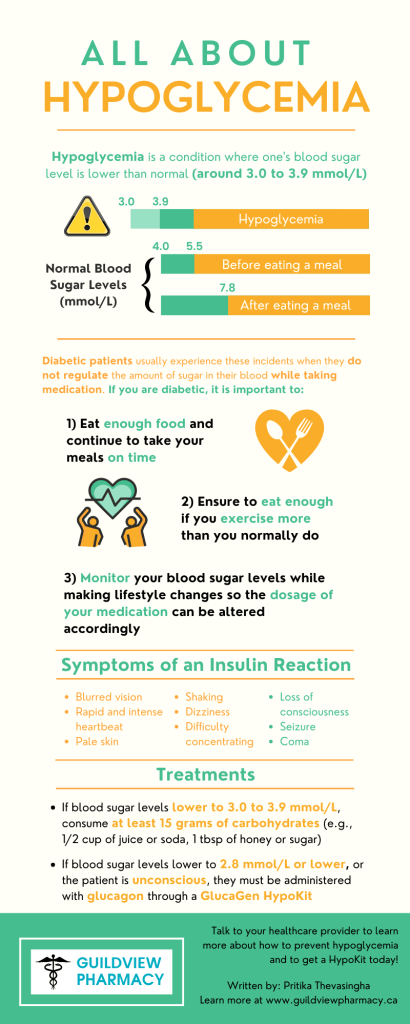
Hypoglycemia refers to a condition in which your blood sugar levels drop below the normal range. In individuals with diabetes, this occurs when the levels of glucose in their blood are too low. Normally, the body maintains blood sugar levels within a specific range to provide energy for various bodily functions. However, when blood sugar levels fall too low, it can cause discomfort and even be dangerous.
Causes of Hypoglycemia
Several factors can contribute to hypoglycemia, especially in individuals with diabetes. Some common causes include taking too much insulin or certain diabetes medications, delaying or skipping meals, consuming excessive alcohol without adequate food intake, increased physical activity without adjusting medication or food intake, and hormonal imbalances. Understanding the causes of hypoglycemia is crucial in preventing its occurrence.
2. Recognizing the Symptoms of Hypoglycemia
Early Symptoms of Hypoglycemia
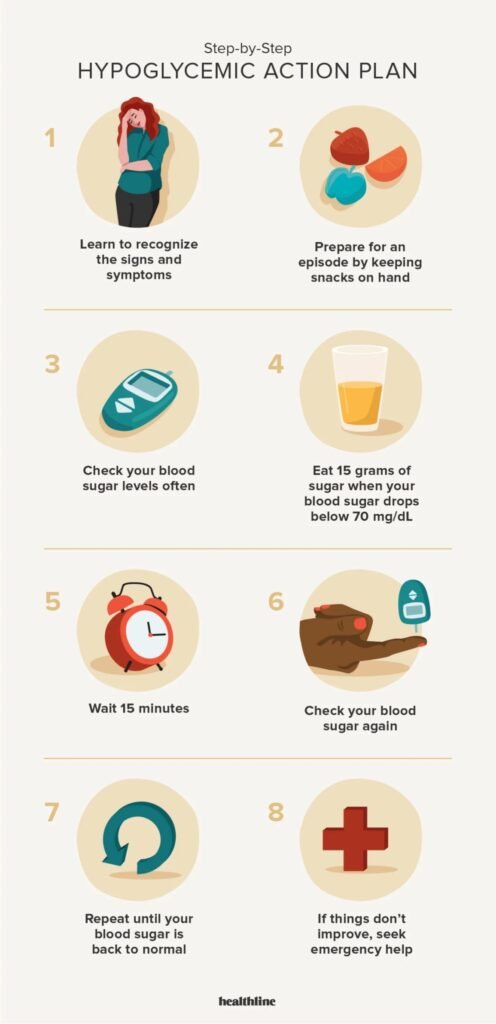
Identifying the early symptoms of hypoglycemia is essential for timely intervention. These symptoms can vary from person to person but commonly include sweating, trembling, hunger, weakness, dizziness, and irritability. You may also experience mood swings, difficulty concentrating, and blurred vision. It’s important to pay attention to these signs and take prompt action to prevent the progression of hypoglycemia.
Severe Symptoms of Hypoglycemia
Severe hypoglycemia may occur if early symptoms are ignored or not addressed promptly. Symptoms can include confusion, difficulty speaking, loss of consciousness, seizures, and even coma in extreme cases. If you or someone you know experiences severe symptoms, it is crucial to seek immediate medical attention. Severe hypoglycemia can be life-threatening and requires urgent intervention by medical professionals.
Signs of Hypoglycemia in Different Age Groups
Recognizing signs of hypoglycemia in different age groups is important to provide appropriate care and support. In children, hypoglycemia may manifest as crying, fatigue, irritability, and changes in behavior. Adolescents can experience similar symptoms as adults, such as confusion or mood swings. Older adults may exhibit symptoms such as dizziness, falls, weakness, and confusion. Understanding these age-specific signs can help in early detection and prevention of hypoglycemia-related complications.
3. Lifestyle Changes and Prevention Tips for Hypoglycemia
Maintain Balanced and Regular Meals
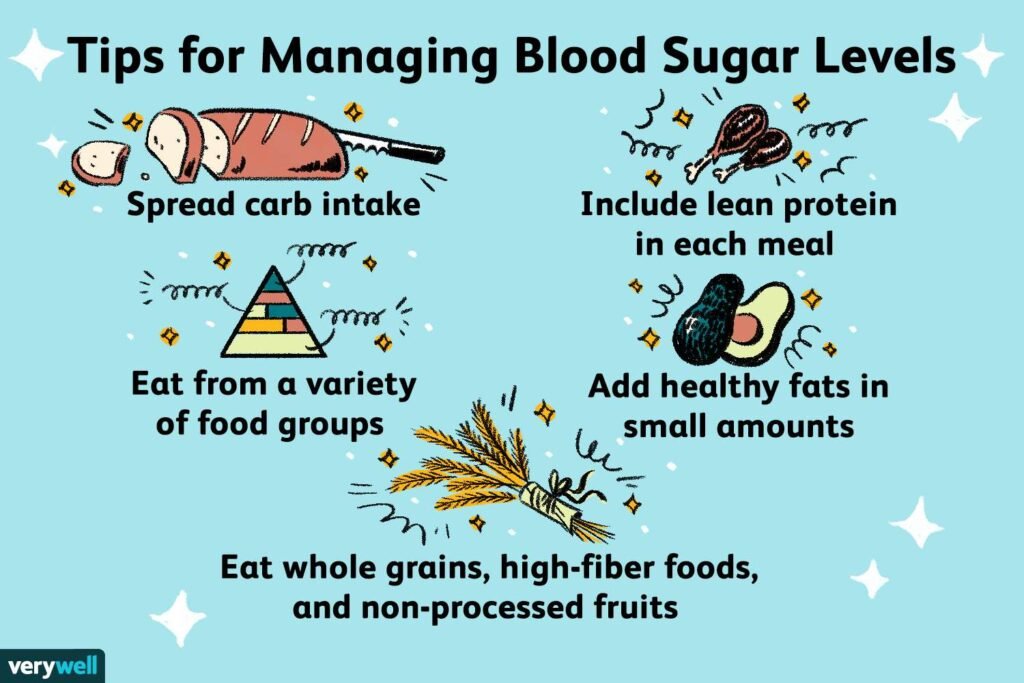
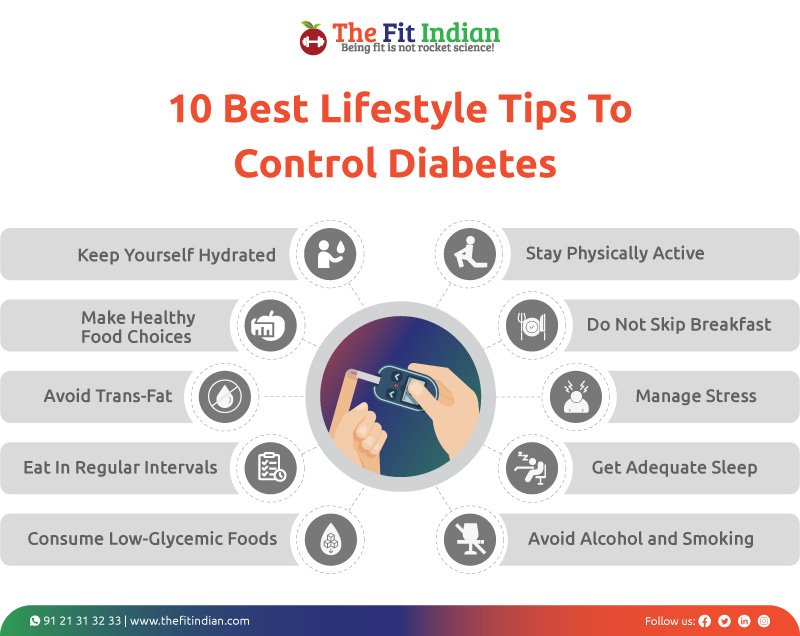
One of the most effective ways to prevent hypoglycemia is to ensure you have regular, balanced meals throughout the day. Consistency in meal timing can help regulate blood sugar levels. Aim to have three main meals and include healthy snacks in between to avoid prolonged periods without nourishment.
Choose Complex Carbohydrates
Complex carbohydrates, such as whole grains, legumes, and vegetables, are digested more slowly, providing a steady release of glucose into the bloodstream. This can help prevent sudden drops in blood sugar. Incorporate foods like brown rice, quinoa, and sweet potatoes into your meals to promote stable blood sugar levels.
Limit Intake of Simple Sugars
While sugars can provide a quick source of energy, they can also cause blood sugar levels to spike and then drop rapidly. Limit your consumption of sugary foods and beverages, opting instead for healthier alternatives such as fresh fruits. Be mindful of hidden sources of added sugars in processed foods, and choose natural sweeteners, like honey or maple syrup, sparingly.
Include Protein in Each Meal
Protein-rich foods, such as lean meats, fish, poultry, tofu, and legumes, can help stabilize blood sugar levels by slowing down the digestion of carbohydrates. Including protein in each meal can provide a sustained release of glucose into the bloodstream, reducing the risk of hypoglycemia.
Regular Physical Activity
Engaging in regular physical activity is not only beneficial for overall health but can also help prevent hypoglycemia. Exercise increases insulin sensitivity, allowing your body to effectively utilize glucose. However, it is important to monitor your blood sugar levels before, during, and after exercise to avoid any unexpected drops. Consult with your healthcare professional to develop an exercise plan suitable for your individual needs.
Manage Stress Levels
Stress can have a significant impact on blood sugar levels, often leading to spikes or drops. Implementing stress management techniques, such as deep breathing exercises, meditation, or engaging in hobbies, can help regulate your stress response. Find activities that bring you joy and make time for relaxation to minimize the risk of hypoglycemia.
Monitor Blood Sugar Levels Regularly
Regular monitoring of your blood sugar levels is vital in preventing hypoglycemia. By tracking your levels throughout the day, you can identify any patterns or triggers that may contribute to low blood sugar. This allows for timely adjustments in your medication, diet, or lifestyle to maintain stable blood sugar levels.
Consider Medication Adjustments
If you are taking insulin or other diabetes medications that may increase the risk of hypoglycemia, working closely with your healthcare provider is important. They can evaluate your individual needs and adjust your medication dosage if necessary to minimize the likelihood of hypoglycemic episodes.
Proper Insulin Administration
If you require insulin injections, it is essential to follow proper administration techniques. Correct injection technique, including proper needle length and angle, can ensure optimal absorption and effectiveness of insulin. Additionally, regularly rotating injection sites helps prevent tissue damage and ensures consistent insulin absorption. It is also crucial to store insulin properly to maintain its potency.
Educate and Inform Loved Ones
Educating your family, friends, and close colleagues about hypoglycemia is beneficial, as they can provide support and assistance during episodes. Explain the symptoms they should watch out for and teach them how to respond in case of an emergency. Creating an emergency plan that outlines necessary steps to take during a hypoglycemic episode can help loved ones provide appropriate aid when needed.
4. Specific Dietary Recommendations to Prevent Hypoglycemia
Follow a Well-Balanced Diet
Eating a well-balanced diet is key to preventing hypoglycemia. Include a variety of nutrient-dense foods from all food groups, such as whole grains, lean proteins, healthy fats, and a wide range of fruits and vegetables. Aim for a combination of macronutrients in each meal to promote stable blood sugar levels.
Avoid Skipping Meals
Skipping meals can disrupt the balance of blood sugar and increase the risk of hypoglycemia. Make it a habit to have regular meals and snacks to provide a steady source of fuel for your body. If you struggle with appetite or time constraints, incorporating small, frequent meals and snacks throughout the day can help maintain stable blood sugar levels.
Spread Out Meals and Snacks
Rather than having large, infrequent meals, consider spreading out your food intake throughout the day. This can help prevent blood sugar fluctuations by providing a constant supply of glucose. Aim to have meals and snacks at regular intervals, ensuring that they contain a combination of carbohydrates, proteins, and fats.
Include Fiber-Rich Foods
Fiber is beneficial for managing blood sugar levels as it slows down the digestion and absorption of carbohydrates. Include fiber-rich foods such as whole grains, legumes, fruits, and vegetables in your diet. These foods not only provide essential nutrients but also contribute to overall blood sugar control.
Stay Hydrated
Proper hydration is essential for maintaining overall health and preventing hypoglycemia. Drink an adequate amount of water throughout the day to support optimal bodily functions. Dehydration can affect blood sugar regulation, so it is important to ensure you are properly hydrated by consuming water and other hydrating beverages.
Limit Alcohol Consumption
Alcohol can interfere with blood sugar regulation and may increase the risk of hypoglycemia. If you choose to drink alcohol, do so in moderation and with caution. Be mindful of the type and amount of alcohol you consume, and always have it with a meal or snack to prevent drastic changes in blood sugar levels.
5. Exercise Guidelines to Prevent Hypoglycemia
Consult with a Healthcare Professional
Before starting or modifying an exercise routine, it is essential to consult with your healthcare professional. They can provide guidance specific to your condition and help determine the appropriate level of exercise, considering factors such as current fitness level, medication regimen, and potential risks associated with your diabetes management.
Timing of Exercise
Timing your exercise properly can have a significant impact on preventing hypoglycemia. It is generally recommended to exercise when your blood sugar levels are stable, avoiding periods of peak insulin activity. It may be necessary to adjust your meal plan or medication regimen to accommodate your exercise routine effectively.
Monitor Blood Sugar Before and During Exercise
To prevent hypoglycemia, measure your blood sugar levels before and periodically during exercise. This helps you identify any changes in blood sugar levels and allows for timely interventions. If your blood sugar levels are too low before exercise, it may be advisable to have a snack or postpone your activity until your levels rise.
Have a Snack Before Exercise
Consuming a small snack before engaging in physical activity can help maintain stable blood sugar levels during exercise. Ideally, the snack should contain a combination of carbohydrates and protein to provide sustained energy. Your healthcare professional can help determine the appropriate snack options based on your specific needs.
Stay Hydrated During Exercise
Hydration is crucial during exercise to prevent dehydration and support optimal blood sugar control. Drink water before, during, and after exercise to replenish fluids lost through sweat. If you engage in prolonged or intense physical activity, consider hydrating with electrolyte-containing beverages to replace essential minerals lost during exertion.
6. Managing Stress Levels to Prevent Hypoglycemia
Identify Sources of Stress
Identifying the sources of stress in your life is the first step towards managing and minimizing its impact on your blood sugar levels. Common sources of stress can include work, relationships, financial concerns, and personal challenges. Take the time to reflect on these stressors and determine which ones can be mitigated or managed.
Practice Stress-Reduction Techniques
Implementing stress-reduction techniques can help prevent hypoglycemia and promote overall well-being. Engage in activities that help you relax and unwind, such as deep breathing exercises, meditation, yoga, or spending time in nature. Find strategies that work for you and incorporate them into your daily routine to effectively manage stress.
Get Adequate Sleep
Adequate sleep is crucial for maintaining optimal health and managing blood sugar levels. Poor sleep can lead to increased stress levels and disrupt hormonal balance, potentially contributing to hypoglycemia. Aim for seven to eight hours of quality sleep each night to support your overall well-being.
Reach Out for Support
Maintaining emotional support is important in managing stress and preventing hypoglycemia. Reach out to trusted friends, family, or support groups who can offer guidance and understanding. Sharing your experiences and feelings with others can provide a sense of connection and alleviate the burden of managing hypoglycemia alone.
7. Regular Monitoring of Blood Sugar Levels
Importance of Regular Monitoring
Regular monitoring of blood sugar levels is a fundamental aspect of managing your diabetes and preventing hypoglycemia. By tracking your glucose levels, you can identify patterns and make informed decisions regarding medication, diet, and lifestyle. Consistent monitoring empowers you to maintain stable blood sugar levels and mitigate the risk of hypoglycemia.
Self-Monitoring of Blood Glucose
Self-monitoring of blood glucose involves using a glucose meter to measure your blood sugar levels at home. This allows you to track your blood sugar throughout the day and make immediate adjustments if necessary. Your healthcare professional can guide you on how often to monitor and help you interpret and respond to the results.
Continuous Glucose Monitoring
Continuous glucose monitoring (CGM) systems provide real-time information about your blood sugar levels throughout the day. These devices use a small sensor inserted under the skin to measure glucose levels and transmit the data to a receiver or smartphone app. CGMs offer valuable insights into trends and patterns, allowing for proactive adjustments to prevent hypoglycemia.
8. Medication Adjustments for Hypoglycemia Prevention
Working with Healthcare Provider
Working closely with your healthcare provider is essential in managing your diabetes medications and minimizing the risk of hypoglycemia. They can evaluate your medication regimen, consider your individual needs, and make necessary adjustments to help prevent hypoglycemic episodes.
Adjusting Insulin Dosage
If you take insulin, adjusting the dosage may be necessary to prevent hypoglycemia. Your healthcare provider can evaluate your response to insulin therapy, including your carbohydrate intake, exercise routine, and glucose monitoring results. They may recommend changes in your insulin dosage, timing, or administration technique to achieve optimal blood sugar control while reducing the risk of hypoglycemia.
Considering Alternative Medications
In some cases, alternative diabetes medications may be considered to minimize the risk of hypoglycemia. Your healthcare provider can assess your specific needs and explore options that are less likely to cause low blood sugar. These alternatives may include medications that do not stimulate insulin production or enhance insulin sensitivity, helping to maintain more stable blood sugar levels.
9. Proper Insulin Administration Techniques
Correct Injection Technique
Proper insulin injection technique is crucial to ensure optimal absorption and effectiveness of the medication. It is essential to follow the instructions provided by your healthcare professional regarding the correct needle length, injection site, and angle. Proper technique helps minimize the risk of complications, such as tissue damage or inconsistent insulin absorption, that can contribute to hypoglycemia.
Injection Site Rotation
Regularly rotating injection sites is essential to prevent tissue damage and ensure consistent insulin absorption. Consistently using the same injection site can lead to lipohypertrophy, a thickening of the fatty tissue that can affect insulin absorption. Rotate injection sites within specific areas of your body as recommended by your healthcare professional.
Storing Insulin Properly
Proper storage of insulin is critical to maintain its efficacy and prevent degradation. Follow the manufacturer’s instructions regarding storage temperature, expiration dates, and handling of insulin. Extreme temperatures can affect insulin potency, so storing it in a cool, dry place away from direct sunlight is important. Additionally, avoid freezing or exposing insulin to excessive heat.
10. Educating and Informing Loved Ones
Explaining Hypoglycemia to Family and Friends
Educating your family and friends about hypoglycemia is essential, as they can provide valuable support and understanding. Explain the nature of hypoglycemia, its symptoms, and the importance of prompt action. Help them understand how they can assist you during an episode and the significance of maintaining stable blood sugar levels.
Teaching Others How to Respond to Hypoglycemic Episodes
Teaching others how to respond to hypoglycemic episodes is crucial in minimizing potential risks. Instruct them on the steps to take, such as providing a readily available source of glucose, like fruit juice or glucose gel, or calling emergency services if necessary. Ensuring they know when and how to administer glucagon injections, if applicable, can be life-saving during severe hypoglycemia.
Creating an Emergency Plan
Developing an emergency plan with your loved ones can provide peace of mind and enable swift action during hypoglycemic episodes. Include important contact information, such as your healthcare provider, emergency services, and a designated emergency contact. Outline the necessary steps to follow in case of an emergency, including how to administer glucose, when to seek medical help, and when to use a glucagon injection if prescribed. Regularly review and update the plan together to ensure everyone is prepared.
By understanding the causes, recognizing the symptoms, making necessary lifestyle changes, and actively managing your diabetes, you can significantly reduce the risk of hypoglycemia. Combine these prevention tips with regular monitoring, medication adjustments, and informed education to stay proactive in your approach to hypoglycemia prevention. Remember, you are not alone in this journey, and with proper care and support, you can effectively manage your blood sugar levels and lead a healthy, fulfilling life.