
Imagine a world without flu. A world where sniffling noses and feverish foreheads are a thing of the past. It may seem like a distant dream, but understanding the origins of influenza is a crucial step towards preventing its spread. In this article, we will explore the fascinating link between influenza in humans and its swine origin. By unraveling this connection, we can gain valuable insights into how this contagious disease spreads and potentially unlock new ways to protect ourselves and our loved ones from its grasp. So, grab a cup of tea, settle in, and let’s dive into the captivating world of influenza.

I. Introduction
Welcome to this comprehensive article on the link between Influenza in humans and its swine origin. Influenza, commonly known as the flu, is a viral illness that affects millions of people worldwide every year. It is a highly contagious respiratory infection that can cause mild to severe illness, and in some cases, even lead to death. In this article, we will delve into the origins of influenza, its transmission, symptoms, and complications in humans, the connection with swine, the potential for pandemics, research and surveillance efforts, prevention and control strategies, and the importance of a One Health approach. So let’s dive in!
II. The Origins of Influenza
A. Evolutionary History of Influenza
Influenza has a long evolutionary history, dating back thousands of years. The virus that causes influenza belongs to the Orthomyxoviridae family and is divided into three types: A, B, and C. Influenza A viruses are further classified into subtypes based on the proteins on their surface, namely hemagglutinin (HA) and neuraminidase (NA). Over time, the influenza virus has undergone various genetic changes through a process called antigenic drift, which allows it to escape from the immunity built up in the human population.
B. Influenza Types and Subtypes
As mentioned earlier, there are three types of influenza viruses: A, B, and C. Influenza A viruses are associated with most pandemics and have a broad host range, including humans, birds, pigs, and other animals. Influenza B viruses also circulate among humans and cause seasonal outbreaks, although they generally cause milder illness compared to influenza A. Influenza C viruses, on the other hand, usually cause mild respiratory illness and are less common.
III. Influenza in Humans
A. Transmission of Influenza
Influenza is primarily transmitted through respiratory droplets when an infected person coughs, sneezes, or talks. These droplets can travel through the air and enter the body through the nose, mouth, or eyes of a nearby person. Additionally, the virus can also spread by touching surfaces or objects contaminated with the virus and then touching the face.
B. Seasonal Influenza Outbreaks
Seasonal influenza outbreaks occur every year, usually during the winter months in temperate regions. These outbreaks are caused by influenza A and B viruses and result in millions of cases worldwide. Symptoms of seasonal influenza include fever, cough, sore throat, body aches, fatigue, and headache. Most people recover within a week or two, but in some cases, severe complications such as pneumonia may develop, especially in high-risk individuals such as the elderly, young children, and those with underlying health conditions.
C. Influenza Symptoms and Complications
In addition to the common symptoms mentioned above, influenza can also lead to more severe complications, especially in vulnerable populations. These complications may include bacterial pneumonia, ear infections, sinus infections, and worsening of chronic medical conditions such as asthma or heart disease. In rare cases, influenza can also result in severe respiratory distress, organ failure, and even death. It is essential to seek medical attention if you or a loved one experience any severe symptoms or complications.
IV. The Swine Connection
A. Swine Influenza Virus (SIV)
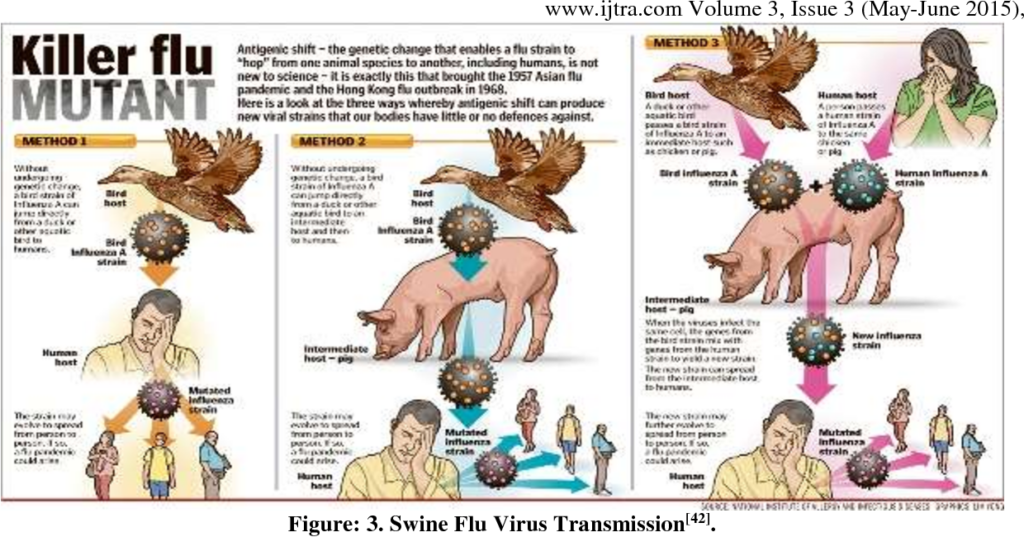
Swine influenza is a respiratory disease that affects pigs and is caused by swine influenza viruses (SIVs). These viruses can infect both pigs and humans, making them zoonotic pathogens. Like human influenza viruses, SIVs are classified into subtypes based on their surface proteins, HA and NA. Pigs are considered a mixing vessel for influenza viruses due to their ability to be infected by both avian and human influenza viruses, providing an opportunity for genetic reassortment.
B. Swine to Human Transmission Events
The transmission of SIVs from pigs to humans is a rare event but has occurred sporadically over the years. Direct contact with infected pigs or their respiratory secretions is the main mode of transmission. Swine workers, farmers, and people visiting swine farms or live animal markets are at higher risk of acquiring SIV infections. Most of these human infections result in mild respiratory illness similar to seasonal influenza, but in some cases, severe disease and even death have been reported.
C. Swine-Origin Influenza Strains in Humans
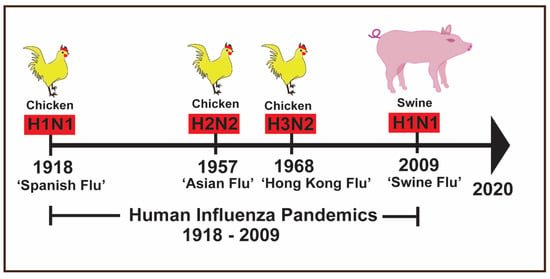
Notable examples of swine-origin influenza strains that have caused human infections include the H1N1 and H3N2 variants. The H1N1 strain responsible for the 2009 influenza pandemic, commonly known as the “swine flu,” originated from a reassortment event between human, avian, and swine influenza viruses. The H3N2 variant has also caused recurring infections in humans, with sporadic cases and localized outbreaks reported globally.
V. Pandemic Threat
A. The 2009 H1N1 Pandemic
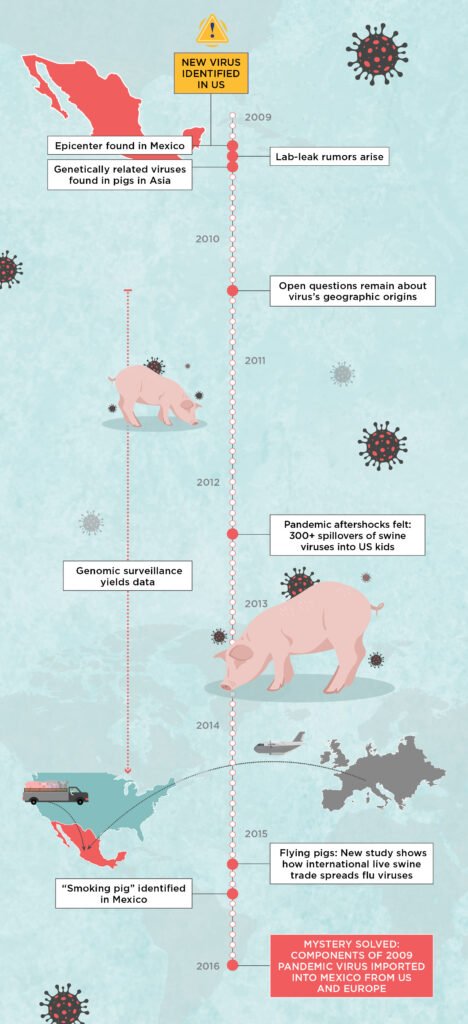
The 2009 H1N1 influenza pandemic was a significant global health event that originated from swine. It was a unique strain that had not previously circulated in humans, resulting in widespread infection and high mortality rates in certain populations. The pandemic highlighted the potential for swine-origin influenza viruses to cause severe disease and the need for rapid response and effective public health measures to mitigate its impact.
B. Factors Influencing the Pandemic Potential of Swine-Origin Influenza
Several factors contribute to the pandemic potential of swine-origin influenza viruses. One crucial factor is the ability of these viruses to undergo genetic reassortment with other influenza strains, both in pigs and in humans. This reassortment can create new viruses with the potential to infect humans and cause severe disease. Additionally, factors such as viral adaptation to humans, efficient human-to-human transmission, and population susceptibility can influence the severity and impact of a potential pandemic.
VI. Research and Surveillance
A. Monitoring Swine Influenza in Pigs
Monitoring and surveillance of swine influenza in pigs is vital for early detection and control of potential outbreaks. This involves regular testing of swine populations, specifically targeting high-risk areas such as farms, live animal markets, and slaughterhouses. Surveillance helps identify circulating strains, monitor genetic changes, and assess the risk of transmission to humans or other animals.
B. Global Influenza Surveillance Networks
Global influenza surveillance networks, such as the World Health Organization (WHO) and the Centers for Disease Control and Prevention (CDC), play a crucial role in monitoring the spread of influenza viruses and detecting potential pandemics. These networks facilitate the collection, analysis, and sharing of influenza data, including genetic sequencing and epidemiological information. Such collaboration enables a rapid response to emerging threats and helps guide public health interventions.

VII. Prevention and Control
A. Vaccination Strategies
Vaccination is the primary method of preventing influenza infections. Each year, seasonal influenza vaccines are developed to protect against the strains predicted to be dominant in the upcoming season. Vaccination not only reduces the risk of infection but also helps mitigate the severity of illness and prevent complications. Special attention is given to high-risk populations, including young children, the elderly, pregnant women, and individuals with underlying health conditions.
B. Antiviral Treatments
Antiviral medications can be used to treat influenza infections and reduce the severity and duration of illness if administered early. They work by inhibiting the replication of the virus in the body. However, antiviral treatments are generally reserved for individuals at high risk of complications or those who have severe illness. Timely diagnosis and prompt initiation of treatment are crucial for their effectiveness.
C. Hygiene Practices
Practicing good hygiene is essential in preventing the spread of influenza and other respiratory infections. This includes frequently washing hands with soap and water, using hand sanitizers when soap is not available, covering the mouth and nose when coughing or sneezing, and avoiding close contact with sick individuals. Additionally, it is advisable to stay home when experiencing flu-like symptoms to prevent the transmission to others.
VIII. One Health Approach
A. Understanding the Interconnectedness of Humans, Animals, and the Environment
The One Health approach recognizes the interconnectedness of human health, animal health, and the environment. It emphasizes the need for collaboration between different sectors to address complex health challenges like influenza. By understanding the interactions between humans, animals, and the environment, we can develop holistic strategies for disease prevention, surveillance, and control that benefit all.
B. Collaborative Efforts for Influenza Prevention
Influenza prevention requires collaborative efforts from various stakeholders, including public health authorities, veterinary agencies, researchers, and policymakers. These efforts involve sharing information, coordinating surveillance activities, promoting vaccination campaigns, enhancing biosecurity measures in animal production systems, and implementing measures to limit the transmission of influenza between species. By working together, we can mitigate the risks associated with influenza and minimize its impact on global health.
IX. Conclusion
In conclusion, the link between influenza in humans and its swine origin is significant and underscores the need for comprehensive strategies to prevent and control the spread of influenza viruses. Through ongoing research, surveillance, vaccination programs, and a One Health approach, we can effectively respond to the threat of influenza and minimize its impact on human and animal health. By understanding the evolutionary history, transmission dynamics, and pandemic potential of influenza, we are better equipped to protect ourselves and future generations from this ever-present viral threat.