
Have you ever wondered about the origins of influenza in swine? Understanding the history of this infectious disease is crucial in order to prevent future outbreaks and protect public health. In this article, we will explore the origins of influenza in swine and its subsequent transmission to humans. By gaining insight into the evolution and spread of this virus, we can work towards better prevention strategies and ensure the well-being of both swine and human populations. So let’s dive into the fascinating world of influenza in swine and learn how it became a global concern.
Overview of Influenza
What is influenza?
Influenza, commonly known as the flu, is a respiratory illness caused by influenza viruses. It is highly contagious and affects millions of people worldwide each year. The flu can range from mild to severe, and in some cases, it can even be life-threatening. It is important to take precautions to prevent the spread of influenza.
Types of influenza viruses
There are three types of influenza viruses: A, B, and C. Influenza A viruses are found in various animal species, including humans, birds, and pigs. Influenza B viruses mainly affect humans, while influenza C viruses cause only mild respiratory infections.
Signs and symptoms of influenza
The signs and symptoms of influenza typically include fever, cough, sore throat, runny or stuffy nose, muscle or body aches, headaches, fatigue, and occasionally vomiting or diarrhea. Influenza symptoms can vary in severity and may mimic symptoms of other respiratory illnesses. It is important to seek medical attention if you experience severe symptoms or have underlying health conditions.
Influenza in Swine
What is swine influenza?
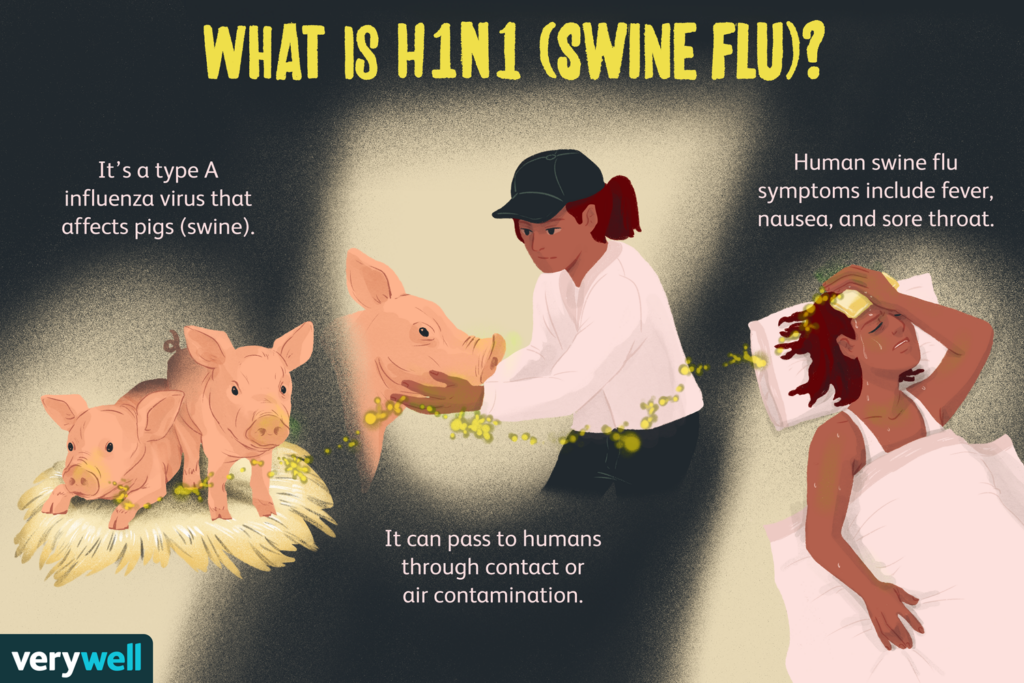
Swine influenza, also known as “swine flu,” is a respiratory disease that affects pigs. It is caused by influenza A viruses, mainly of the H1N1, H1N2, and H3N2 subtypes. Swine influenza viruses are endemic in pig populations worldwide and can cause respiratory illness in pigs of all ages.
The spread of swine influenza
Swine influenza can spread easily among pigs through direct or indirect contact with infected pigs, contaminated objects, or by inhaling respiratory droplets from infected pigs. Interspecies transmission can also occur, with humans being infected by exposure to infected pigs.
Effects of swine influenza on pigs
Swine influenza can have varying effects on pigs. Infection can range from mild respiratory illness to severe pneumonia, resulting in high morbidity and mortality rates in pig populations. An outbreak of swine influenza can lead to economic losses in the swine industry due to decreased productivity and increased veterinary costs.
Zoonotic transmission of swine influenza
Swine influenza viruses can occasionally infect humans, resulting in zoonotic transmission. The transmission usually occurs through close contact with infected pigs or by inhaling respiratory droplets from infected pigs. Human infections with swine influenza viruses are generally mild, but there have been instances of severe illness and even fatalities.
The Origins of Swine Influenza
The history of swine influenza outbreaks
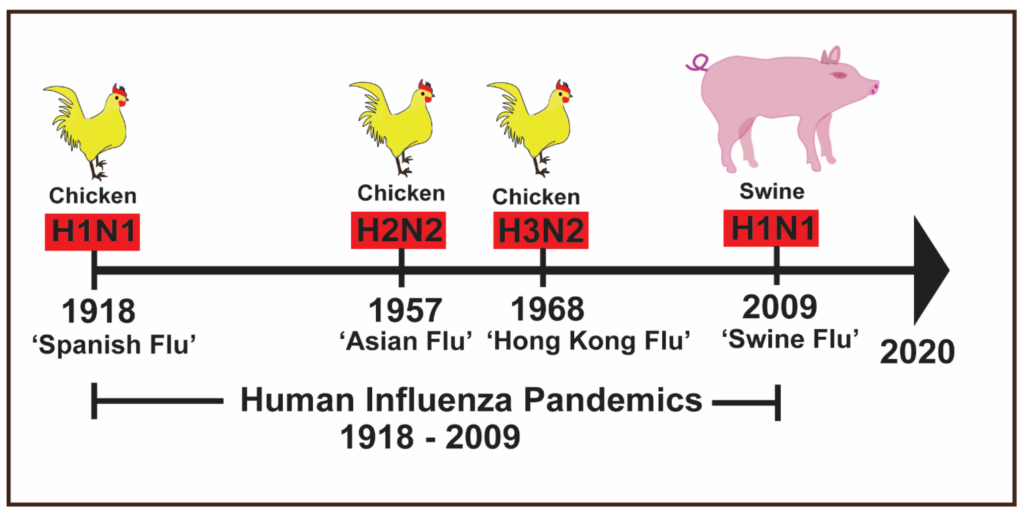
Swine influenza has been of interest to researchers for many decades, with documented outbreaks dating back to the 1910s. Swine influenza viruses have undergone several genetic changes over time, leading to the emergence of different strains and subtypes.
Reassortment as a source of genetic diversity
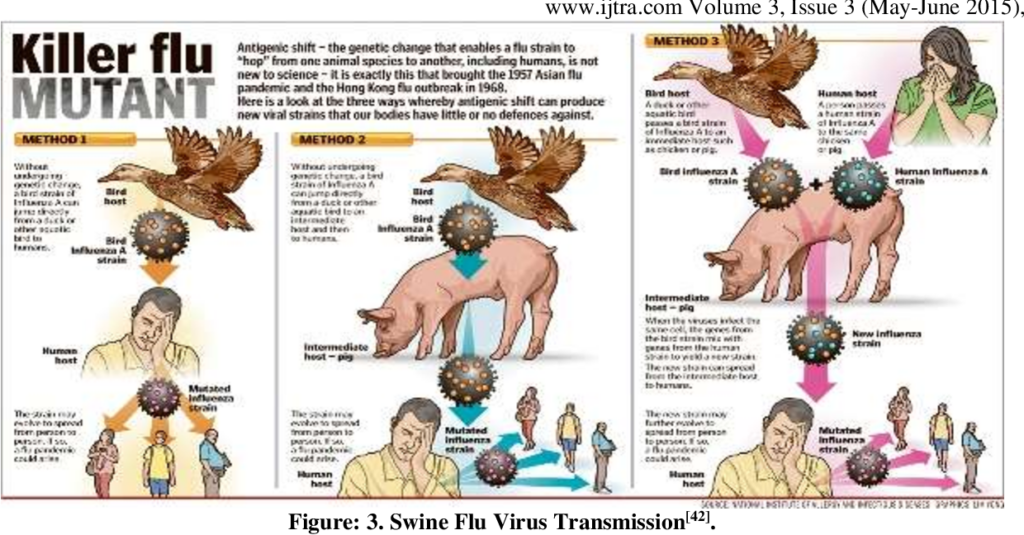
One of the primary mechanisms of influenza virus evolution is reassortment. Reassortment occurs when influenza viruses from different species infect the same host and exchange genetic material. This process can lead to the emergence of novel influenza viruses with new genetic combinations.
Interactions between humans, pigs, and birds
Swine influenza viruses are unique because they can infect humans, pigs, and birds. The close proximity between these species in some agricultural settings provides opportunities for viral transmission and genetic mixing. This interplay of interactions contributes to the genetic diversity of swine influenza viruses.

Sporadic introductions and endemicity
Swine influenza viruses can be introduced into pig populations through sporadic events, such as the direct transmission from infected humans or birds. Once introduced, the virus can establish and circulate within pig populations, leading to endemicity. This continuous circulation of swine influenza viruses poses ongoing risks for both pig and human health.
Origins of Influenza Viruses
Influenza virus evolution
Influenza viruses have been evolving for centuries through various processes, including antigenic drift and antigenic shift. Antigenic drift refers to small changes in the viral genes, allowing the virus to evade the immune response. Antigenic shift, on the other hand, involves the emergence of new strains through reassortment, leading to the potential for pandemics.
Avian influenza viruses
Avian influenza viruses are a natural reservoir for the influenza A virus, with numerous subtypes present in wild bird populations. These viruses can occasionally spill over into other species, including pigs and humans, and pose a significant public health concern.
Pandemics and human influenza viruses
Throughout history, several influenza pandemics have occurred, causing widespread illness and death. These pandemics are caused by the emergence of novel influenza A viruses in humans, resulting from reassortment or direct transmission from animals.
Role of genetic mutations and reassortment
Genetic mutations and reassortment events play a crucial role in the evolution and emergence of new influenza viruses. These processes can lead to changes in viral proteins, affecting their ability to infect and spread among different host species.
The First Swine-Origin Influenza A (H1N1)
Discovery and identification
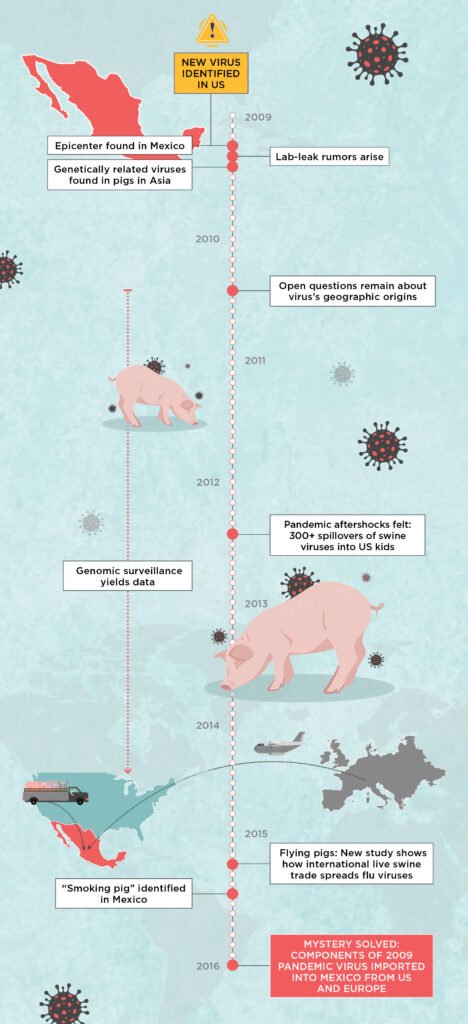
The first swine-origin influenza A (H1N1) virus, commonly known as the 2009 H1N1 pandemic virus, was identified in April 2009. It was a novel reassortant virus that contained gene segments from swine, avian, and human influenza viruses.
Genetic makeup and reassortment events
The 2009 H1N1 virus acquired its genetic makeup through reassortment between different influenza viruses circulating in pigs, birds, and humans. This reassortment resulted in a virus that had not been previously detected in any of these species.
Pandemic spread of H1N1 virus
The 2009 H1N1 virus rapidly spread around the world, leading to the declaration of a pandemic by the World Health Organization (WHO). The virus caused significant illness and mortality globally, impacting human health and healthcare systems.
Impact of the H1N1 pandemic
The H1N1 pandemic had a considerable impact on public health and society. It resulted in widespread illness, school and workplace closures, travel restrictions, and strain on healthcare systems. The pandemic highlighted the need for effective surveillance, early detection, and rapid response to emerging influenza viruses.
Reassortment in Swine Influenza Viruses
Reassortment process in swine
Swine influenza viruses have a unique ability to reassort due to their susceptibility to infection with multiple influenza A virus subtypes. In pigs, co-infection with multiple viruses can result in reassortment, leading to the emergence of new viral strains.
Factors contributing to reassortment
Several factors contribute to the reassortment of swine influenza viruses, including the presence of multiple viral subtypes in pig populations, the close proximity of different pig herds, and the mixing of pigs from different sources.
Reassortant viruses and their characteristics
Reassortment events in swine influenza viruses can generate novel viruses with different antigenic properties. These reassortants have the potential to infect and spread among both pigs and humans, raising concerns for public health.
Prevention and control measures
Preventing and controlling reassortment in swine influenza viruses requires a comprehensive approach that includes surveillance, vaccination, biosecurity measures, and collaboration between veterinarians, farmers, and public health authorities.
Other Swine-Origin Influenza Viruses
H1N2 and H3N2 swine influenza viruses
In addition to the H1N1 subtype, other swine influenza viruses, namely H1N2 and H3N2, circulate in pig populations. These viruses can also infect humans, although human infections with H1N2 and H3N2 swine influenza viruses have been relatively rare compared to H1N1.
Epidemiology and transmission
The epidemiology of H1N2 and H3N2 swine influenza viruses in both pigs and humans is still being studied. The transmission dynamics of these viruses involve close contact with infected pigs, and limited human-to-human transmission has been reported.
Impact on human health
Although H1N2 and H3N2 swine influenza viruses have not caused widespread human illness, sporadic cases have been reported. The severity of human infections varies, ranging from mild respiratory illness to more severe outcomes in individuals with underlying health conditions.
Vaccination strategies
Vaccination of both pigs and humans against swine-origin influenza viruses is an important preventive measure. In swine, vaccination can reduce the severity of respiratory illness and limit the spread of the virus. In humans, vaccination can provide protection against specific swine influenza strains of concern.
Recent Swine Influenza Outbreaks
Notable swine influenza outbreaks
Over the years, there have been several notable swine influenza outbreaks worldwide. These outbreaks have highlighted the ongoing challenges in preventing and controlling swine influenza and the potential for zoonotic transmission.
Global surveillance and monitoring
Global surveillance and monitoring of swine influenza viruses play a crucial role in identifying emerging strains and detecting outbreaks. This surveillance involves close collaboration between veterinary and public health authorities to track the genetic diversity and epidemiology of swine influenza viruses.
Implications for public health
Swine influenza outbreaks have significant implications for public health. While most human infections are mild, the potential for the emergence of highly pathogenic strains with increased transmissibility remains a concern. Close monitoring and prompt response are essential to prevent the spread of these viruses and protect human populations.
Lessons learned and future perspectives
Recent swine influenza outbreaks have highlighted the need for continued research, improved surveillance systems, and enhanced communication between animal and human health sectors. Collaborative efforts and a One Health approach are crucial to mitigating the impact of swine influenza on both animal and human populations.
Preventing Swine Influenza
Biosecurity measures in swine production
Implementing robust biosecurity measures is essential in preventing the introduction and spread of swine influenza viruses. These measures include strict control of animal movements, disinfection protocols, and the use of personal protective equipment by farm workers.
Vaccination strategies for pigs
Vaccination is an important tool in preventing swine influenza in pig populations. Vaccinating sows and piglets can reduce the severity of disease and limit viral shedding, thereby reducing the risk of transmission.
Surveillance and early detection
Surveillance systems that monitor swine influenza viruses in pig populations are crucial for early detection and rapid response. Timely identification of new strains can inform vaccination strategies and help prevent the spread of the virus.
One Health approach for prevention
The prevention of swine influenza requires a One Health approach that recognizes the interconnectedness of human, animal, and environmental health. Collaboration between veterinary and public health authorities, as well as active participation from farmers and healthcare providers, is necessary for effective prevention and control.
Conclusion
In conclusion, swine influenza is a significant respiratory disease affecting both pigs and humans. The origins of swine influenza can be traced back to the interactions between humans, pigs, and birds, leading to genetic diversity through reassortment events. The emergence of the first swine-origin influenza A (H1N1) pandemic virus in 2009 highlighted the global impact of swine influenza and the ongoing risks it poses. Preventing swine influenza requires continued research, collaboration, and a One Health approach for global preparedness. By implementing effective prevention and control measures, we can reduce the impact of swine influenza on both animal and human health and ensure a safer future for all.