
Imagine living a life where the beating of your heart is a constant reminder of a potential risk. Inherited heart conditions can be a silent threat lurking in your genes, impacting generations without warning. Understanding the causes and symptoms of these conditions is crucial to take control of your health. Let’s explore the world of inherited heart conditions and shed light on the hidden dangers that may be hiding within you.

Causes of Inherited Heart Conditions
Inherited heart conditions can be caused by a variety of factors, including genetic mutations, family history, and environmental factors. Understanding these causes is crucial in order to effectively diagnose and manage these conditions. By examining each cause in more detail, we can gain valuable insights into the development and progression of inherited heart conditions. Let’s explore the three main causes of these conditions: genetic mutations, family history, and environmental factors.
Genetic Mutations
Genetic mutations play a significant role in the development of inherited heart conditions. These mutations can occur in specific genes that are responsible for regulating the structure and function of the heart. When these genes are altered, it can lead to various cardiac abnormalities. Some mutations are inherited from parents, while others occur spontaneously. Understanding the specific gene mutations associated with inherited heart conditions is crucial for accurate diagnosis and effective management.
Family History
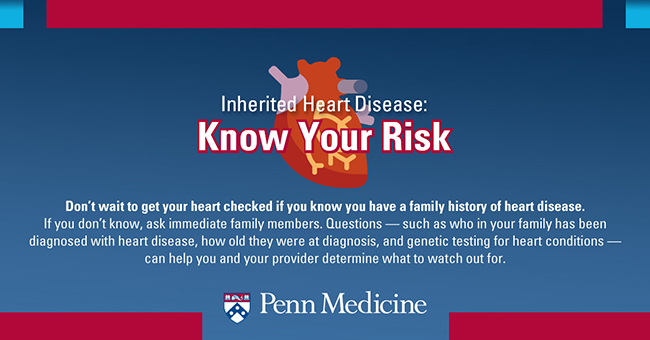
A family history of heart conditions is another important cause of inherited heart conditions. If you have a close relative, such as a parent or sibling, who has been diagnosed with a heart condition, your risk of developing a similar condition is increased. This suggests a genetic predisposition for certain heart conditions within families. Determining your family history of heart conditions can provide valuable information for healthcare providers, allowing them to assess your risk and recommend appropriate screenings and interventions.
Environmental Factors
In addition to genetic factors, environmental factors can also contribute to the development of inherited heart conditions. These factors include exposure to toxins, lifestyle choices, and associations with certain diseases. Harmful substances in the environment, such as air pollution or chemicals, can have adverse effects on heart health. Unhealthy lifestyle choices, such as a sedentary lifestyle or a diet high in saturated fats, can also contribute to the development of heart conditions. Moreover, certain diseases, such as diabetes or obesity, can increase the risk of developing inherited heart conditions.

Symptoms of Inherited Heart Conditions
Recognizing the symptoms of inherited heart conditions is crucial for early detection and appropriate management. While some individuals may not experience any symptoms, others may exhibit a range of symptoms indicative of a heart condition. Understanding the range of symptoms, their severity, and progression can aid in timely diagnosis and intervention.
Asymptomatic Cases
In some cases, individuals with inherited heart conditions may not exhibit any symptoms. These asymptomatic cases can be particularly challenging to detect, as individuals may not seek medical attention until complications arise. Regular check-ups are essential in identifying these asymptomatic cases, as healthcare providers can perform diagnostic tests to assess heart health. Detecting and addressing these conditions early can greatly improve outcomes and prevent potential complications.
Common Symptoms
For individuals who do experience symptoms, there are several common signs that may indicate an inherited heart condition. Chest discomfort, including pain, pressure, or tightness, is a common symptom associated with heart conditions. Shortness of breath, especially during physical exertion, can also be a sign of a heart condition. Additionally, persistent fatigue and weakness, even after adequate rest, can indicate an underlying heart problem. Recognizing these symptoms and seeking medical attention promptly is crucial for appropriate diagnosis and management.
Severity and Progression
The severity and progression of symptoms can vary greatly among individuals with inherited heart conditions. While some may experience mild symptoms that do not significantly impact daily activities, others may have more severe symptoms that greatly limit their quality of life. The age of onset can also vary, with some conditions presenting in childhood and others developing later in life. It is important to understand the potential progression of these conditions to ensure appropriate monitoring and intervention throughout the lifespan.
Diagnosis and Testing of Inherited Heart Conditions
Accurate diagnosis and testing are essential in managing inherited heart conditions effectively. Healthcare providers employ a multifaceted approach to diagnose these conditions, incorporating medical history evaluations, physical examinations, and genetic testing to gain comprehensive insights into an individual’s heart health.
Medical History Evaluation
To accurately diagnose inherited heart conditions, healthcare providers assess a patient’s medical history, including any family history of heart conditions, to better understand their risk. This evaluation also involves a detailed review of the patient’s symptoms, past medical conditions, and medications. This comprehensive assessment aids in determining the appropriate diagnostic and testing strategies.
Physical Examination
A physical examination is an integral part of diagnosing inherited heart conditions. During this examination, the healthcare provider assesses vital signs, including heart rate and blood pressure, and listens for any abnormal heart sounds or murmurs. Additionally, they may examine the patient’s overall physical condition, including checking for signs of fluid retention or abnormal growth patterns. These physical findings provide valuable information for further diagnostic testing.
Genetic Testing
Genetic testing is a useful tool in diagnosing inherited heart conditions. By analyzing an individual’s DNA, healthcare providers can identify specific gene mutations associated with these conditions. This information allows for more accurate diagnosis and personalized treatment plans. Genetic counseling may also be recommended to discuss the implications of the test results and help individuals and families make informed decisions about their healthcare.

Early Intervention
Early intervention is crucial in managing inherited heart conditions effectively. Identifying and addressing risk factors, treating asymptomatic cases, and promoting education and awareness are key components of early intervention.
Identifying and Addressing Risk Factors
Understanding the risk factors associated with inherited heart conditions is vital in preventing or minimizing their impact. By identifying individuals at increased risk, healthcare providers can implement targeted interventions to mitigate the development or progression of these conditions. Lifestyle modifications, including adopting a heart-healthy diet and engaging in regular physical activity, can significantly reduce the risk of heart conditions. Additionally, managing and treating other underlying conditions, such as diabetes or hypertension, can also contribute to better heart health.
Treatment of Asymptomatic Cases
For those individuals who are diagnosed with an inherited heart condition but do not exhibit symptoms, early treatment is essential in preventing complications. Regular monitoring, medication management, and lifestyle modifications are standard approaches to managing asymptomatic cases. Medical professionals will develop individualized treatment plans based on each patient’s unique needs and circumstances.
Education and Awareness
Education and awareness play vital roles in early intervention for inherited heart conditions. Understanding the signs and symptoms of these conditions, as well as the risk factors and preventive measures, empowers individuals to take proactive steps towards good heart health. Public health campaigns, patient education materials, and support groups can all contribute to raising awareness and promoting early intervention.
In conclusion, understanding the causes and symptoms of inherited heart conditions is crucial for effective diagnosis, management, and early intervention. Genetic mutations, family history, and environmental factors all contribute to the development of these conditions. By recognizing the symptoms and seeking medical attention promptly, individuals can receive the necessary care to prevent complications. Through comprehensive diagnostic and testing approaches, healthcare providers can accurately identify these conditions, paving the way for personalized treatment plans. Early intervention, including risk factor identification, treatment of asymptomatic cases, and education and awareness, plays a vital role in preventing the progression and complications of inherited heart conditions.
