
Inheriting a heart condition can be a daunting and concerning prospect, but with the right treatment options, it is possible to effectively manage these conditions and ensure a healthy, fulfilling life. This article explores the various treatment options available for inherited heart conditions, offering valuable insights and guidance for individuals and families facing this challenge. From medications to lifestyle changes, there are a range of strategies that can help individuals with inherited heart conditions lead long and prosperous lives while minimizing risk factors and potential complications.

Diagnosis of Inherited Heart Conditions
In order to effectively manage inherited heart conditions, it is crucial to first diagnose the condition accurately. Two key aspects of the diagnostic process are assessing the family history and conducting genetic testing, along with a thorough clinical evaluation and medical history.
Family History and Genetic Testing
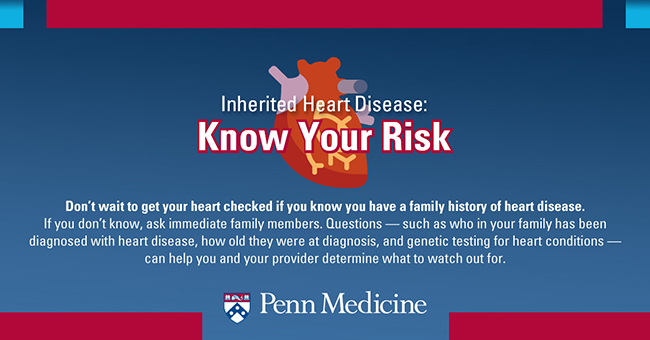
Understanding your family history plays a significant role in diagnosing inherited heart conditions. Genetic factors have a significant impact on the risk of developing certain heart conditions. By assessing your family’s medical history, healthcare professionals can identify potential inherited conditions and recommend appropriate diagnostic procedures.
Genetic testing can provide valuable insights into the underlying genetic mutations that may be responsible for inherited heart conditions. Advances in genetic sequencing technologies have made it easier to identify specific genetic abnormalities associated with different cardiac disorders. Genetic testing can help confirm the diagnosis, provide information about the prognosis, and assist in determining the most appropriate treatment options.
Clinical Evaluation and Medical History
A thorough clinical evaluation and medical history are essential for accurate diagnosis. During the evaluation, your healthcare provider will conduct a physical examination, listen to your heart using a stethoscope, and may order various diagnostic tests such as electrocardiograms (ECGs) and echocardiograms.
Through a detailed medical history, including information about symptoms, past medical procedures, and lifestyle habits, healthcare professionals can gain valuable insights into the nature and potential triggers of your inherited heart condition. This information is crucial in determining the most appropriate treatment options and developing an effective management plan tailored to your specific needs.
Treatment Options for Inherited Heart Conditions
Managing inherited heart conditions involves a multidimensional approach that may include lifestyle modifications, medications, interventional procedures, surgical interventions, psychological support, and ongoing monitoring and follow-up care.
Lifestyle Modifications
Lifestyle modifications are a cornerstone of managing inherited heart conditions. By adopting healthy habits, you can significantly reduce the risk of complications and enhance your overall cardiovascular health.
Regular exercise and physical activity play a critical role in maintaining a healthy heart. Engaging in activities such as walking, cycling, swimming, and jogging can improve cardiovascular fitness, strengthen the heart muscle, and help manage weight. However, it is essential to consult with your healthcare provider to determine the appropriate level of physical activity for your specific condition.
Maintaining a healthy diet and managing weight are also vital components of lifestyle modifications. A heart-healthy diet rich in fruits, vegetables, whole grains, lean proteins, and low-fat dairy products can help control blood pressure, cholesterol levels, and weight. Additionally, limiting the consumption of processed foods, saturated fats, trans fats, and sodium can further support heart health.
Avoiding tobacco and excessive alcohol consumption is of utmost importance for managing inherited heart conditions. Smoking and exposure to secondhand smoke can significantly increase the risk of heart disease and exacerbate existing conditions. If you consume alcohol, it is crucial to do so in moderation as excessive alcohol intake can lead to various cardiovascular issues.
Stress reduction techniques such as deep breathing exercises, meditation, yoga, and mindfulness practices can have a positive impact on both mental and cardiovascular health. Chronic stress can contribute to the development and progression of heart conditions. Therefore, finding effective ways to manage and reduce stress levels can aid in the overall management of inherited heart conditions.
Medications
In some cases, medications may be prescribed to manage inherited heart conditions. The specific medication prescribed will depend on the type and severity of the condition. Here are some commonly used medications:
-
Beta-Blockers: These medications help lower heart rate and blood pressure, reducing the workload on the heart. They are commonly prescribed for conditions such as arrhythmias, high blood pressure, and certain types of cardiomyopathy.
-
Calcium Channel Blockers: These medications help relax and widen the blood vessels, which can improve blood flow and reduce the workload on the heart. They are often prescribed for conditions such as high blood pressure, angina, and arrhythmias.
-
Antiarrhythmic Drugs: These medications help regulate the heart’s rhythm by suppressing abnormal electrical signals. They are frequently prescribed for conditions such as arrhythmias and atrial fibrillation.
-
Anticoagulants: These medications help prevent blood clot formation, reducing the risk of strokes or other complications associated with blood clots. They are commonly prescribed for conditions such as atrial fibrillation and certain types of cardiomyopathy.
It is essential to follow the prescribed medication regimen as directed by your healthcare provider and to regularly monitor their effectiveness through follow-up appointments.
Interventional Procedures
Interventional procedures may be recommended to manage certain inherited heart conditions that cannot be effectively treated with medications or lifestyle modifications alone. These procedures are minimally invasive and aim to correct structural abnormalities or address heart rhythm disturbances. Some common interventional procedures include:
-
Catheter Ablation: This procedure involves the use of specialized catheters to target and destroy abnormal heart tissue responsible for irregular heart rhythms.
-
Pacemaker Implantation: A pacemaker is a small device implanted in the chest that helps regulate the heart’s electrical impulses, ensuring proper heart rate and rhythm.
-
Implantable Cardioverter Defibrillator (ICD) Placement: An ICD is a device implanted in the chest that continuously monitors the heart’s rhythm and delivers electrical shocks if a life-threatening heart rhythm disturbance is detected.
-
Cardiac Resynchronization Therapy (CRT): This therapy involves the placement of a specialized pacemaker that coordinates electrical signals in both lower chambers of the heart, improving overall heart function in certain types of heart failure.
Surgical Interventions
In some cases, surgical interventions may be necessary to manage inherited heart conditions. These procedures are typically reserved for more severe cases or when other treatment options have been exhausted. Some common surgical interventions include:
-
Coronary Artery Bypass Grafting (CABG): This procedure involves bypassing blocked or narrowed coronary arteries using blood vessels taken from other parts of the body, thereby improving blood flow to the heart.
-
Heart Transplantation: In cases where the heart is severely damaged and cannot be effectively managed with other treatments, a heart transplant may be needed. This involves replacing the diseased heart with a healthy donor heart.
-
Ventricular Assist Devices (VADs): VADs are mechanical devices implanted in the chest that help support the heart’s pumping function in cases of severe heart failure while awaiting a suitable heart transplant.
It is important to discuss the potential benefits, risks, and expected outcomes of surgical interventions with your healthcare provider to make an informed decision tailored to your individual circumstances.

Psychological Support and Counseling
Managing inherited heart conditions not only involves physical aspects but also encompasses the emotional and psychological impact on individuals and their families. Psychological support and counseling can provide invaluable assistance in coping with the challenges associated with living with an inherited heart condition.
Emotional Impact of Inherited Heart Conditions
Receiving a diagnosis of an inherited heart condition can be emotionally overwhelming. Feelings of fear, anxiety, sadness, or anger are common reactions. It is essential to acknowledge and address these emotions to maintain overall well-being.
Coping Strategies and Mental Health Support
Developing effective coping strategies is key to managing the emotional impact of an inherited heart condition. Engaging in relaxation exercises, seeking social support from loved ones or support groups, and practicing self-care activities can help alleviate emotional distress.
Furthermore, mental health support from trained professionals such as psychologists or counselors can provide a safe space to express concerns, navigate challenges, and develop strategies to promote mental well-being.
Genetic Counseling for Family Planning
Genetic counseling is crucial for individuals with inherited heart conditions who are considering family planning. Genetic counselors specialize in assisting individuals and families in understanding their genetic risks and making informed decisions about reproduction.
Through genetic counseling, individuals can gain insights into the nature of their condition, assess the risk of passing it on to future generations, explore available reproductive options, and evaluate the pros and cons of different family planning strategies.
Monitoring and Follow-Up Care
Managing inherited heart conditions requires ongoing monitoring and follow-up care to ensure the effectiveness of the chosen treatment plan and make necessary adjustments as needed. Regular cardiac evaluations and diagnostic tests are essential components of this process.
Regular Cardiac Evaluations
Regular cardiac evaluations involve periodic visits to your healthcare provider to assess your heart health and monitor the progression of your condition. During these evaluations, your healthcare provider will conduct physical examinations, listen to your heart, and evaluate any changes in your symptoms or overall well-being.
Electrocardiograms (ECGs) and Echocardiograms
Electrocardiograms (ECGs) and echocardiograms are commonly used diagnostic tests to monitor the electrical activity of the heart and evaluate its structure and function. These tests can provide valuable information about your heart’s rhythm, blood flow patterns, and any structural abnormalities.
Holter and Event Monitoring
Holter and event monitors are portable devices that record your heart’s electrical activity over an extended period, typically 24 to 48 hours or longer. These monitors can help detect abnormal heart rhythms or symptoms that may not occur during routine clinic visits, providing your healthcare provider with more comprehensive information about your heart’s function.
Genetic Testing Updates
As scientific advances continue to emerge, genetic testing technologies improve, and new discoveries are made, it is essential to stay updated on the latest genetic testing options and research findings. Regularly consulting with your healthcare provider regarding updates in genetic testing can ensure that you have access to the most accurate and up-to-date information about your condition.
Preventive Measures for Family Members
Inherited heart conditions can have significant implications for family members. Implementing preventive measures can help identify and manage inherited heart conditions in at-risk individuals, potentially preventing or delaying the onset of complications.
Screening and Genetic Testing
Screening family members for inherited heart conditions can help detect early signs of the condition and enable timely intervention. Genetic testing can provide specific information about the underlying genetic mutation and guide appropriate management strategies.
Early Intervention and Treatment Plans
Early intervention and implementing appropriate treatment plans can significantly impact the long-term prognosis of individuals at risk for inherited heart conditions. By identifying and monitoring potential risk factors, healthcare professionals can develop personalized treatment plans aimed at preventing or mitigating the development of heart disease.
Lifestyle Modifications and Risk Factor Prevention
Encouraging family members to adopt healthy lifestyle habits and reduce modifiable risk factors can play a crucial role in preventing or managing inherited heart conditions. This includes promoting regular physical activity, healthy eating, avoidance of tobacco and excessive alcohol consumption, stress reduction techniques, and regular cardiovascular check-ups.
Research and Future Perspectives
Managing inherited heart conditions is an ever-evolving field, with ongoing research and technological advancements shaping the future of diagnosis and treatment options. Several areas of research show promise in improving the management and outcomes of individuals with inherited heart conditions.
Advances in Genetic Sequencing Technologies
Advances in genetic sequencing technologies have revolutionized the diagnostic process and our understanding of inherited heart conditions. These technologies allow for more comprehensive and accurate genetic testing, enabling healthcare providers to identify specific genetic mutations responsible for different cardiac disorders.
Gene Therapy and Precision Medicine
Gene therapy and precision medicine hold tremendous potential for the future management of inherited heart conditions. By targeting specific genetic abnormalities, gene therapy aims to correct or compensate for the underlying genetic mutations, potentially halting the progression of the disease or even offering a cure.
Precision medicine takes into account an individual’s specific genetic makeup, lifestyle factors, and environmental influences to develop personalized treatment plans. This approach allows for a more tailored and effective management strategy, maximizing therapeutic benefits and minimizing adverse effects.
Clinical Trials and Experimental Treatments
Participating in clinical trials and experimental treatments can provide individuals with inherited heart conditions access to cutting-edge therapies and potential breakthroughs in treatment options. These trials help healthcare professionals assess the safety and effectiveness of new approaches, contributing to the advancement of knowledge and the development of innovative solutions for inherited heart conditions.
In conclusion, the diagnosis and management of inherited heart conditions require a comprehensive and multidimensional approach. By understanding the importance of family history and genetic testing, undergoing clinical evaluations, and adopting lifestyle modifications, individuals can effectively manage their condition and reduce the risk of complications. The use of medications, interventional procedures, surgical interventions, psychological support, and ongoing monitoring helps to address specific needs and ensure optimal outcomes. As research and technology advance, the future holds exciting possibilities for improved diagnosis, treatment options, and preventive measures, empowering individuals with inherited heart conditions to lead healthier, fulfilling lives.
